Newsletters




Istanbul's Topkapi Palace is preparing to open five new museums housing 10,300 artifacts, bringing together centuries of Ottoman military history, porcelain, calligraphy, maps and industrial heritage inside the restored Darphane-i Amire, the empire's former imperial mint.
Located in the palace's First Courtyard, the historic complex has been transformed into a museum district following an extensive restoration of 17 buildings, some of which had previously suffered collapsed roofs and structural deterioration.
President Recep Tayyip Erdogan is expected to inaugurate the complex on Sunday, Oct. 25, according to National Palaces Administration President Yasin Yildiz, who briefed journalists on the project Tuesday.
Admission to the new museums will be included in the regular Topkapi Palace ticket, allowing domestic and international visitors to explore the collections without purchasing a separate ticket.
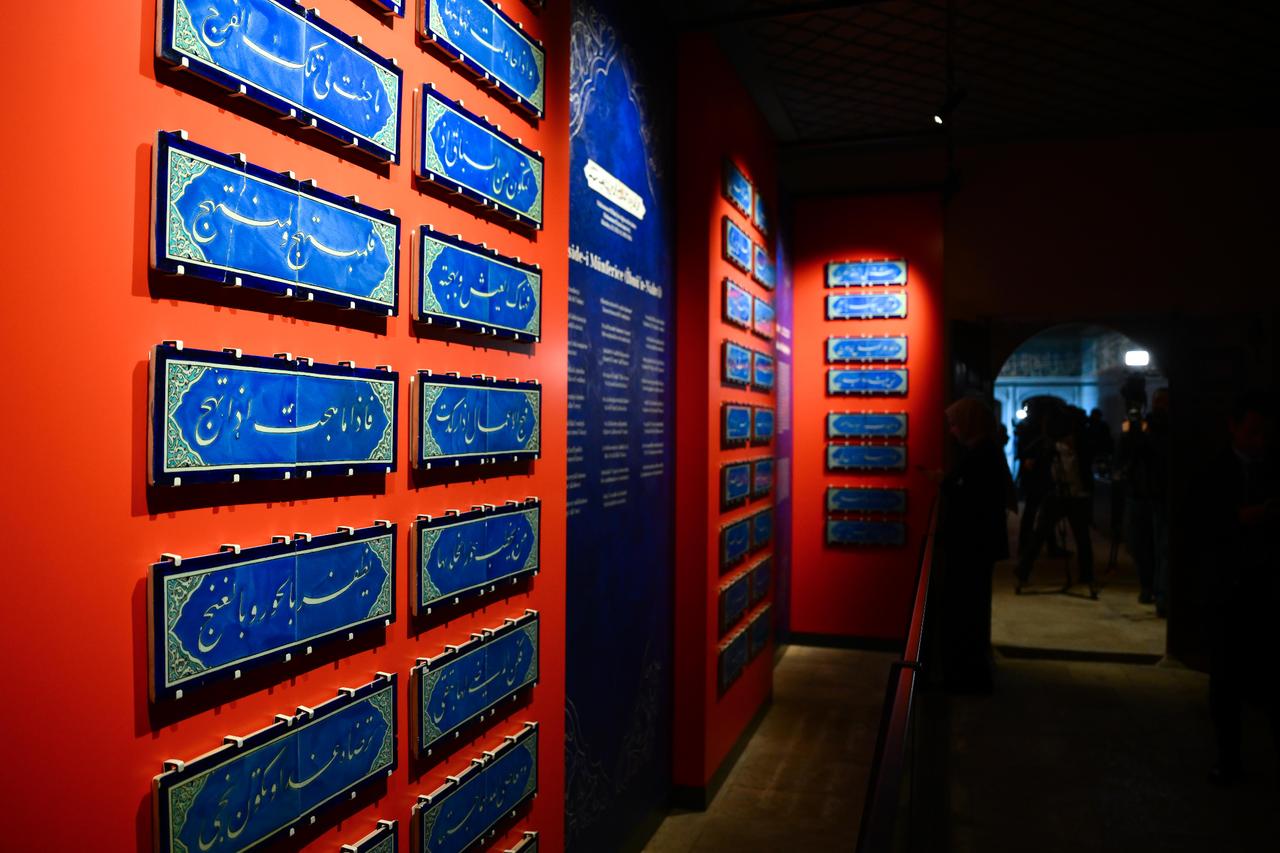

The restored complex will house specialized museums dedicated to porcelain, Islamic calligraphy, imperial weapons, minting and industrial machinery, and historical maps.
Among the collections are approximately 5,300 porcelain objects, 2,000 examples of calligraphy, 2,500 weapons, 500 industrial artifacts, and a selection of historical maps.
The Porcelain Museum, spread across 19 exhibition halls, traces seven centuries of craftsmanship from the 13th to the 20th century. Its collections include pieces produced in China, Japan, Germany, Austria and France, reflecting the artistic traditions that shaped Ottoman palace dining and ceremonial presentation.
Meanwhile, the Calligraphy Museum will bring together works by prominent masters of husn-i hat, the traditional art of Islamic calligraphy, in two restored buildings.
The Imperial Weapons Museum, known as Esliha-i Humayun, will display 2,500 objects covering approximately 1,500 years of military history, ranging from swords associated with the companions of the Prophet Muhammad (PBUH) to weapons dating from the 20th century.
Yildiz noted that the collection's location next to Hagia Irene, where weapons were first displayed as museum objects during the Ottoman period, creates a historical connection between the two sites.
The Mint and Industrial Machinery Museum will exhibit approximately 500 restored machines across five halls, highlighting the technological development of Ottoman production.
A separate map museum will showcase selected works from a National Palaces collection containing nearly 3,000 maps.

The origins of the Darphane-i Amire complex date back to construction activities in 1727, while later expansions under Sultan Mahmud II helped shape its present appearance.
The buildings gradually fell out of use after minting operations moved elsewhere, particularly during the second half of the 20th century.
Following the transfer of Topkapi Palace to the National Palaces Administration in 2019, restoration work was carried out to preserve the complex's original architecture while adapting it for museum use.
Yildiz said the project covers approximately 17,000 square meters (4.2 acres), incorporating interconnected buildings, streets, courtyards, and passageways.
He also explained that the National Palaces Administration holds approximately 375,000 movable artifacts, including around 200,000 at Topkapi Palace, and that the new museums will help bring a larger share of these collections into public view.
In addition to the permanent exhibitions, the complex will feature two galleries for temporary exhibitions and independent artists, alongside a National Palaces Research Center providing access to specialist libraries and digital resources.
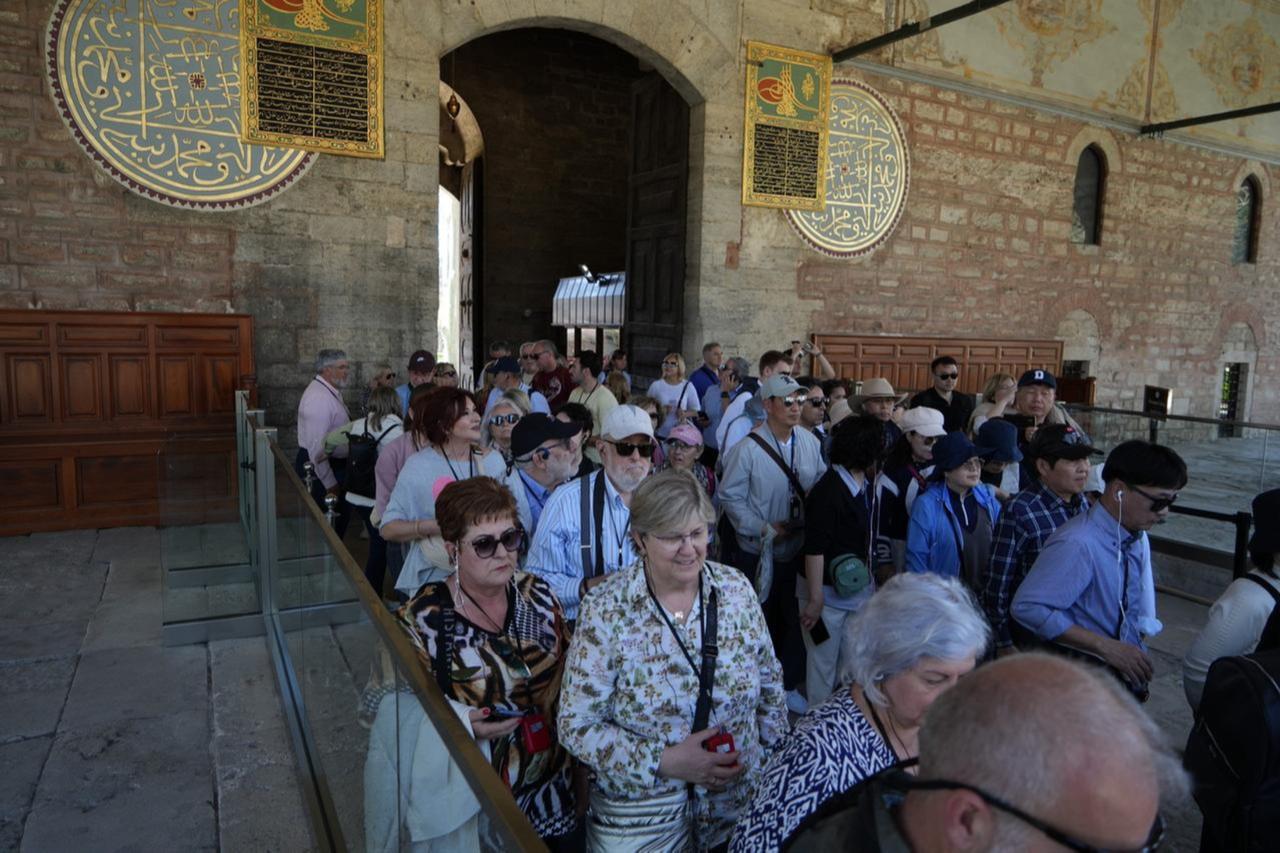
Visitors will initially enter through the palace's main Imperial Gate, known as Bab-i Humayun. A second entrance opposite the Istanbul Archaeological Museums is expected to open about a month later, providing additional access to the new museum district.


 Set as preferred source
 Set as preferred source



 1 min read