

 Newsletters


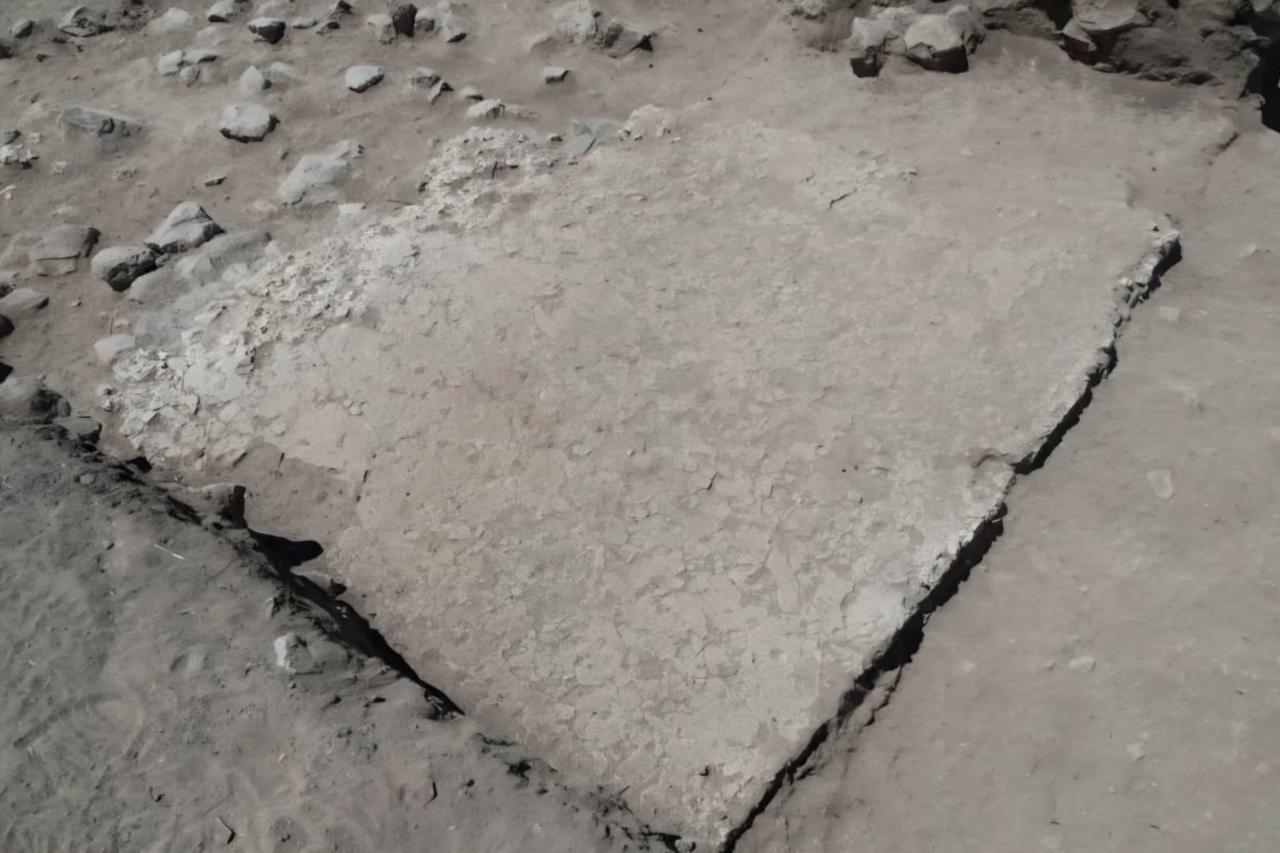


Archaeologists have uncovered a mosaic-floored structure dating back more than 2,000 years at Kultepe-Kanesh in Türkiye's central Kayseri province, marking the first discovery of its kind since excavations began at the ancient settlement in 1948.
The discovery also brought to light four successive cultural layers from the Hellenistic period (323–30 B.C.), offering new evidence of how the settlement developed during a period that has received relatively little archaeological attention compared with its Bronze Age history.
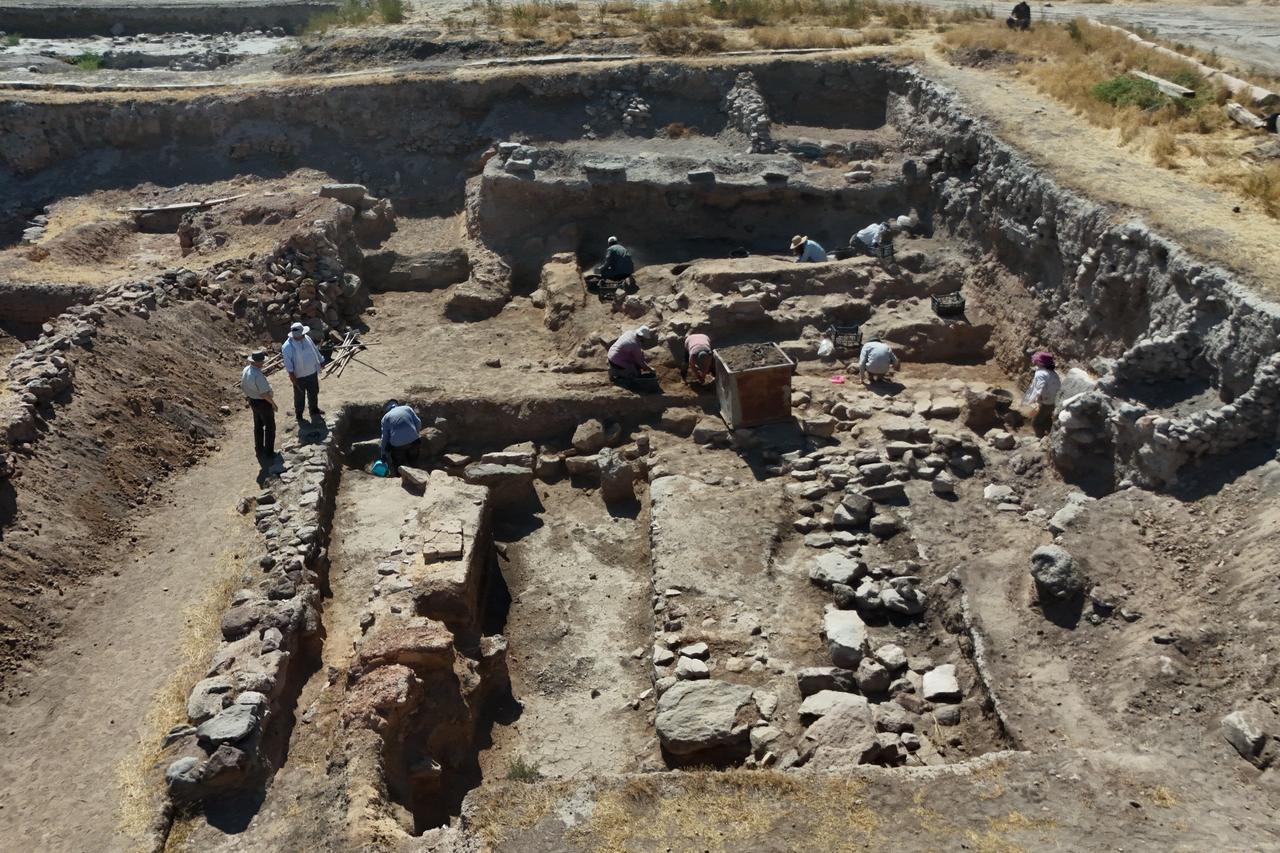
The findings emerged during the second season of a joint excavation project carried out by Türkiye's Ministry of Culture and Tourism, Ankara University and South Korea's National Research Institute of Cultural Heritage, under the direction of Professor Fikri Kulakoglu.
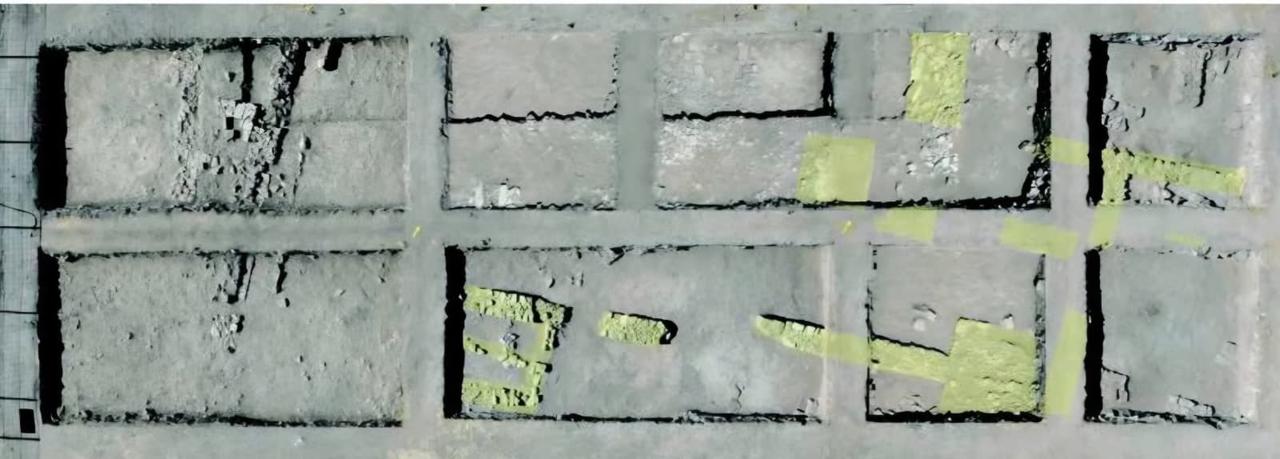

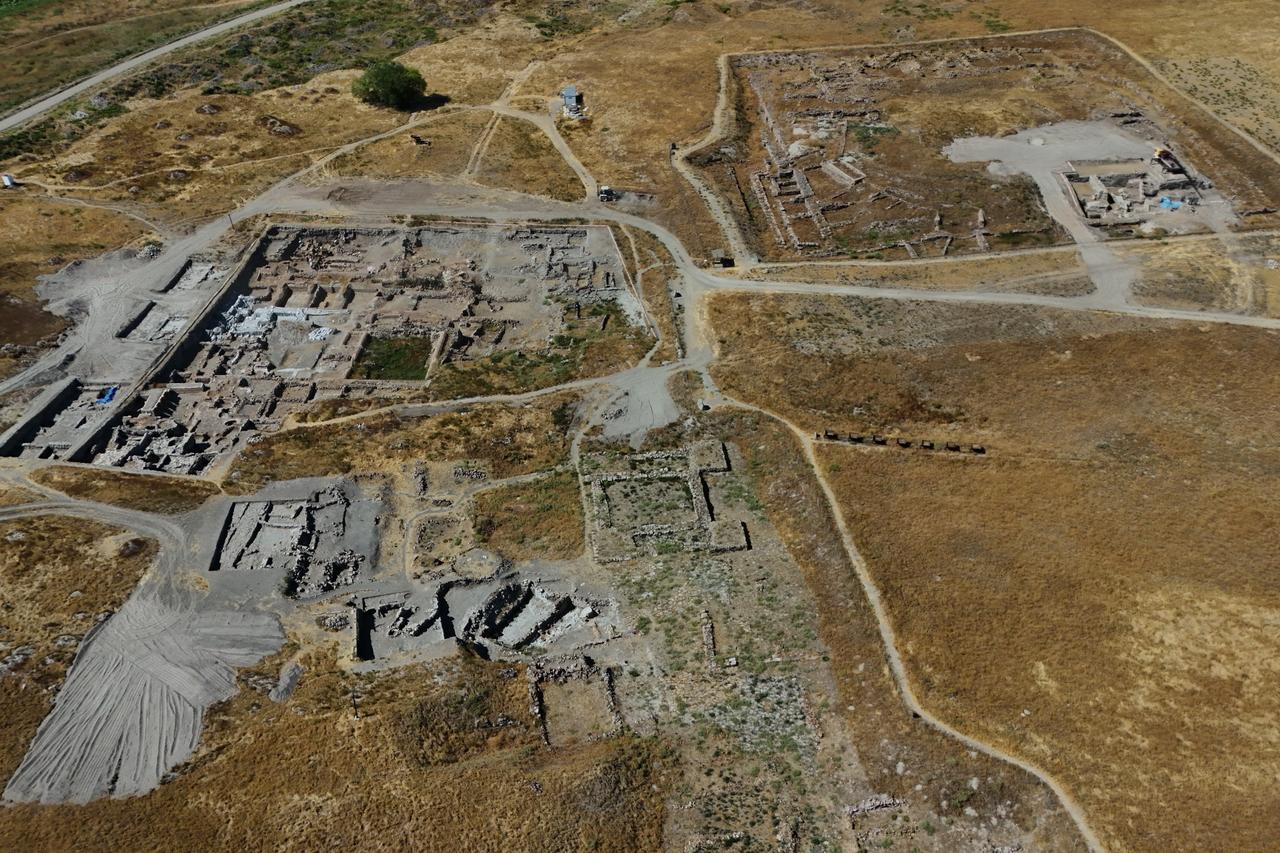
The mosaic was discovered east of the Warsama Palace, where Turkish and South Korean researchers began working together in 2025 under a cultural heritage cooperation agreement.
The surviving section measures approximately 1.6 meters (5.2 feet) on each side. Additional fragments found around the structure suggest that the original mosaic covered a larger area.
Archaeologists also identified the techniques used to construct the floor. Workers first leveled the ground and laid a foundation of crushed stone and fine soil before adding a layer of small river pebbles. Ceramic fragments, lime and other materials were also incorporated into the flooring.
Alongside the mosaic, researchers uncovered four Hellenistic cultural layers stacked above one another, providing a sequence of evidence through which changes in the settlement's architecture and use of space can be examined.
By comparing artifacts and architectural remains from each layer, the excavation team aims to establish a more detailed chronology of Kultepe during the Hellenistic period.
Culture and Tourism Minister Mehmet Nuri Ersoy announced the discovery on social media, describing it as a first in Kultepe's 78-year excavation history.
Ersoy emphasized that the mosaic and four cultural layers would help shed light on a lesser-known period of one of Anatolia's longstanding settlements.
He also described the findings as a valuable outcome of scientific and cultural cooperation between Türkiye and South Korea, congratulating excavation director Kulakoglu and the joint research team while thanking their South Korean partners for their contributions.
"We continue to bring Anatolia's rich heritage to light through scientific research," Ersoy said.
Kultepe-Kanesh, which remained inhabited from the third millennium B.C. into the Roman period, was an important political, economic and cultural center in ancient Anatolia.
Before the rise of the Hittite Empire, the settlement served as the capital of the Kingdom of Kanesh, also known as Nesha, and is regarded as one of the principal centers associated with the emergence of Hittite culture.
Its upper city contained royal palaces and temples, while the lower city housed a karum, an ancient trading quarter where merchants conducted business and maintained residential areas.
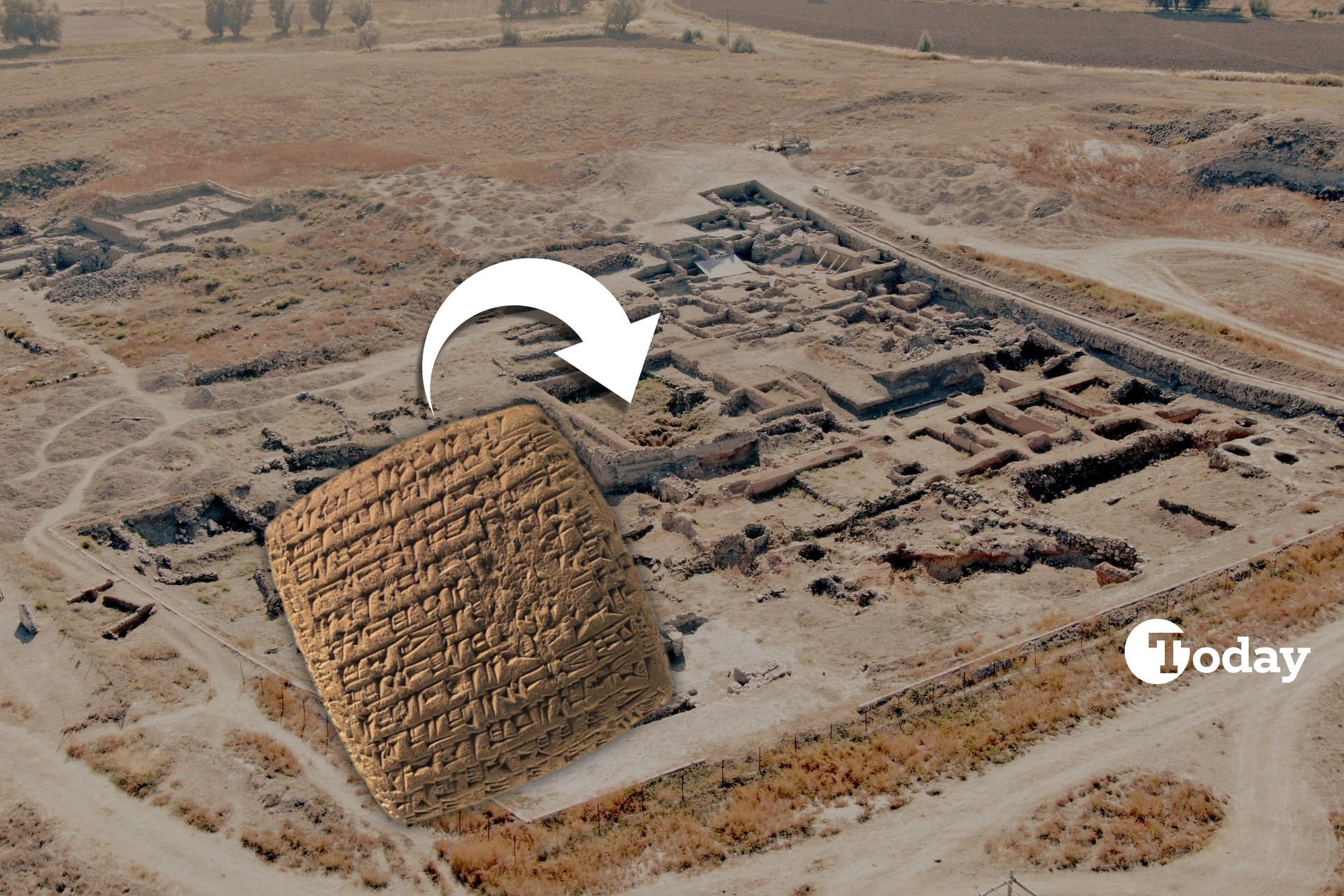
Kultepe is particularly known for its approximately 23,500 cuneiform clay tablets, which document the activities of Old Assyrian and Anatolian merchants. The collection is included in UNESCO's Memory of the World Register, a program recognizing documentary heritage of international significance.
 2 min read
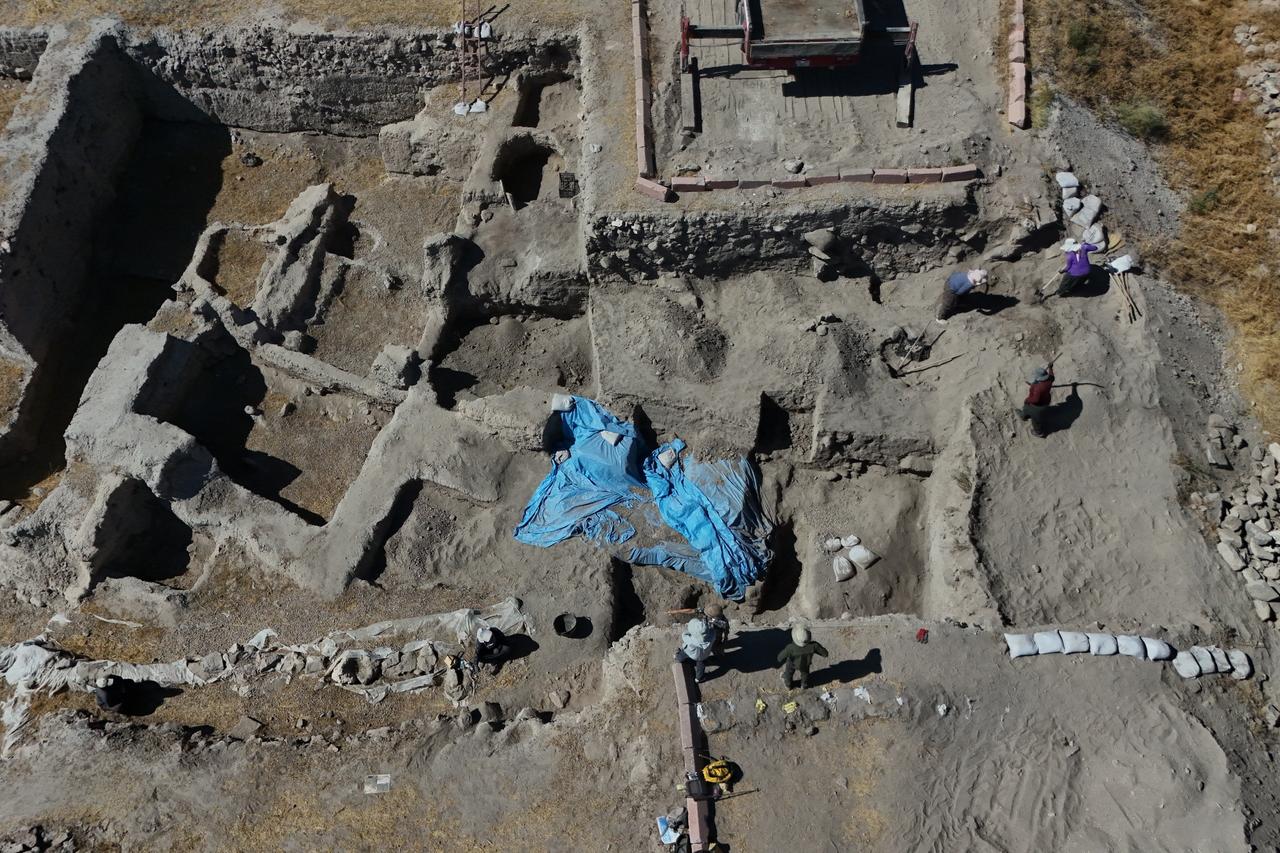
The archaeological site was also added to UNESCO's World Heritage Tentative List in 2014, although only about 5% of its total area has been excavated.
Following the investigation of the newly identified Hellenistic layers, researchers plan to move into deeper archaeological deposits containing remains from the Kingdom of Kanesh through the Hittite period.
The joint project aims to expand scientific knowledge of Kultepe's successive periods of occupation while strengthening academic cooperation between Türkiye and South Korea in cultural heritage research.


 Set as preferred source
 Set as preferred source


 1 min read


