Newsletters


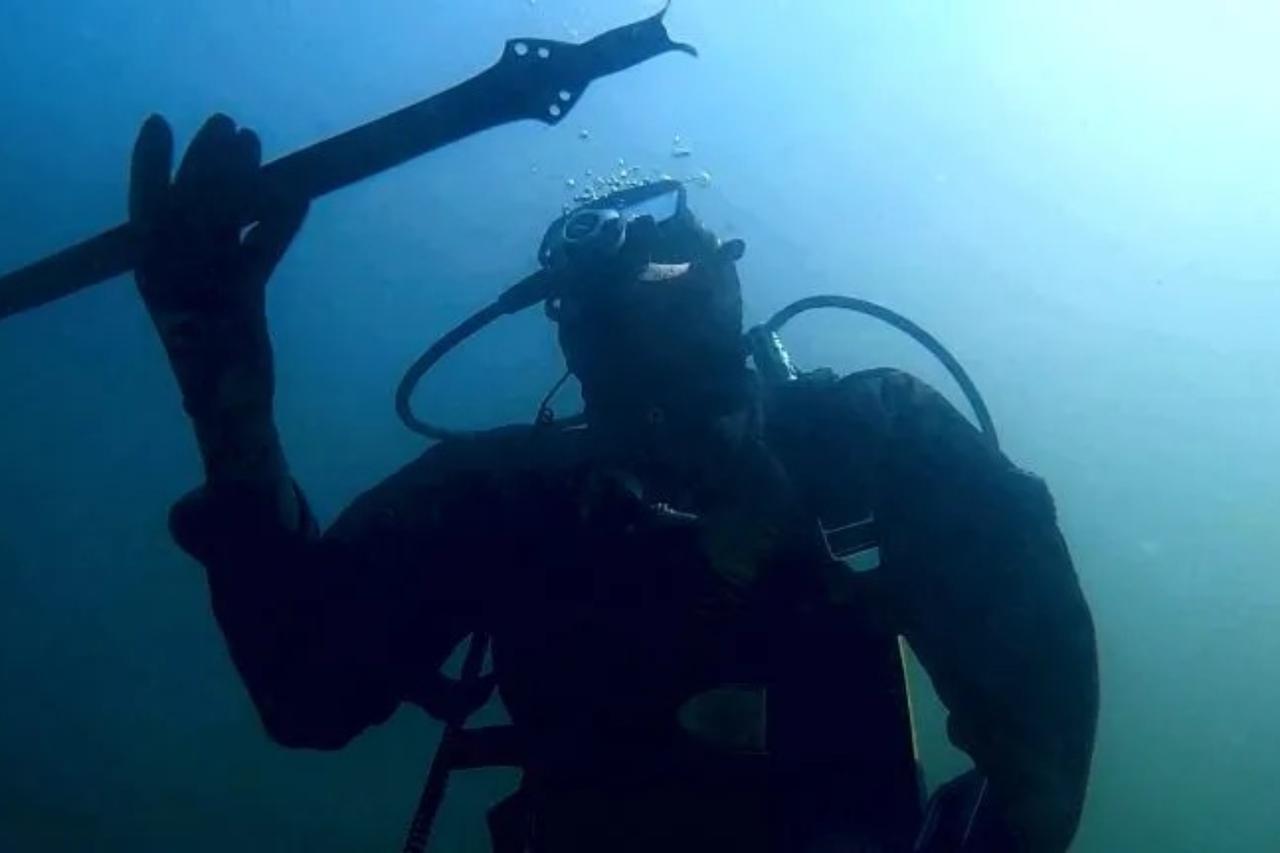


Archaeologists have recovered a well-preserved bronze sword from Lake Mezzano, a volcanic lake in central Italy.
The weapon is about 3,300 years old and still has a sharp edge. It may have been deposited as an offering to a deity or by a high-status warrior who lived long before the rise of the Etruscans or the Romans.
The lake sits in the crater of an ancient volcano roughly 100 kilometers (62 miles) northwest of Rome, according to a statement from the Superintendence of Archaeology, Fine Arts and Landscape for the Province of Viterbo and Southern Etruria.
The sword dates to the Late Bronze Age, between the 14th and 13th centuries B.C. It is the third such sword found in Lake Mezzano in the past 50 years, the statement said.
Bronze Age people built pile dwellings, also known as stilt houses, in what is now the lake. During the recent investigations, archaeologists recovered parts of the submerged settlement. Researchers also found numerous intact vases, axes, arrowheads, daggers, spearheads, pins and a bronze razor.
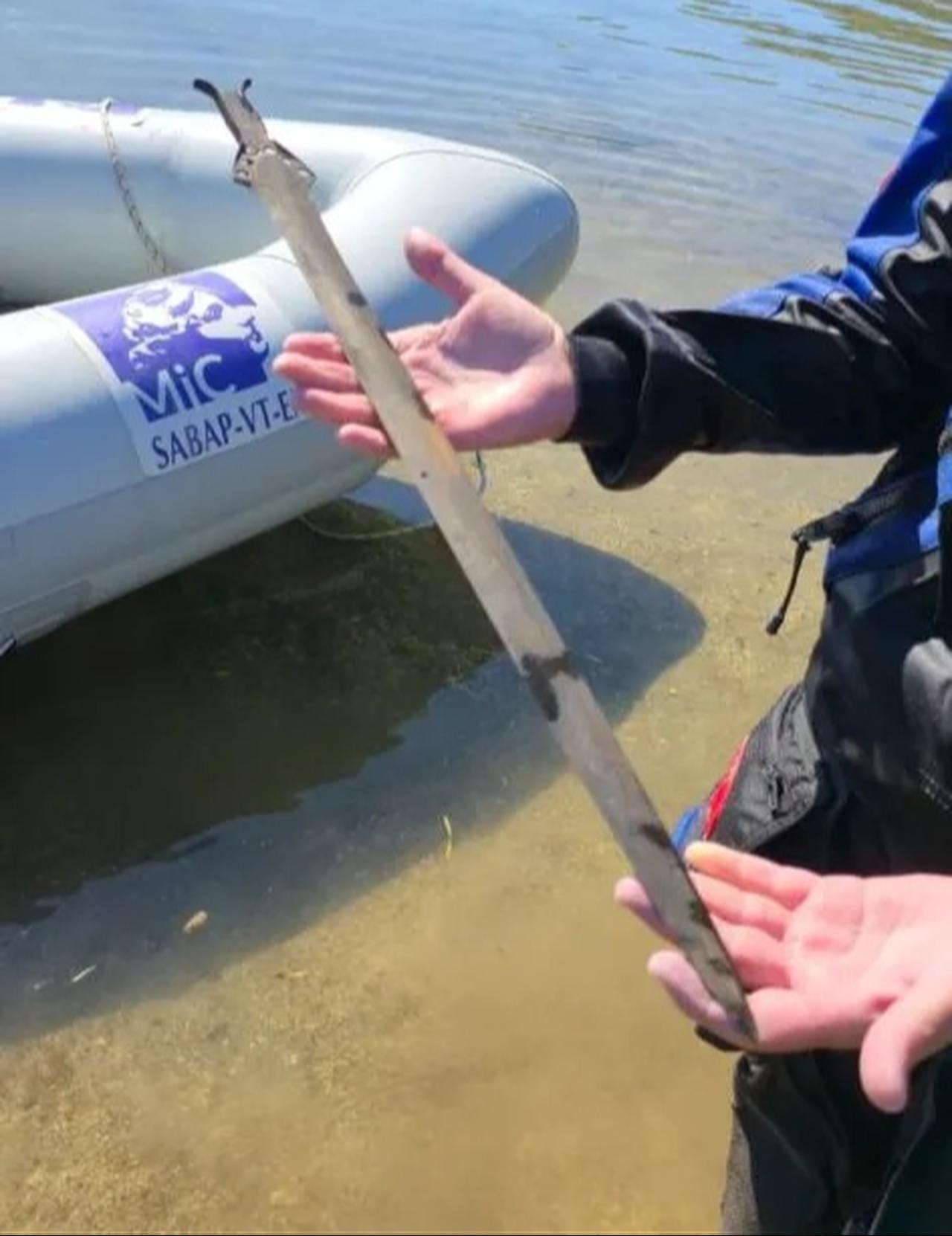

The sword and the razor lay close together. This suggests the two artifacts may have been linked to a person of high social status, such as an elite warrior.
The placement of metal weapons in a lake may also reflect a broader Bronze Age ritual practice. Live Science reported that hoards of jewelry and bent or ritually “killed” artifacts were thrown into bodies of water in several regions.
The practice continued into Etruscan times, when wells were ritually “closed” with artifacts and human sacrifices, according to Live Science.
The Etruscan civilization is conventionally dated from about the eighth century B.C., several centuries after the sword was made.
In the 13th century B.C., people in central Italy participated in trade networks that spanned the Mediterranean. The Superintendence said, “In this context, bronze weapons were not only instruments of combat, but also symbols of prestige, identity, and power.”
The sword and the other artifacts give archaeologists new information about the people who lived in prehistoric Italy long before the Romans and the Etruscans. The statement says additional research is planned in the coming years.


 Set as preferred source
 Set as preferred source



 2 min read