Newsletters


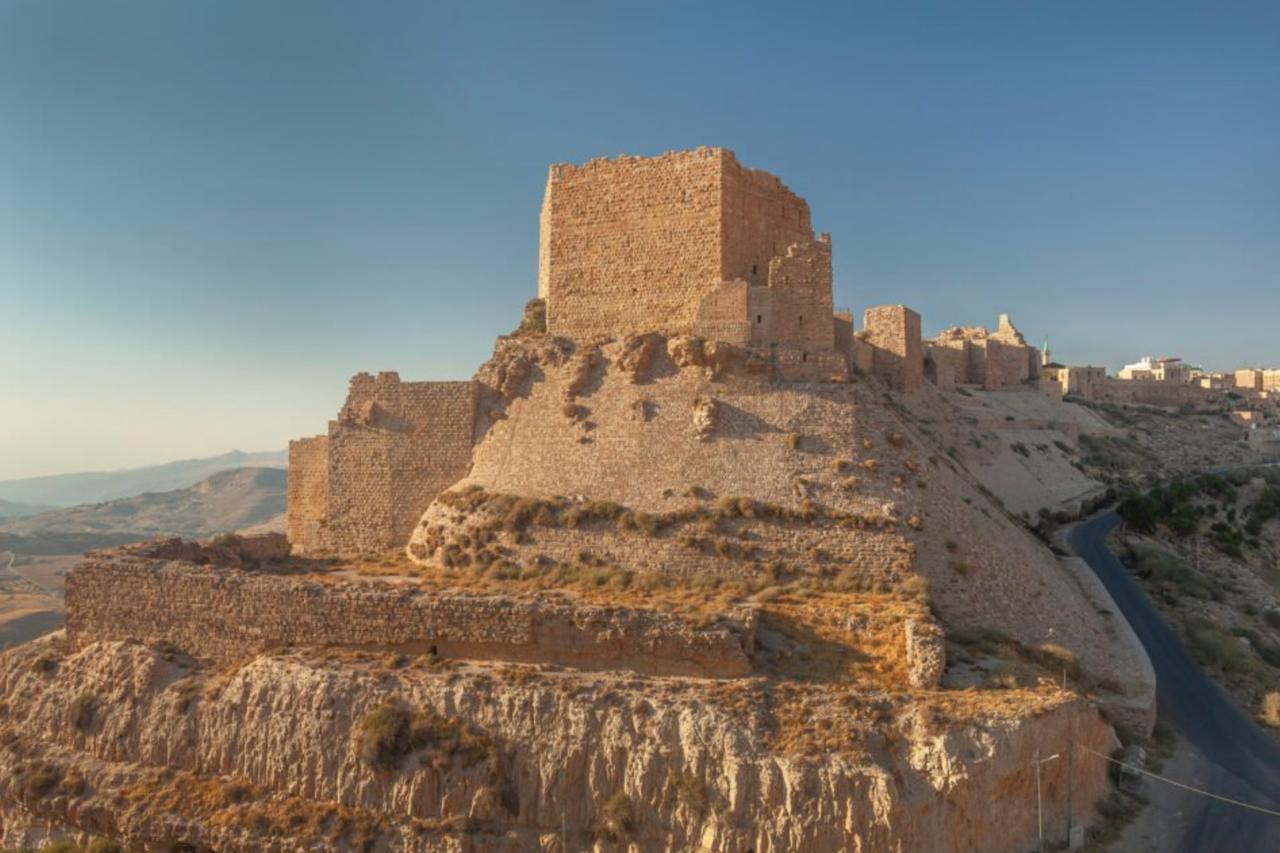


A partial collapse at Karak Castle has renewed concerns over the stability of parts of the historic site, as Jordan Museum Director Ihab Ammarin said the area’s geology, heavy rainfall and past restoration work may have contributed to weaknesses in the structure.
Ihab Ammarin, director of the Jordan Museum, said the city of Karak is among the oldest historical cities in the region, dating back to the Bronze Age and is more than 4,000 years old.
He noted that the recent partial collapse in one section of the castle has renewed attention on the fragility of some of its weaknesses and the need for urgent intervention to protect the archaeological site and ensure the safety of visitors and residents.
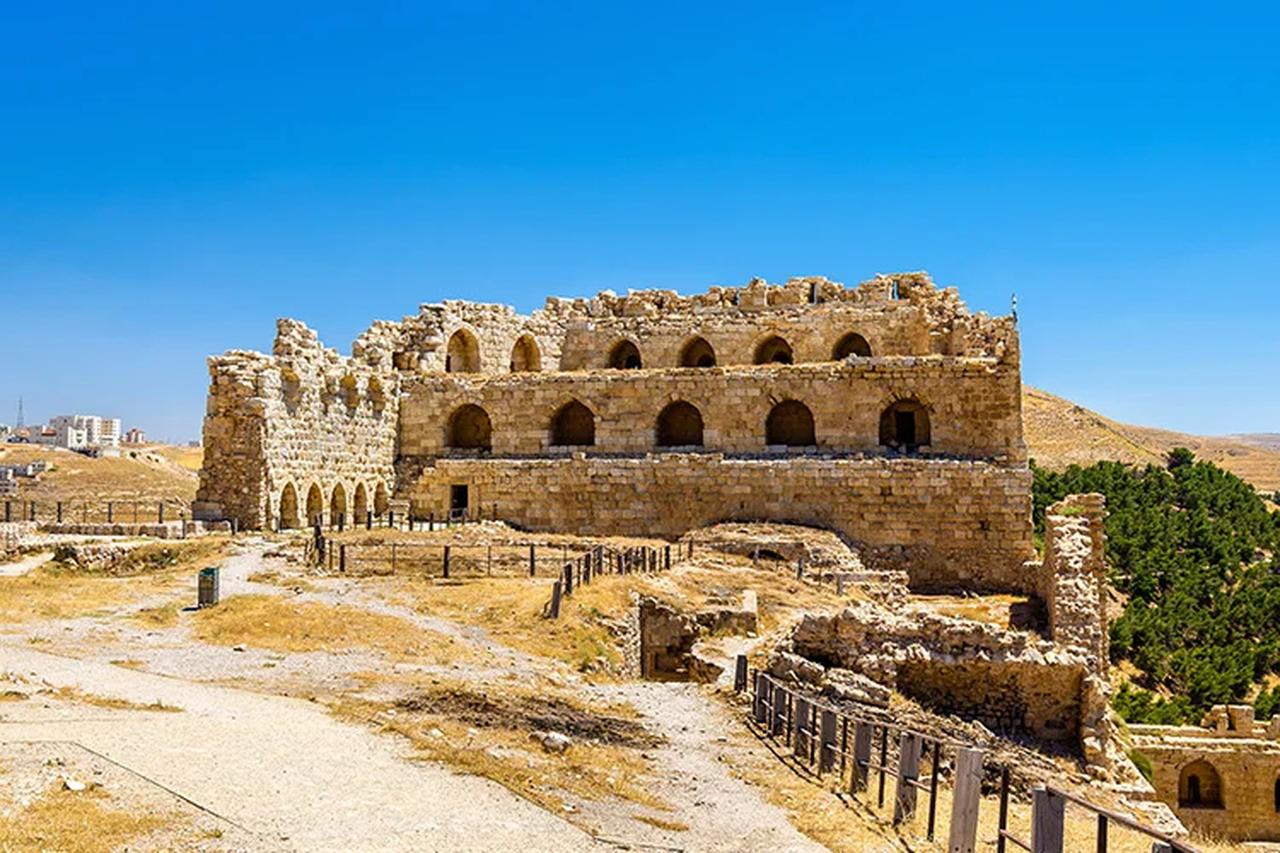

Ammarin made the remarks during an appearance on Roya TV’s “Nabd Al-Balad” program, where he offered a historical and geological reading of what happened.
He linked the incident to layers of urban development over the centuries, the nature of the area’s rocks and active fault lines, and the impact of heavy rainfall on vulnerable sections that have undergone repeated restoration work.
Ammarin explained that Karak is not merely a castle perched on a hill but a historic city that has formed part of Jordan’s collective memory for thousands of years.
He noted that the Old City once represented the entire fortress in earlier historical periods, before the castle, as it is known today, took shape through accumulations and additions across successive eras, leaving some parts as a mix of construction layers that vary in strength and cohesion.
This layering, Ammarin said, gives the castle exceptional value. At the same time, it makes preservation more complex, because a flaw in an ancient section or an inappropriate restoration can affect neighboring parts.
The director of the Jordan Museum said the location of Karak Castle was not chosen at random, but selected about 2,800 years ago because it is a fortified, strategic site overlooking the Jordan Valley and surrounding areas.
Its elevated position historically gave the castle a defensive advantage, but it also leaves the walls and foundations exposed to harsh natural forces such as erosion, water accumulation, and cracking caused by weather shifts and pressure on the rock.
In a striking explanation, Ammarin said Karak lies at the heart of what is known as the Great Rift, or the Rift Valley, which separates Asia and Africa, a geological event dating back more than 20 million years.
He stressed that the area is seismically active and that the Karak Fault runs directly beneath the castle’s walls. This means some sections sit atop naturally weaker rock layers, and that the collapse site represents the weakest point in the rock along this geological extension.
On the causes of the partial collapse, Ammarin said the pool at Karak Castle had been backfilled in an improper manner and lies adjacent to the wall where a section recently collapsed.
He noted that what gave way was not a traditional wall but a fortification wall affected by the heavy rainfall that hit Karak, along with an additional factor related to the area’s geological rock composition.
He added that this section has collapsed more than once in the past and was restored each time, suggesting the site is particularly sensitive and should be treated as a critical point requiring temporary, rapid engineering solutions followed by specialized restoration in line with archaeological standards.
Ammarin underscored the need for urgent, temporary reinforcement of the wall that has not collapsed and for restoring the cracked section.
He warned that the right side of the wall faces a real risk due to its weak structure, urging that public safety be treated as a priority to prevent further collapses that could put residents at risk.


 Set as preferred source
 Set as preferred source



 3 min read