Newsletters


Kyrgyzstan, a Central Asian nation bordering Kazakhstan, China, Tajikistan, and Uzbekistan, opened the 6th World Nomad Games in its capital, Bishkek, as part of celebrations marking the country's 35th anniversary of independence.
The opening ceremony took place at the newly built Bishkek Arena, a 51,000-seat stadium hosting the public for the first time.
The event coincided with the arrival of foreign leaders in Bishkek for the Shanghai Cooperation Organization (SCO) Council of Heads of State and the SCO Plus Summit, held under Kyrgyzstan's rotating chairmanship on September 1.
Turkish President Recep Tayyip Erdogan and his wife, Emine Erdogan, attended the ceremony from the protocol stand.
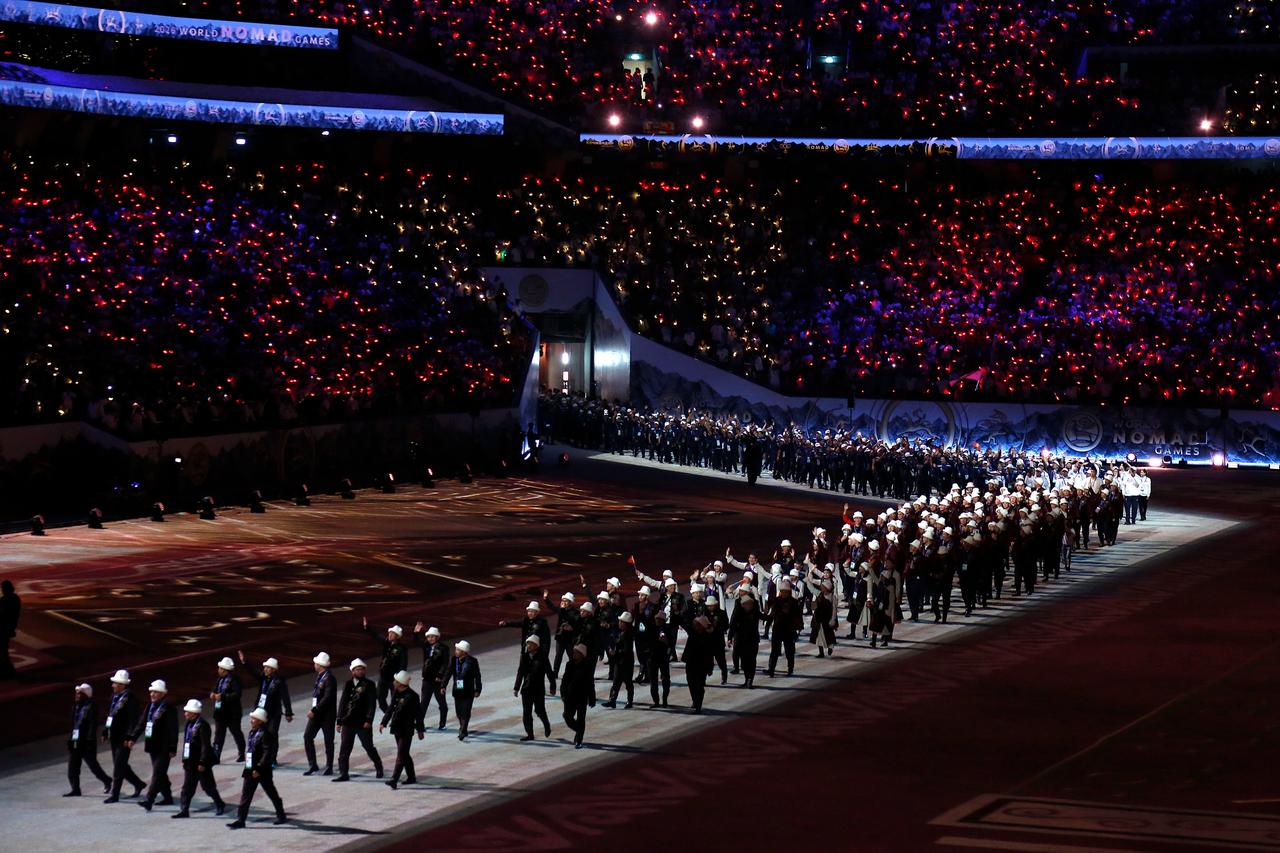

The ceremony's central symbolic segment reenacted the "unification of waters," in which water gathered over 40 days from sacred springs in the Tian Shan mountains across 40 cities was carried to the venue as part of the "Water Caravan" project.
The water was poured into a large vessel resembling a historic cauldron displayed in the city of Turkistan, Kazakhstan, symbolizing unity, peace, and cultural harmony among nations.
The event's official mascot, a snow leopard, featured in stage performances illustrating the water's journey. The ceremony included laser and fire displays and concluded with a fireworks show.
Following the Bishkek opening, competitions move to the Issyk-Kul region, a lake area in eastern Kyrgyzstan, continuing in the city of Cholpon-Ata through a closing ceremony on September 6.
International journalists covering the event described the Bishkek Arena's scale and design as notable.
Reporters from the United States, France, Russia, and Belarus commented on the stadium's blend of modern architecture with references to Kyrgyz cultural traditions, including its shape, which recalls a traditional Kyrgyz yurt (boz-uy).
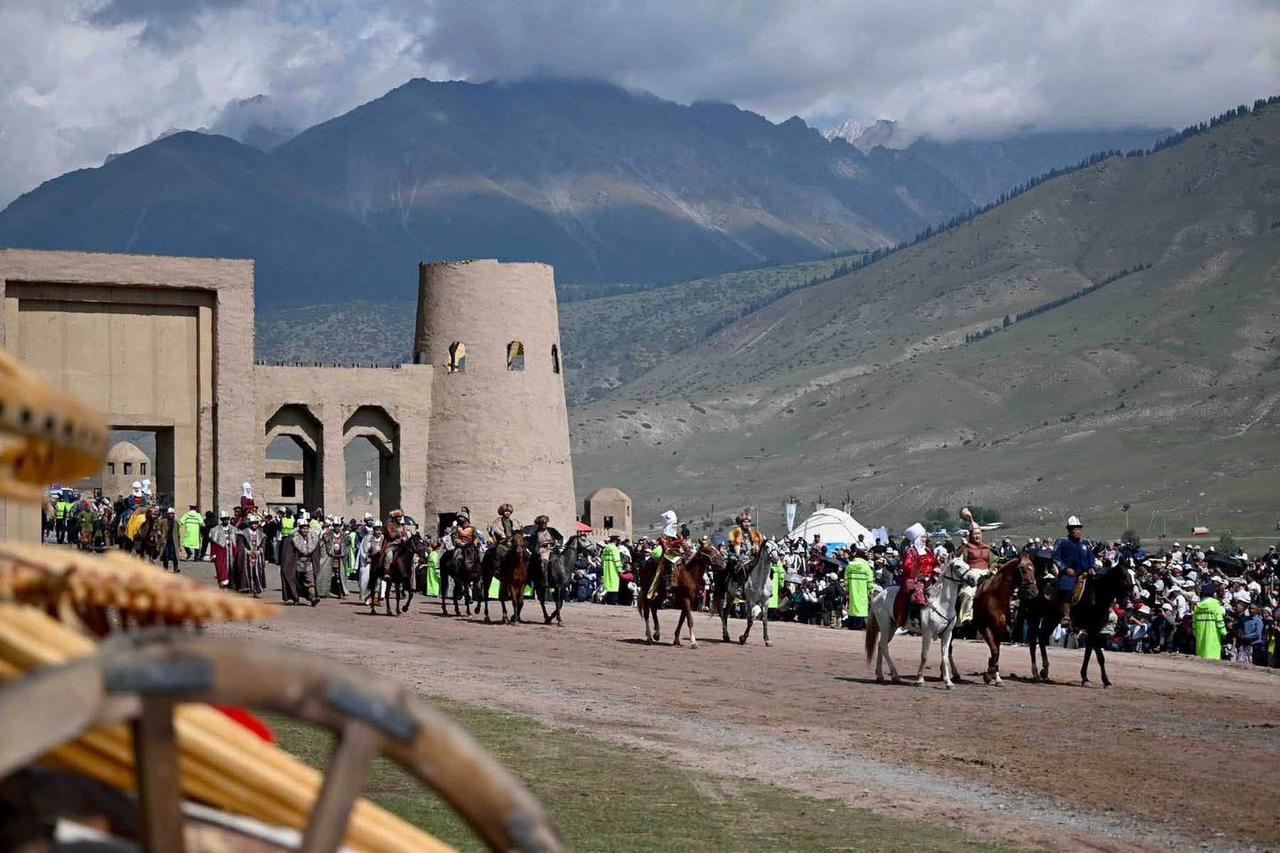
Sporting and cultural events under the games have since expanded to the Kyrchyn Plateau near Issyk-Kul, where an ethno-village called "World of Nomads: A Living Heritage" opened to the public.
Deputy Chairperson of the Cabinet of Ministers Adylbek Kasymaliyev toured the site, which features yurts built by regional and local governments nationwide.
Kasymaliyev said the opening ceremony in Bishkek combined the country's historical heritage with modern technology and noted that the games' main events are being held across eight venues in the Issyk-Kul region.
He said infrastructure built for the games, including new roads and the ethno-village itself, is expected to support long-term tourism development in the region.
The Kyrchyn ethno-village displays crafts, traditional clothing, customs, national games, music, and daily life associated with Kyrgyz culture.
Kyrgyzstan's seven regions, the cities of Bishkek and Osh, and associations representing different ethnic communities under the Assembly of People of Kyrgyzstan are presenting their own cultural exhibits at the site.
Craftspeople from across the country are showcasing handicrafts, traditional music and dance, cultural festivals, historic rituals, and national cuisine.
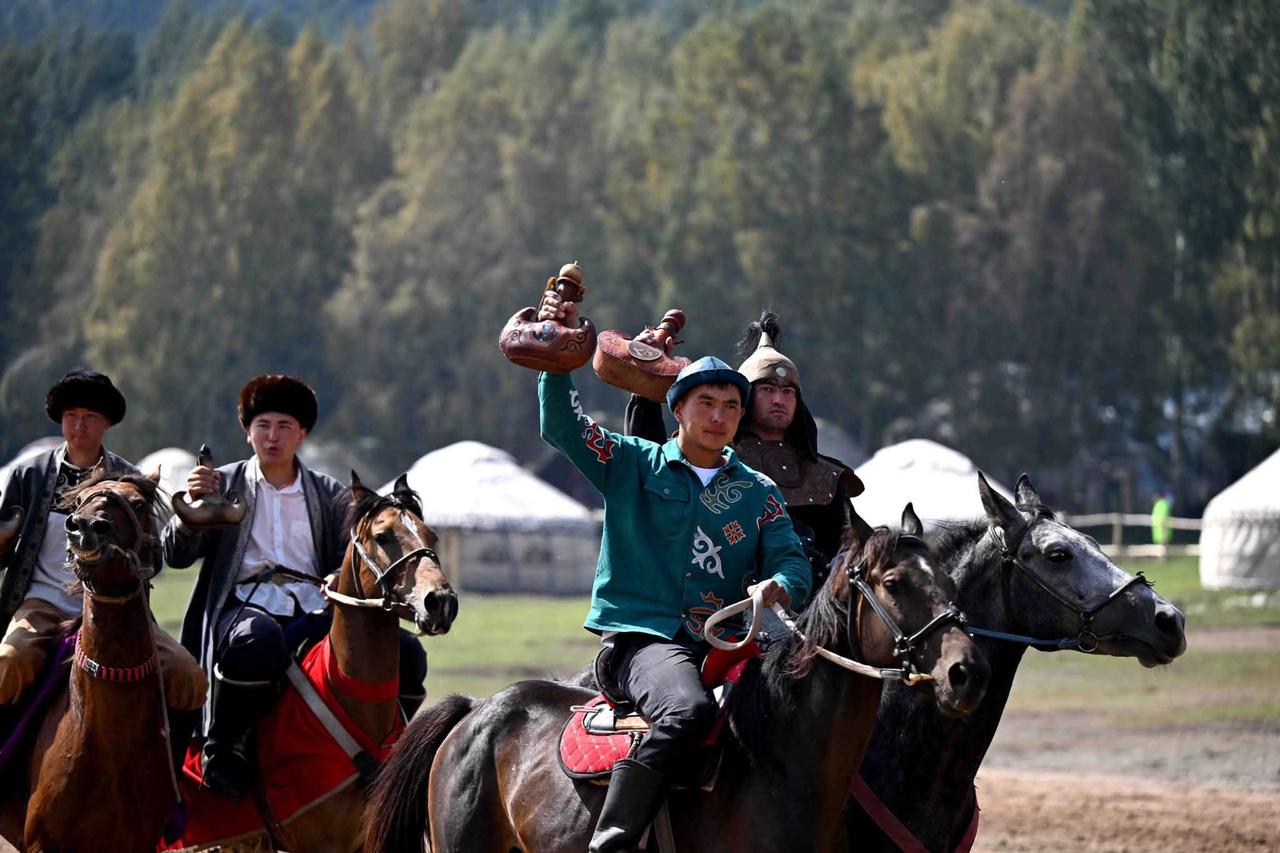
Alongside the ethno-village, the "Echo of Nomads" International Ethno-Song Festival opened at the Cholpon-Ata Hippodrome, featuring vocal artists from 49 countries.
Deputy Chairman of the Cabinet of Ministers Ulan Mamatkanov and Deputy Culture Minister Salkyn Sarnogoyeva attended the opening.
Mamatkanov said nomadic peoples' history is preserved not only in physical monuments but also in songs, legends, and music, describing Issyk-Kul as a venue that unites cultures from around the world during the games.
The 6th World Nomad Games, featuring traditional sporting competitions and cultural events, continue in Cholpon-Ata and the Kyrchyn Plateau until they close on Sept. 6.


 Set as preferred source
 Set as preferred source



 1 min read