Newsletters


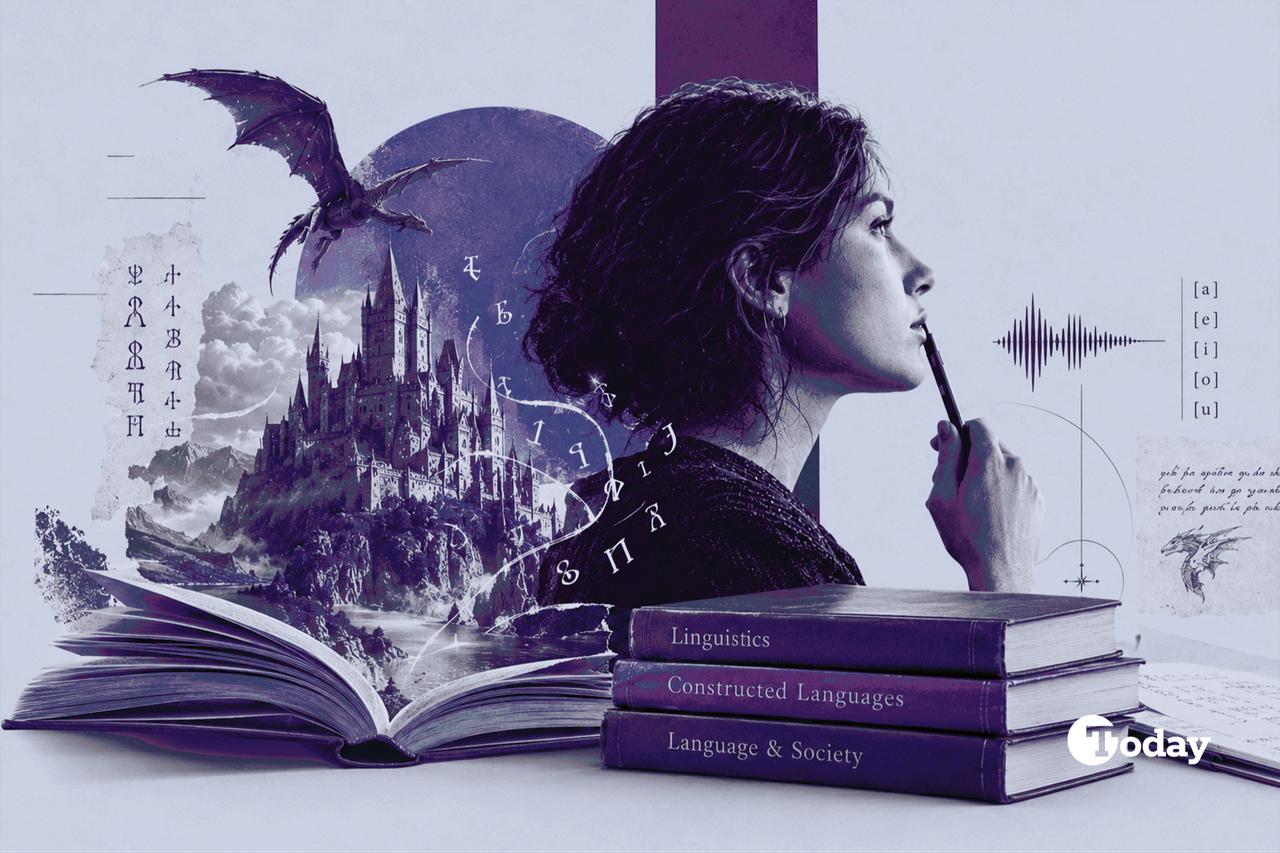


British author and linguist J.R.R. Tolkien created the languages for the Elf peoples of Middle-earth, and fans still learn and use them.
Tolkien (1892-1973) was also an Oxford professor. Middle-earth is the setting of “The Hobbit," “The Lord of the Rings,” and “The Silmarillion."
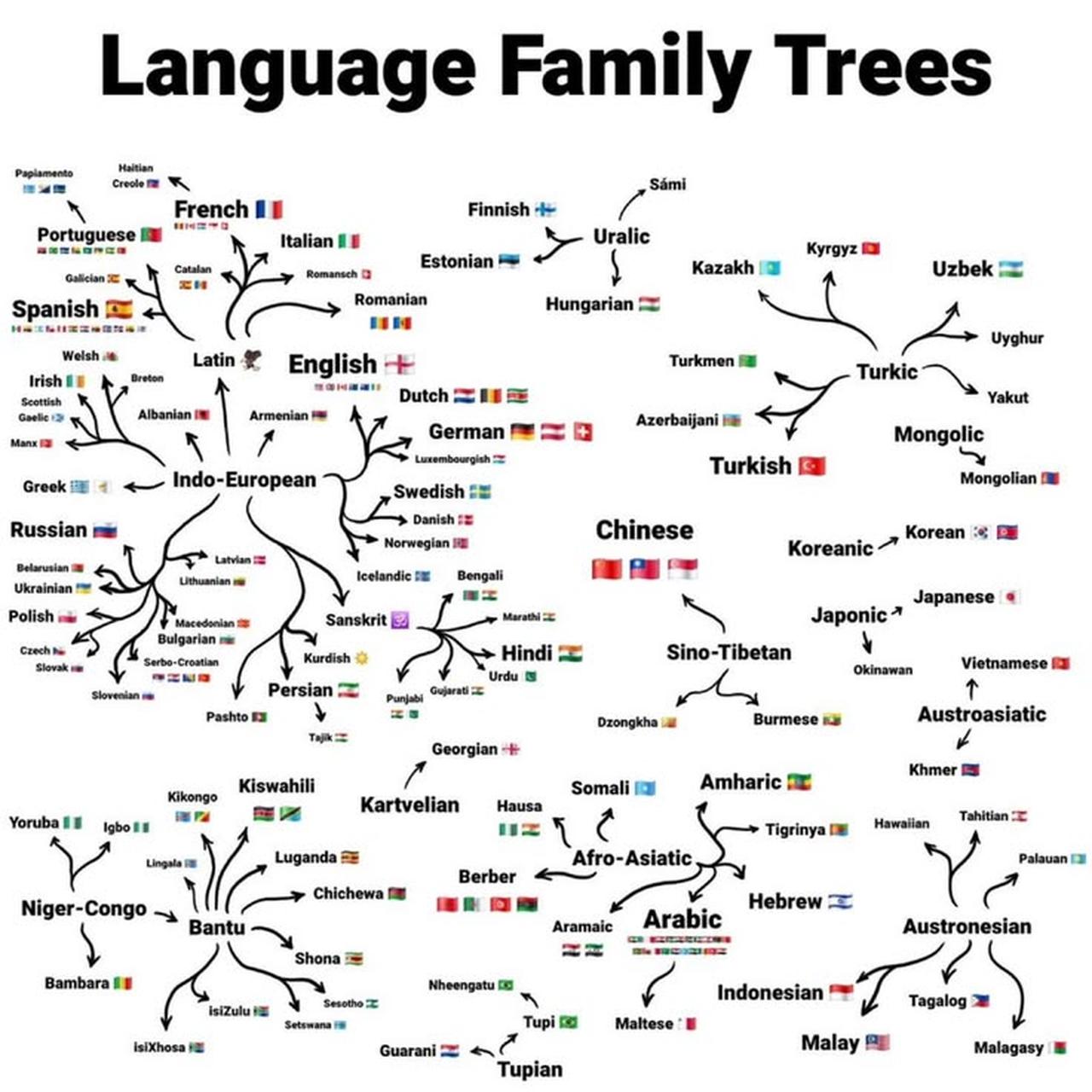
Tolkien worked on grammar, vocabulary, sound systems, and how languages change over time, designing the Elf languages as tongues that share a root but diverged with time.
Among the most detailed language systems built for a fictional world, they reflect the history, culture and geography of the Elf peoples and include Quenya and Sindarin.
Quenya was designed as an older, ceremonial language associated with Elves living in Valinor.
Sindarin was meant to be the more widely used language among Elves in Middle-earth. Finnish and Latin influenced Quenya's sound and structure, while Welsh influenced Sindarin.
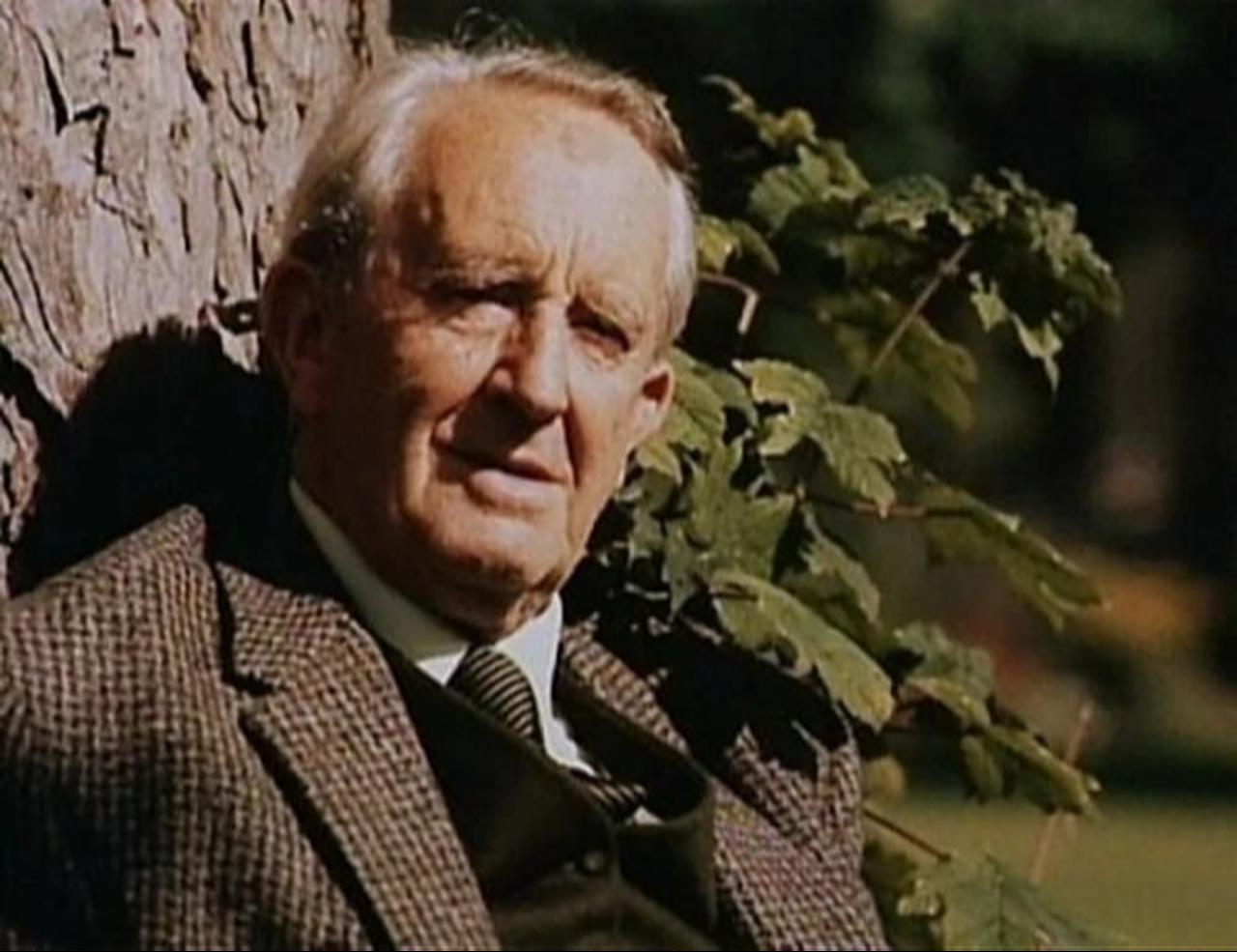

Norwegian author and philologist Helge Kare Fauskanger said in an interview that his interest began in his teens.
He borrowed “The Lord of the Rings” from a local library and was drawn to the “Elf alphabet” on the title page and the information in the third volume. He began studying the subject before reading the novel.
Fauskanger said Christopher Tolkien, the author’s son, began publishing the multi-volume “History of Middle-earth” series before the 1990s, focusing on stories rather than linguistic writings.
He described the 1987 publication of a document titled “Etymologies” in “The Lost Road” as a stroke of luck for linguists.
“This document alone vastly expanded the known Elvish vocabulary by offering linguists thousands of words to analyze,” he said.
Fauskanger said Tolkien first outlined a “primitive” Elvish language, then developed it in many directions through lists of sound changes affecting each branch.
Many Elves were later invited to Valinor, the “holy land” beyond the Western Ocean, where Quenya developed. Those who stayed in Middle-earth developed related but distinct forms.
“The most prominent is Sindarin. It is a form of Elvish with a Celtic sound that Tolkien based on Welsh, which he found very beautiful, like Finnish.
Most names in ‘The Lord of the Rings’ derive from Sindarin, such as Aragorn, Galadriel, Minas Tirith, Mordor and Gondor,” Fauskanger said.
After “tragic” events in Valinor, many Elves returned to Middle-earth and brought Quenya with them. They mostly adopted Sindarin for daily use, while Quenya survived as the “prestigious language” of knowledge and rituals.
Fauskanger said Tolkien’s ideas about Elvish kept changing, so each document should be treated as a “snapshot” of how the author saw the language at the time.
“We have a mixture of pieces from countless puzzles, because Tolkien kept exploring various ideas over decades,” he said.
He said the language has no fixed rules, although some linguists have tried to develop “standardized” forms of Quenya.
A dedicated student with a linguistics background could grasp the basic grammar within a week, but memorizing the vocabulary takes longer. He also noted “strange” gaps in the vocabulary.
“To give just one example, there is a word for rat but not for mouse. No doubt some gaps will be filled by future publications,” he said.
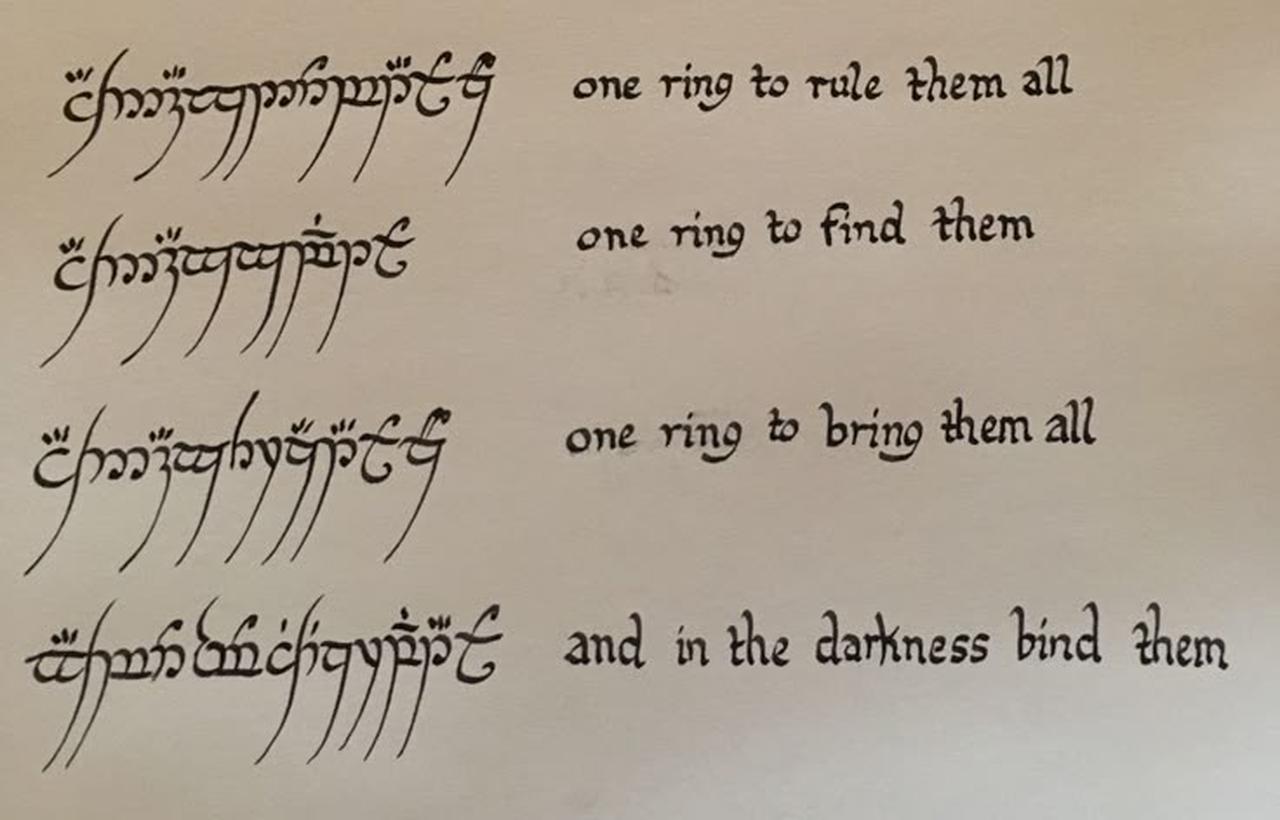
Fauskanger noted that some communities still use Quenya to communicate. They often try to translate phrases for tattoos and ring inscriptions or share poems and short texts.
“Almost everyone who joins such forums is a fan of Tolkien’s legendary universe. The sound structure of the Elf languages and the look of the Elf alphabet are an integral part of the overall aesthetic of Tolkien’s fictional world,” he said.


 Set as preferred source
 Set as preferred source


 1 min read

 1 min read