Newsletters


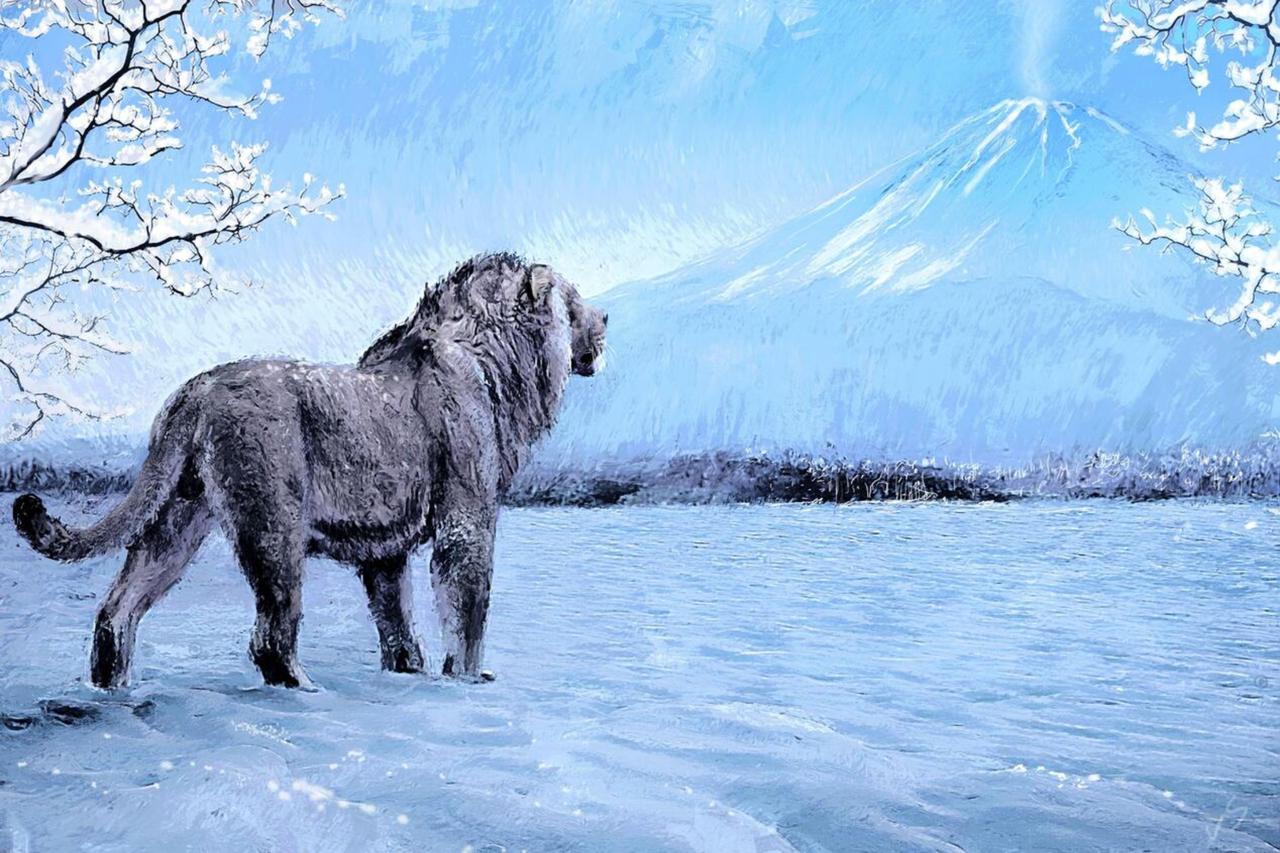


Lions lived across parts of Japan tens of thousands of years ago, according to researchers who re-identified fossils long believed to be tiger remains as belonging to an extinct lion lineage known as cave lions.
The study, published in the Proceedings of the National Academy of Sciences (PNAS), reported that DNA and protein testing on Japanese subfossils previously attributed to tigers instead matched cave lions, Kyodo News said Sunday.
Researchers gathered organic material from 26 subfossils found across Japan. From these, they compared mitochondrial DNA (genetic material passed down through the mother), nuclear DNA (DNA in the cell nucleus), and proteins from five samples against global reference data and concluded that all the tested material belonged to cave lions.
“Our findings challenge the long-held view that tigers once took refuge in Japan, showing instead that cave lions were widespread in northeast Asia during this period,” said researchers from institutions including the Graduate University for Advanced Studies and Peking University.

The study said lions left Africa about 1 million years ago and spread through Eurasia, later reaching Japan between 73,000 and 38,000 years ago. Researchers linked that arrival window to lower sea levels, which they said connected the Japanese archipelago to the Eurasian continent.
Fossil evidence from Yamaguchi Prefecture was cited as indicating that cave lions made it into western Japan.
The researchers noted that humans arrived in Japan around 40,000 to 35,000 years ago, while cave lions likely died out about 10,000 years ago.
Takumi Tsutaya, an assistant professor at the Graduate University for Advanced Studies, said, “The findings are significant in terms of studying the interaction between lions and tigers and their influence on ecosystems.”
Large feline fossils have been uncovered across Japan, ranging from Aomori Prefecture in the north to Oita Prefecture farther south.
They were widely assumed to be tiger remains, a view researchers said had been shaped in part by Japan’s warm, humid climate.


 Set as preferred source
 Set as preferred source



 3 min read