Newsletters


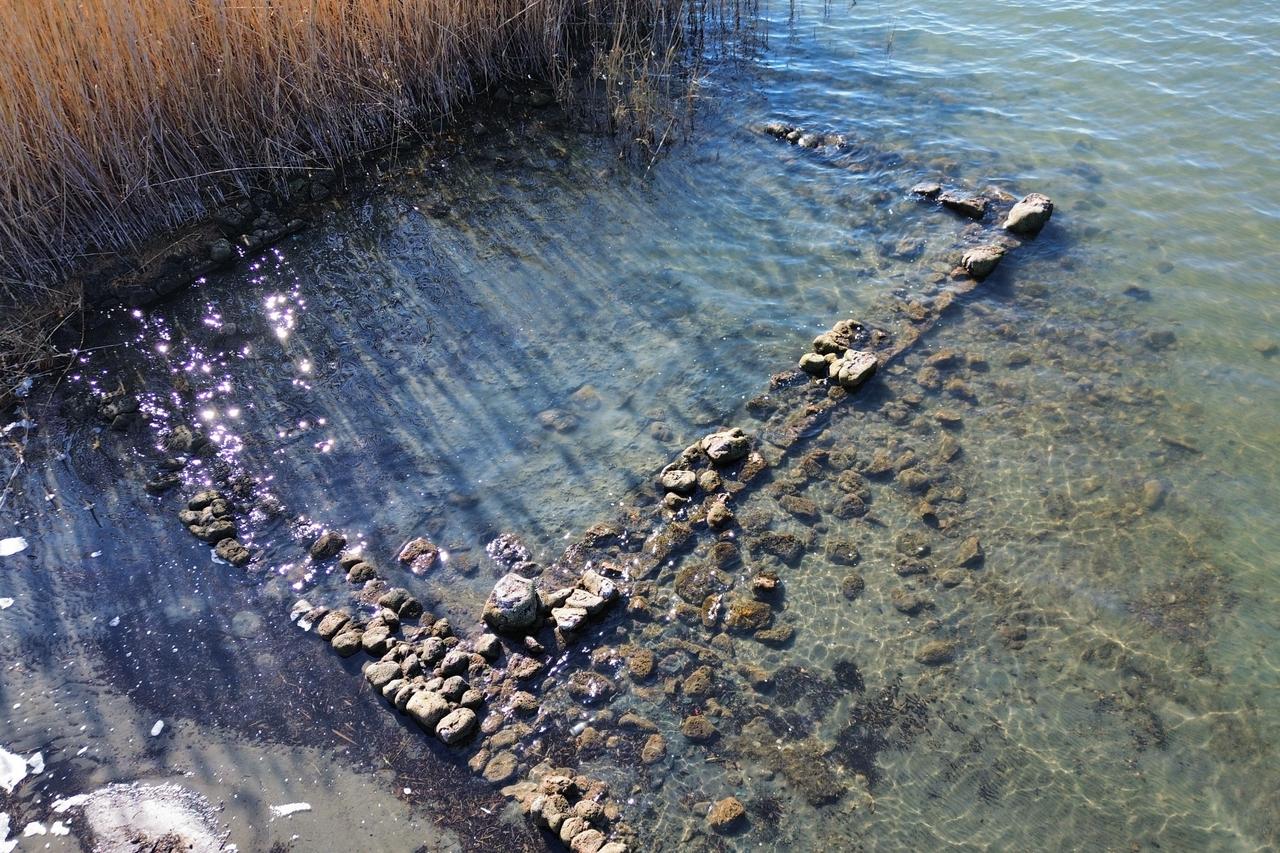


A drop in water levels caused by worsening drought in Iznik (ancient Nicaea), Bursa, northwestern Türkiye, has brought new archaeological remains to the surface in Lake Iznik, where drone footage has revealed what experts believe could be a second submerged basilica close to the shoreline.
The newly visible structure appeared near the site of the well-known underwater basilica discovered in the lake in 2014. That earlier discovery gained international attention and was visited about two months ago by Pope Leo XIV. Now, with water continuing to recede, another large structure believed to have religious origins has come into view.
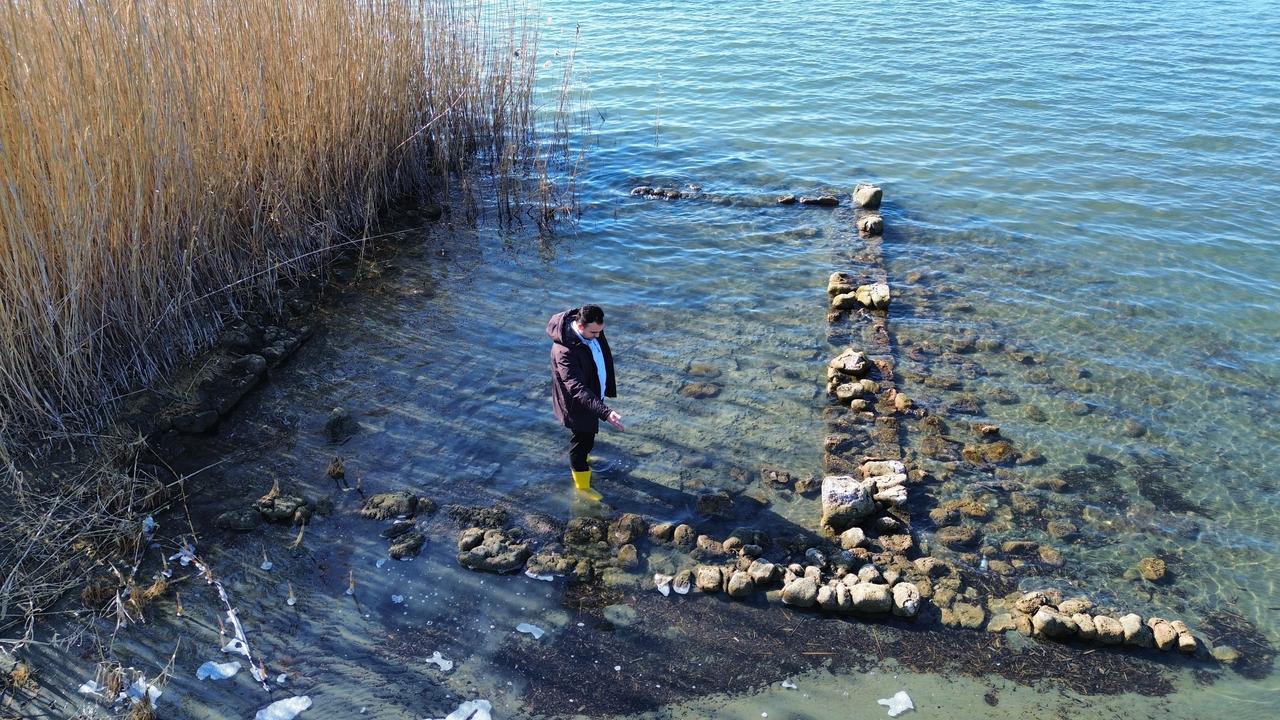

The remains became visible as the water level in Lake Iznik dropped further, exposing structural outlines that had previously remained hidden under the lake. Aerial footage showed the structure situated very close to the beach along the Iznik shoreline.
The team operating the drone reportedly noticed the remains during filming and immediately recognized the significance of the formation visible from the air. The shape and layout of the ruins quickly attracted attention once the footage was examined.
Authorities had already recognized the archaeological value of the location. According to available information, the area was officially declared a first-degree archaeological protected site in 2017 by the local Museum Directorate.
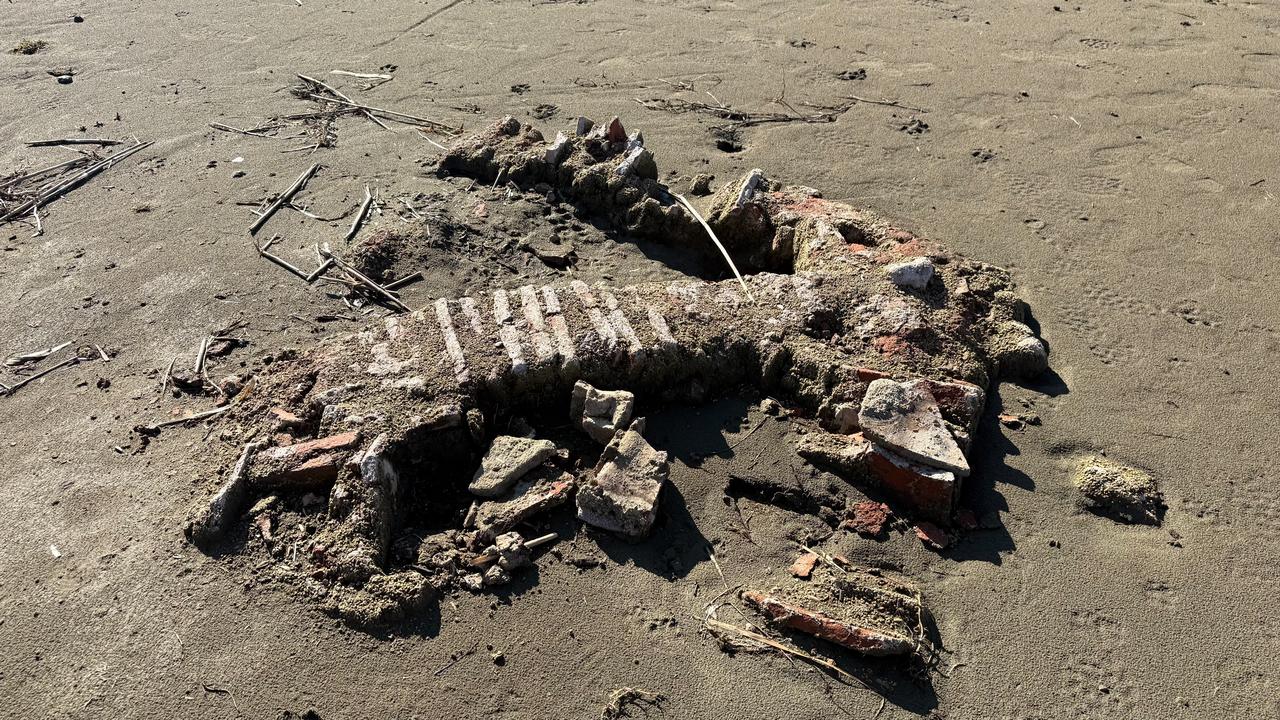
Taylan Sevil, former director of the Iznik Museum, evaluated the newly visible remains and indicated that the structure may belong to a religious building, possibly another basilica.
In early Christian architecture, a basilica refers to a large rectangular church building that served as a major place of worship during the Roman and Byzantine periods.
Sevil explained that the layout and scale of the remains strengthen the possibility that the structure was a substantial religious building. He also pointed out that the ruins lie close to the previously discovered basilica in the lake.
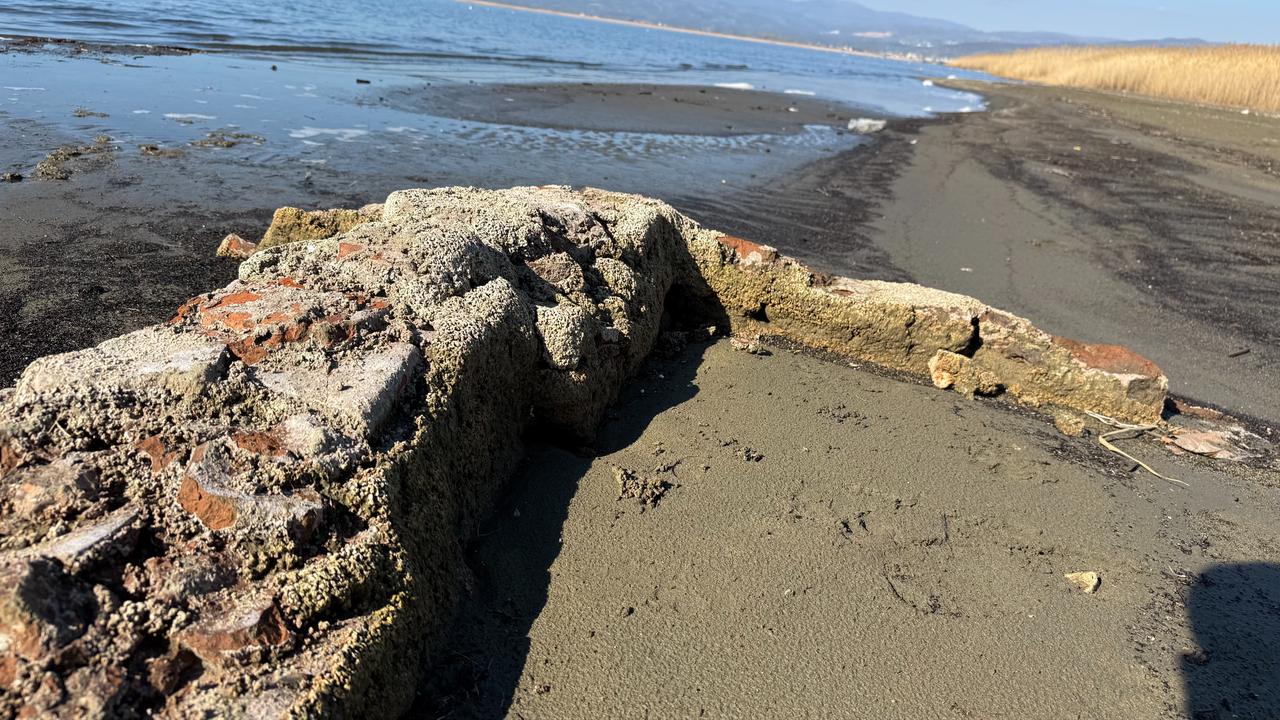
According to Sevil, geological and historical research suggests that large earthquakes recorded in the region in 1045 and 1065 A.D. may have caused land collapse that pushed the structure beneath the water.
Scientific studies conducted in the area, including analyses carried out in London, have supported the presence of seismic activity that could have triggered subsidence around the lake.
Sevil suggested that the ruins may once have stood on land that later sank into the lake after earthquake-related collapses. He noted that the plan and measurements of the visible structure appear consistent with a large-scale building.
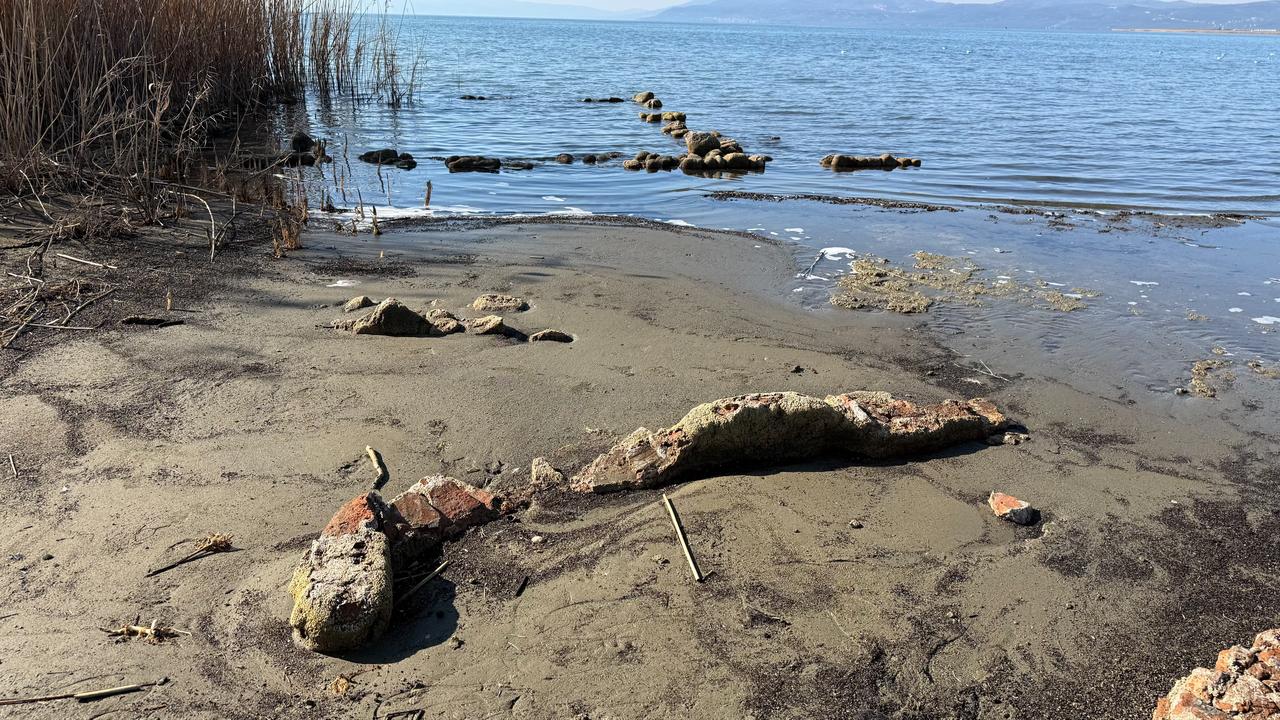
The area where the remains surfaced was historically active during the Roman and Byzantine periods and lay close to ancient harbor structures along the lake.
Experts say the location’s proximity to these ancient ports strengthens the importance of the site within the broader historical landscape of Iznik, known in antiquity as Nicaea, a major center in early Christian history.
Researchers emphasize that archaeological excavation and scientific analysis will be necessary to confirm whether the newly revealed structure is indeed a second basilica.


 Set as preferred source
 Set as preferred source


 3 min read