Newsletters




The headless bronze statue of Roman Emperor Marcus Aurelius has returned to Türkiye after over 60 years. Its repatriation was made possible by a scientific breakthrough and collaboration with two U.S. federal agencies.
The life-sized sculpture, which dates to the second or third century A.D., was looted in the 1960s from Bubon, an ancient city in the rugged hills near Türkiye’s southwestern Antalya province.
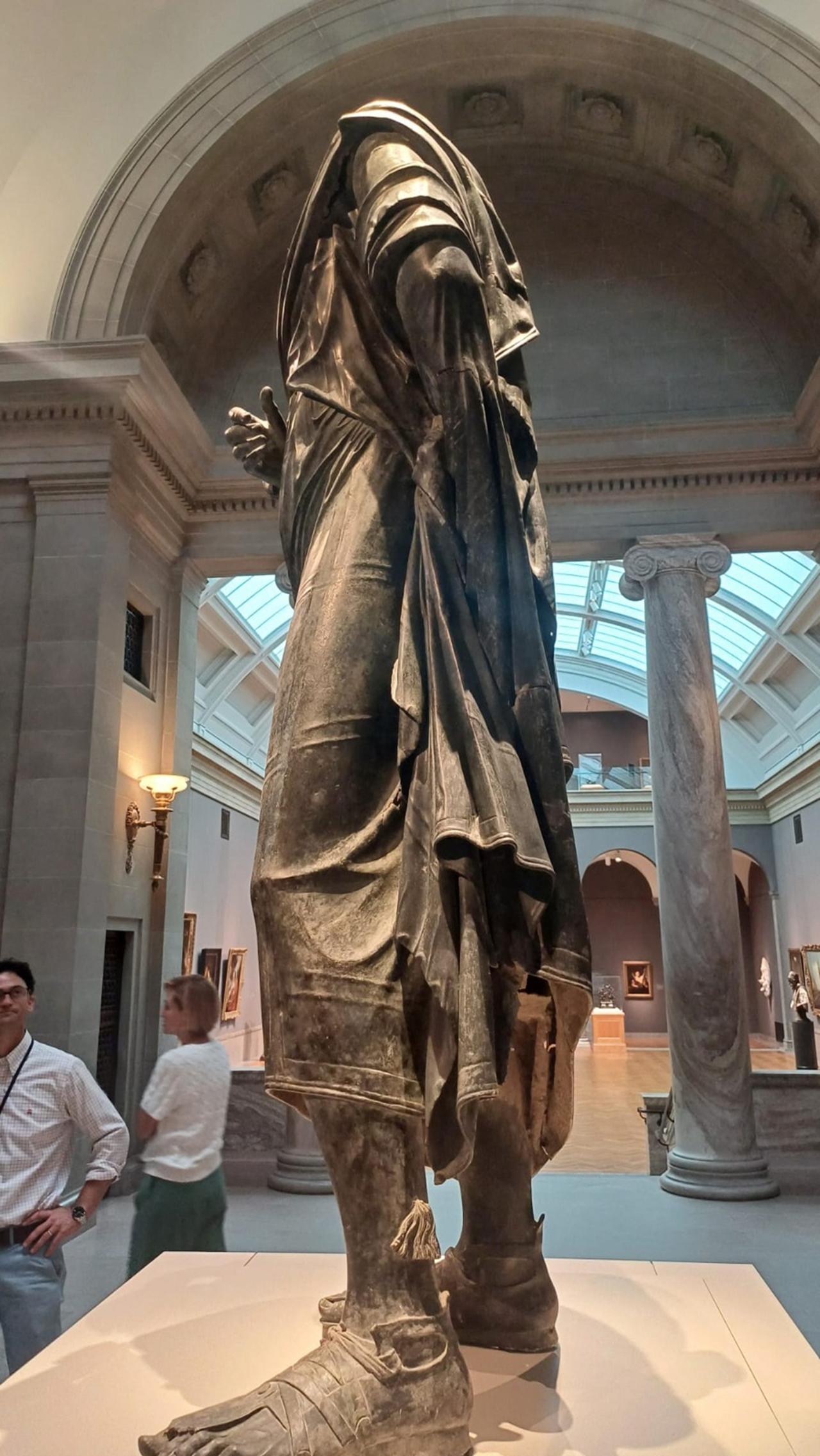
It eventually made its way into the collection of the Cleveland Museum of Art in Ohio, where it remained for years as Türkiye’s reclamation efforts were delayed by the museum’s claims that its provenance was unproven.
The issue was resolved when Professor Ernst Pernicka, an archaeometrist, stated that there was “no doubt whatsoever” the statue originated from Bubon, the site of an imperial temple that once displayed bronze statues of Roman emperors. Soil and lead isotope samples collected from the site matched the statue’s composition, providing definitive scientific evidence.
“It was a long struggle. We were determined and patient, and we won,” Culture Minister Mehmet Nuri Ersoy said when the statue returned in July.
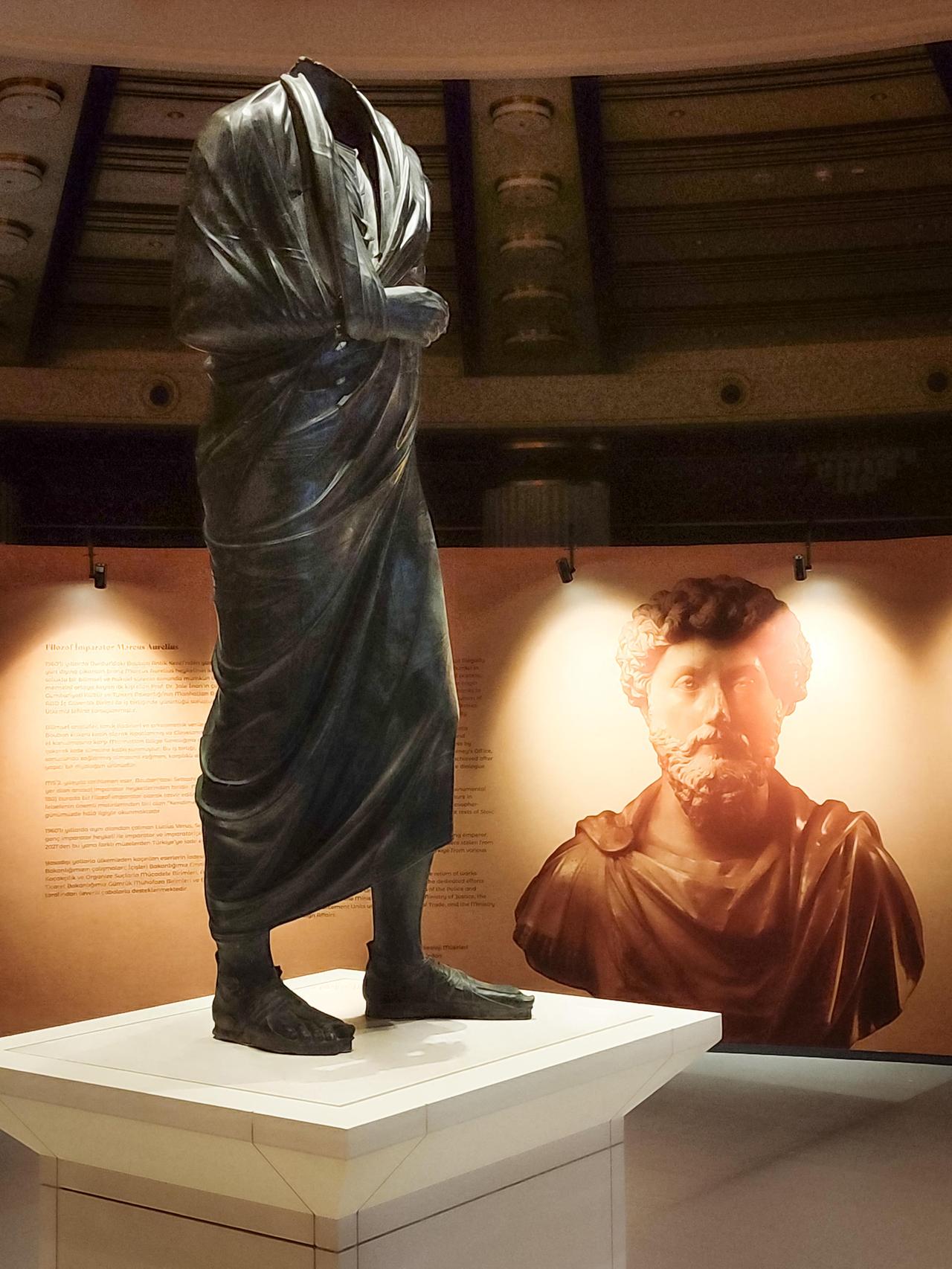

Although Bubon is not among Türkiye’s most visited ancient cities, it is significant in Roman history. The city was a center of the imperial cult in the Lycian region and holds a rare collection of bronze emperor portraits, a medium that has largely disappeared from antiquity.
“In antiquity, bronze was a valuable raw material routinely melted down for weapons, coins, or everyday objects,” said Zeynep Boz, director of Türkiye’s department for combating the illicit trafficking of cultural property. “For this reason, bronze statues of this scale have rarely been preserved until today.”
The survival of the Marcus Aurelius bronze makes it especially valuable, and its illegal removal further harmed the site’s historical integrity.
The breakthrough resulted from combining traditional investigative methods with modern science. Researchers collected statements from elderly witnesses who remembered the statue’s removal in the 1960s, while laboratory analysis of soil and lead samples from Bubon provided the scientific evidence that Pernicka later confirmed.
The repatriation required cooperation from the U.S. Department of Homeland Security and the Manhattan District Attorney’s Office, both of which are now key partners in Türkiye’s expanding efforts to recover illegally exported antiquities.
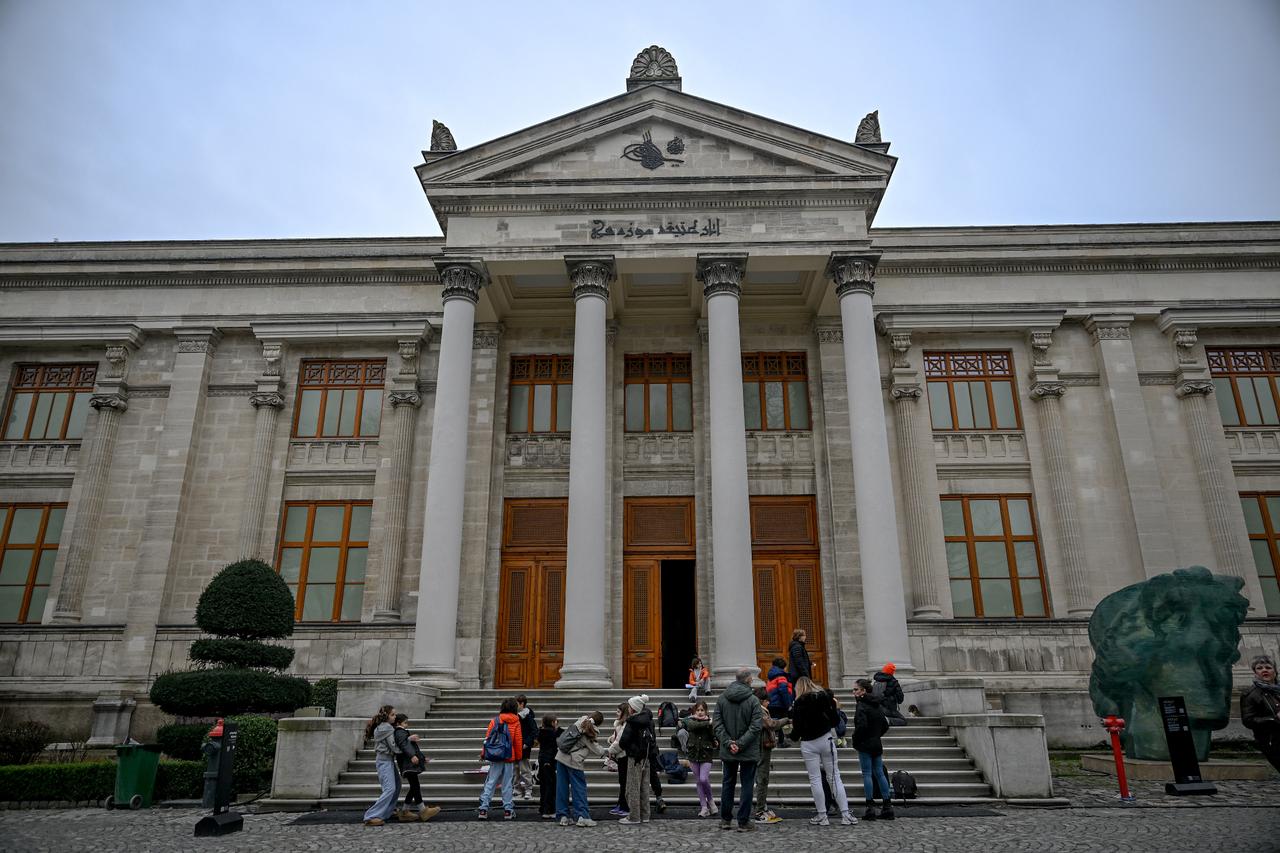
“I clearly remember when the computer finally processed the data, and we saw the match come together. It was an exciting moment,” Boz told Agence France-Presse (AFP) at Istanbul’s archaeology museum.
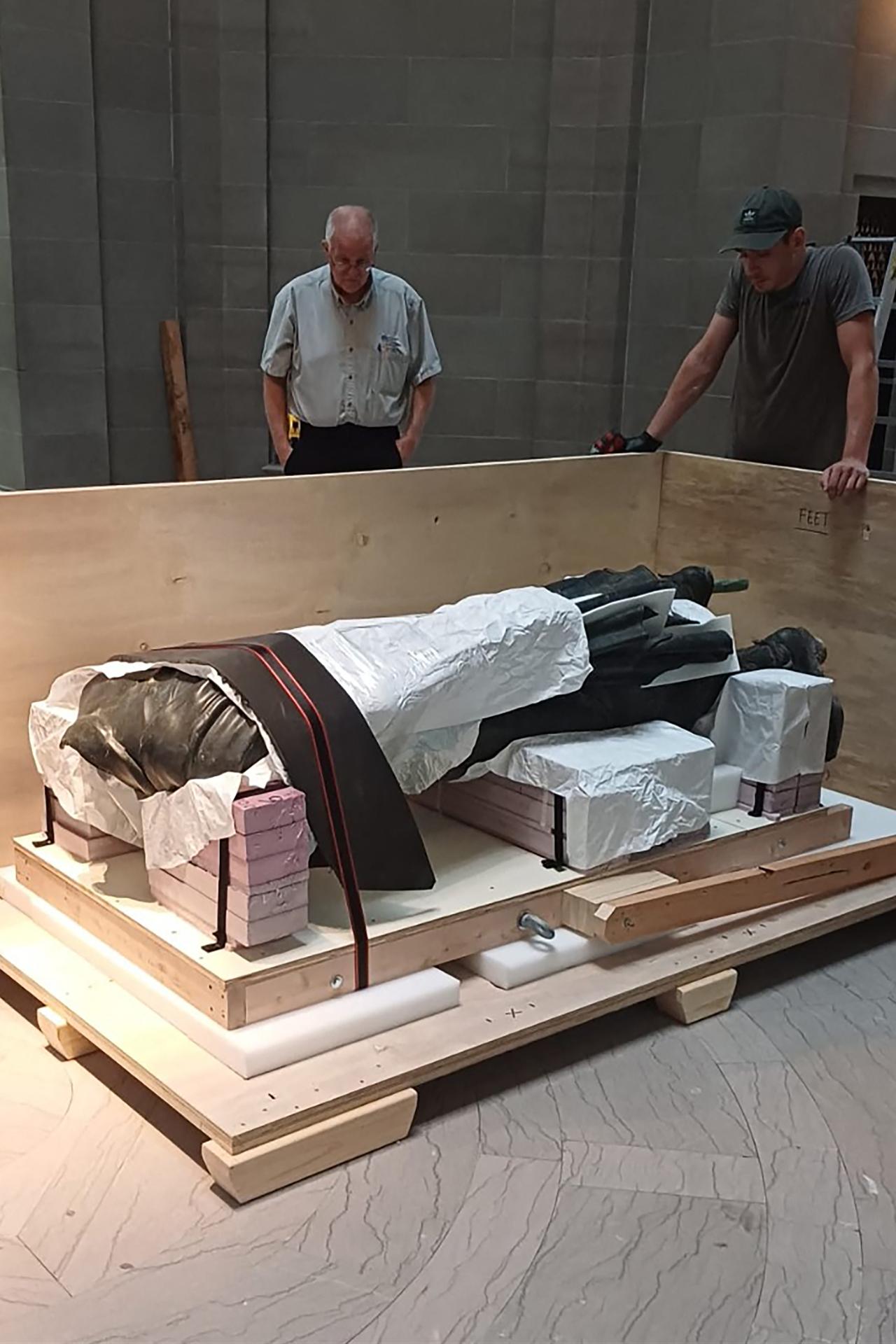
The statue’s return is part of a broader initiative that has accelerated in recent years. In 2025, Türkiye secured the repatriation of 180 cultural artifacts from institutions and governments worldwide.
A new AI-powered tool, TraceART, began operating in 2025 to scan auction platforms, sales websites, and social media for potentially trafficked objects of Turkish origin.
Although not used in the Bubon case, it has already helped identify Iznik tiles recovered from Britain and hundreds of other objects flagged for expert review.
The Marcus Aurelius bronze is currently held at Istanbul’s archaeology museum, where Boz and her team work. Its permanent location, or whether it will return to the Antalya region where it was unearthed, has not yet been announced.
Türkiye’s list of outstanding claims continues to grow. Authorities are seeking the return of an ancient marble torso known as the “Old Fisherman” from Berlin, as well as dozens of 16th-century Iznik tiles held at the Louvre in Paris.
These tiles were removed from the tomb of Ottoman Sultan Selim II in the late 19th century and replaced with replicas.
“There’s an assumption that artefacts taken in the 18th-19th centuries were acquired legally,” Boz said. “We don’t share that view.”


 Set as preferred source
 Set as preferred source



 1 min read