

 Newsletters


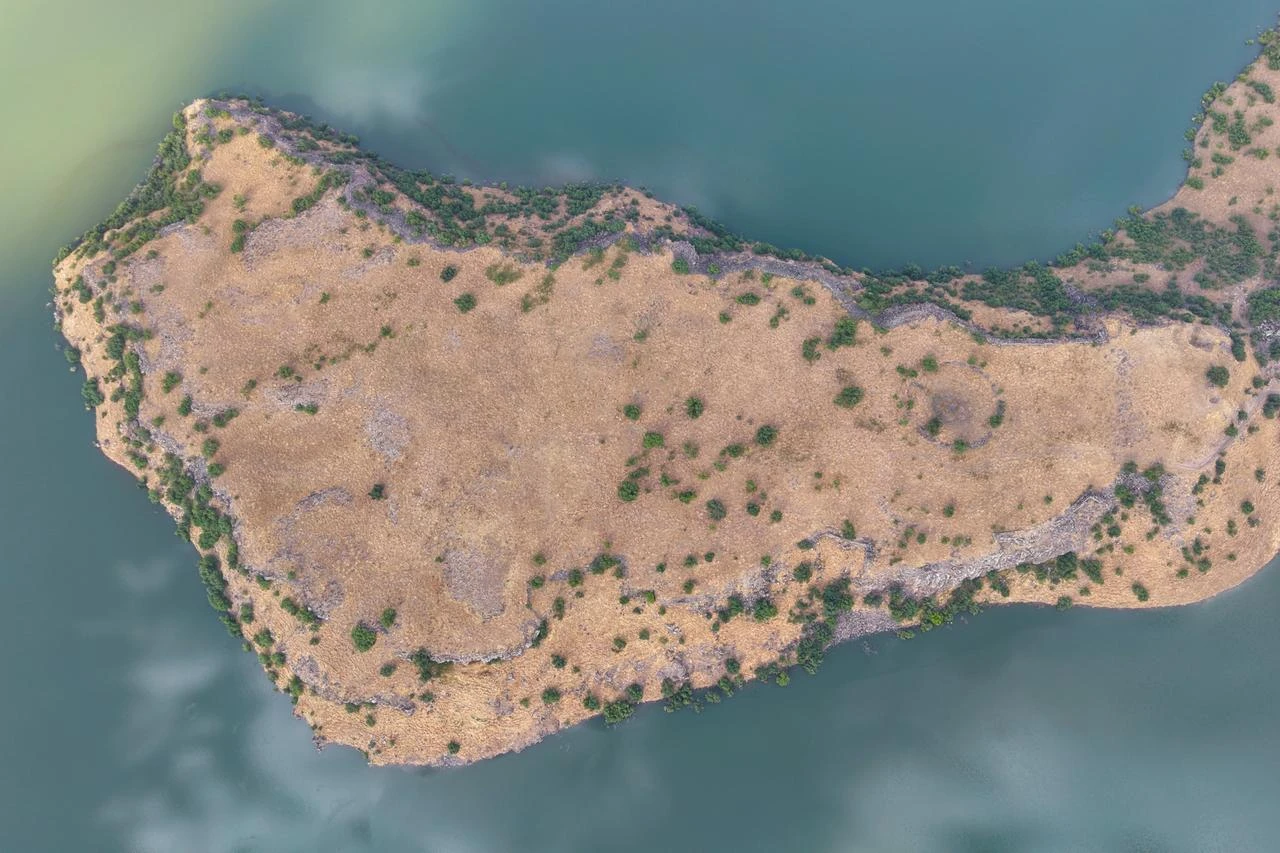


A vast fortress covering around 120,000 square meters, roughly the size of 17 football fields, has been discovered in Türkiye's eastern Mus province, with its architectural features pointing to the early period of the Urartian civilization.
Archaeologist Melik Mirbey Omeroglu located the site within the boundaries of Mescidli village after satellite imagery revealed structural traces that did not match the surrounding natural landscape.
Field inspections later showed that the anomalies formed part of a large fortified settlement surrounded by about 1.4 kilometers of defensive walls.

Omeroglu said the discovery process began with an examination of satellite data, where researchers picked out unusual formations that appeared different from natural geological features.
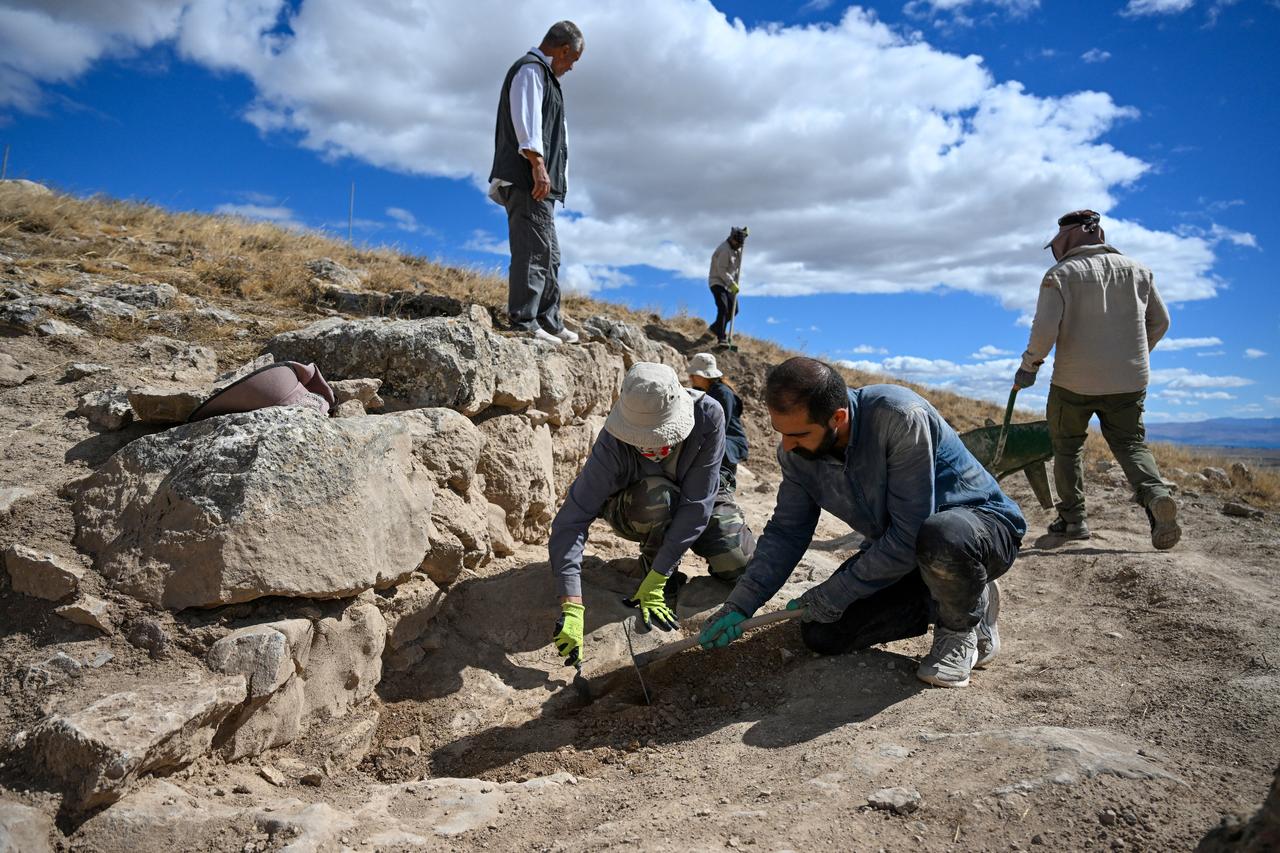
After traveling to the site, they determined that the traces belonged to surviving sections of fortress walls, bringing the scale of what Omeroglu described as the "Dev Kale," or "Giant Fortress," into view.
Following the identification, an application was submitted to the Van Cultural Heritage Preservation Regional Board to have the site officially registered and protected.
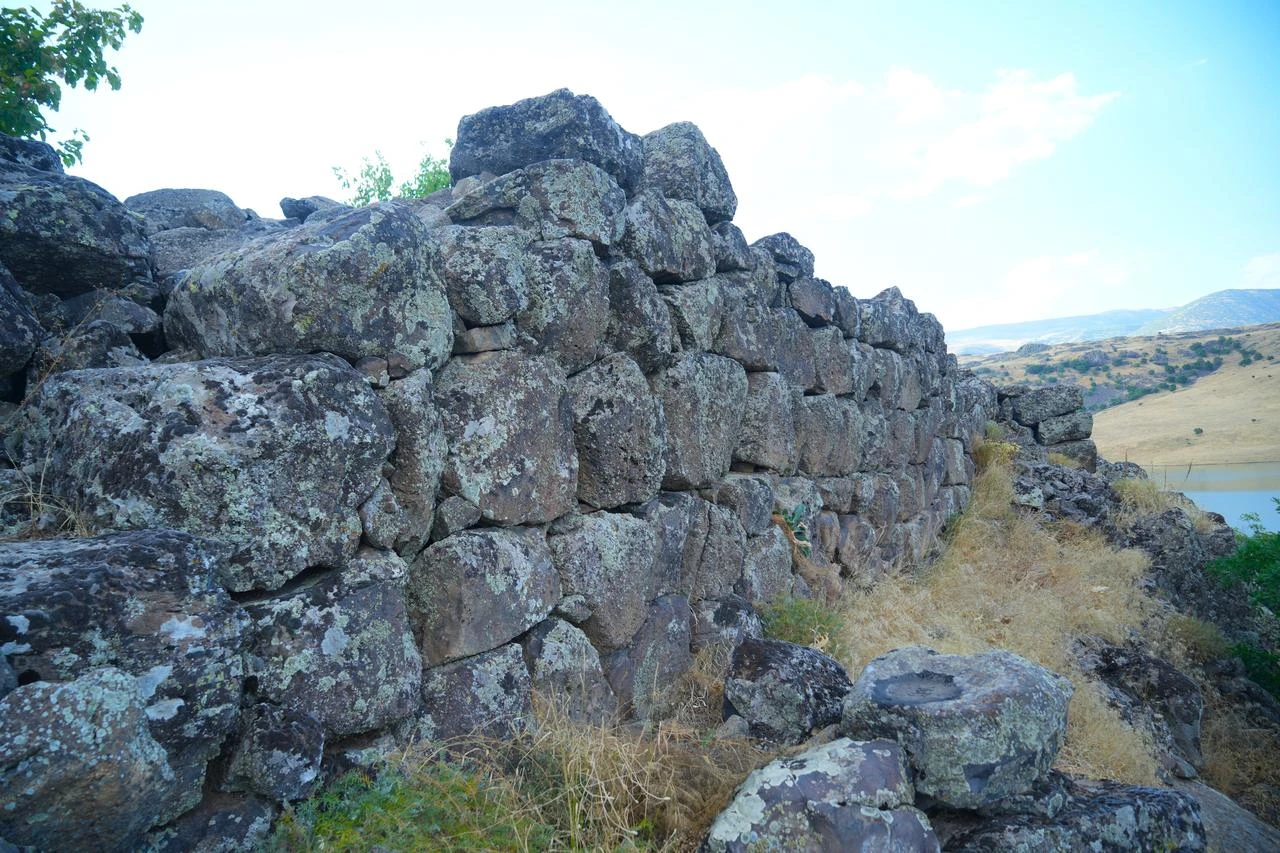
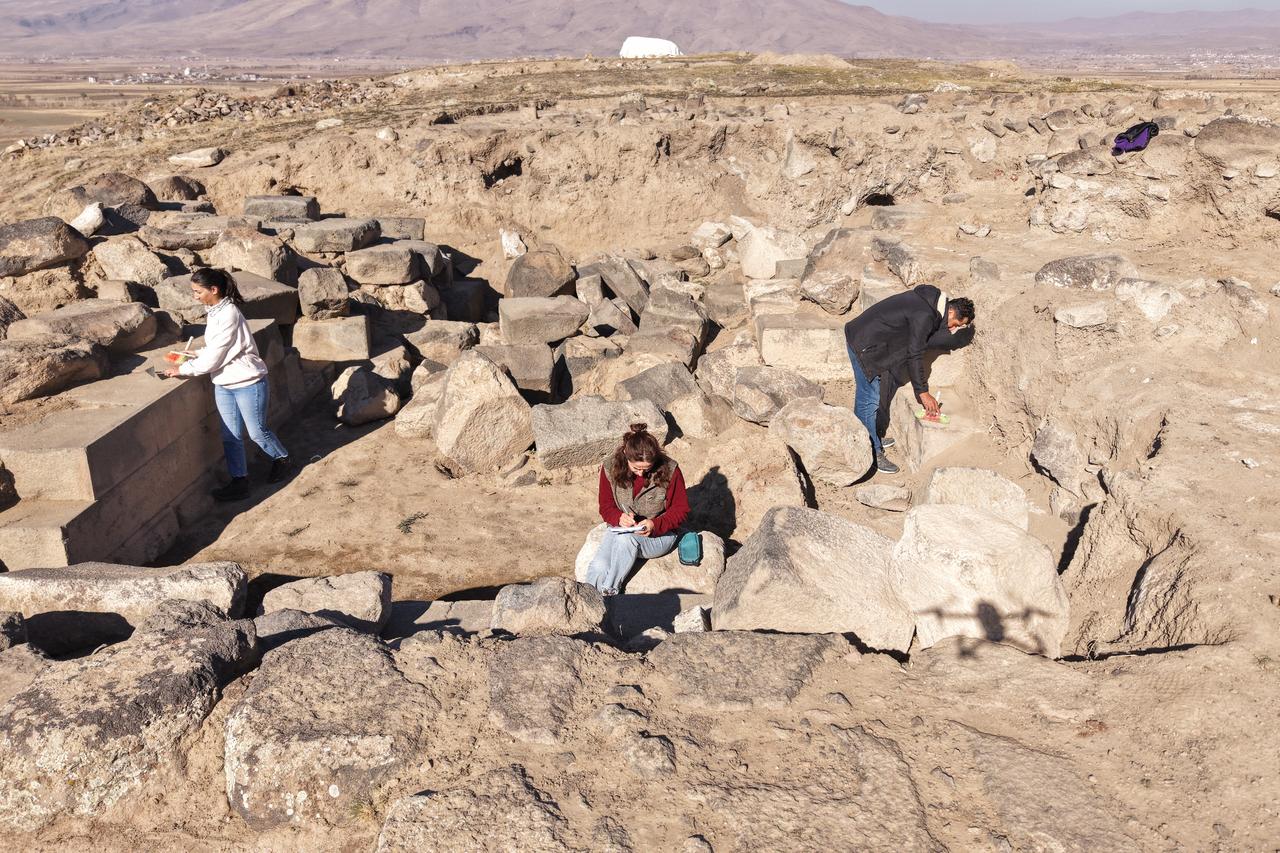
The fortress was built using cyclopean and polygonal masonry, construction techniques in which large, irregularly shaped stones are fitted together to form monumental walls.
According to Omeroglu, these architectural characteristics resemble Early Iron Age fortresses including Asagi Anzaf in Van and Zivistan Fortress in Van's Edremit district.
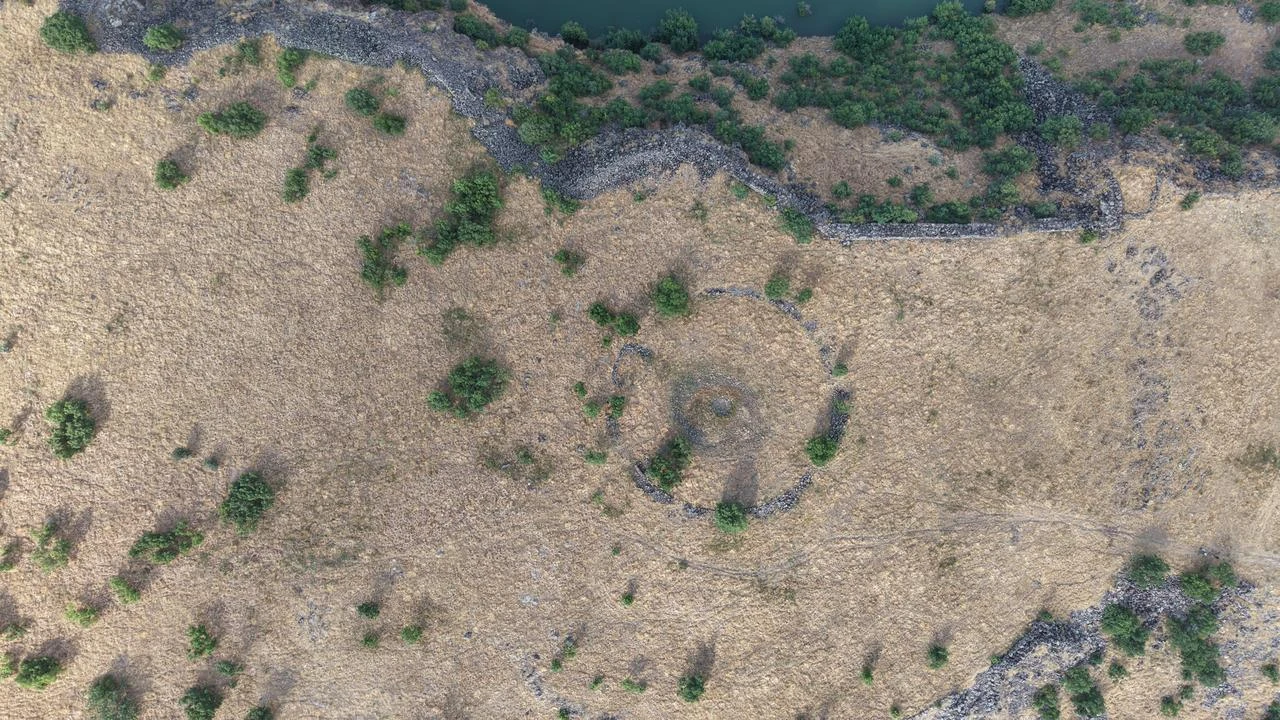
The surviving walls rise to around 2 meters on the inner side and up to 4 meters on the exterior. Traces of structures can also be made out in the northern section of the fortress, while the southern area contains a circular depression built with smaller stones that may have been used to meet the settlement's water needs.
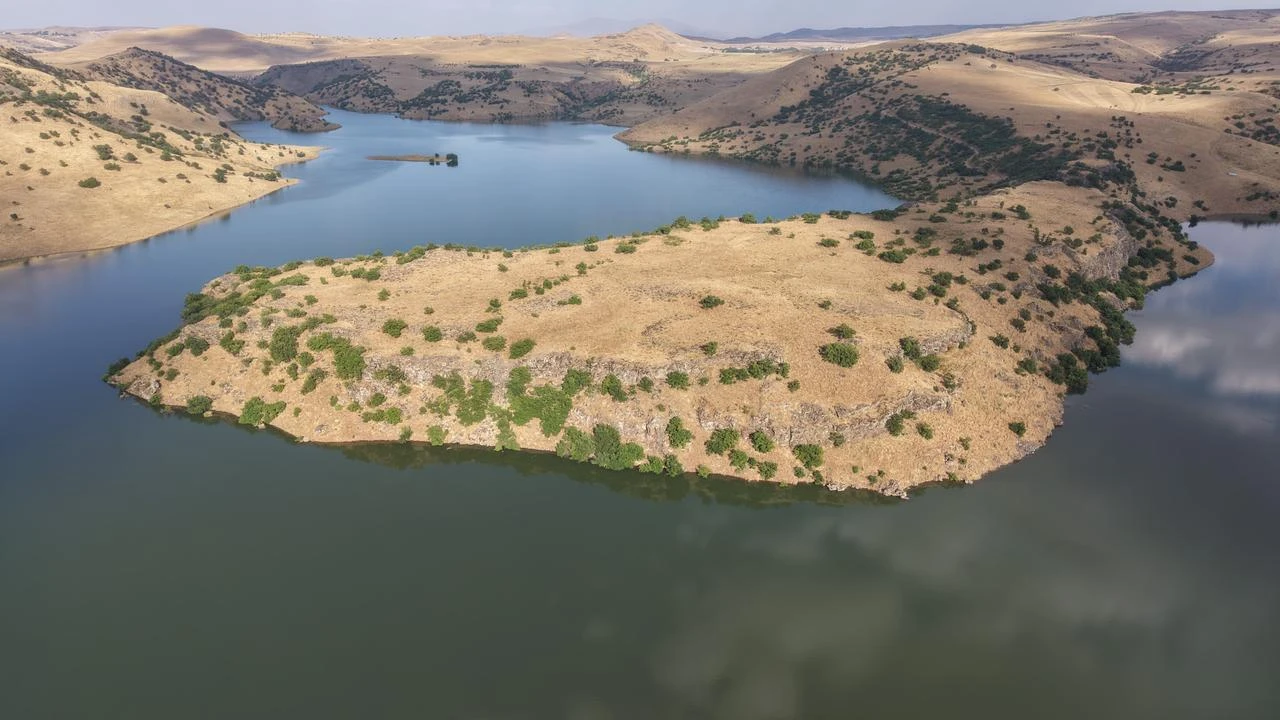
Omeroglu described the site as the largest fortress identified in Mus so far and one of the relatively few large-scale fortifications documented within the historical geography of Urartu.
Its location is particularly significant because it lies along the route associated with the Urartian Kingdom's westward expansion and near the historic Urartian road network.
 1 min read
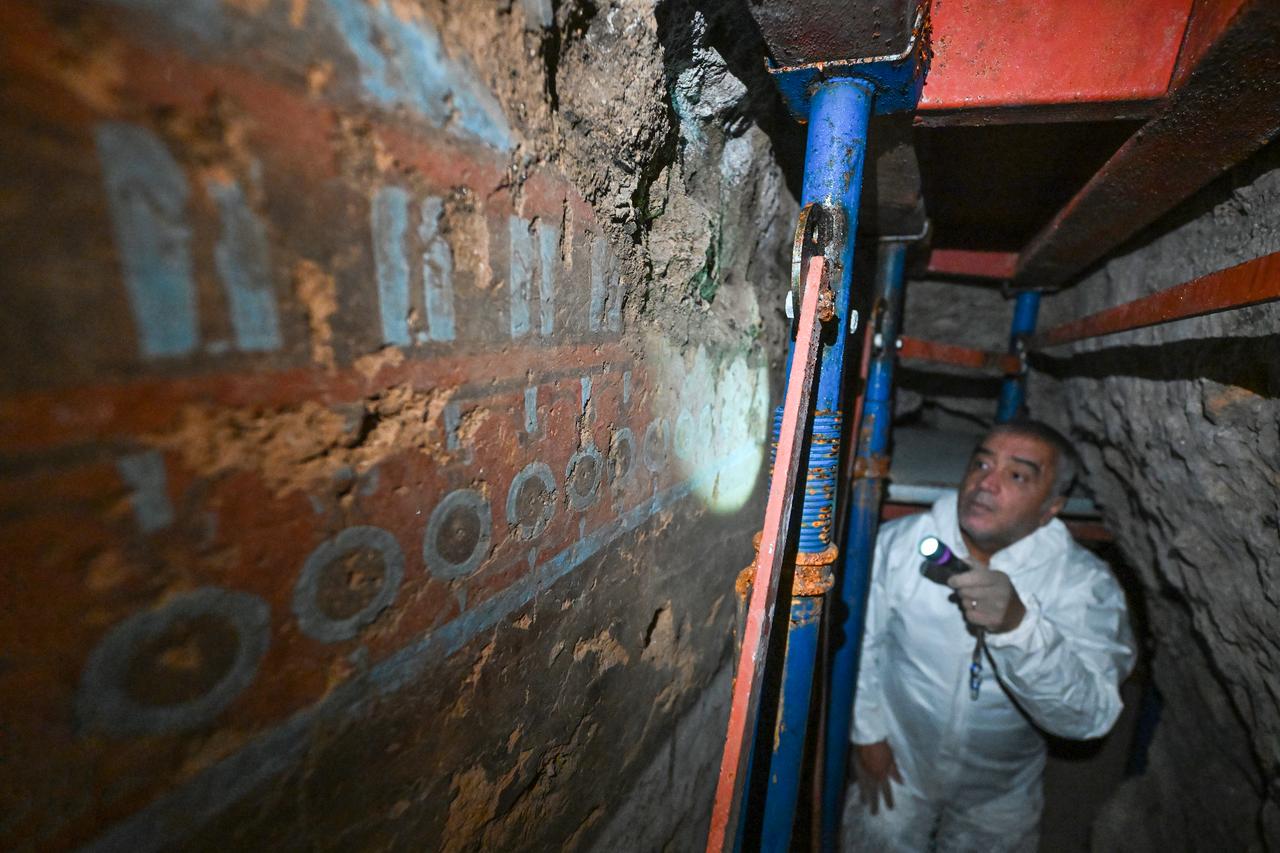
The area has also featured in academic discussions over the possible location of Arzaskun, regarded as one of Urartu's early capitals.
Omeroglu said the newly identified fortress could provide fresh evidence relevant to that debate because of its architecture and strategic position, while stressing that any firm conclusion would depend on future scientific research and archaeological work.


 Set as preferred source
 Set as preferred source


 1 min read


