Newsletters




A new exhibition at Rami Library in Istanbul is shedding light on the Ottoman sultans’ centuries-long devotion to the Kaaba through sacred objects, manuscripts and ceremonial items that once linked the imperial court with Islam’s holiest sites.
Titled “The Ottoman Sultans’ Passion: Sacred Relics," the exhibition has opened at the Rami Library, bringing together rare works that reflect the religious traditions and ceremonial practices of the Ottoman court.

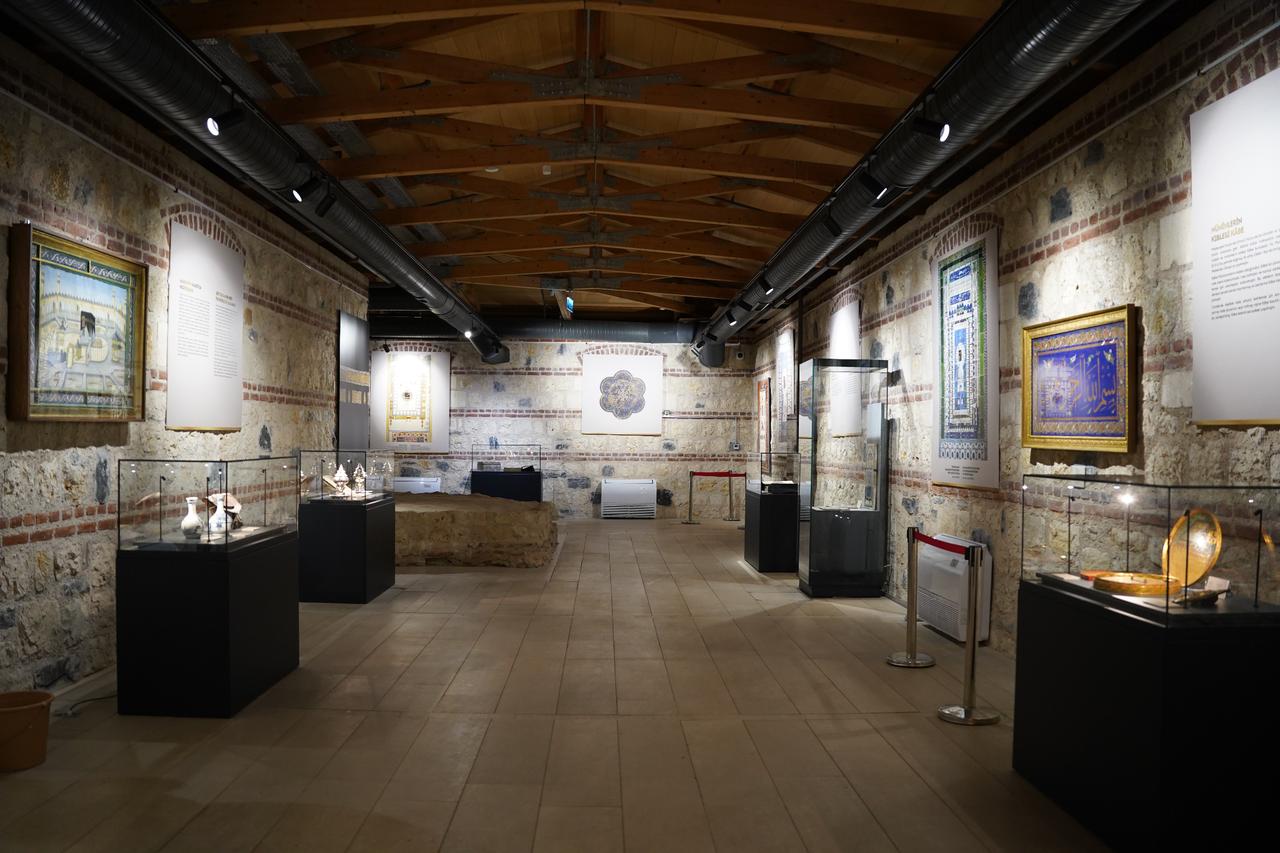
Hosted in the F1 Exhibition Hall of Rami Library, the show presents 57 rare pieces selected from the collections of the Istanbul Tombs Museum, the Museum of Turkish and Islamic Arts, and the Istanbul Archaeology Museums.
Through these works, visitors are introduced to the deep sense of reverence Ottoman rulers held for the Kaaba in Mecca, the cube-shaped structure at the center of Islam’s most sacred mosque and the focal point of the annual Hajj pilgrimage.
Among the items on display are calligraphic panels created by Ottoman sultans, finely crafted Qur’an manuscripts produced by master calligraphers, and textiles connected to the Kaaba itself, including fragments of the sacred coverings used on the interior and exterior of the shrine as well as pieces of the embroidered belt that runs around the structure.
The exhibition also includes surre purses and gold coins that were historically sent from the Ottoman palace to the holy cities of Mecca and Medina. These donations formed part of the Surre procession, an annual imperial ceremony in which gifts and financial support were dispatched from Istanbul to the holy cities in the Arabian Peninsula.
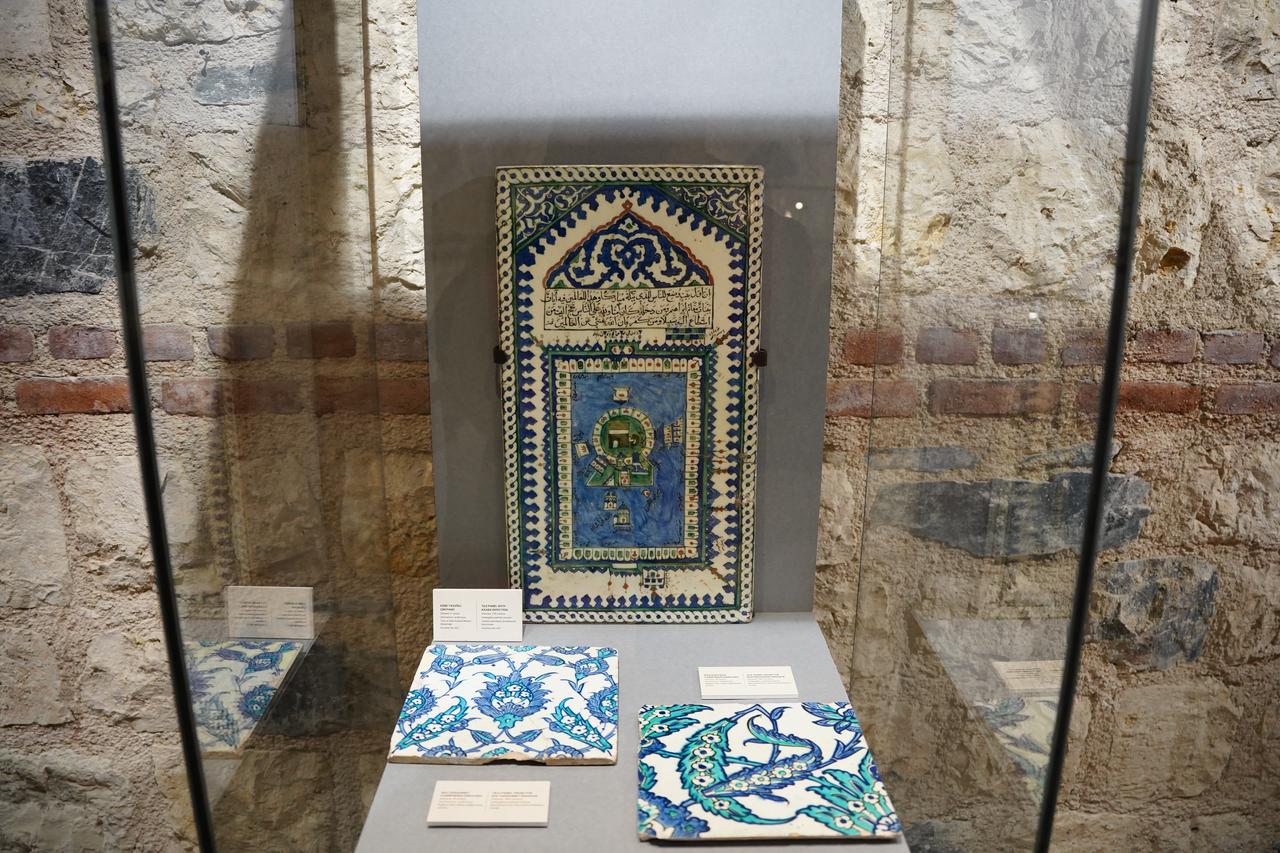
Two ceramic tiles displayed in the exhibition carry a particularly notable history. The pieces, originally taken from Sultanahmet Mosque and Rustem Pasha Mosque in Istanbul, had been illegally removed from Türkiye and taken abroad.
Their sale was halted following initiatives by the Ministry of Culture and Tourism and coordinated efforts by Türkiye’s Embassy in London. After being returned to the country, the tiles have now been placed on public display as part of the exhibition.
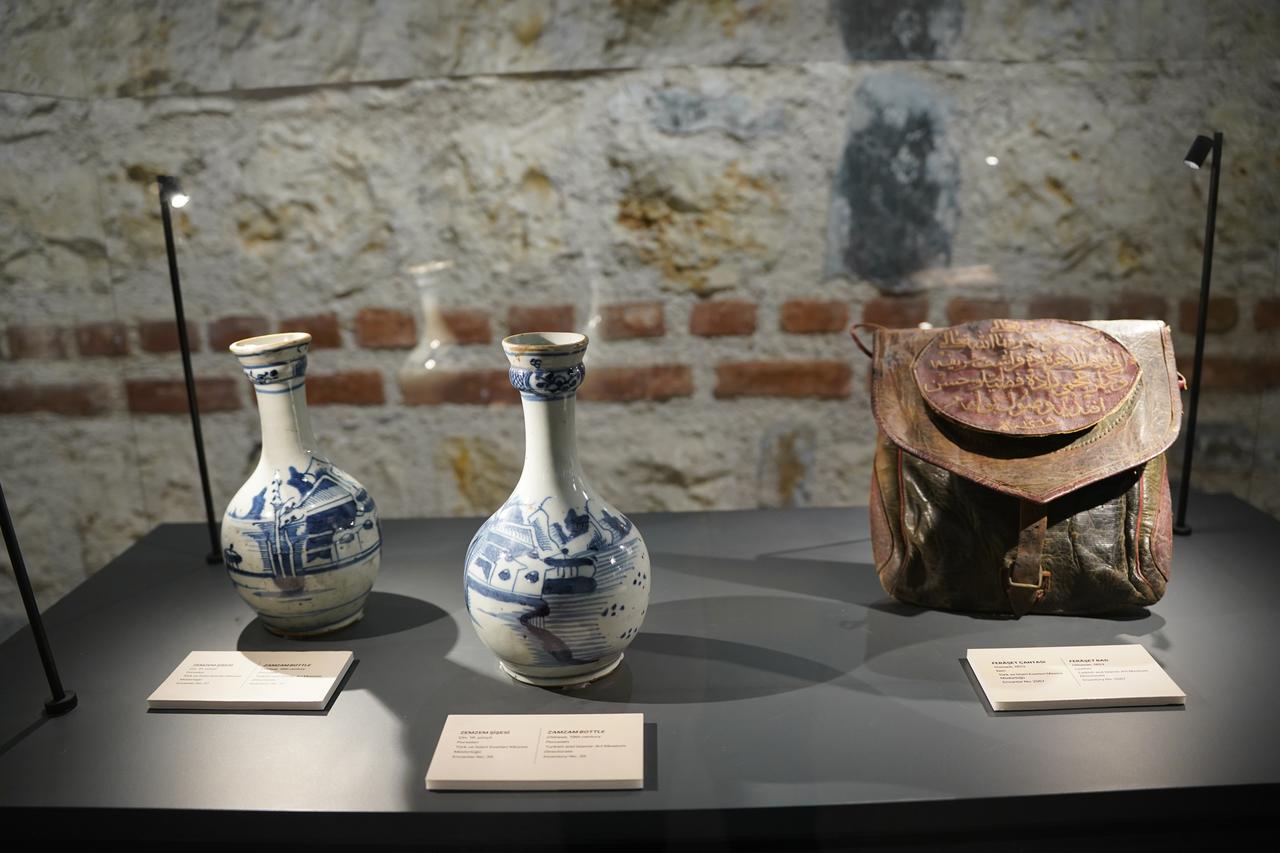
Beyond manuscripts and textiles, the exhibition also presents relics associated with Ottoman religious devotion and ceremonial life.
Among them are samples of sacred cloth coverings that were sent from the Ottoman palace to the holy sites and later brought back to Istanbul through special ceremonies once they had been used. The display aims to evoke the atmosphere of a Surre procession, symbolically guiding visitors along the spiritual route of the pilgrimage.
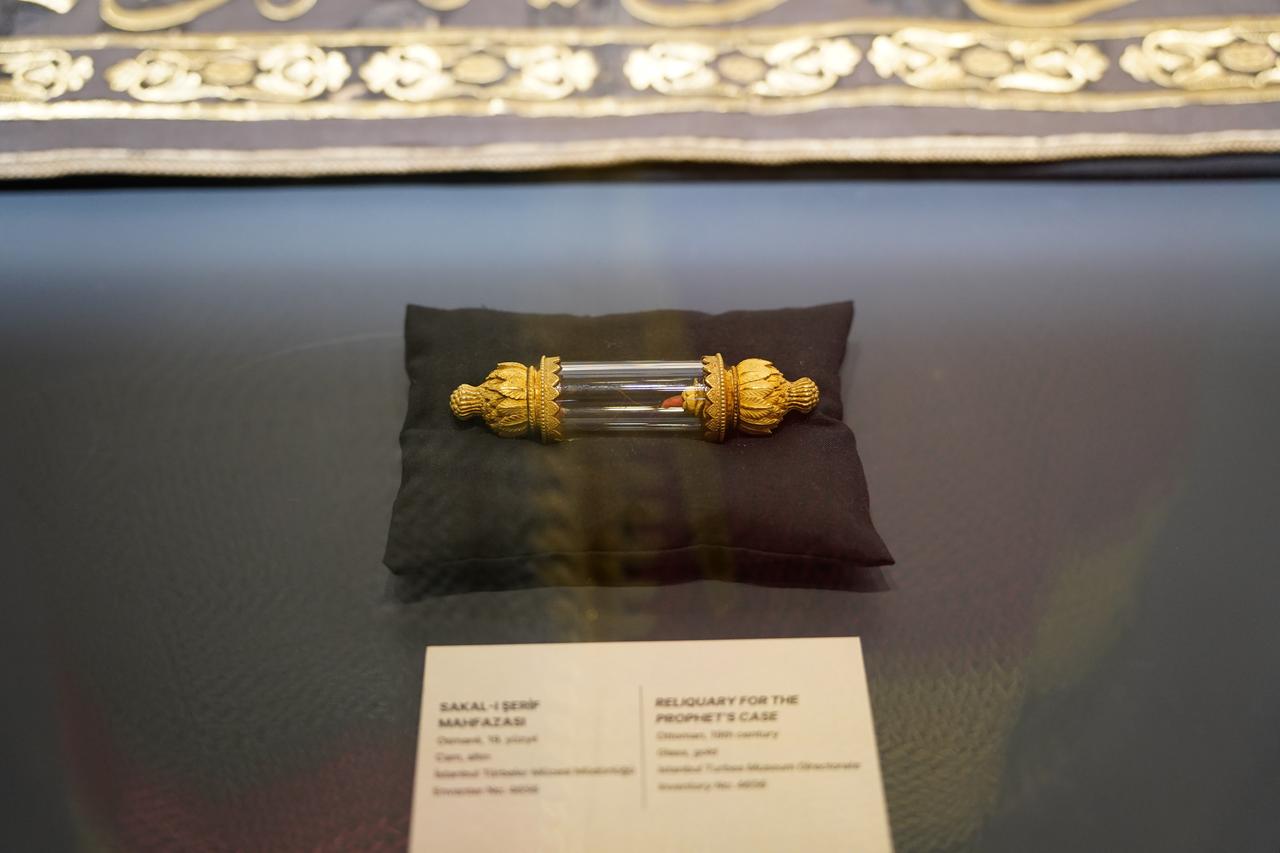
Visitors can also view devotional objects such as destimal cloths, which were traditionally rubbed against revered relics including strands of the Sakal-i Serif, believed to be hairs from the beard of the Prophet Muhammad, and the cloak associated with him. Such objects were preserved as blessed items within Ottoman religious culture.
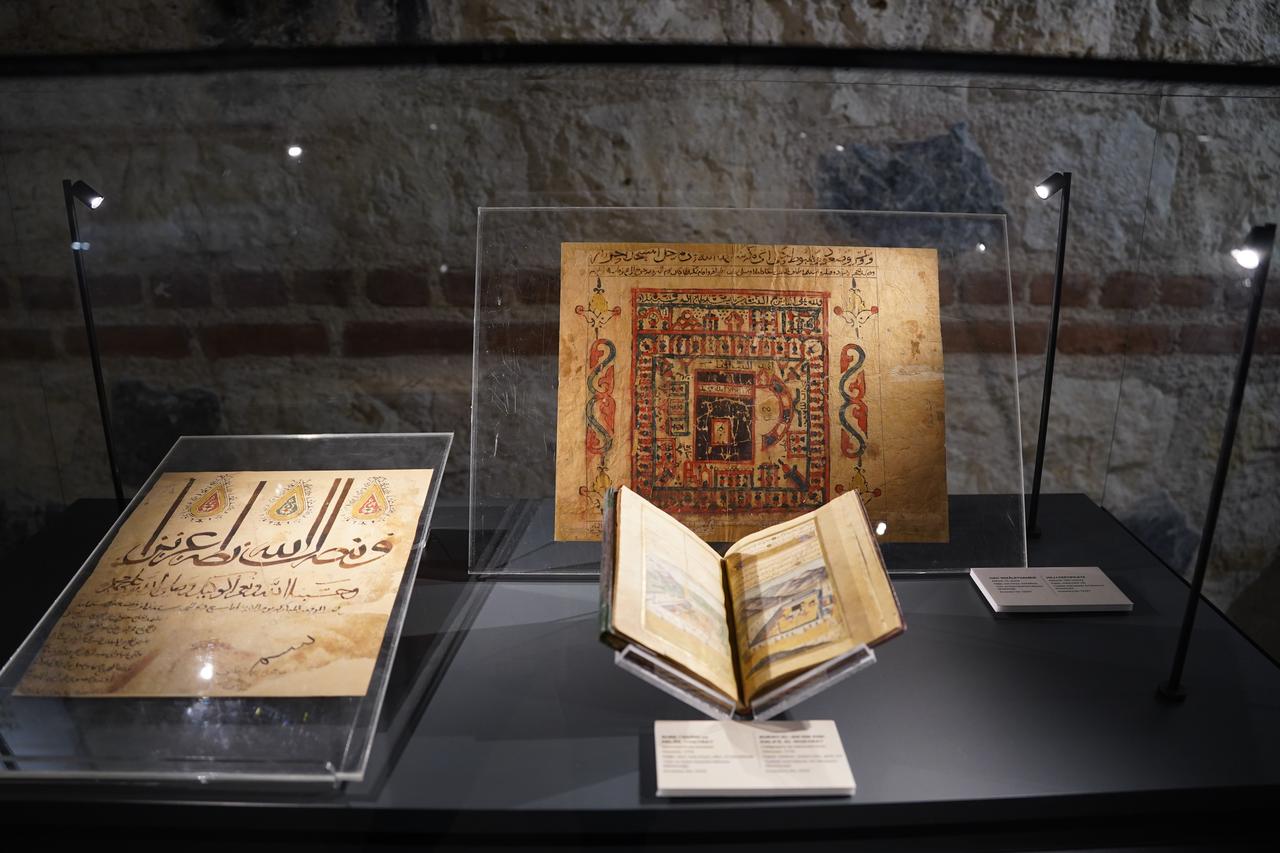
By presenting these items together, the exhibition highlights how Ottoman court traditions intertwined with religious devotion and ceremonial practices connected to the holy cities.
The exhibition at Rami Library will remain open daily between 10:00 a.m. and 6:00 p.m. until March 22, and admission is free.


 Set as preferred source
 Set as preferred source


 3 min read