Newsletters


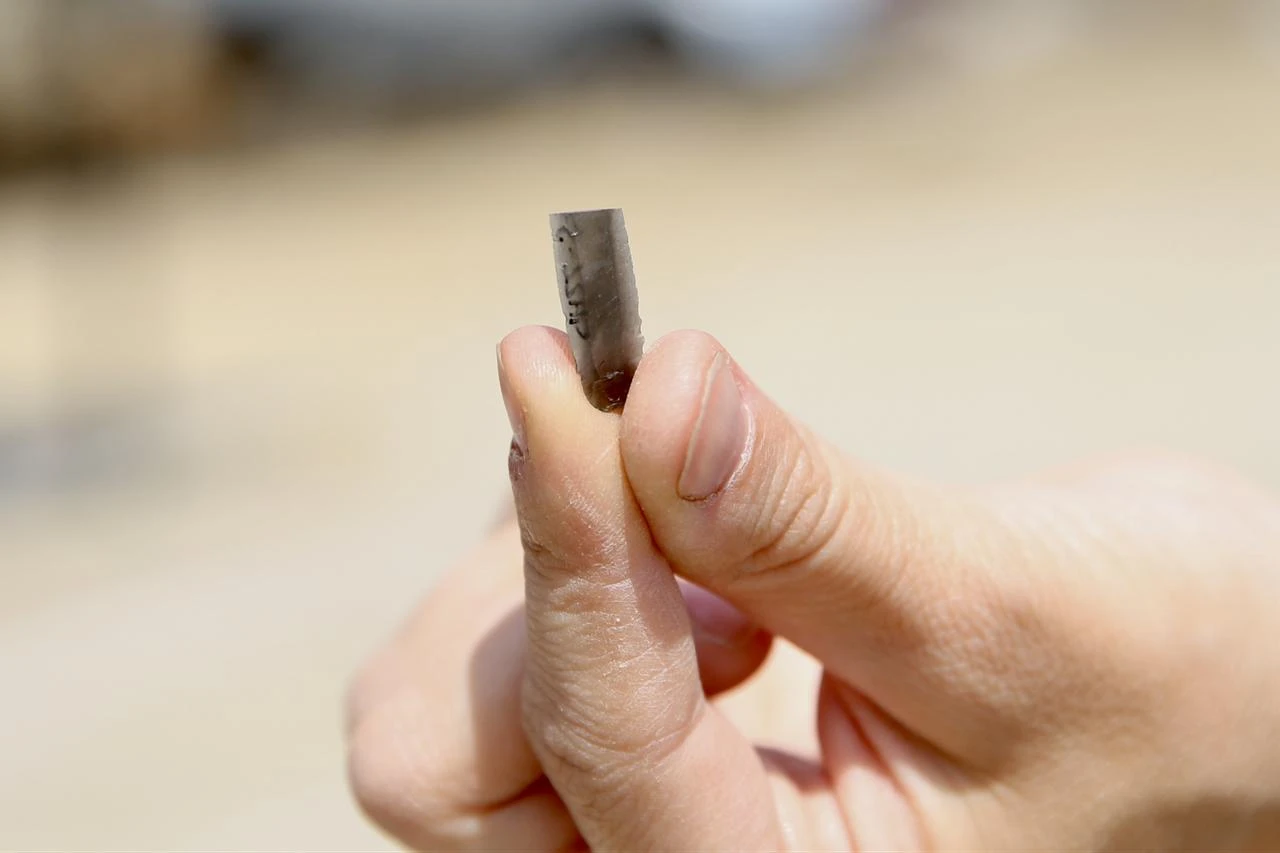


Obsidian tools traced back to the Aegean island of Melos have been uncovered at Caltilar Hoyuk in southwestern Türkiye, pointing to overseas exchange networks that reached an inland settlement during the Early Bronze Age.
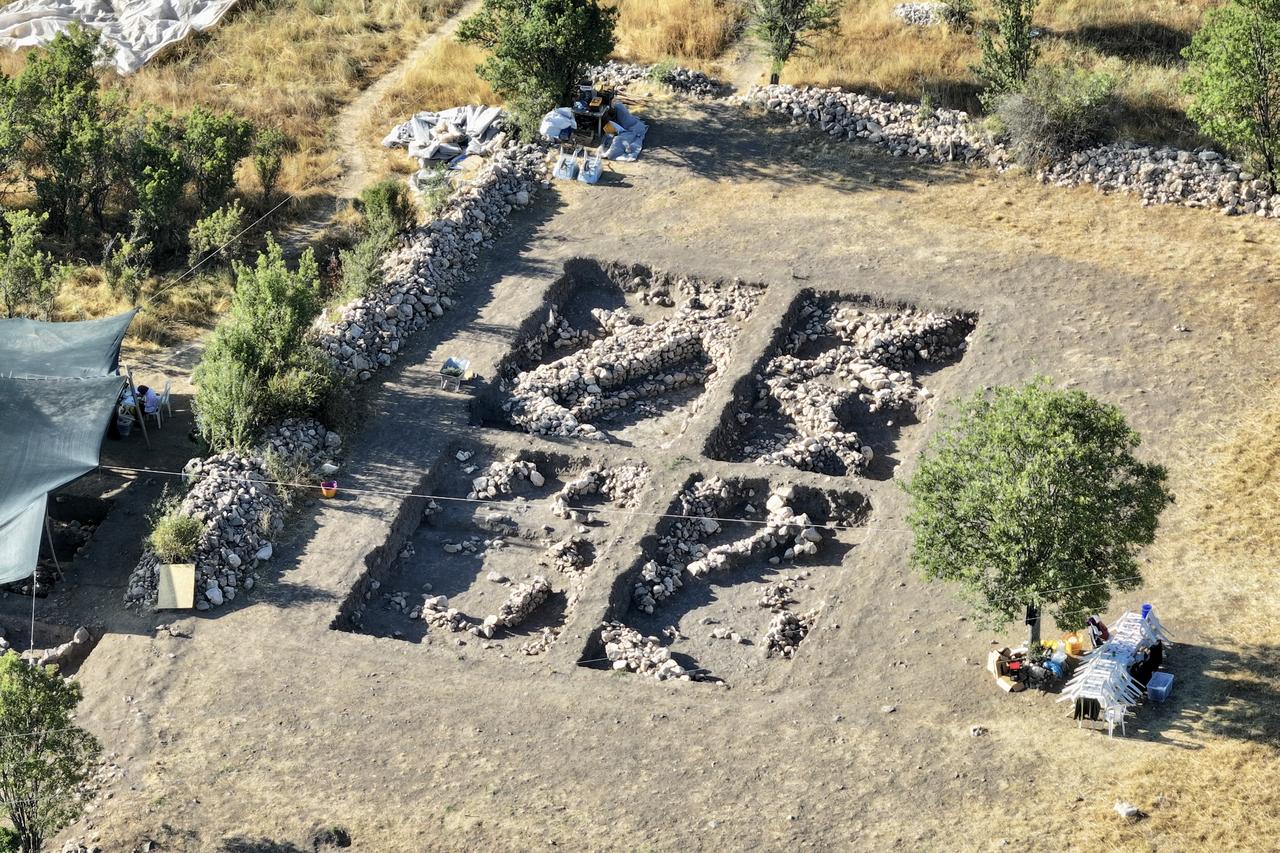
The discoveries came to light during excavations at the mound in Seydikemer, a district of Mugla province. The site lies around 100 kilometers (62 miles) from the coast and stands at an altitude of 1,287 meters (4,222 feet).
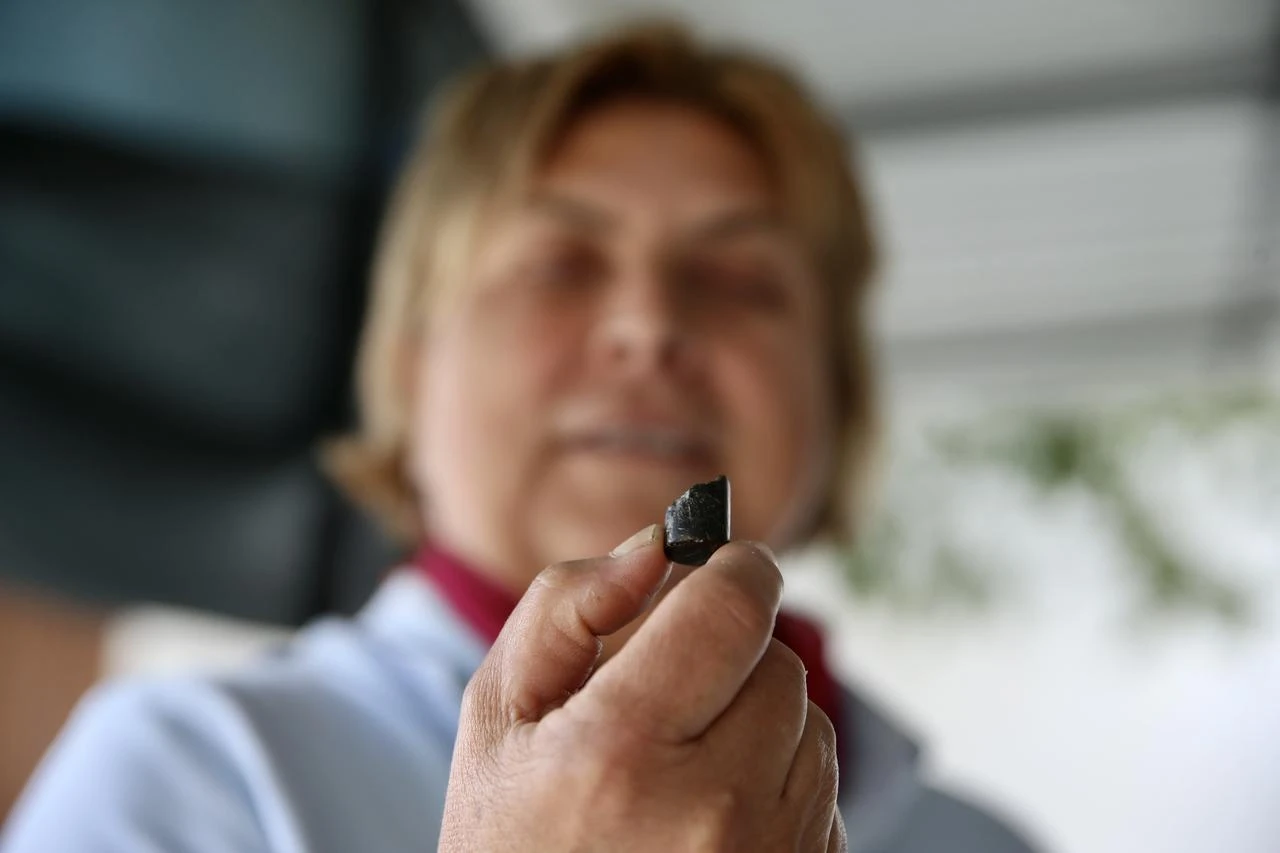
Obsidian is a naturally occurring volcanic glass that was shaped into sharp tools in prehistoric communities. The material found at Caltilar Hoyuk originated from Melos, a volcanic island in the Cyclades archipelago in the western Aegean Sea.
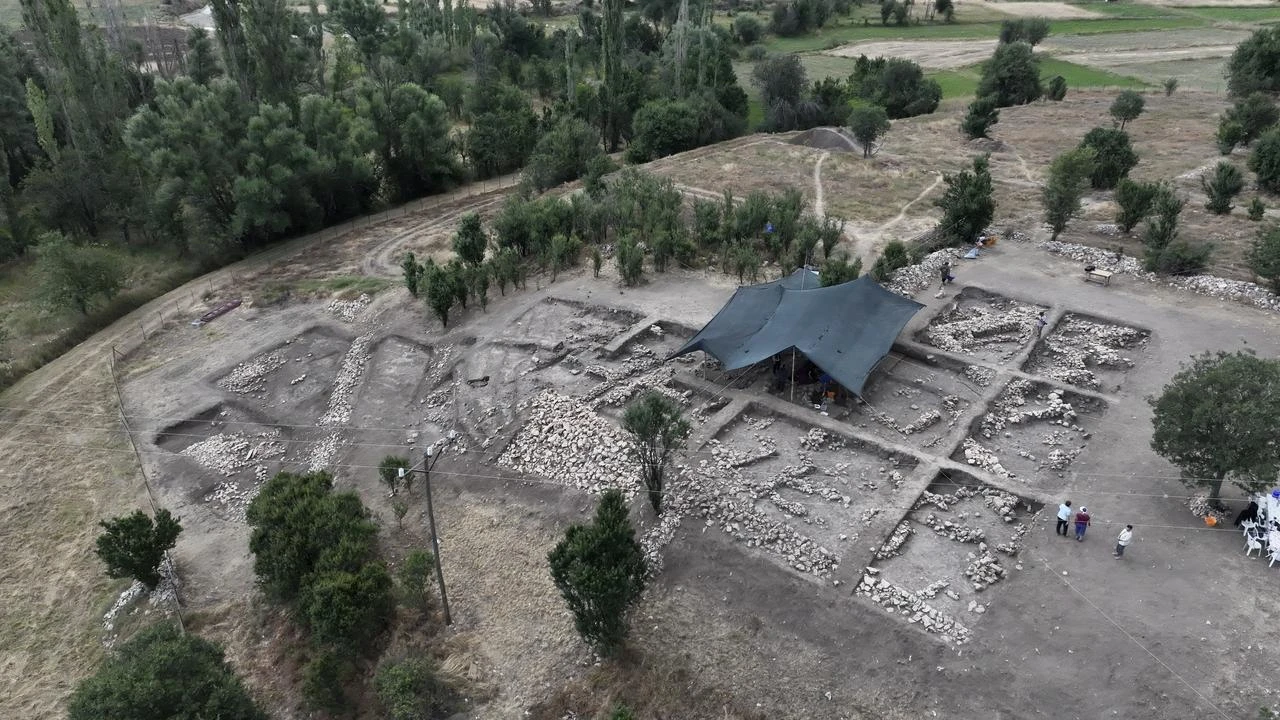

Excavation Director Professor Aysegul Aykurt said archaeologists had recovered flaked-stone tools made from Melos obsidian in a settlement layer dating to around 2,400 B.C.
"Flaked-stone finds made from Melos obsidian were recovered. This is important because it shows the settlement's overseas connections," Aykurt said.
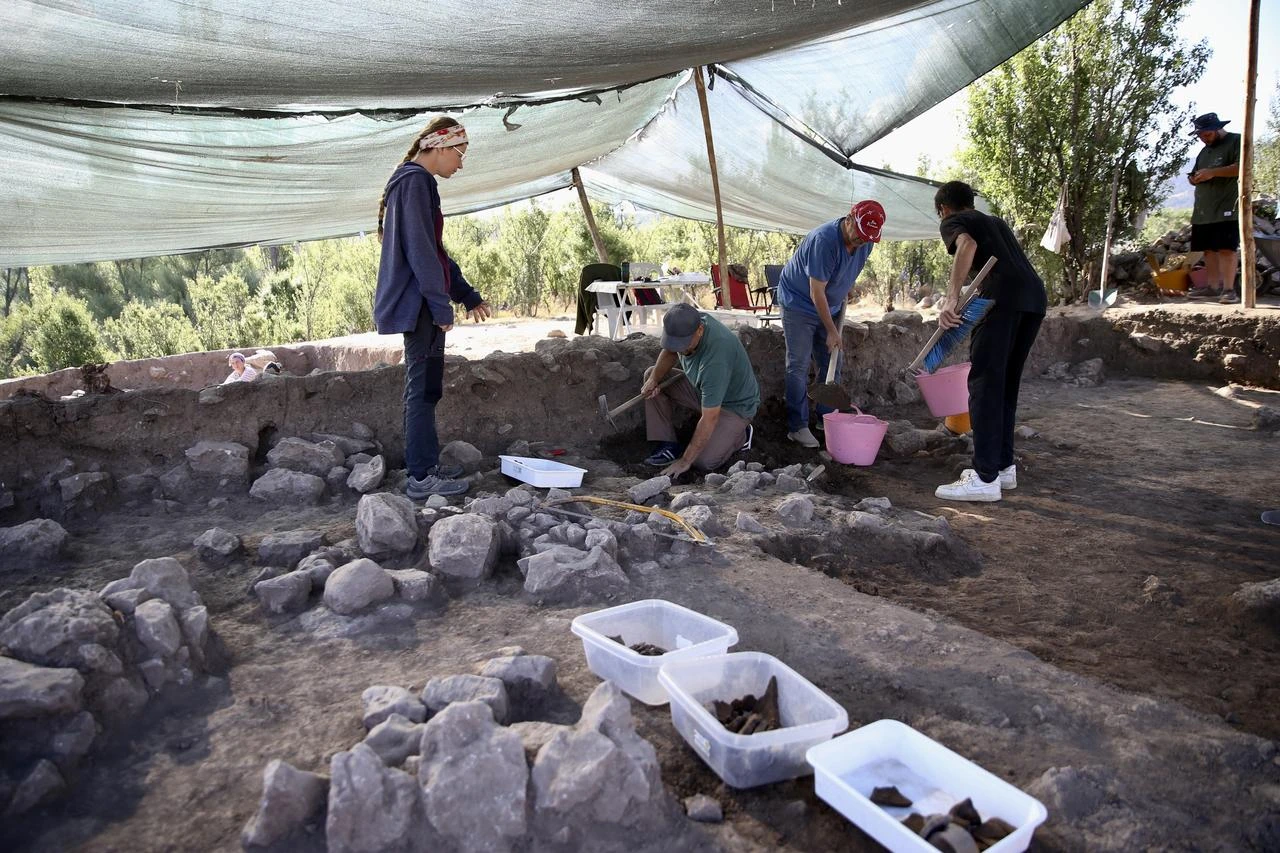
The same layer also turned up a so-called Cycladic pan, a ceramic form associated with the Cyclades, as well as a spool-shaped balance weight originating from the western Aegean.
Tools made from central Anatolian obsidian were also found alongside these objects, showing that the settlement maintained links with inland regions as well as communities across the Aegean.
Aykurt said the inhabitants may have built up their maritime connections through river trade along the Esen River, which could have linked the inland settlement with coastal routes.
The first community at Caltilar was established on the surrounding plain around 5,300 years ago, according to Aykurt. After a nearby marshland dried up approximately 200 years later, the settlement moved onto the mound.
Occupation continued until around 2,400 B.C., with archaeologists identifying eight settlement layers dating between approximately 3,100 and 2,400 B.C.
The current excavation season is focusing on remains from the final stage of Early Bronze Age II, including the layer that produced the Melos and central Anatolian obsidian finds.
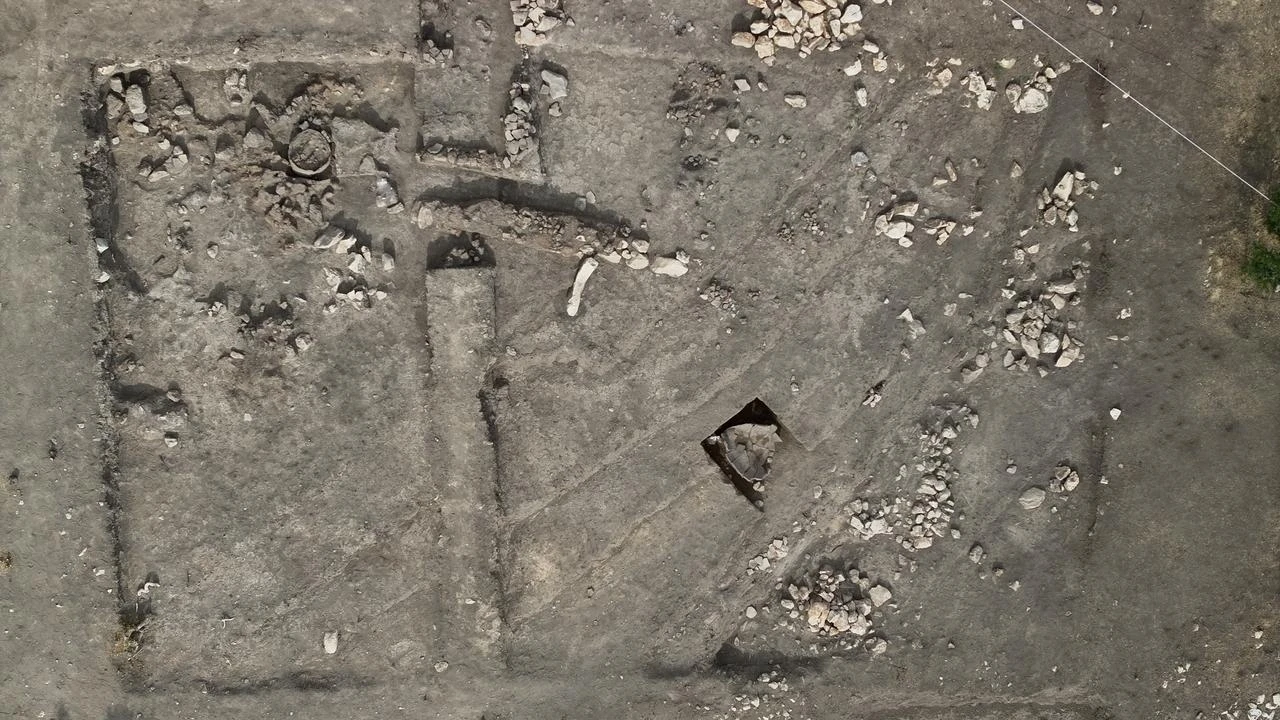
Excavations began in 2021 following earlier surface surveys. The project, the only active mound excavation in Mugla, is led by Hacettepe University under Türkiye's Heritage for the Future initiative, with support from local authorities and the Turkish Historical Society.
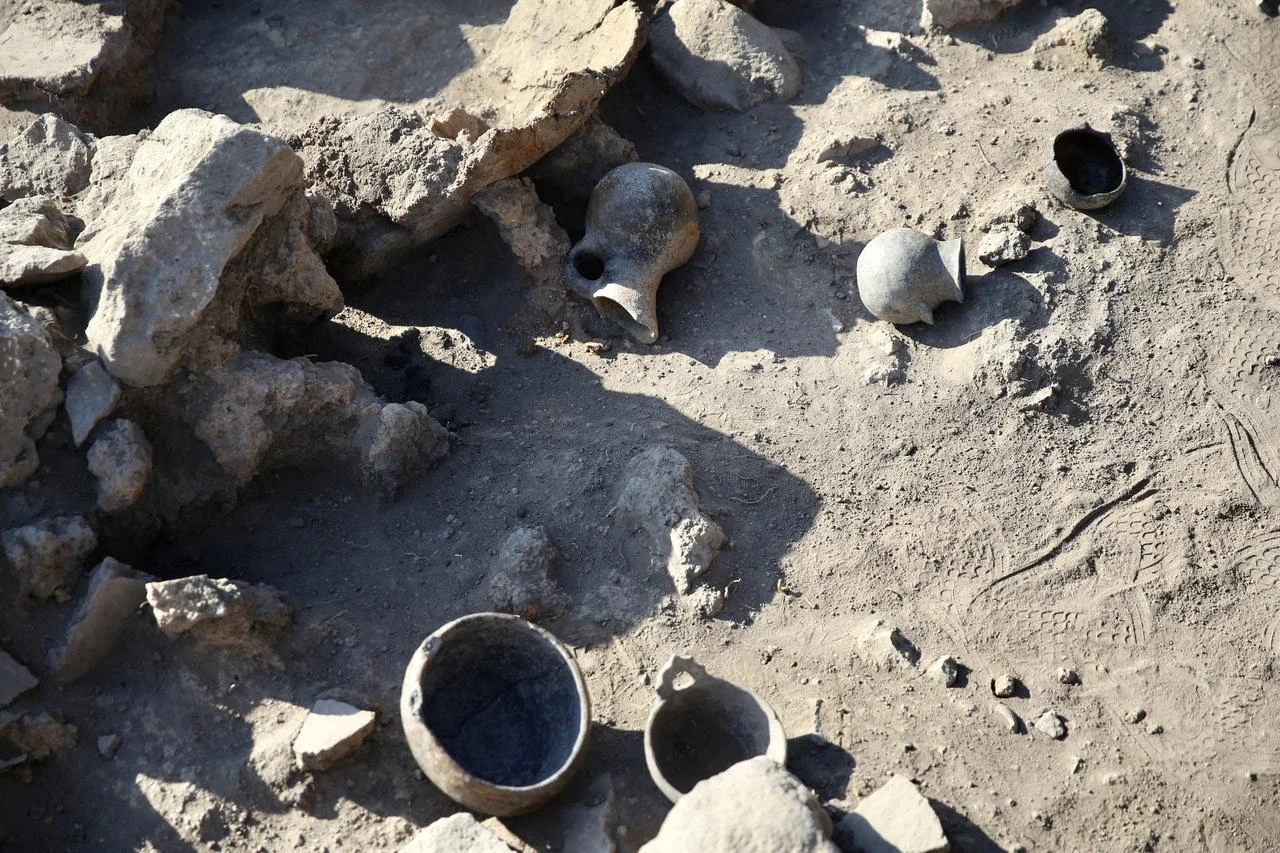
Researchers have also uncovered an unusual structure in the uppermost settlement layer, which dates to the Archaic Period.
The building was constructed on stone foundations using fragments of pithoi, large ceramic jars commonly used for storage or burial. The pieces came from Late Bronze Age burial jars that had been broken up and reused as construction material.
Aykurt said no comparable example of this building technique had previously been identified in Anatolia.
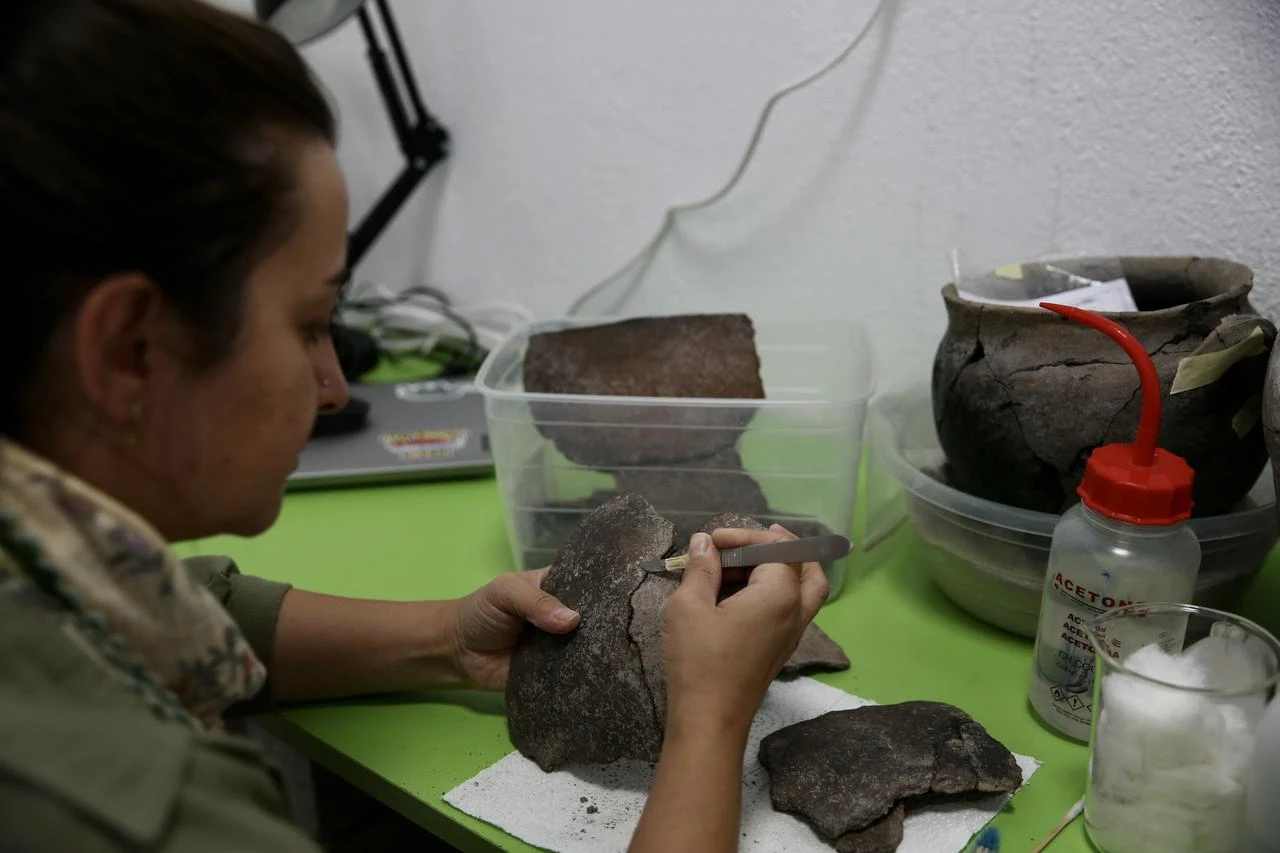
The Archaic settlement also yielded pottery connected with Lycia and Caria, alongside ceramic finds originating from Lydia and Ionia. Materials and obsidian tools associated with central Anatolia were uncovered as well.
Aykurt said the wide range of objects did not appear to match the settlement's architectural character. She suggested that a group linked to, or influenced by, a political power controlling the main resource regions may have lived at the site.
She added that this interpretation could explain why objects associated with several different regions and cultural traditions were found together in the same settlement.


 Set as preferred source
 Set as preferred source


 1 min read
 1 min read