Newsletters


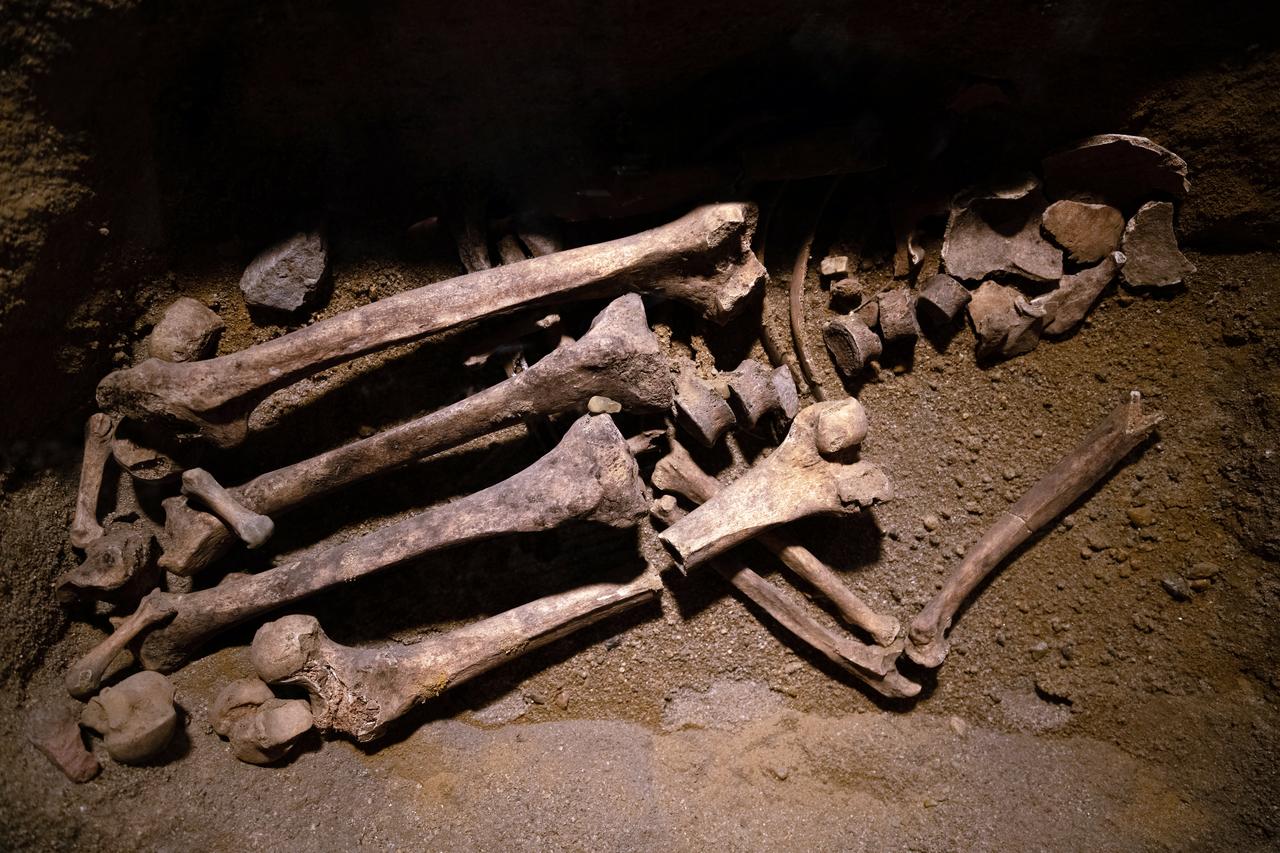


A new study drawing on 10,000 years of archaeological evidence finds that men across the continent consistently consumed more animal protein than women, a gap researchers trace back to the earliest farming societies and track through nearly every period that followed.
In pre-industrial Europe, meat was more than food. It was a marker of social rank, and access to it was rarely distributed equally.
The new research, published in PNAS Nexus, uses chemical signatures locked within ancient bones to show that the imbalance was not occasional but structural, persisting over thousands of years and across dozens of cultures.


The evidence comes from stable isotopes preserved in bone collagen, which offer a biochemical record of what a person ate over the course of their life.
Nitrogen isotope ratios reflect the share of animal protein in the diet, while carbon isotope ratios reveal the types of plants consumed, including lower-status cereals such as millet, as well as the contribution of marine foods.
Comparing these values directly across regions and eras has long been difficult. Fertilizer use, shifting climates, and chronic malnutrition can all distort raw readings, making it hard to know whether differences between populations reflect culture or environment.
To get around that problem, researchers turned to a statistical method known as the decile ratio. Rather than comparing raw isotope values, the approach measures the gap between the top 10% and bottom 10% of a population.
That allowed the team to ask a sharper question: within a given community, how far apart were the best-fed and worst-fed individuals, and did sex shape where people fell on that scale?
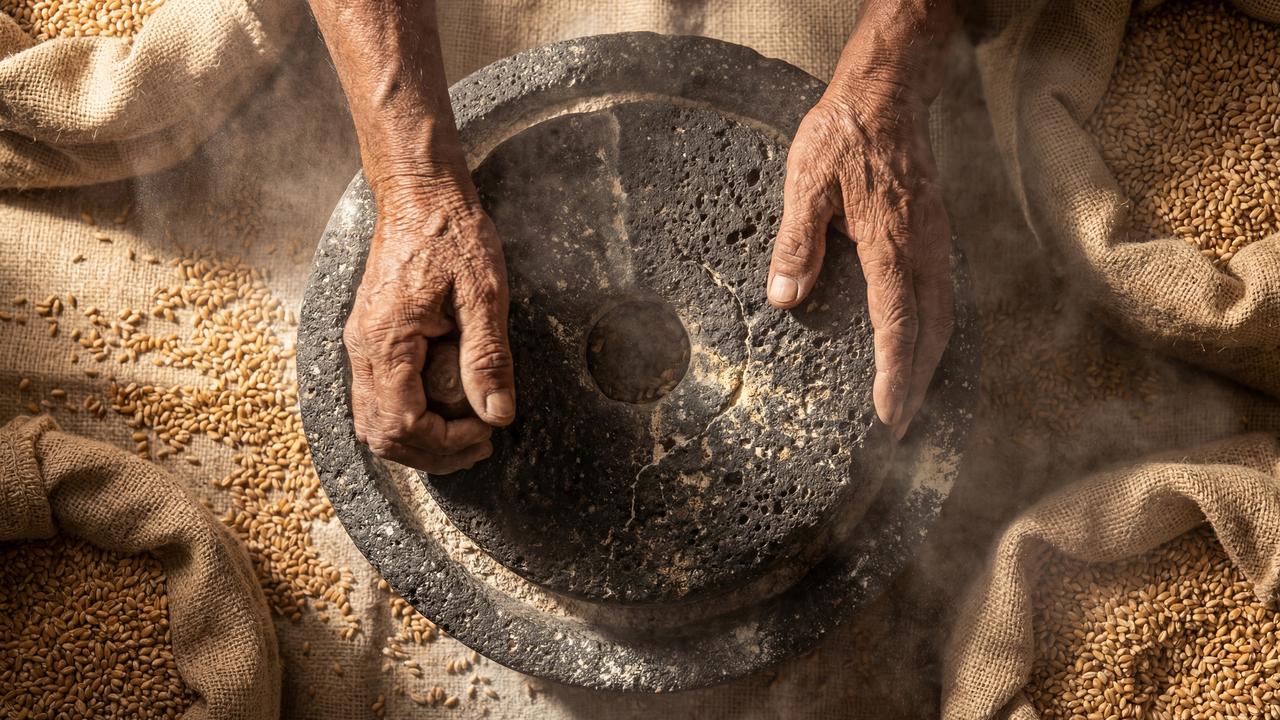
The team applied the method to data from 12,281 adults buried at 673 sites across Europe, spanning 10,000 years. In nearly every period examined, the individuals with the highest levels of animal protein in their diets were overwhelmingly men. The pattern held from prehistory through the pre-industrial era.
One finding stood out. Europe's earliest farming communities, dating back to the Neolithic, still showed a clear gap in access to animal protein between men and women.
Yet, compared with later eras, the Neolithic emerged as the most egalitarian period in the dataset. Inequality appears to have widened, not narrowed, as societies grew more complex.
Carbon isotope data pointed in the same direction. In communities where millet or marine foods made up a significant share of the diet, those lower-status staples were more often associated with women, while men were more likely to show signatures of meat-heavy eating.
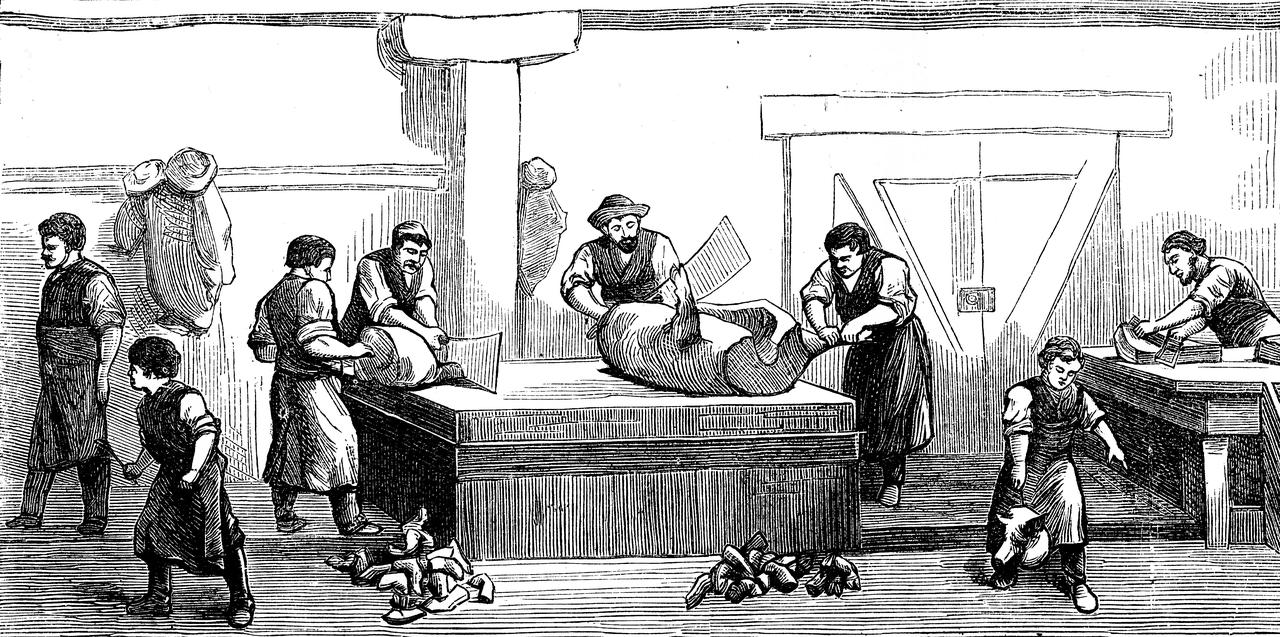
The researchers do not pin the pattern on any single cause. They point instead to a cluster of possible drivers: food taboos, cosmological beliefs that tied certain meats to men, misconceptions about women's protein needs, and social norms that routinely placed male appetites first.
In many households, they note, the question of who ate what may have been settled before anyone sat down.
What the data do establish, the authors argue, is continuity. Across 10,000 years, through Neolithic villages, Bronze Age settlements, Iron Age communities, and medieval towns, the European dinner table reflected a hierarchy that rarely favored women.
The pattern, they write, is too persistent and too widespread to be explained by environment or chance alone.


 Set as preferred source
 Set as preferred source



 1 min read