Newsletters


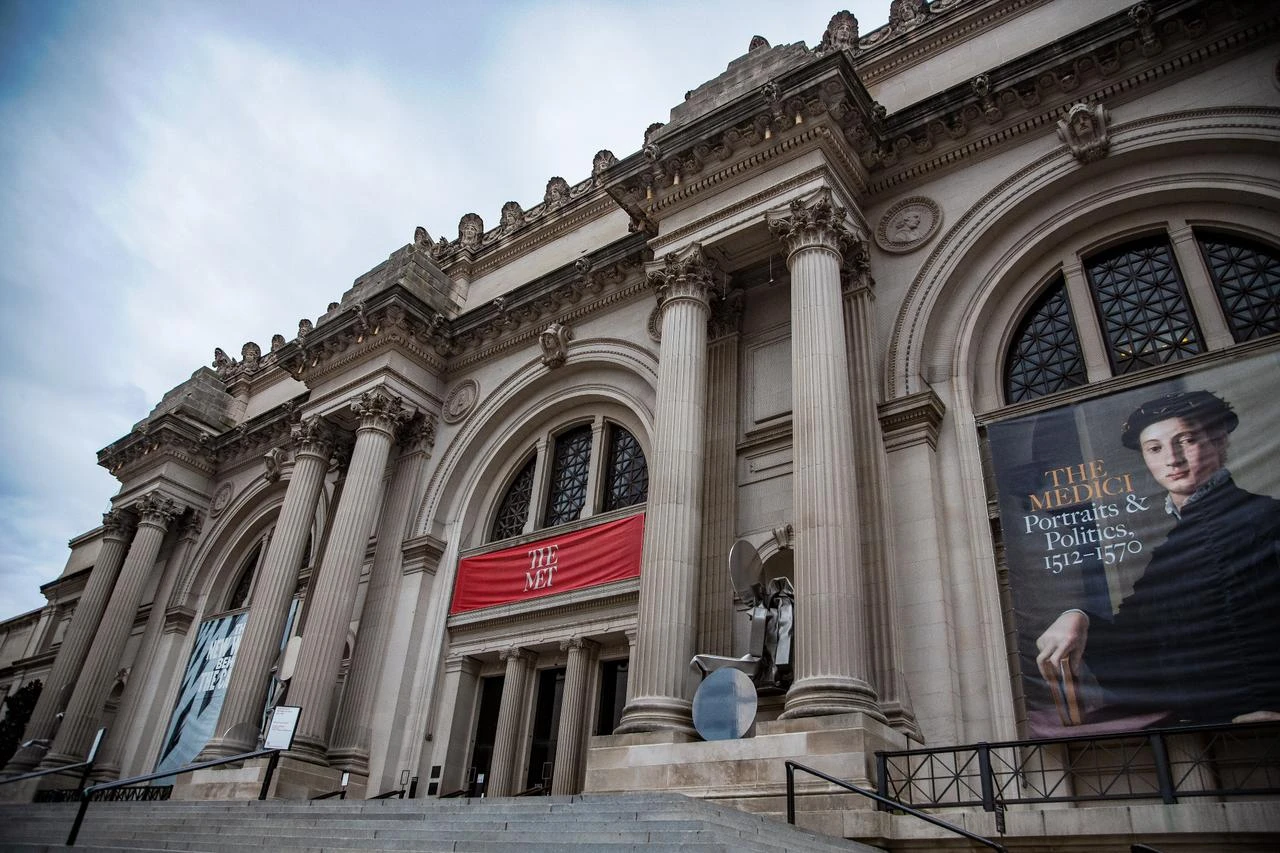


The Metropolitan Museum of Art has opened its first comprehensive exhibition to place orientalism directly at its center. "Orientalism: Between Fact and Fantasy" opened June 12 and will remain on view through Feb. 28, 2027, at the Met Fifth Avenue in New York.
The exhibition is curated by Deniz Beyazit and Maryam Ekhtiar of the museum's Islamic Art department, alongside Asher Miller of the European Paintings department.
It marks the first major joint project between the two departments. Spread across four galleries, the show brings together roughly 180 works from 12 Met departments along with pieces borrowed from institutions around the world.
The exhibition opens with Napoleon's 1798 campaign in Egypt and traces the forms, techniques and figures that circulated across the Mediterranean throughout the 19th century, closing with the work of Ottoman painter Osman Hamdi Bey.
Canvases by Jean-Auguste-Dominique Ingres, Eugene Delacroix, Jean-Léon Gérôme, John Frederick Lewis and John Singer Sargent are displayed alongside pieces by designers and architects such as Owen Jones, Edward C. Moore and Philippe-Joseph Brocard, who drew motifs and techniques from Islamic art.
Painting is not treated in isolation; photography, textiles, ceramics, glass, weapons, armor and architectural drawings are also featured, illustrating the different layers of representation that shaped the period.


The exhibition is organized into four sections. "The Alhambra: Gateway to Orientalism" examines the narrative that positioned Andalusia as a gateway to the East, along with the spread of the Alhambresque style.
"Hard and Soft Power: Orientalism and Design" looks at 19th-century world's fairs and the turn toward handicrafts as a response to industrialization.
"Facing the Orient" questions the fluid boundaries between the categories of portrait, likeness, and type that Western painters used when depicting the East.
This section places Gerome's "Bashi-Bazouk" (1868-69), a portrait of an Ottoman mercenary long familiar to Met visitors, alongside other works centered on the same subject.

The final section, dedicated to Osman Hamdi Bey, presents a rarely displayed group of the painter's works alongside those of his contemporaries.
Among them is "At the Mosque Door" (1879), which the Met added to its collection in 2025 through the Türkiye Centennial Fund and a gift from Zeynep Oguz Bilimer and Evren Bilimer.
The curatorial framing presents Hamdi Bey as a figure who depicted Ottoman cosmopolitan modernity from within, applying the technique of the Paris academy.
According to curator Deniz Beyazit, this juxtaposition demonstrates that no 19th-century artist represented the modern, cosmopolitan life of the Ottoman Empire from within as thoroughly as Hamdi Bey.
Beyazit said his paintings offer a response to the exoticized and stereotyped depictions of "the East" that generations of European orientalist painters produced.


 Set as preferred source
 Set as preferred source


 3 min read