Newsletters




The Cankiri Museum in central Türkiye has been drawing growing international attention after welcoming close to 39,000 visitors last year, thanks largely to its collection of fossils dating back millions of years.
Housed in a restored Ottoman-era building, the museum has emerged as a key cultural and scientific stop for both domestic and foreign travelers exploring Anatolia.
The building itself sets the stage for the experience. Constructed during the reign of Ottoman Sultan Abdulhamid II, it served for decades as a government office and later as a courthouse before being carefully restored and reopened as a museum in 2017.
Today, its historical architecture frames exhibitions that span deep prehistory to the recent past, allowing visitors to move through time as they walk through its halls.
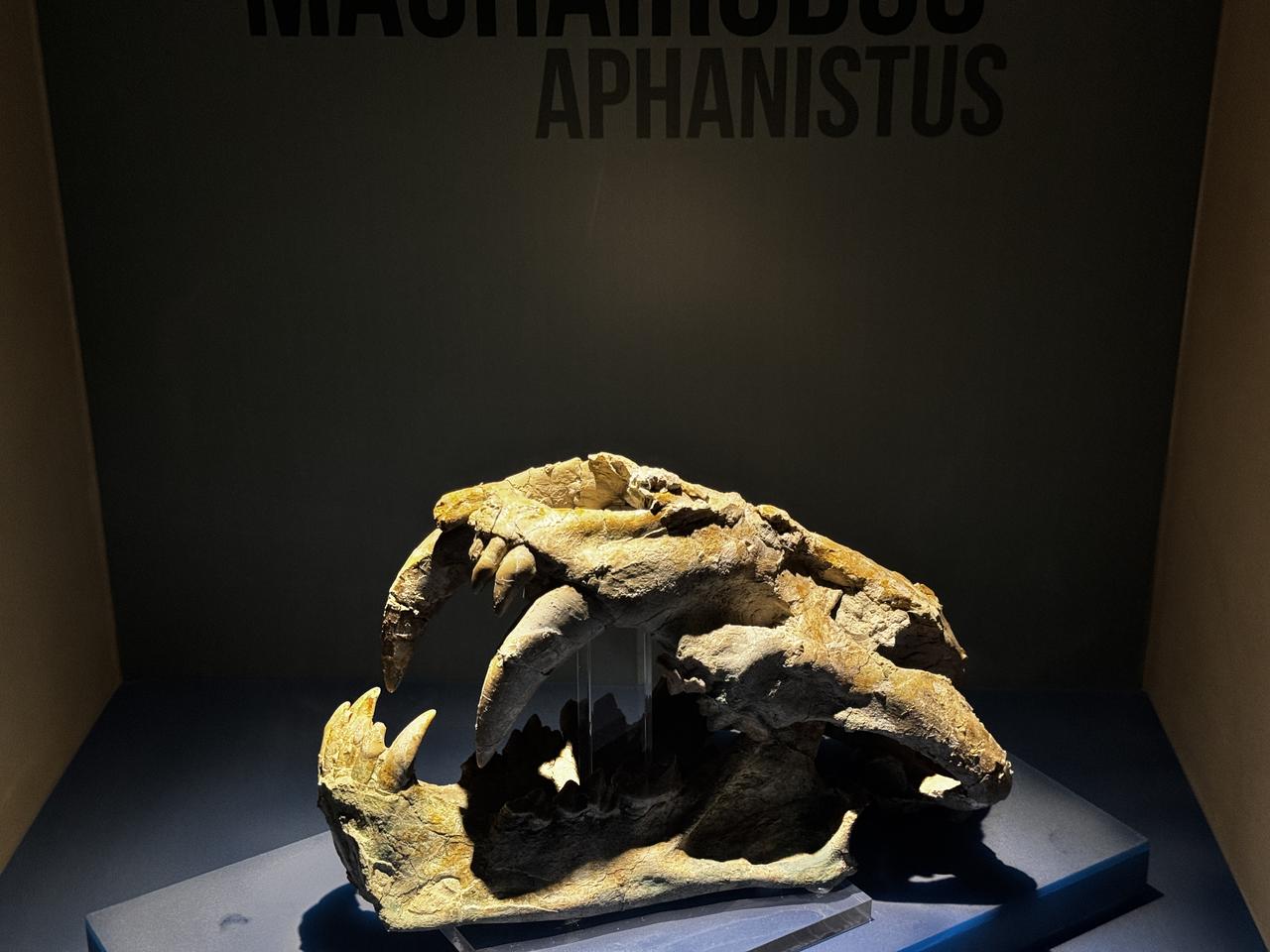

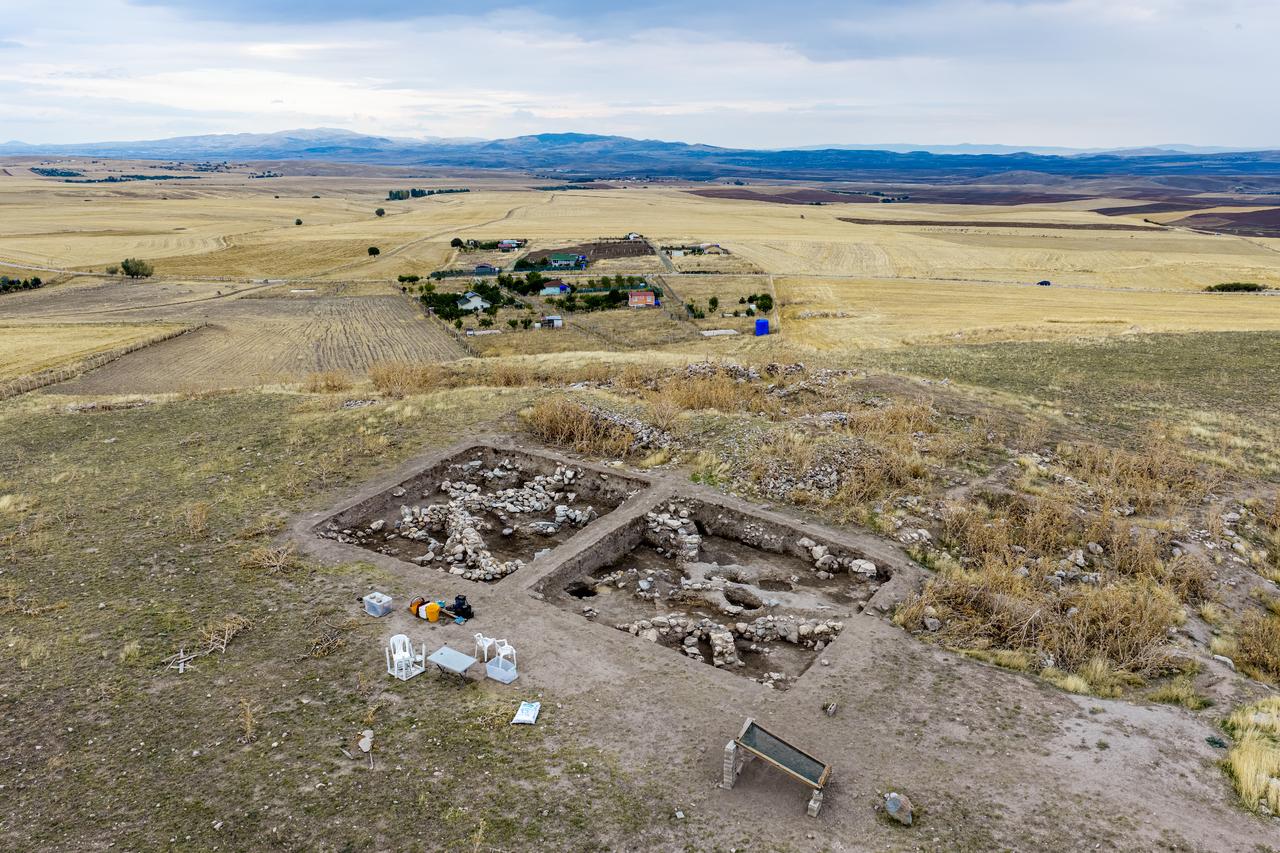
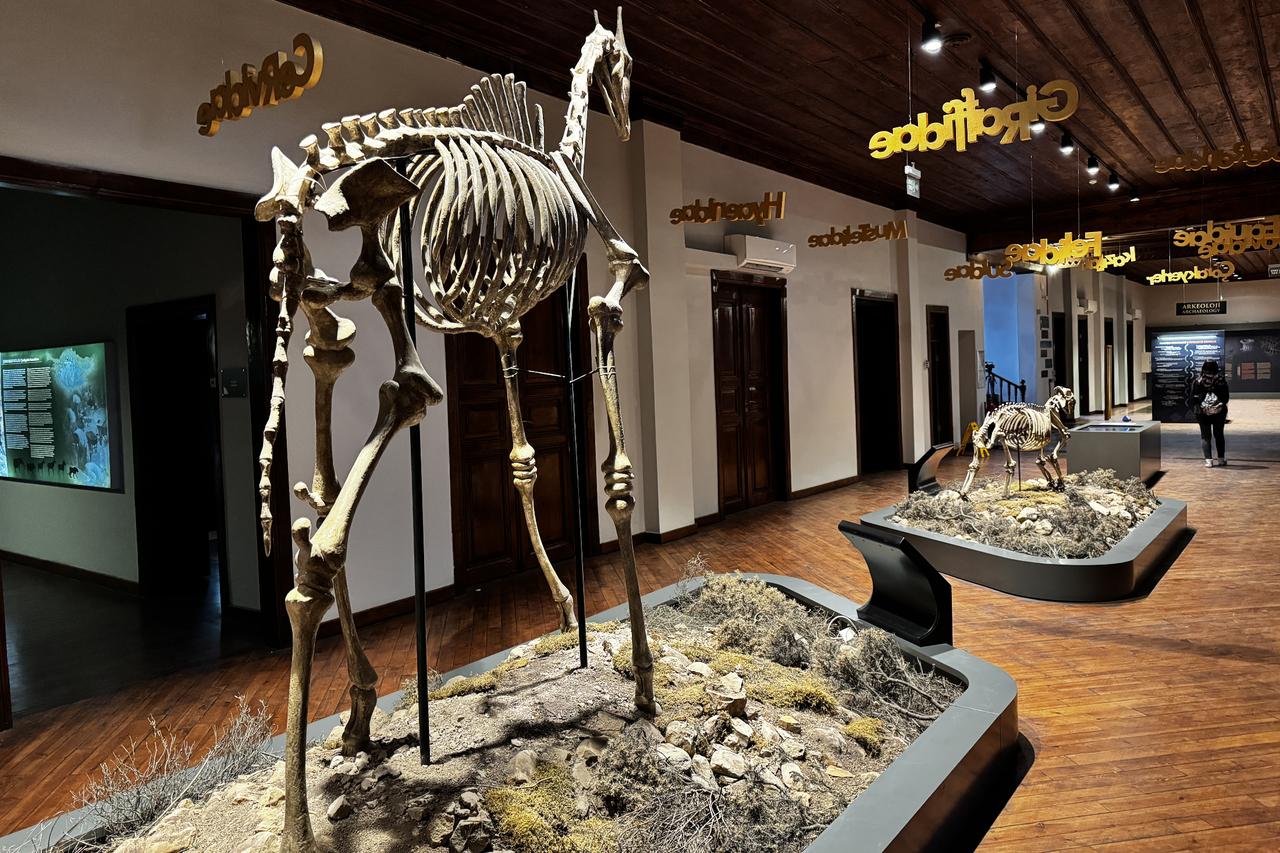
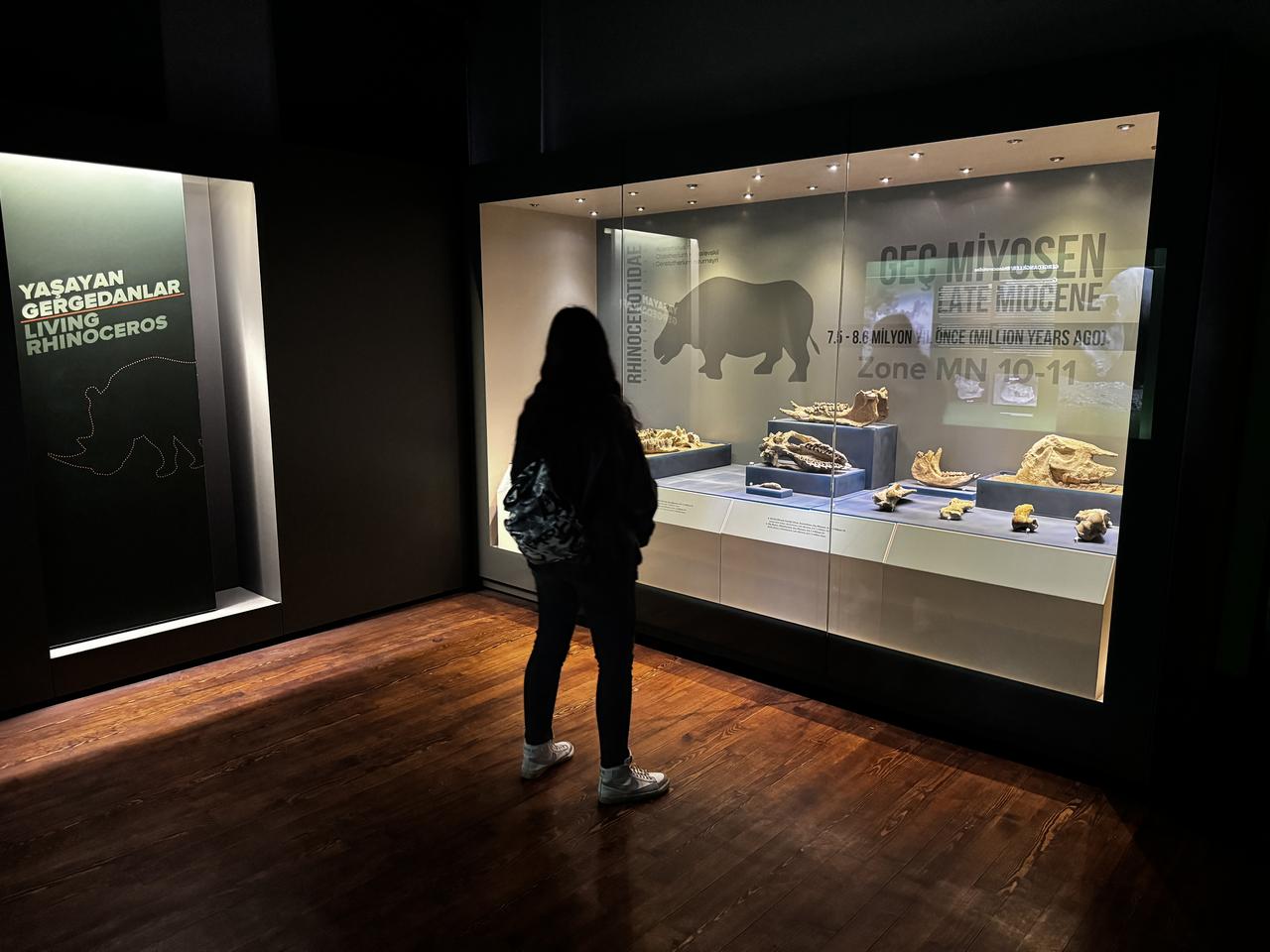
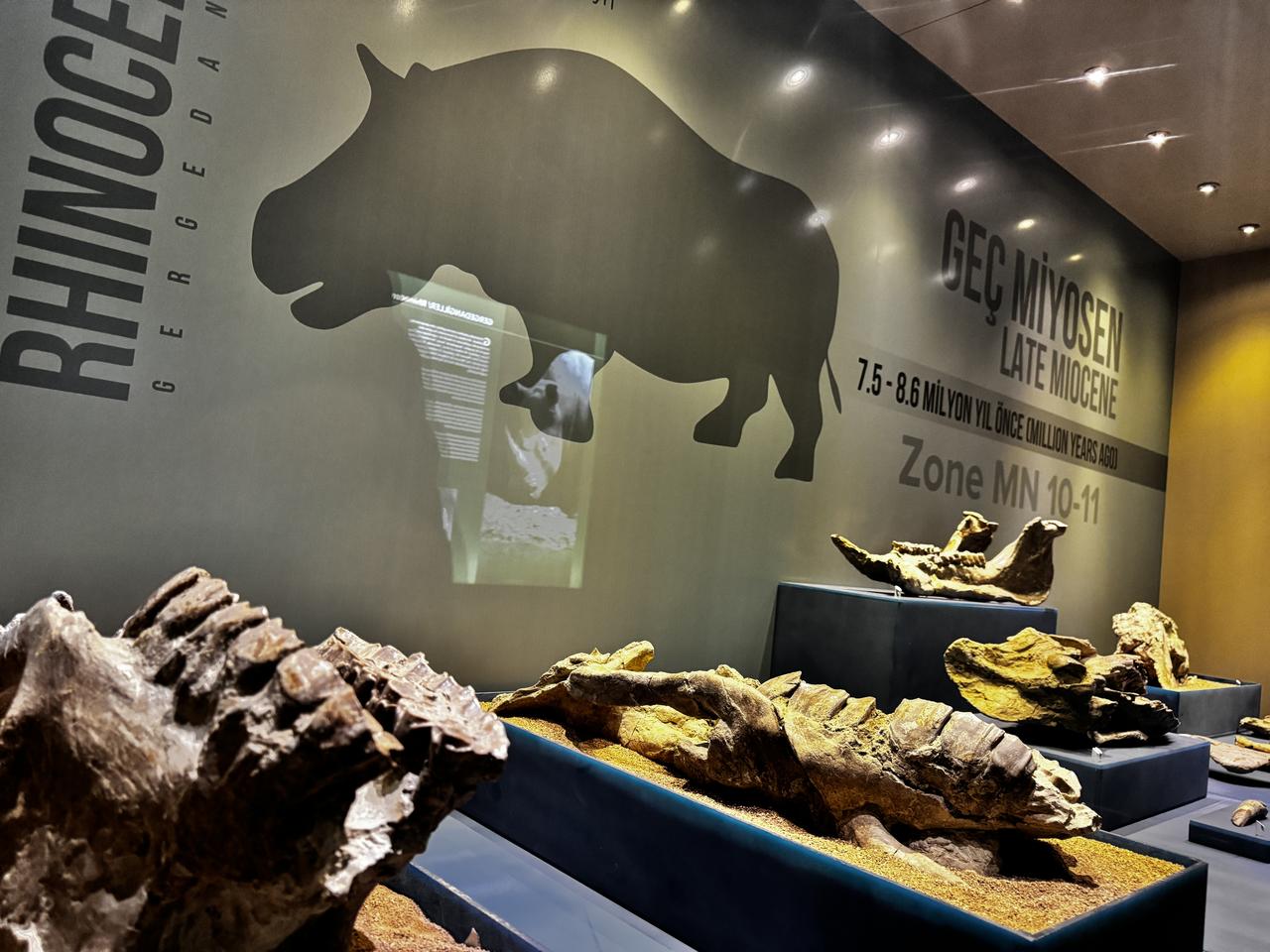
At the heart of the museum is its natural history section, which showcases fossils recovered from the Corakyerler Vertebrate Fossil Locality, one of Türkiye’s most significant paleontological sites. Excavations led by a research team from Ankara University have brought to light remains belonging to over 40 animal species, many of which lived in the region between eight and ten million years ago.
Among the most striking exhibits are fossils from ancient relatives of rhinoceroses, giraffes, horses, and elephant-like animals, displayed through skulls, jaws, and skeletal fragments. The highlight for many visitors is the fossil of a saber-toothed tiger, locally referred to as the Anatolian tiger, which stands out as one of the museum’s most distinctive pieces.
While fossils draw much of the attention, the museum also brings together archaeology and ethnography under one roof. Its archaeological displays walk visitors through key periods such as the Chalcolithic and Bronze Ages, followed by the Hittite, Hellenistic, and Eastern Roman eras, offering a chronological overview of civilizations that shaped the region.
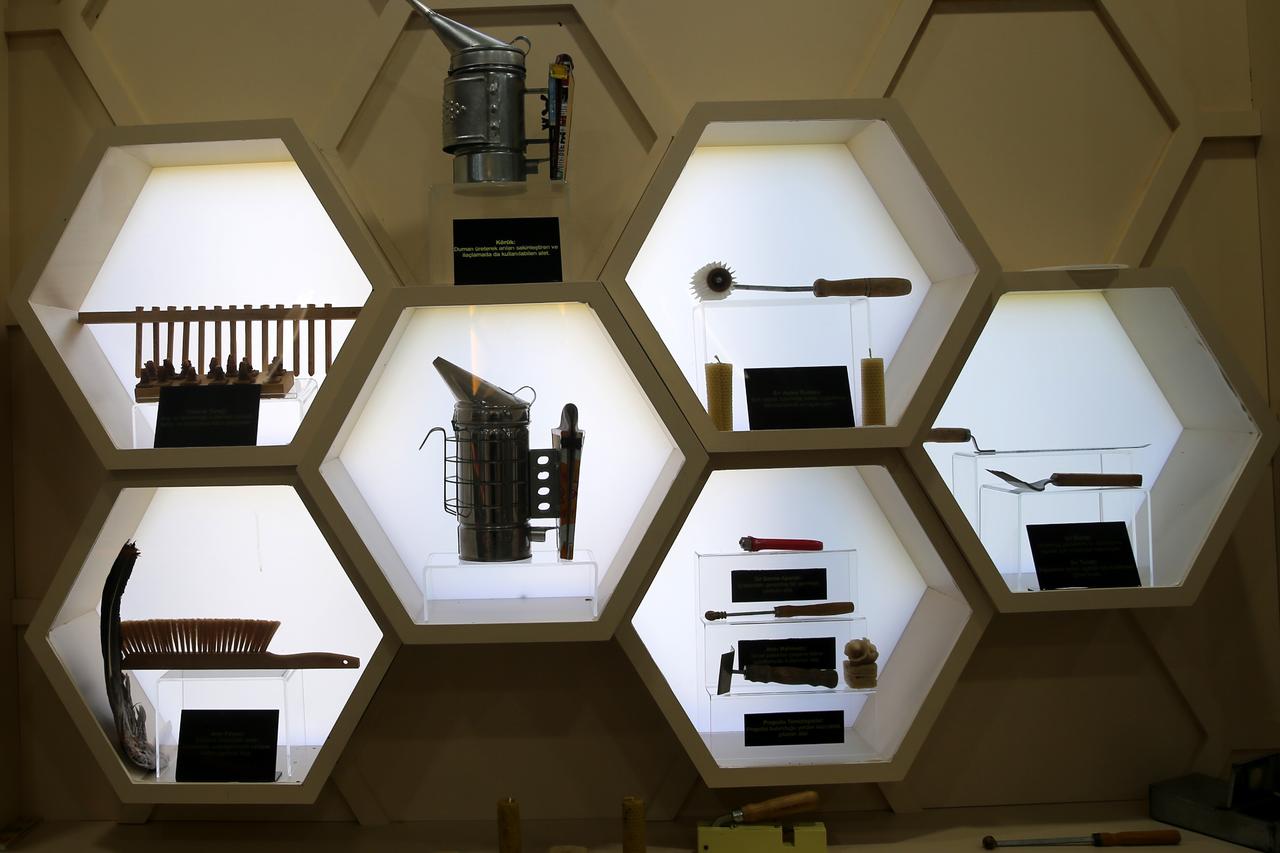
The ethnography section, meanwhile, focuses on local traditions and everyday life. Exhibits highlight the Istiklal Road, a historic supply route used during the Turkish War of Independence, as well as the yaren tradition, a form of communal social culture unique to the region. Displays related to local cuisine, dining customs, and a symbolic snake-entwined cup, widely recognized as an emblem of pharmacy, help visitors understand the cultural layers of Cankiri beyond its ancient past.
According to provincial culture and tourism officials, the museum recorded 38,514 visitors in 2025, a noticeable rise compared with previous years when annual numbers stood closer to 30,000. Officials link this growth partly to the Touristic Salt Express, a seasonal tourist train running from April through November, which brings visitors from major cities and nearby provinces directly to the region.
As rail-based tourism and regional travel continue to pick up, museum officials expect interest in the Cankiri Museum to keep building, supported by its rare fossil collection and its ability to tell a long, connected story of Anatolia’s natural and human history.


 Set as preferred source
 Set as preferred source


 2 min read