Close
newsletters Newsletters
X Instagram Youtube

Mit Rahina Open-Air Museum brings ancient Memphis back into view

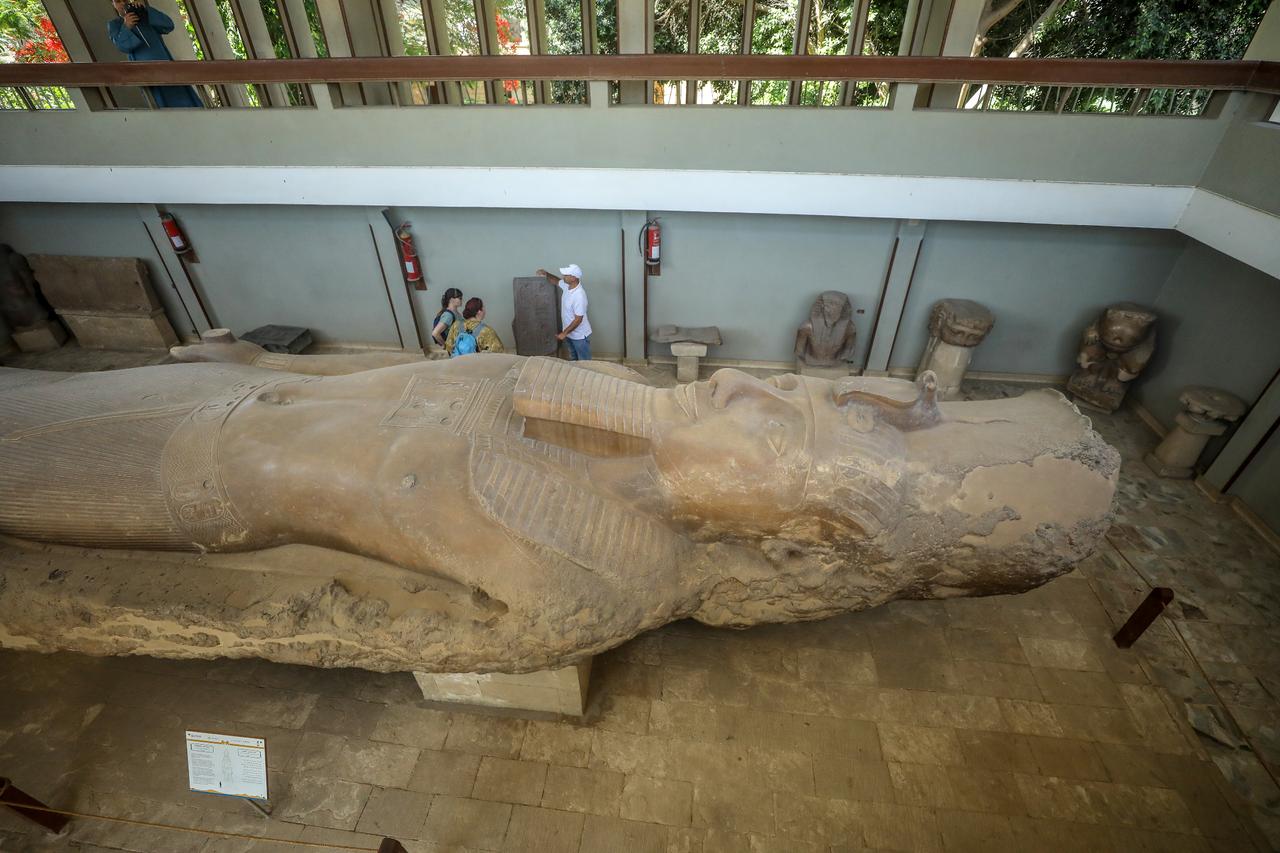
A view of the artifacts on display at the Mit Rahina open-air museum that hosts some of the most prominent evidence of the Pharaonic era, including the statue of Ramses II, as well as ancient temples and dozens of rare artifacts in Cairo, Egypt, June 17, 2026. (AA Photo)
Photo
BigPhoto
A view of the artifacts on display at the Mit Rahina open-air museum that hosts some of the most prominent evidence of the Pharaonic era, including the statue of Ramses II, as well as ancient temples and dozens of rare artifacts in Cairo, Egypt, June 17, 2026. (AA Photo)
June 18, 2026 11:32 AM GMT+03:00

The Mit Rahina Open-Air Museum, located south of Giza in Egypt, brings together key remains from ancient Memphis, the first capital of unified Egypt, and offers visitors a direct look at one of the most important political, religious, and cultural centers of the ancient world.

Established in 1985, the museum displays more than 60 artifacts found in the surrounding archaeological area. These include statues, sarcophagi, columns, and architectural remains that reflect the long history of Memphis and its role in the ancient Egyptian civilization.
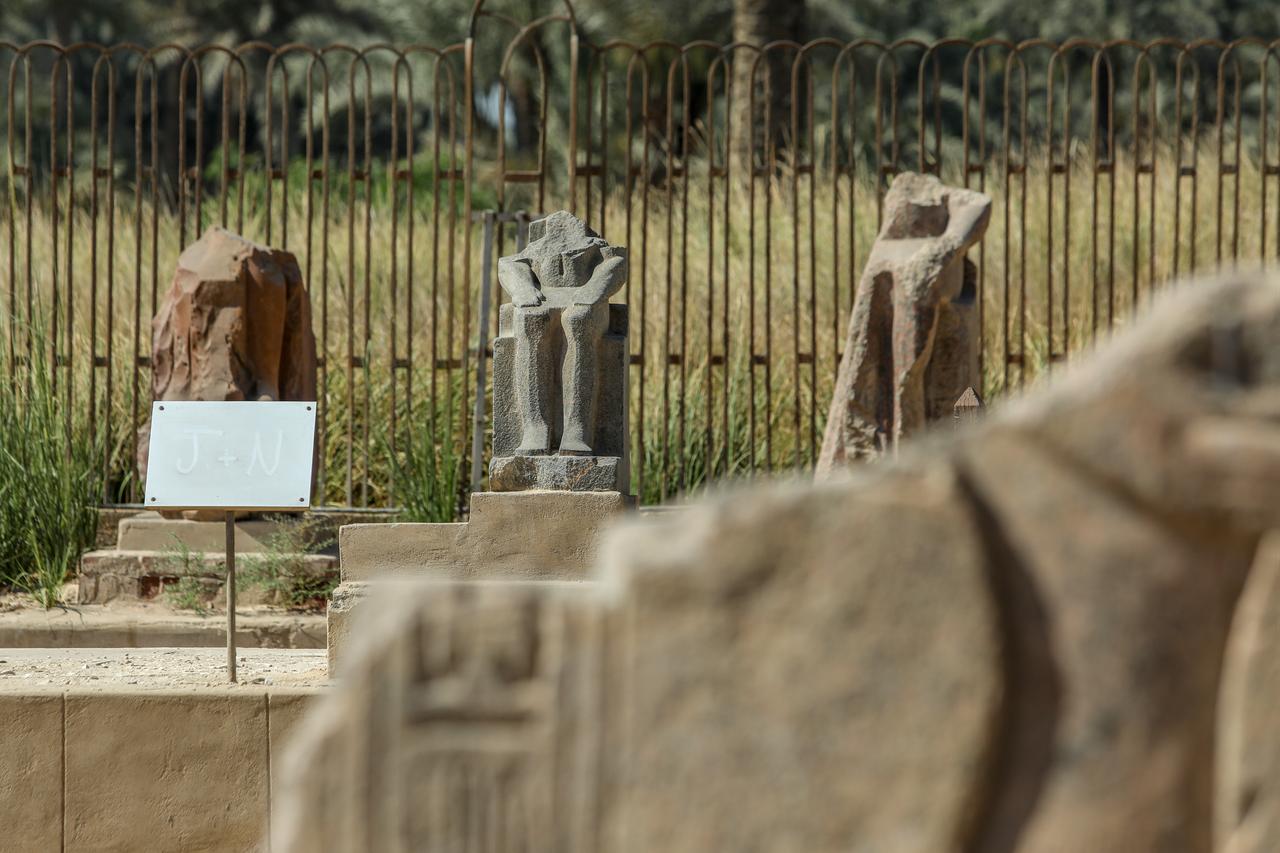
A view of the artifacts on display at the Mit Rahina open-air museum that hosts some of the most prominent evidence of the Pharaonic era, including the statue of Ramses II, as well as ancient temples and dozens of rare artifacts in Cairo, Egypt, June 17, 2026. (AA Photo)

Museum built around discoveries from Memphis

Unlike many museums where objects are removed from their original setting, the Mit Rahina Open-Air Museum sets out to preserve and display finds discovered at the site itself. This gives visitors a clearer sense of how the artifacts are connected to the wider archaeological landscape of Memphis.

The museum’s most striking feature is the massive reclining statue of Ramses II, one of the best-known monuments associated with ancient Egypt. The statue stands out as the centerpiece of the open-air site and remains one of its main attractions.
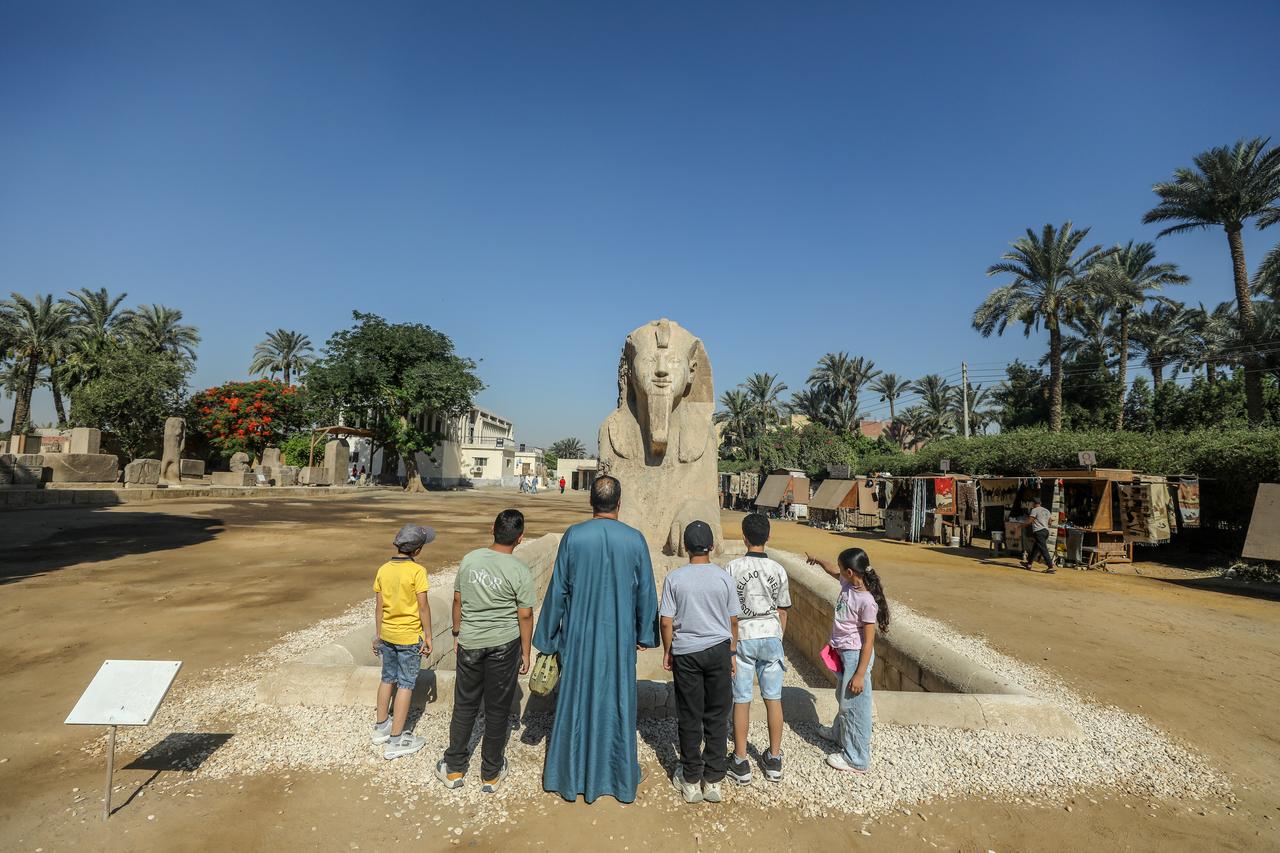
A view of the artifacts on display at the Mit Rahina open-air museum that hosts some of the most prominent evidence of the Pharaonic era, including the statue of Ramses II, as well as ancient temples and dozens of rare artifacts in Cairo, Egypt, June 17, 2026. (AA Photo)

Religious, ceremonial remains deepen story

The museum also opens up access to remains linked to major religious and ceremonial structures from ancient Memphis. These include areas connected with the Great Temple of Ptah, the Temple of Hathor and the embalming temple of the sacred Apis bull.

For international visitors, the Apis bull refers to a sacred animal in ancient Egyptian religion, closely associated with worship and ritual practice. Its embalming temple points to the religious importance of Memphis beyond its political role as an early capital.
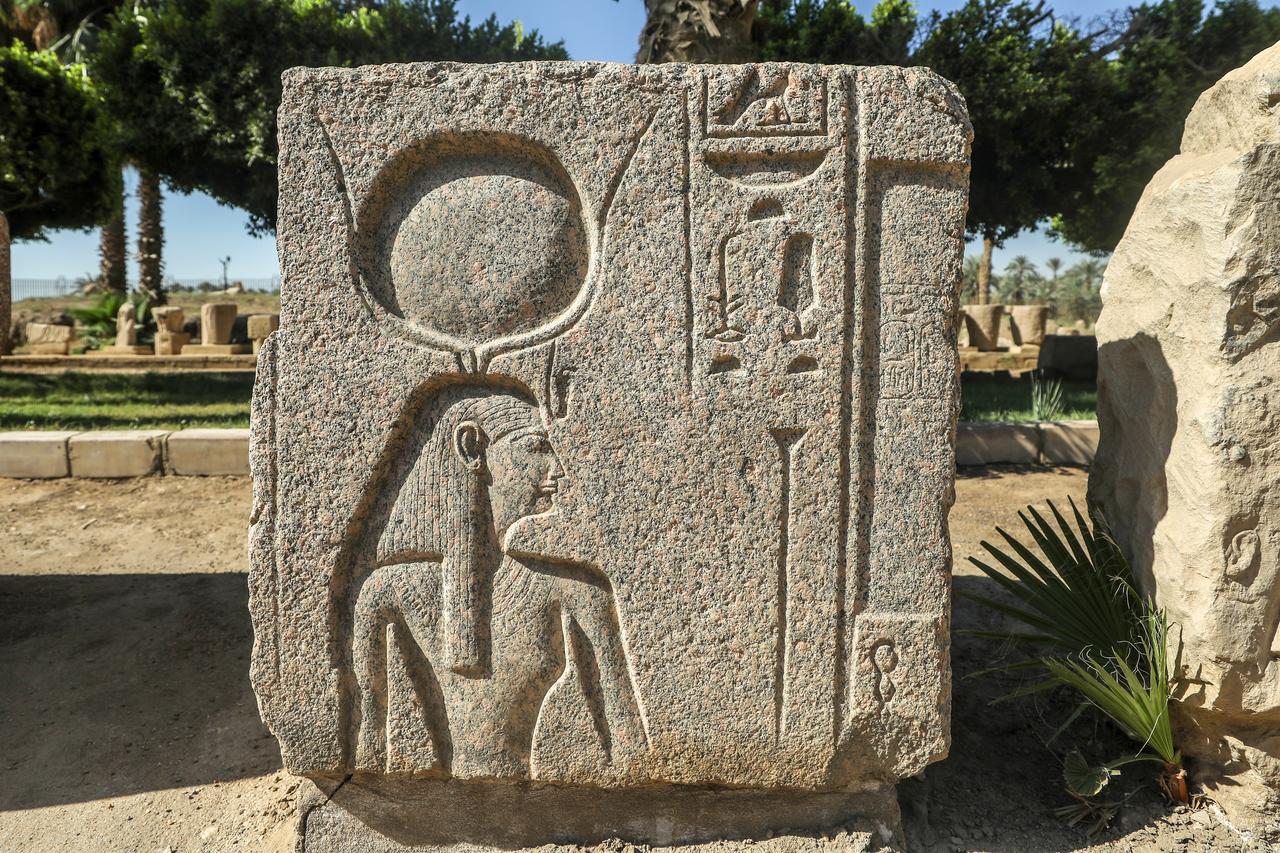
A view of the artifacts on display at the Mit Rahina open-air museum that hosts some of the most prominent evidence of the Pharaonic era, including the statue of Ramses II, as well as ancient temples and dozens of rare artifacts in Cairo, Egypt, June 17, 2026. (AA Photo)

New finds keep Mit Rahina in archaeological focus

Archaeologists say the museum plays an important role in preserving discoveries made in the area while helping visitors understand the political, cultural and religious significance of ancient Memphis.

The site continues to draw archaeological attention. Earlier this year, a joint Egyptian-Chinese mission announced the discovery of a limestone structure believed to be part of the temple of King Apries, adding another layer to the historical importance of the Mit Rahina archaeological site.

June 18, 2026 11:32 AM GMT+03:00
More From Türkiye Today