Newsletters


An exhibition presenting Ottoman mosques through the traditional arts of illumination and miniature opened at the Moscow Central Mosque, bringing together works that reinterpret centuries of Islamic architectural and decorative heritage.
The exhibition titled "Kubbe-i Mina: Ottoman Mosques in Illumination and Miniature Art" was organized in cooperation with Türkiye's Embassy in Moscow, the Moscow Yunus Emre Institute, the Izmir Olgunlasma Institute of Türkiye's Ministry of National Education, and the Religious Administration of Muslims of the Russian Federation, with support from Turkish Airlines.
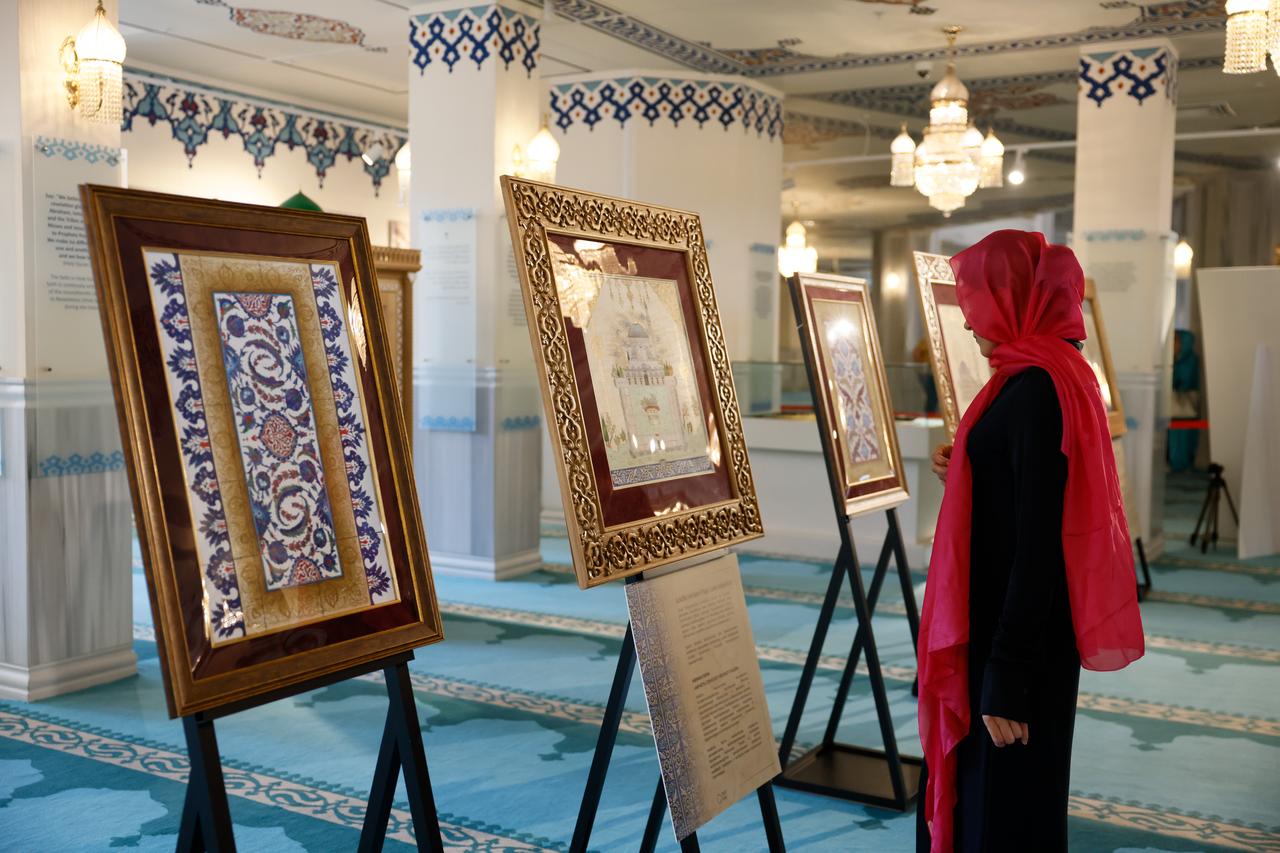

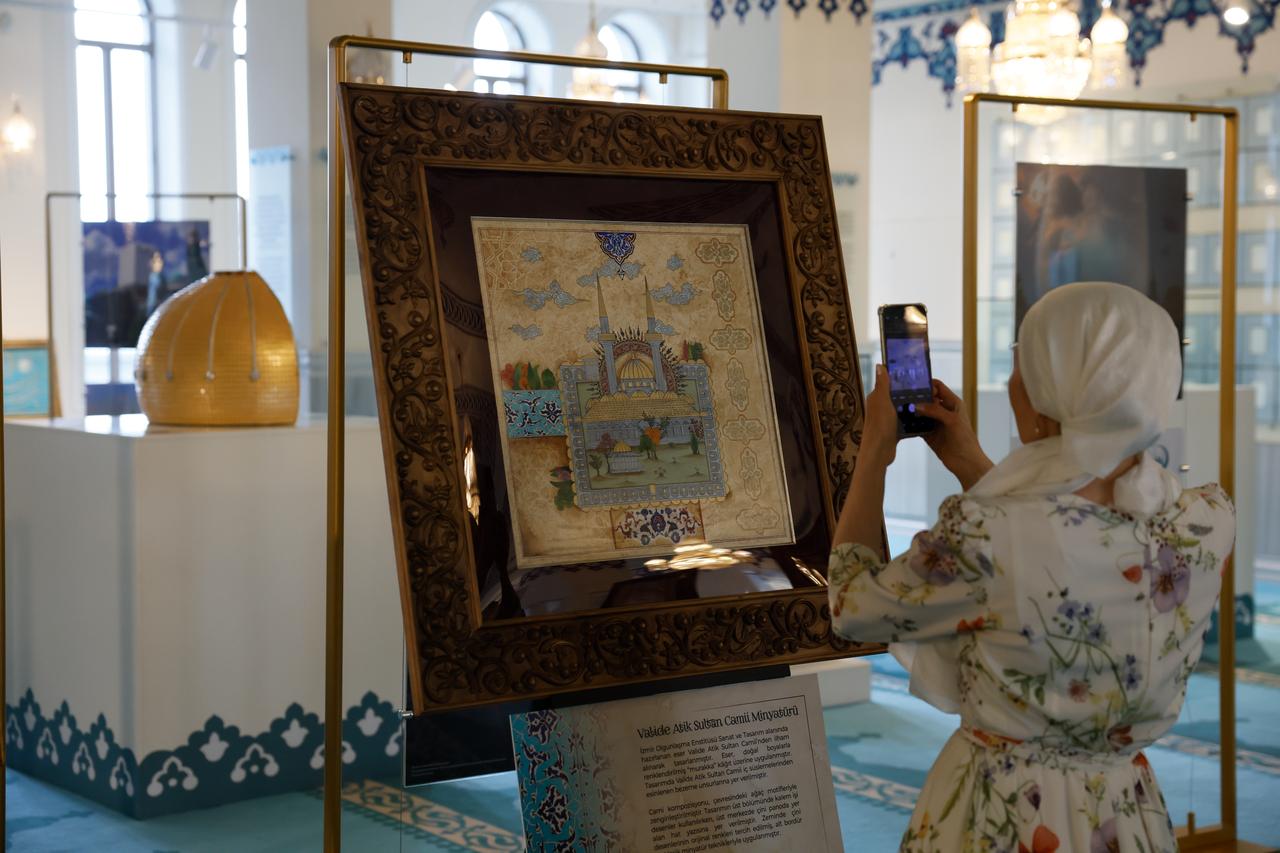
The exhibition features miniature depictions and illuminated decorations inspired by several Ottoman mosques, including the Sultan Ahmet Mosque in Istanbul and the Bursa Ulu Mosque.
Illumination, known in Turkish as tezhip, refers to the decorative art of ornamenting manuscripts and surfaces with detailed patterns, often using gold and vivid colors. Miniature art, meanwhile, is a refined painting tradition known for its detailed visual storytelling.
By bringing these two art forms together, the exhibition sets out to introduce visitors in Russia to the elegance of Türkiye's mosque architecture and the depth of its decorative traditions.
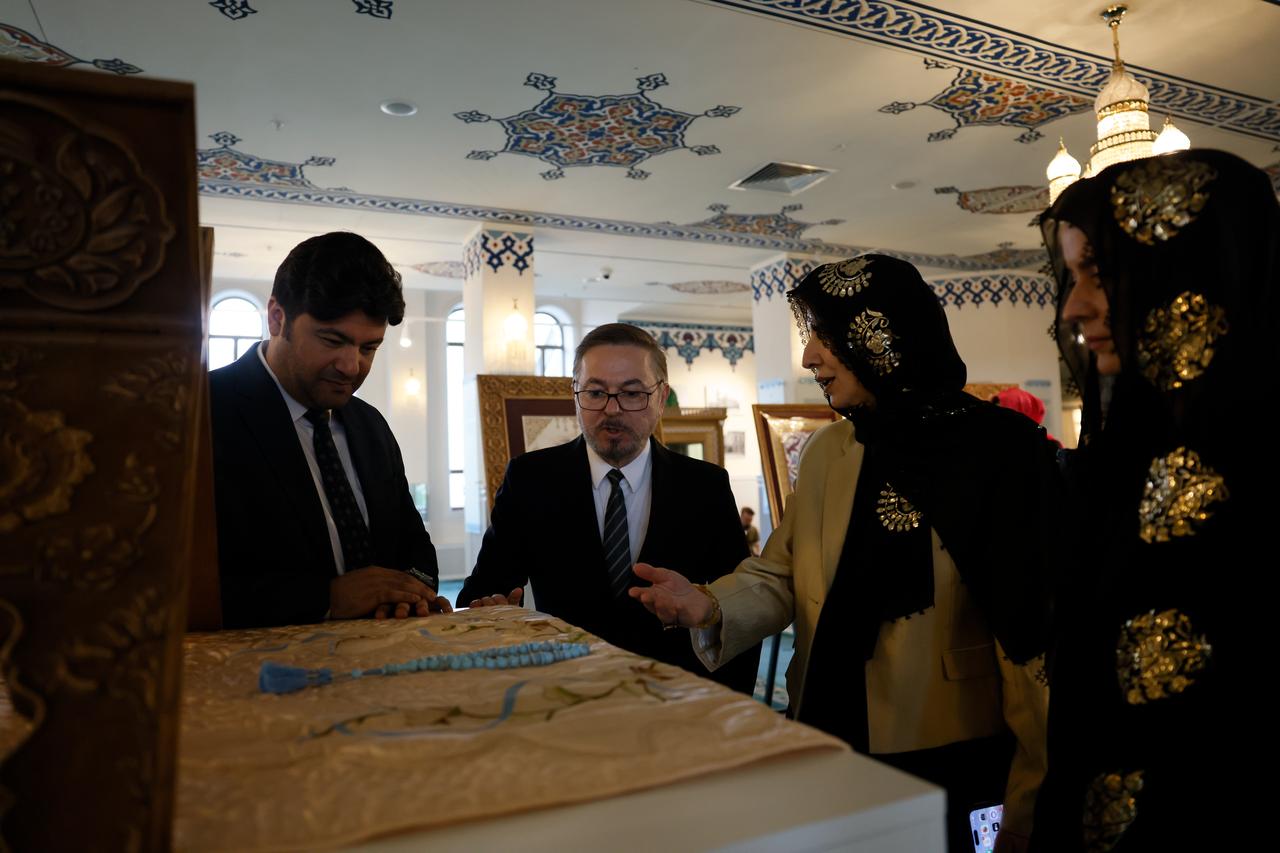
The opening ceremony began with a recitation from the Quran and was attended by Türkiye's Ambassador to Moscow Tanju Bilgic, Religious Administration of Muslims of the Russian Federation Chairman Ravil Gaynutdin, Moscow Yunus Emre Institute Coordinator Ersin Akbulut, Izmir Olgunlasma Institute Director Sule Aydin, diplomats from several Islamic and Arab countries, Turkish businesspeople, and Russian and Turkish visitors.
Speaking at the ceremony, Bilgic said the exhibition aims to present the grace of mosques in Türkiye and the fine details of the country's ornamental tradition to the Russian public.
He said the works also reflect a civilizational heritage shaped over centuries, adding: "These works also reflect a civilizational accumulation shaped over centuries."
Bilgic noted that cultural and artistic relations between Türkiye and Russia have been developing in a highly satisfactory way. He pointed to the 2015 opening of the Moscow Central Mosque by President Recep Tayyip Erdogan and Russian President Vladimir Putin as another important example of cooperation between the two countries.
He also said each cultural event contributes to strengthening cultural relations between Türkiye and Russia, stressing that both countries have deep histories, rich cultural heritage and strong artistic traditions.
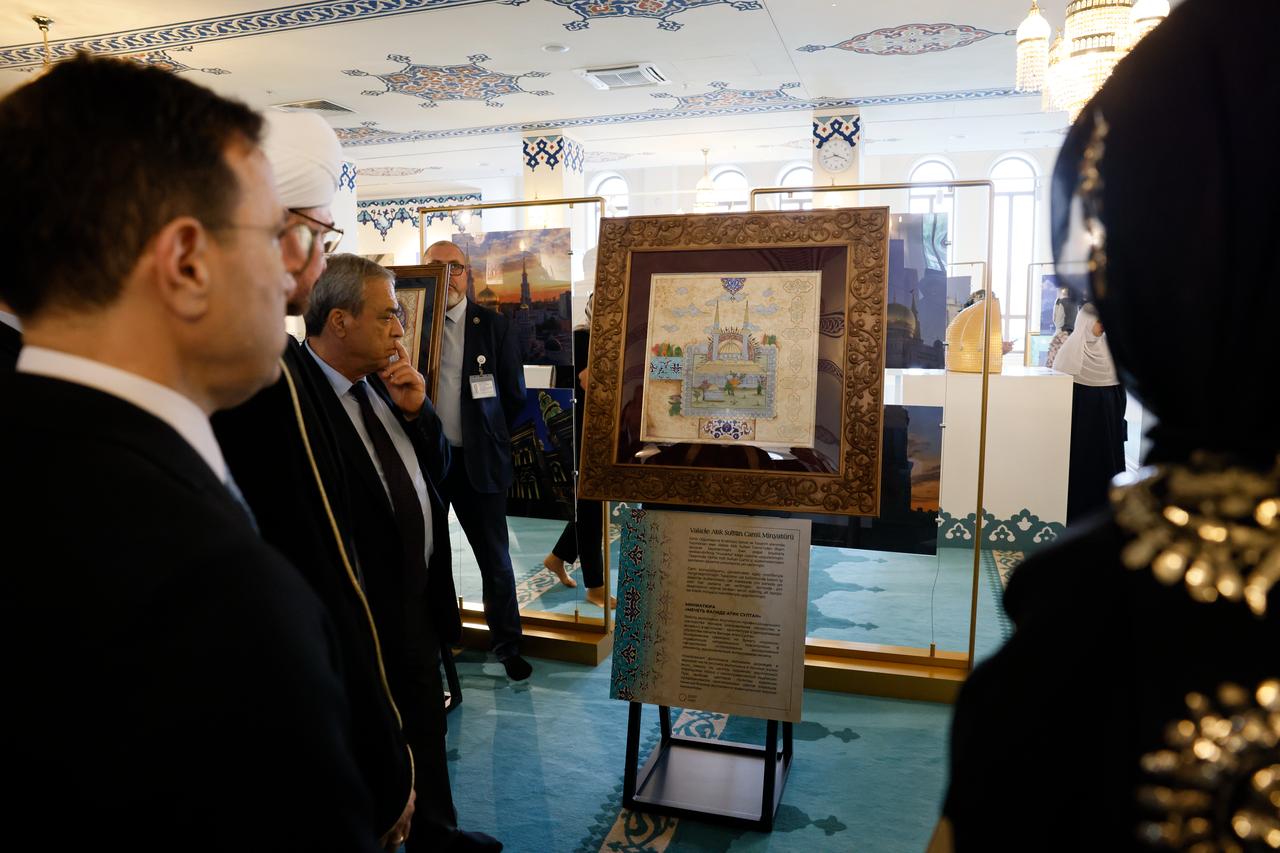
Gaynutdin said the purpose of holding the exhibition in Russia's main mosque was to introduce the Russian public to "the richness and beauty of Islamic culture."
He also underlined that the Islamic Museum inside the Moscow Central Mosque, already recognized as a cultural venue in the Russian capital, presents the diversity of Islamic civilization across centuries.
Gaynutdin said such exhibition initiatives have long contributed to the development of humanitarian ties between Russia and friendly countries.
The exhibition at the Moscow Central Mosque will remain open to visitors until July 2.


 Set as preferred source
 Set as preferred source


 2 min read