Newsletters


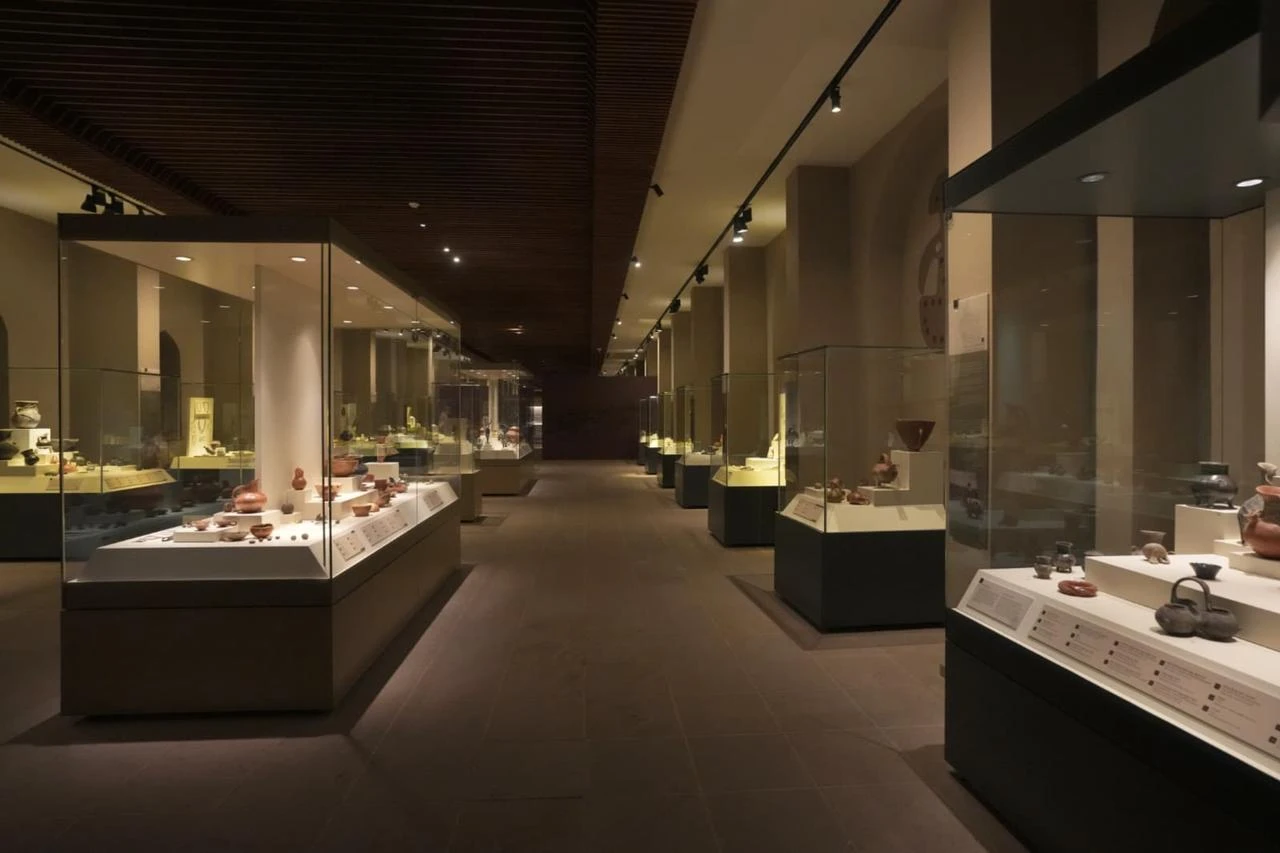


Ankara's Museum of Anatolian Civilizations will put 288 artifacts on public display for the first time as part of an extensive renewal project designed to bring the institution in line with contemporary museum practices.
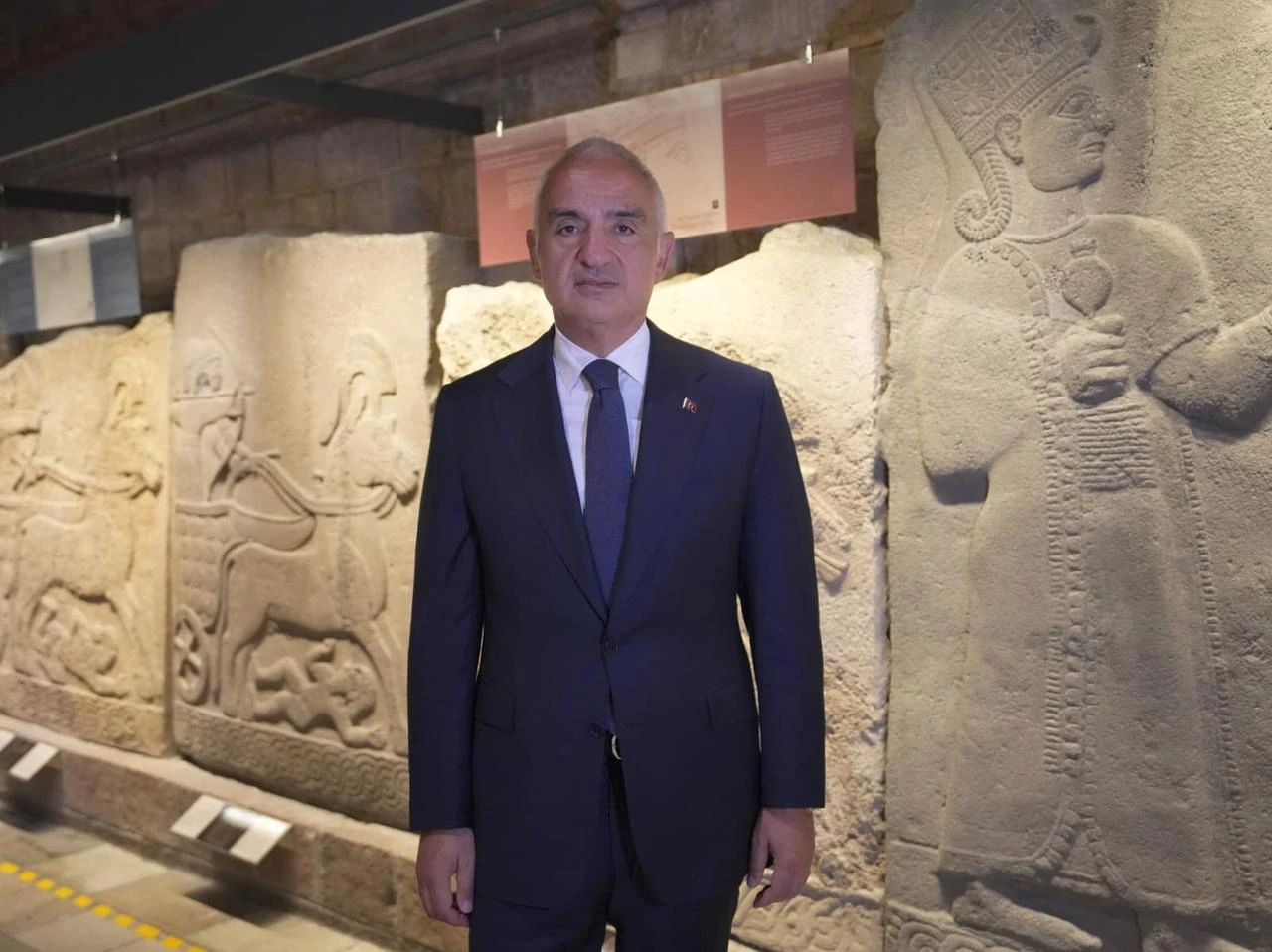
Türkiye's Culture and Tourism Minister Mehmet Nuri Ersoy announced the additions while inspecting the updated exhibition areas at the museum, one of the country's most prominent archaeological institutions.
Ersoy said the renewal work, which began in May 2026, had reshaped the museum's displays, visitor routes, and presentation methods while preserving the chronological account of civilizations that developed across Anatolia.
"One of the most important gains from these renewal efforts is that 288 artifacts will meet visitors for the first time," Ersoy said.

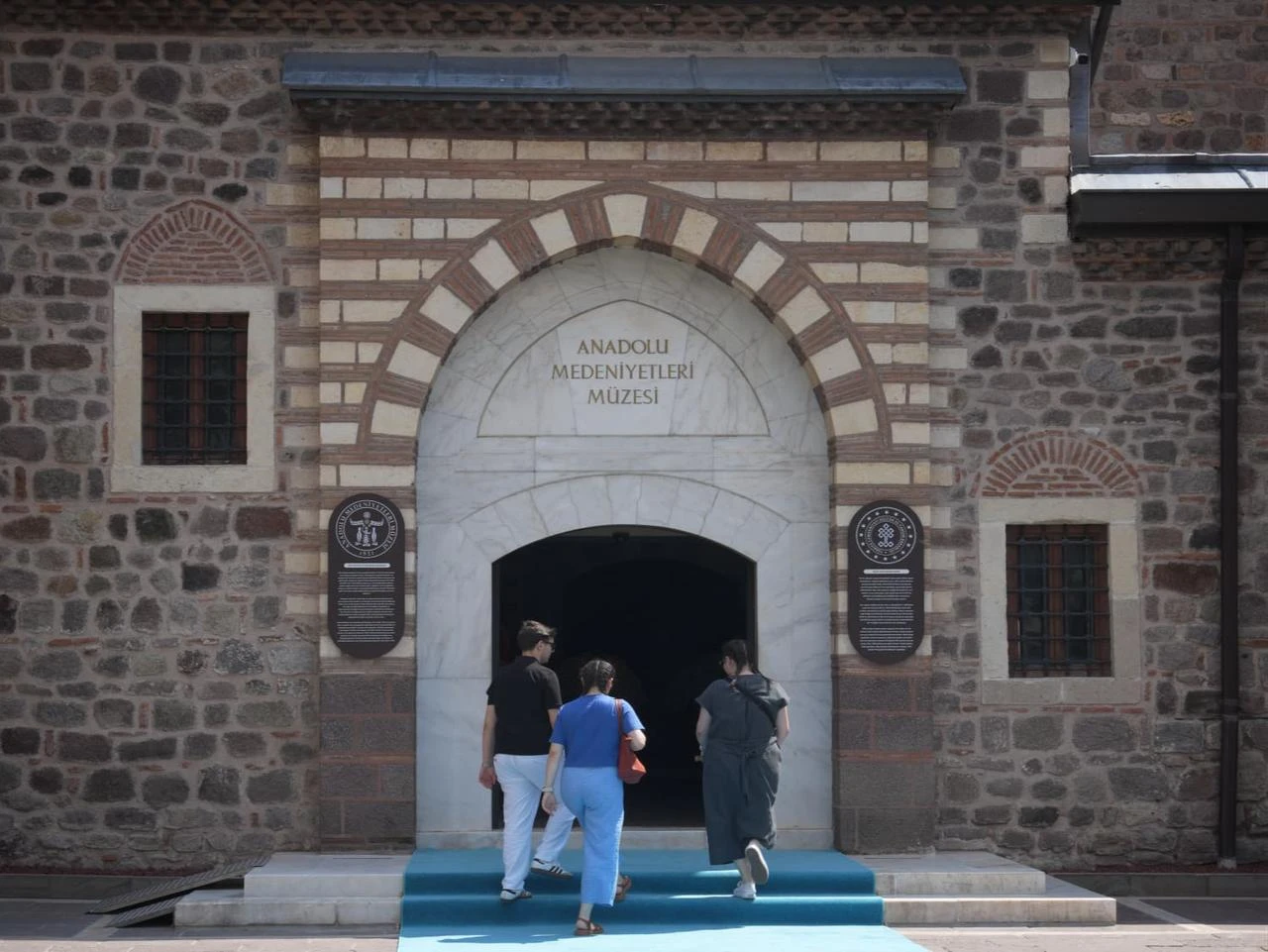
The museum operates within the Mahmut Pasha Bedesten and Kursunlu Han, two major Ottoman-era buildings constructed during the reign of Sultan Mehmed II, also known as Mehmed the Conqueror.
Ersoy said the nearly six-century-old buildings were turned into a museum during the early years of the Republic under the instructions of Mustafa Kemal Ataturk, setting up a scientific framework for preserving and passing down Anatolia's cultural heritage.
The institution began to take shape in 1921 through the idea of establishing an "Eti Museum" and reached its current form after a lengthy restoration process that started in 1938. It was named European Museum of the Year in 1997.
Today, the museum lays out the continuous story of Anatolian civilizations from the Paleolithic period onward and remains one of the world's leading archaeological museums, according to Ersoy.
The new arrangement introduces a gathering area for organized groups in front of the museum and designated stopping points where guides can carry out presentations more effectively.
Totems featuring the names of Anatolian civilizations have also been set up at the entrance, while new spatial arrangements have been brought in to make it easier for visitors to move through the museum.
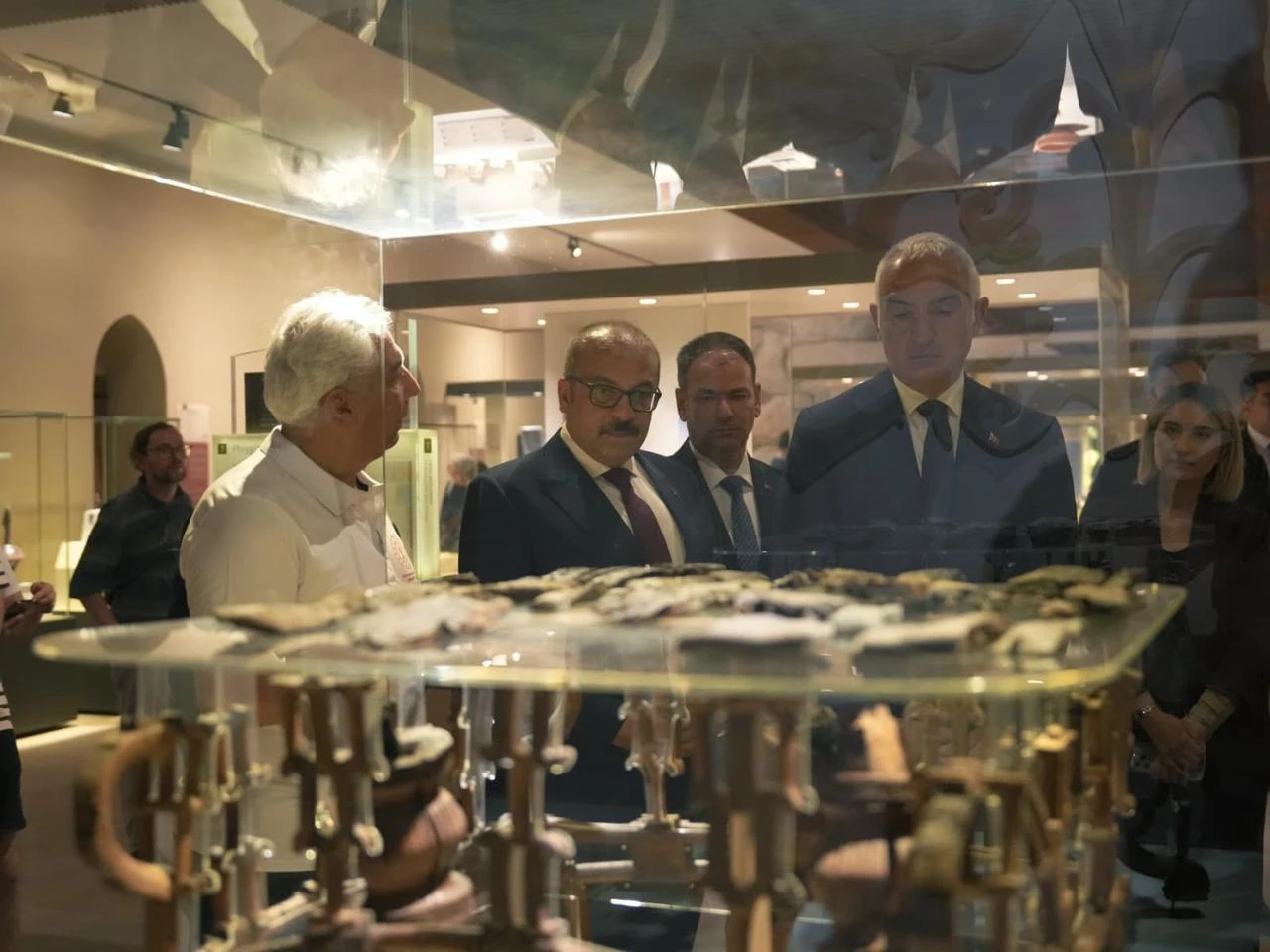
The renewed route links the exhibition sections more closely, allowing visitors to follow Anatolian history through a clearer and more continuous chronological sequence.
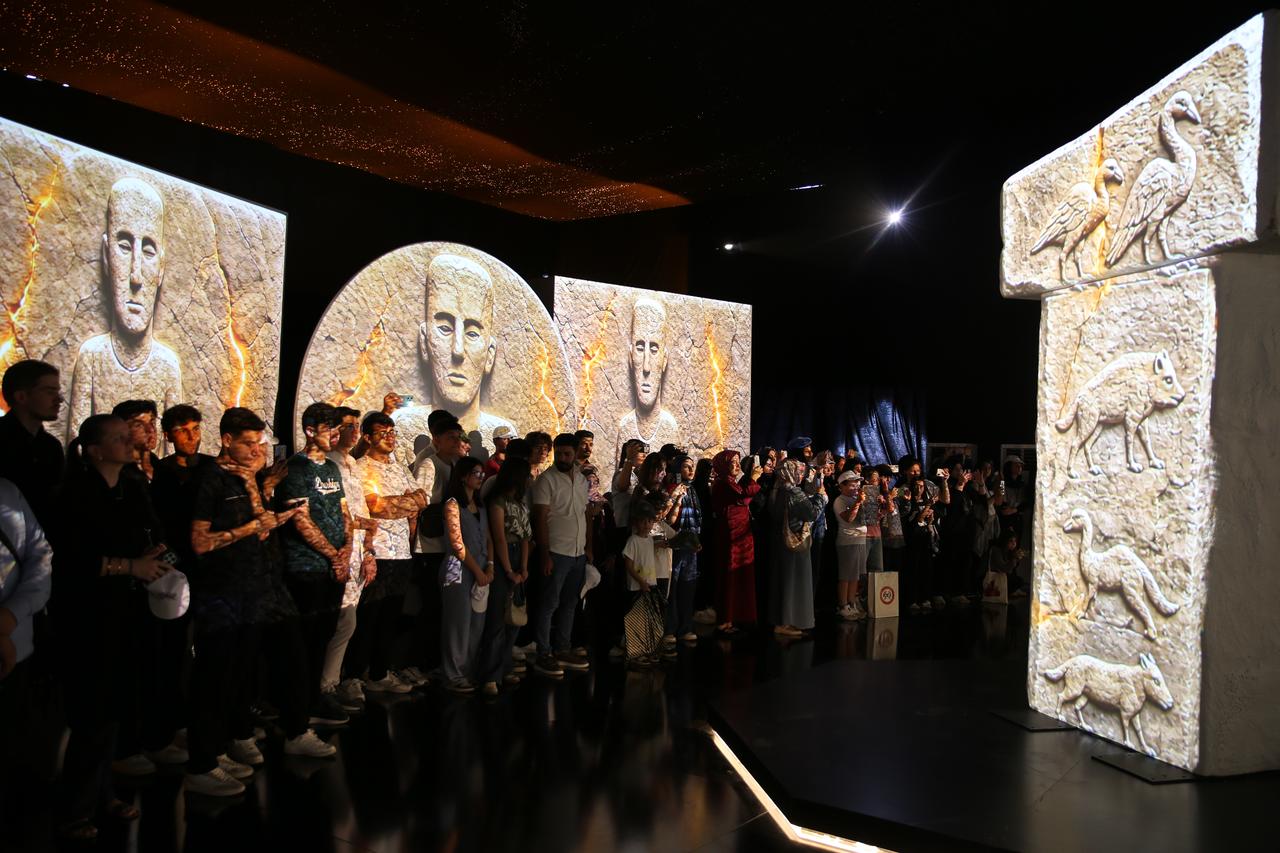
A reconstructed display associated with the Gobeklitepe cult has been introduced, while the pedestal and lighting of the Mother Goddess Cybele statue have been renewed to bring out the visual impact of one of Anatolia's symbolic artifacts.
The museum garden has also been reorganized to highlight the architectural character of the historic complex and improve the presentation of movable cultural assets displayed outdoors.
Further work is planned to update the Ankara and Classical Period sections and bring the basement exhibition areas into the main visitor route. Newly uncovered objects will also be added as these sections are completed.
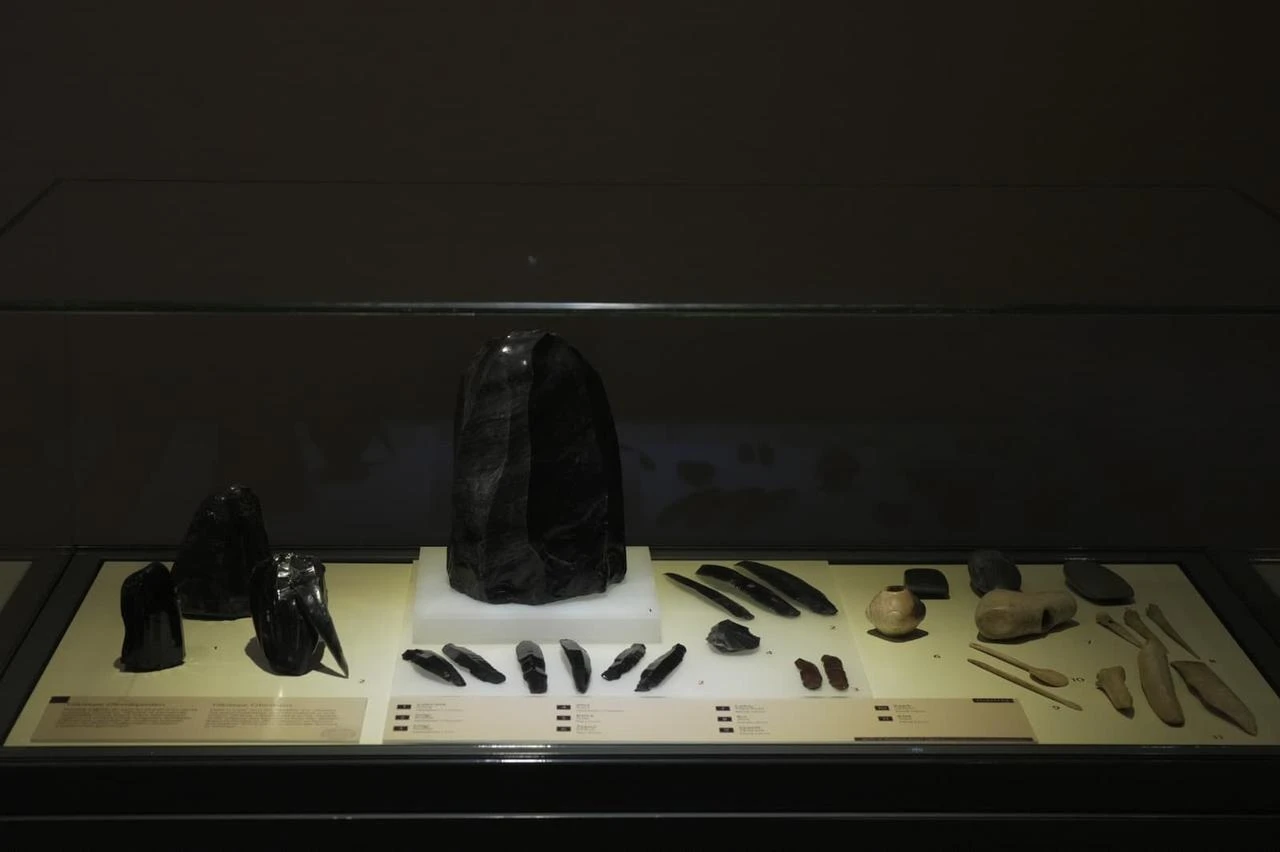
Among the artifacts entering the new display are cultural assets brought back to Türkiye through the Culture and Tourism Ministry's efforts against the illegal trafficking of antiquities.
Ersoy said these works would not only tell the stories of the civilizations to which they belonged but would also help build up public awareness about protecting cultural heritage.
"Each of these artifacts is a silent witness to the civilization to which it belongs. They will not only tell us about our past but will also take on an important role in raising awareness across society about the protection of cultural assets," he said.
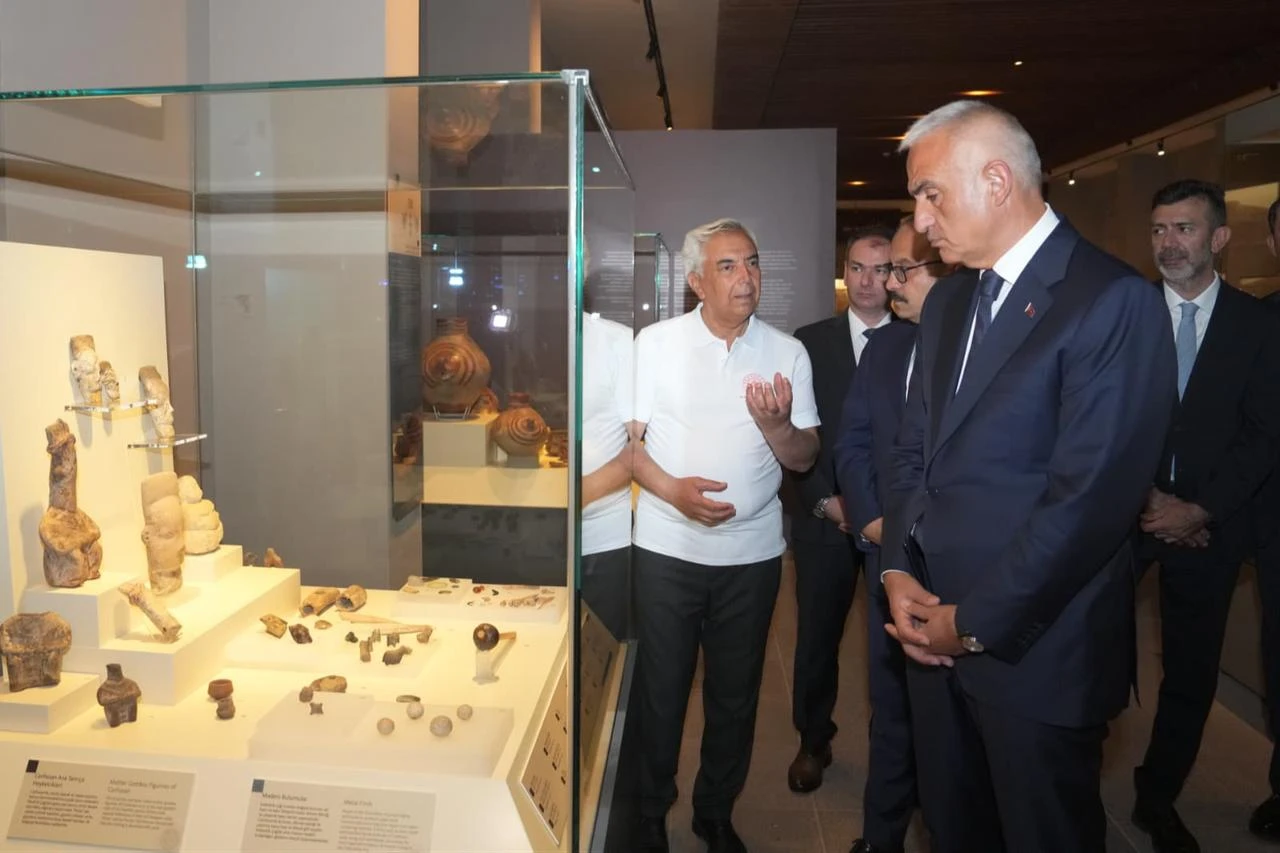
Ersoy said museums were no longer simply places where objects were exhibited but living cultural centers where education, research, cultural diplomacy, and digital technologies came together.
He added that the renewal aimed to strengthen an accessible and sustainable museum approach that could protect the past while explaining it more effectively to visitors of all ages.
The updated exhibition arrangement is expected to offer a more connected and comprehensive account of Anatolia's cultural history while opening up previously unseen parts of the museum's collection to the public.


 Set as preferred source
 Set as preferred source



 1 min read