Sign in
 Newsletters


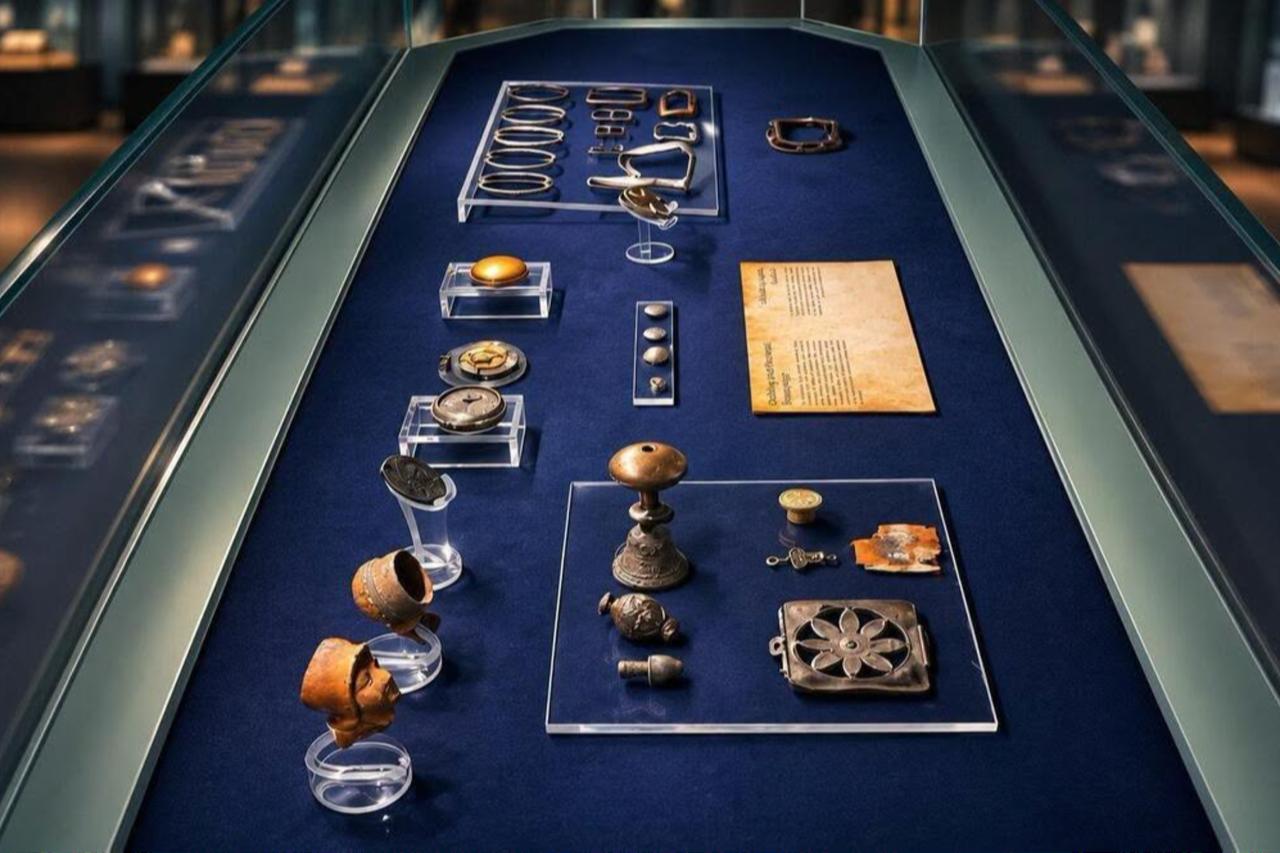


Artifacts recovered from French warships sunk during the Battle of the Nile in 1798 have gone on display in Cairo, offering visitors a closer look at the naval defeat that left Napoleon Bonaparte's army in Egypt largely cut off from support by sea.
The exhibition, titled "Napoleon's Fleet: Stories Told by the Sea," opened at the National Museum of Egyptian Civilization and brings together weapons, coins, plates, cutlery and fragments of vessels recovered from the Mediterranean seabed, particularly around Alexandria and Abu Qir Bay.
Organized by Egypt's Ministry of Tourism and Antiquities, the exhibition coincides with Underwater Cultural Heritage Day and marks the 30th anniversary of the country's General Department of Underwater Antiquities. Tourism and Antiquities Minister Sherif Fathy attended the opening and viewed the collection.
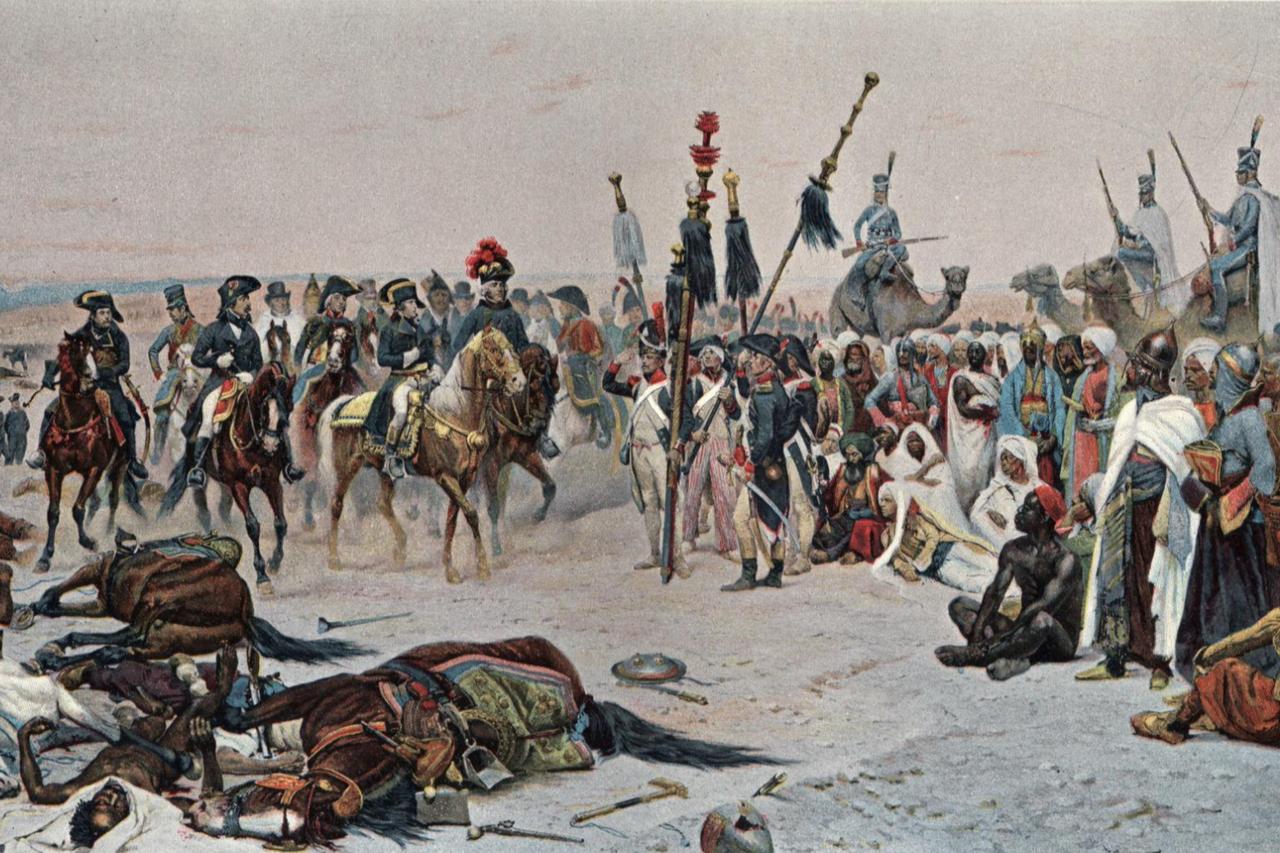
The artifacts date to the French campaign in Egypt between 1798 and 1801, when Napoleon sought to expand French influence in the region while challenging British interests.
In August 1798, a British fleet under Adm. Horatio Nelson defeated French warships anchored in Abu Qir Bay, near Alexandria, in the Battle of the Nile.
The confrontation destroyed much of France's naval presence in the Mediterranean and severely disrupted Napoleon's ability to receive supplies and reinforcements by sea.
Among the ships lost was L'Orient, the French flagship, which exploded during the battle. Its remains, along with those of three other French warships, were eventually located by underwater archaeologists.
The search for Napoleon's sunken fleet made significant progress in 1983, when a French-Egyptian archaeological team led by Jacques Dumas discovered the first wreck remains in Abu Qir Bay.
Further investigations carried out by French marine archaeologist Franck Goddio in 1998 helped map the wreck sites and reconstruct the positions of the French vessels during the battle.
The expeditions also brought up numerous objects from the seabed, providing archaeological evidence of the confrontation more than two centuries after the ships went down.
Egyptian tourism expert Moataz el-Sayed, a former head of the country's tourism professionals' union, told Anadolu that underwater discoveries help shed light on Egypt's history, including its Greco-Roman period, while also attracting visitors.
He described the Mediterranean as a vast repository of historical remains, noting that many underwater artifacts have yet to be discovered.
However, he pointed out that locating and recovering such objects involves years of research, extensive archaeological work and substantial funding.
Sayed added that discoveries such as Napoleon's fleet could encourage tourists to spend more time in Alexandria, a city he said holds considerable archaeological treasures deserving greater attention.


 Set as preferred source
 Set as preferred source


 1 min read
 1 min read