Newsletters


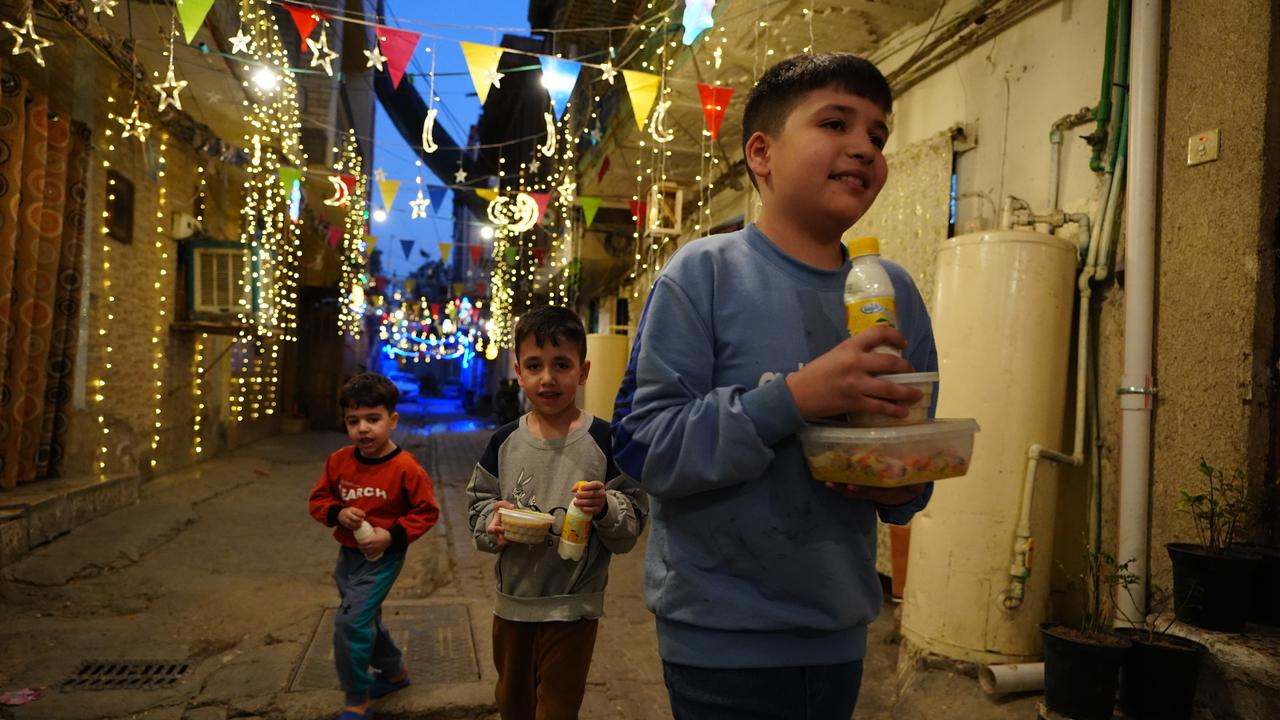
In Iraq’s capital Baghdad, residents continue to carry on a long-standing Ramadan tradition known as “iftar from neighbor to neighbor,” where families prepare plates of food and send them to nearby homes before the evening call to prayer that marks the end of the daily fast.
The custom remains particularly visible in the city’s older and densely populated neighborhoods, where residents keep the practice alive as a reflection of the solidarity and brotherhood associated with the holy month of Ramadan.
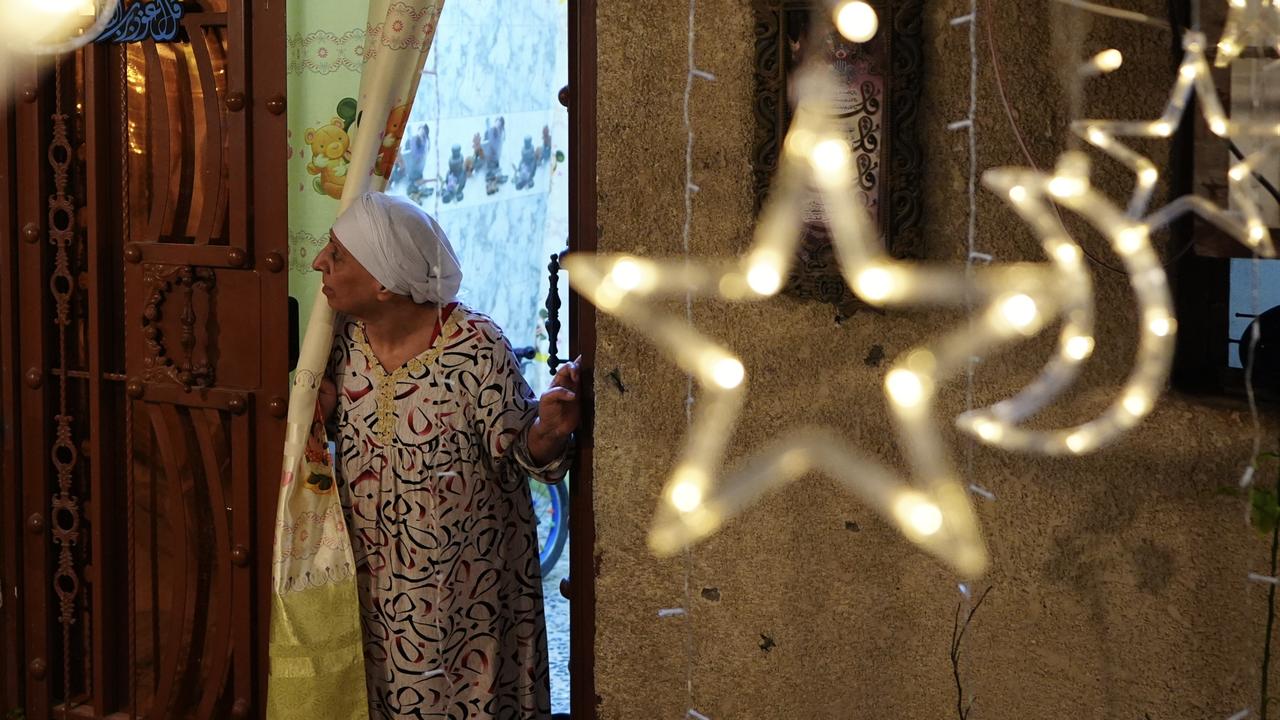
As sunset approaches and families prepare to break their fast, households put together small plates of the meals they have cooked for iftar, the evening meal that ends the daily Ramadan fast.
These dishes are then sent to neighboring homes shortly before the call to prayer. The exchange creates a shared sense of community across the neighborhood, as food moves from one house to another in a quiet but meaningful ritual repeated throughout the month.
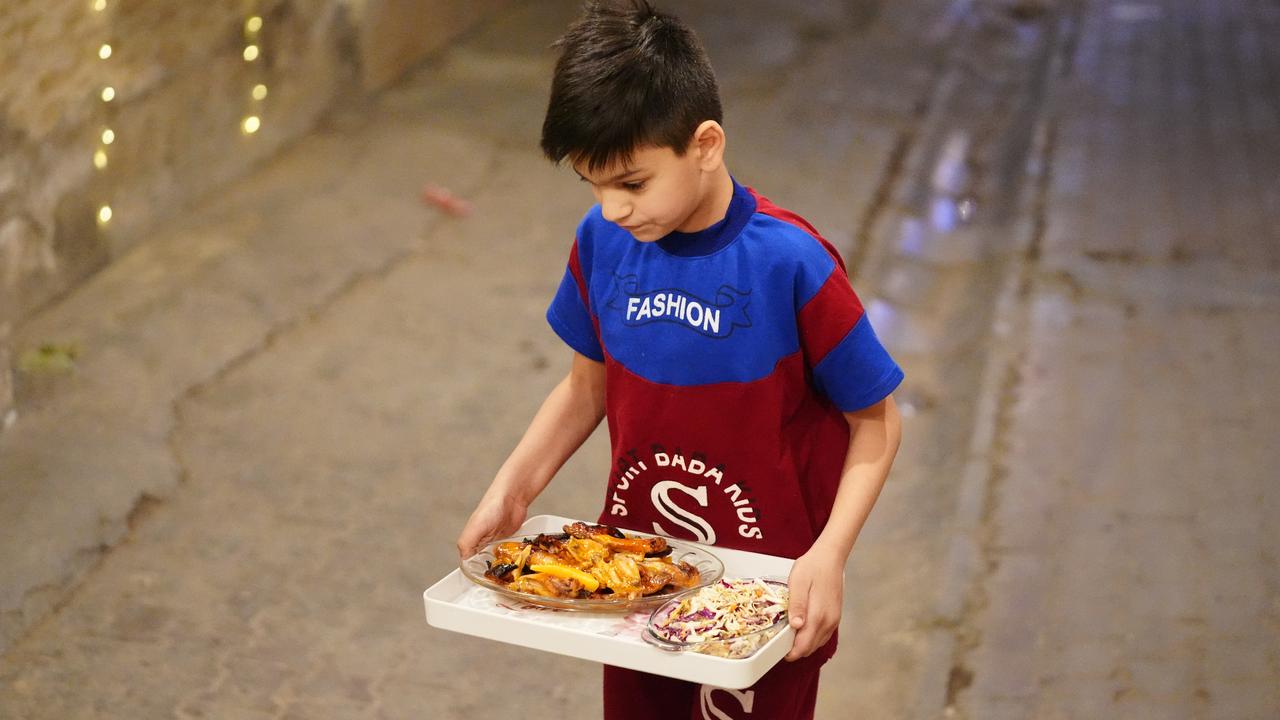
In many cases, children take on the role of delivering the prepared dishes. Carrying bowls or plates carefully from door to door, they bring food prepared by their families to nearby homes.
This practice not only helps maintain the tradition but also introduces younger generations to customs passed down from their elders.
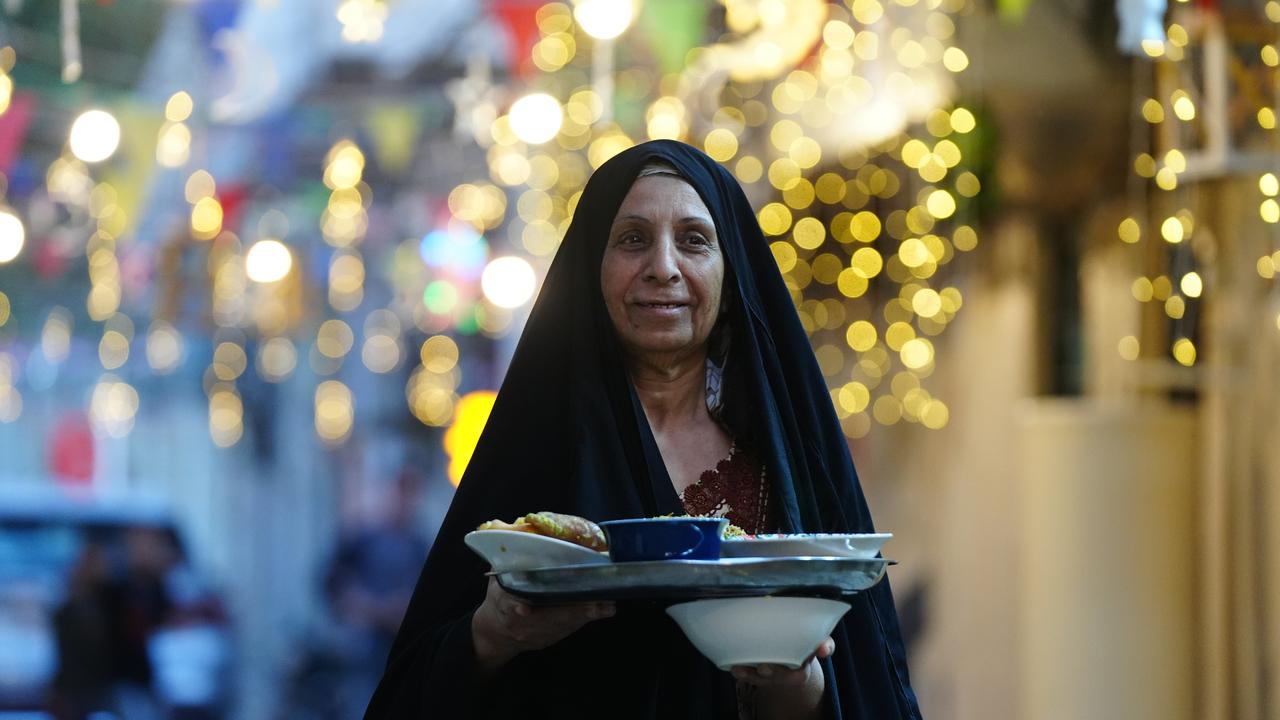
The shared dishes typically include foods associated with Ramadan in Iraq. Plates often contain soup, rice, dolma, vegetables stuffed with rice or meat, and sambosa, a fried pastry filled with savory ingredients.
Dates and drinks commonly prepared during Ramadan are also added, creating a mix of flavors that reflect the festive character of the month.
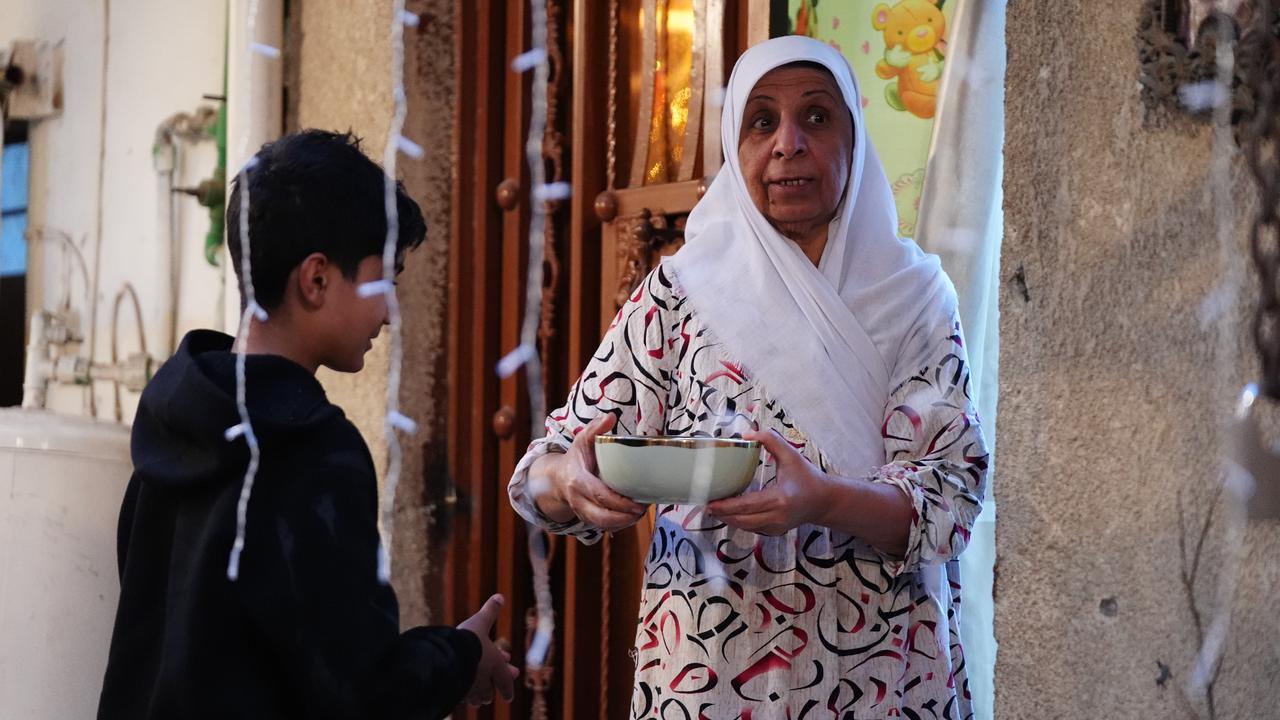
The practice continues in districts such as Shavvake, one of Baghdad’s long-established neighborhoods where residents say the tradition has endured despite the city’s rapid social changes.
Families in these areas describe the exchange of food as a way to preserve neighborhood ties and maintain everyday connections among residents.
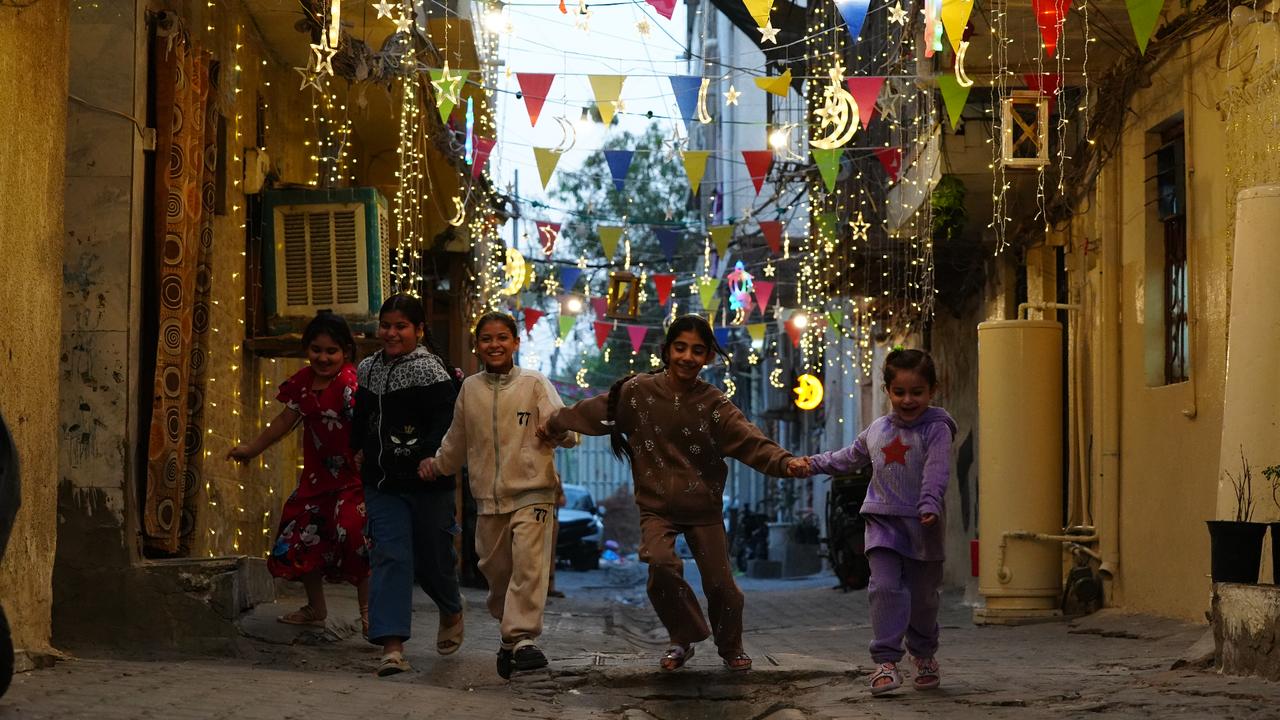
Local resident Haydar Abu Sejjad described the exchange as a tradition inherited from earlier generations and still taught to children today.
He explained that when a child arrives at a neighbor’s house carrying a plate of soup or another dish, the plate never returns empty, since the neighbor adds food to it before sending the child back home.
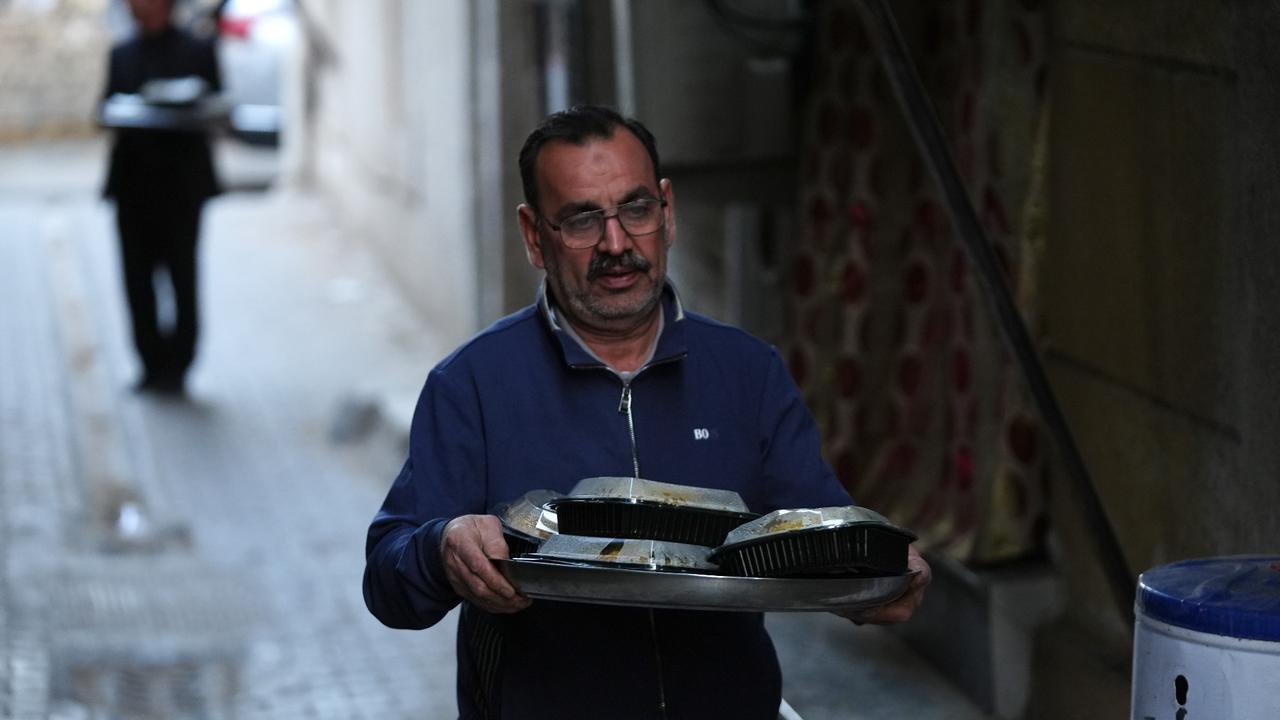
Residents say the practice also helps pass down values associated with Ramadan, including generosity and community care.
By asking children to take part in delivering the dishes, families encourage them to learn the importance of helping neighbors and maintaining social bonds within the community.
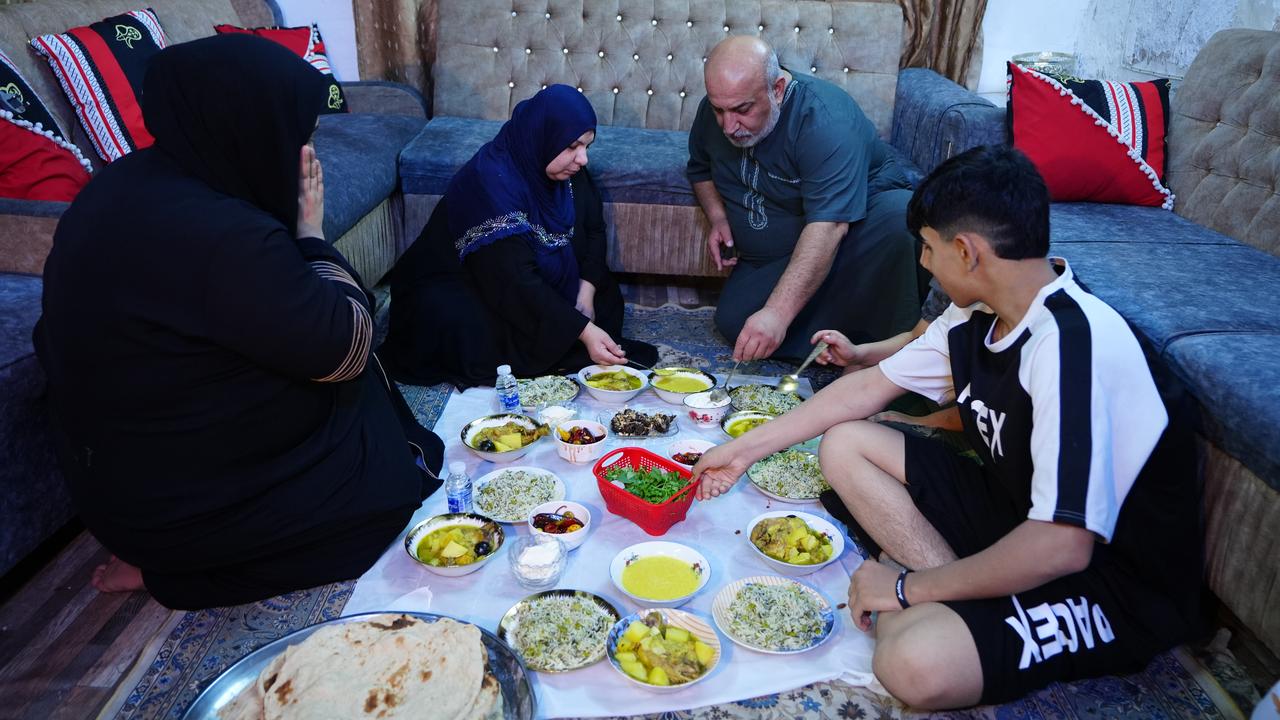
Abu Abbas added that he has lived in the same home for about seventy-five years and has seen the custom continue throughout that time.
For many residents in Baghdad’s older neighborhoods, the neighbor-to-neighbor iftar exchange remains an enduring practice that strengthens relationships and reinforces a sense of shared community during Ramadan.


 Set as preferred source

 3 min read