Newsletters


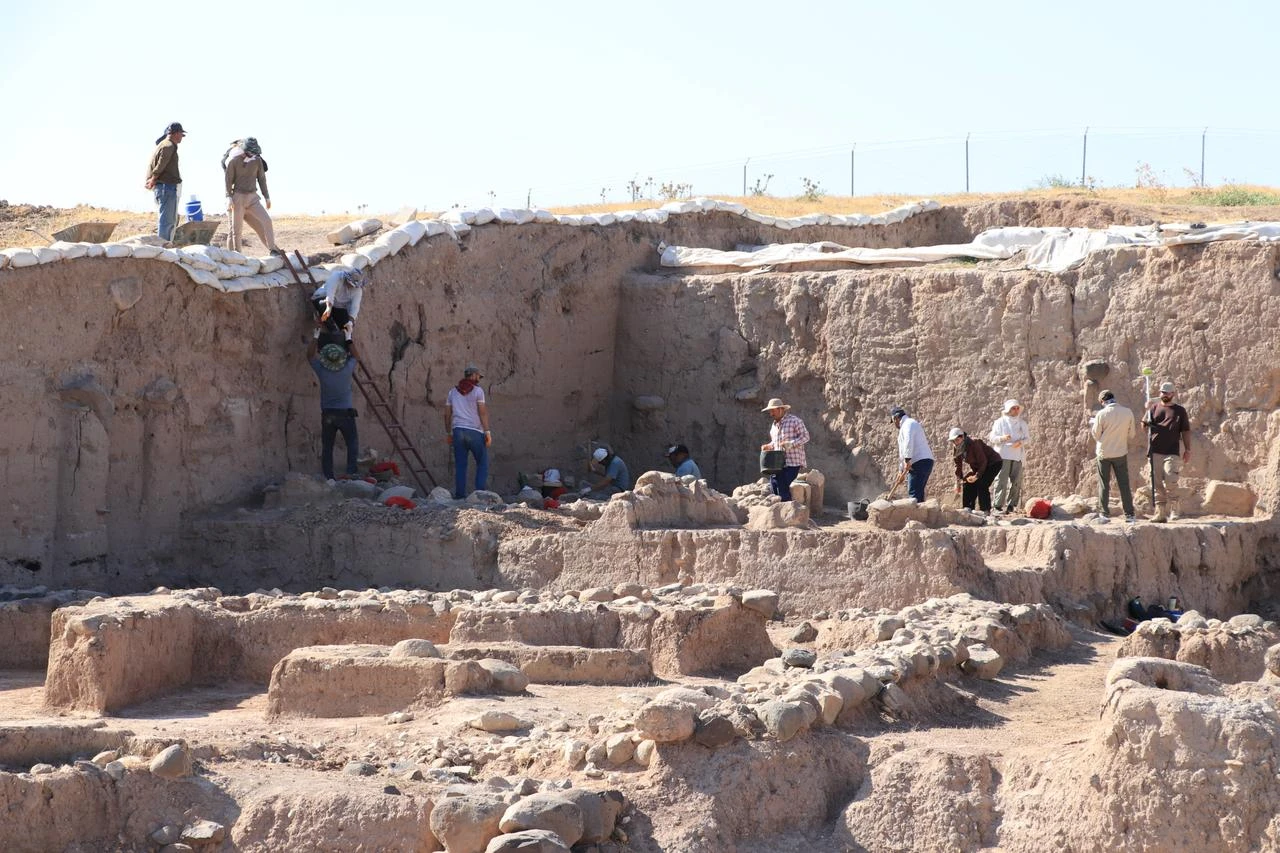


Excavations for the 2026 season have begun at Oylum Hoyuk in Türkiye's southeastern province of Kilis, where archaeologists are focusing on uncovering new cuneiform documents linked to the Bronze Age and Hittite period.
Oylum Hoyuk, one of southeastern Anatolia's largest archaeological settlement mounds, contains layers built up through successive periods of human occupation. The site has a settlement history stretching back around 9,000 years and is described as having once served as the capital of the ancient land of Nuhasse.
The excavation is being carried out by a 22-member team under the leadership of Gaziantep University Archaeology Department Chair Professor Atilla Engin, in cooperation with Türkiye's Culture and Tourism Ministry, Gaziantep University and the Kilis Governor's Office.
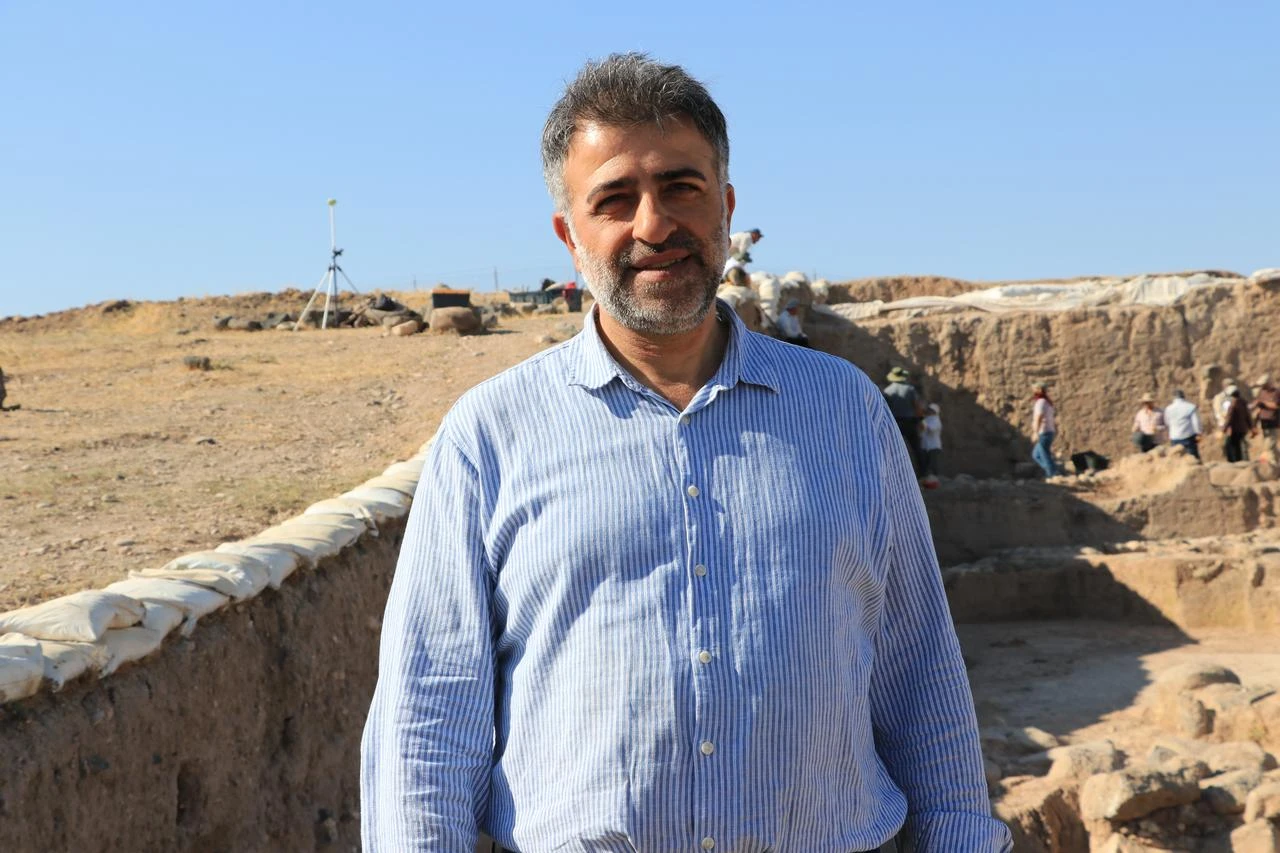

Engin said excavations at the mound began in 1988, making Oylum Hoyuk one of the longest-running archaeological projects in southeastern Anatolia.
Findings gathered over the course of the project indicate that the settlement functioned as a regional administrative center during the Bronze Age. Its position between the Anatolian plateau and the Syrian plains, as well as along a route extending toward the Eastern Mediterranean, placed the settlement within a strategically important and fertile area.
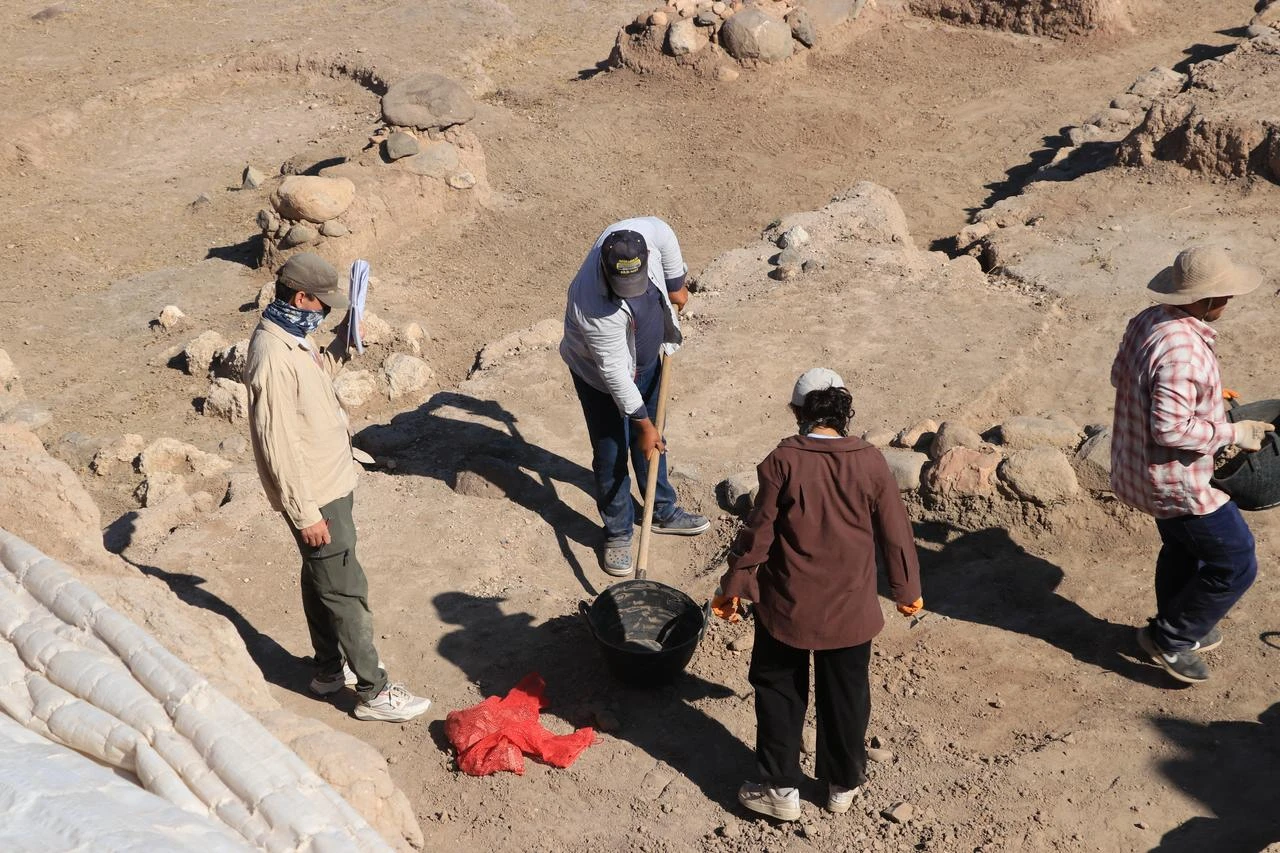
Engin said written documents and the remains of two palace structures uncovered in layers dating back to the second millennium B.C. were among the main discoveries demonstrating the site's importance.
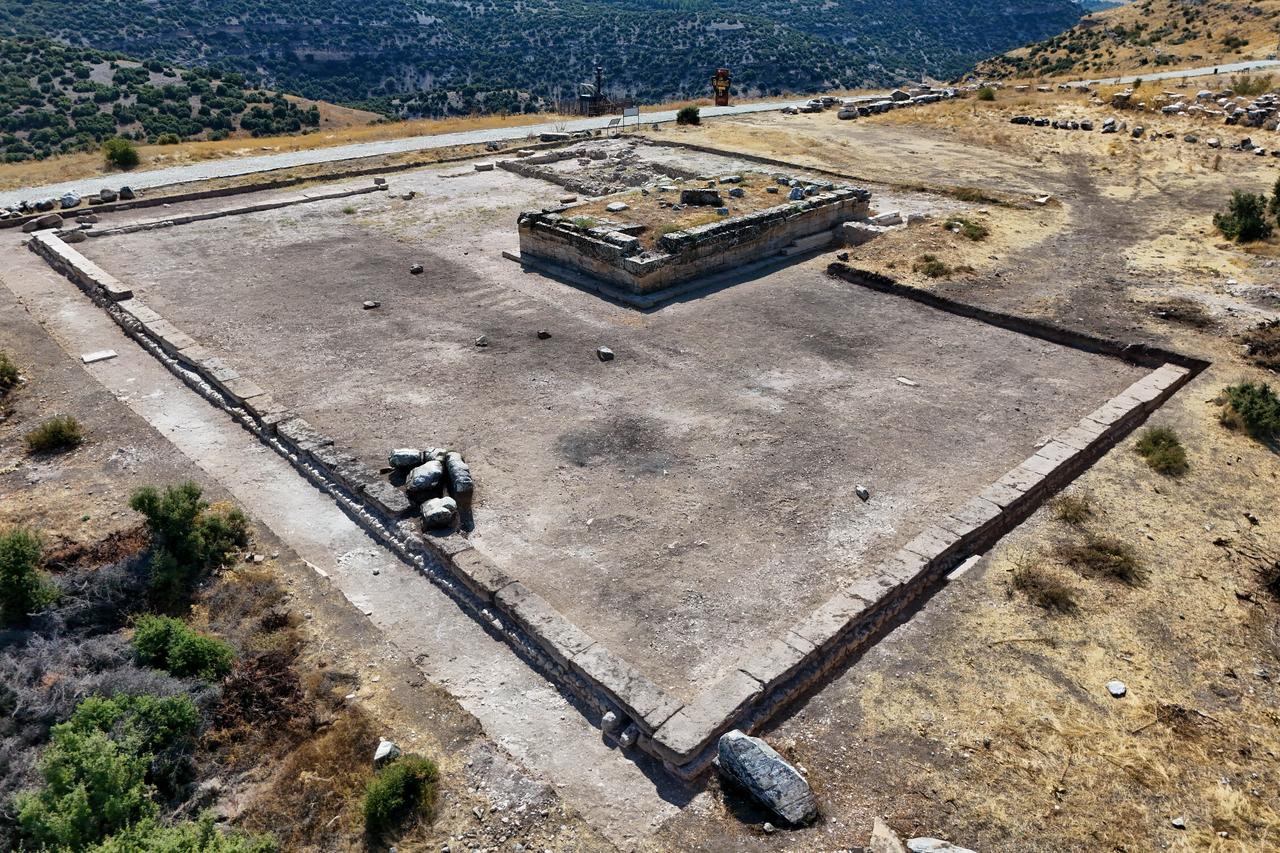
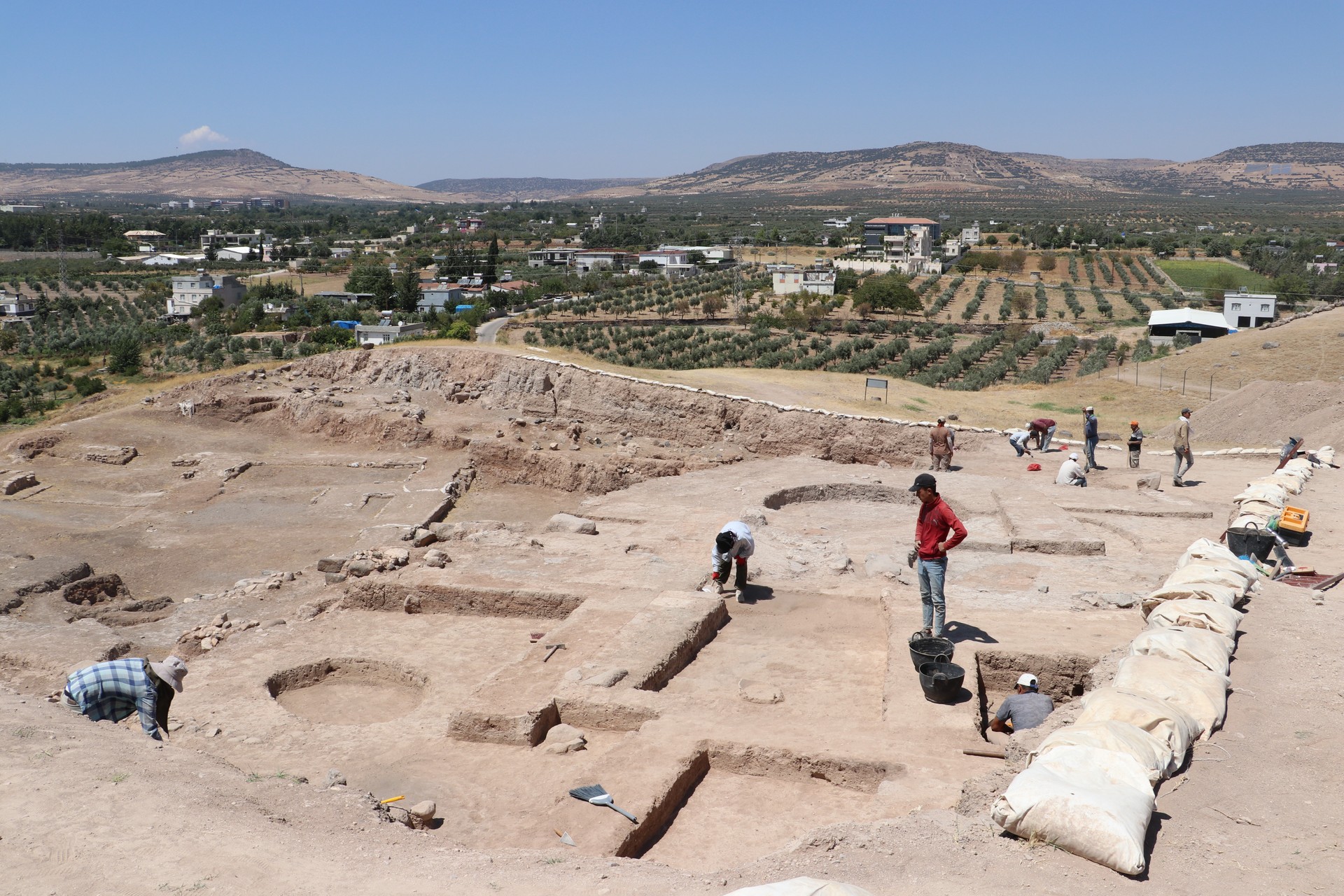
Excavations carried out last year also brought to light a monumental structure dated to the Hittite period. Archaeologists recovered several written tablets and numerous clay bullae, which are pieces of clay bearing seal impressions used to secure or authenticate objects and documents.
"This year, we hope to reach further cuneiform documents in the continuation of this structure that will shed light on the history of the region. In this context, we will concentrate our work particularly within an area of 200 square meters," Engin said.
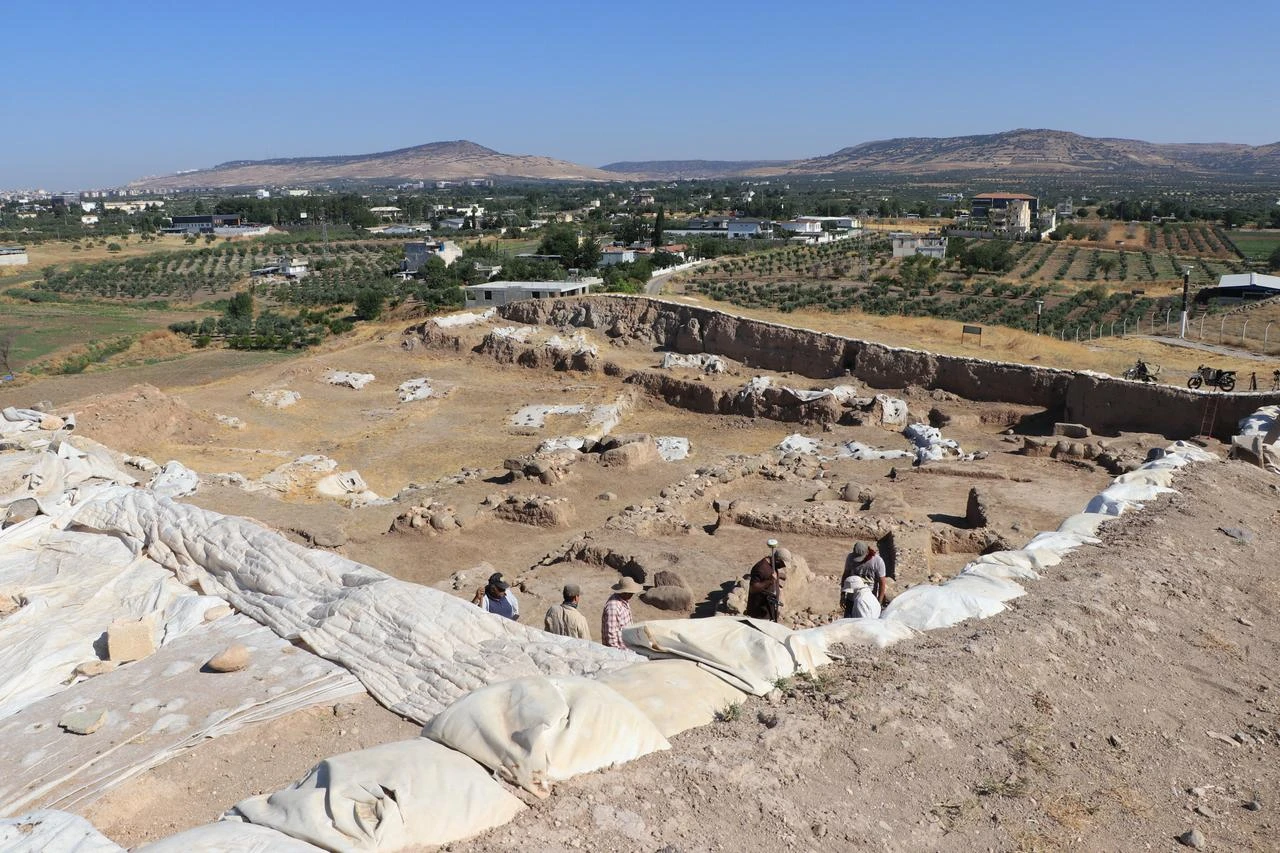
Previous excavations at Oylum Hoyuk uncovered charred olive stones estimated to be between 4,000 and 4,500 years old. The remains have been identified as the oldest known evidence of olive cultivation and consumption in Anatolia.
The olive stones were recovered from Early and Middle Bronze Age layers, making the discovery significant for understanding both the history of olive growing in the region and the geography associated with the olive's earliest development.


 Set as preferred source
 Set as preferred source


 1 min read
 1 min read