Newsletters


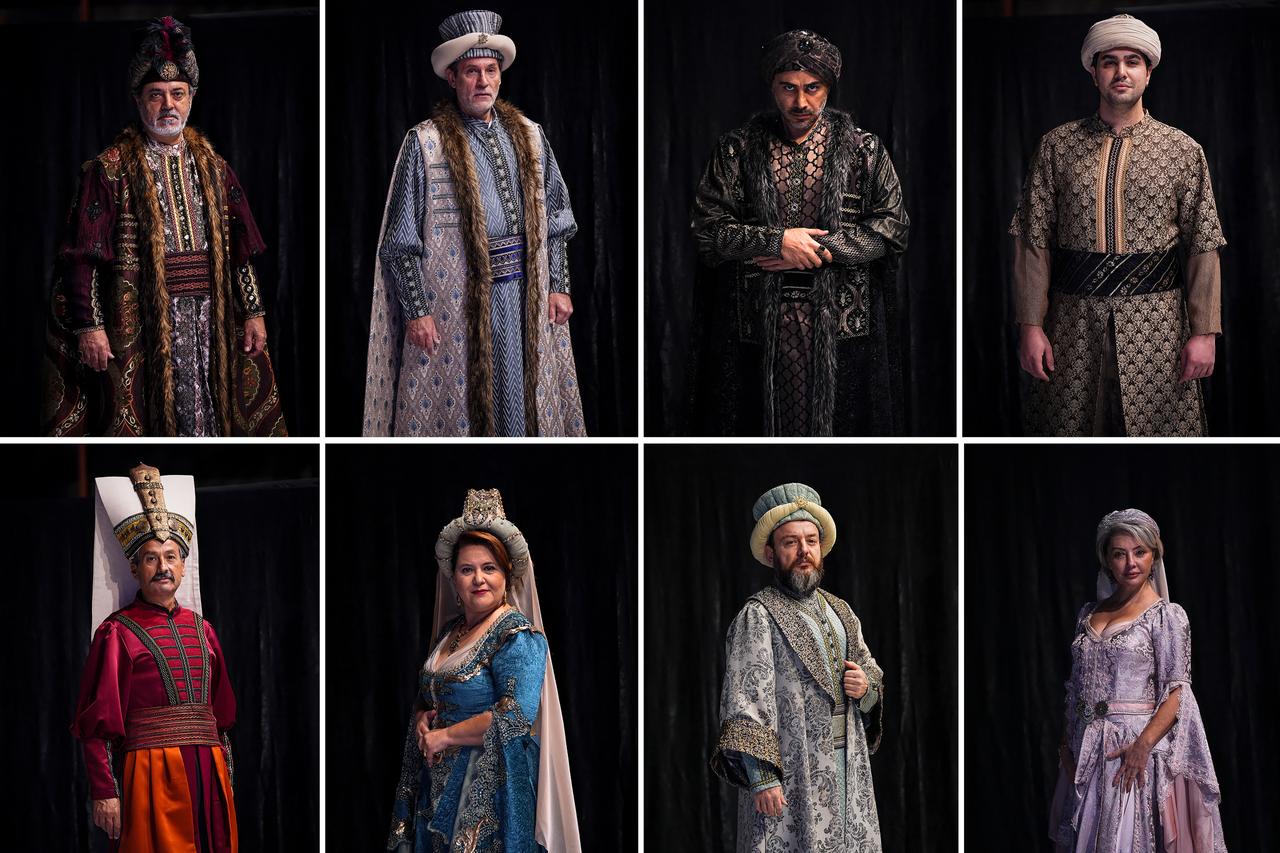


The dramatic life of Ottoman Sultan Murad IV is returning to the stage in a fresh interpretation of "Murad IV," the opera by Turkish composer and conductor Okan Demiris.
The work follows the sultan's life, his struggle to seize real power, and the shifting balance of forces inside the palace. The new production puts particular emphasis on the inner world of its characters.
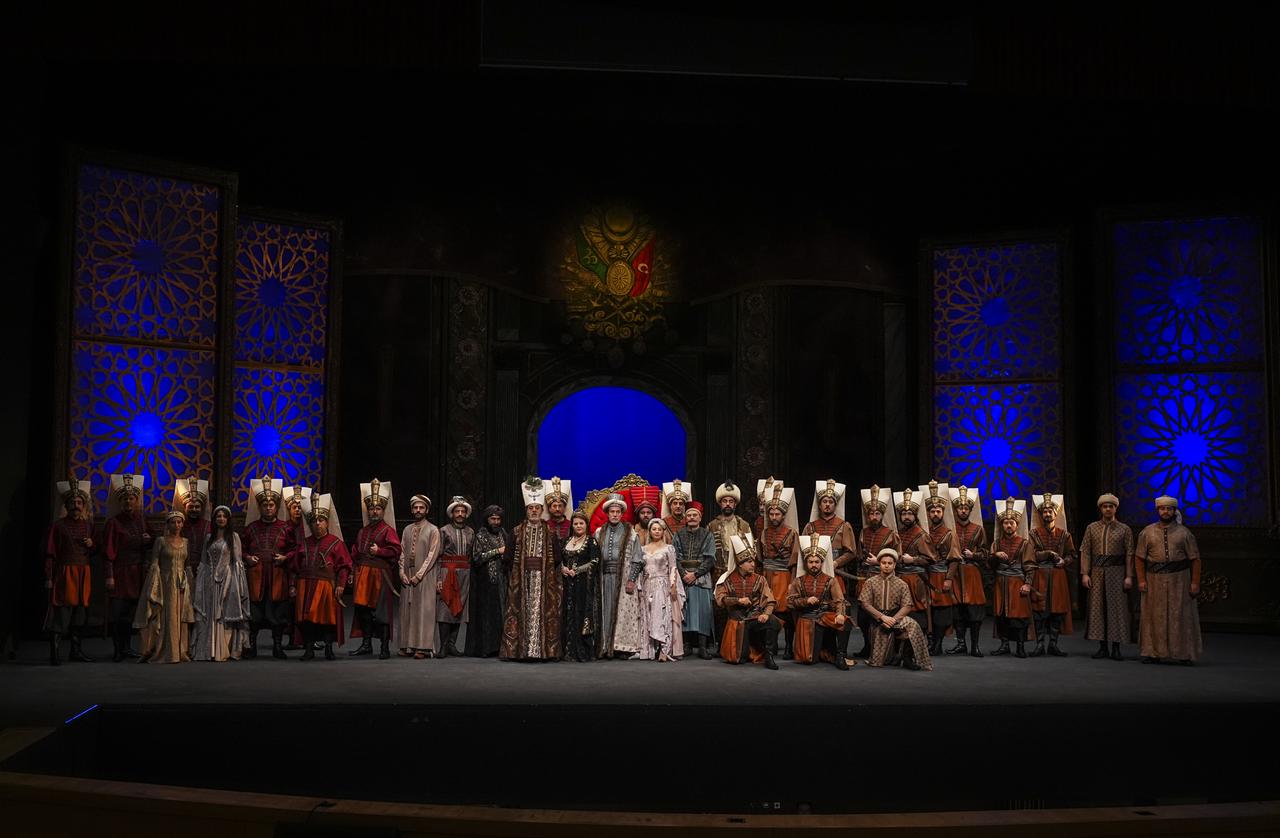

Murad IV came to the throne in 1623 as a child, when the empire was often steered by court factions, powerful officials and members of the imperial household. Only later did he take firm personal control, ruling with severity and leading a military campaign that recaptured Baghdad in 1638. He died in 1640, still in his twenties.
 1 min read

That combination of youth, ambition, fear and political maneuvering gives the story its operatic weight, and it is the palace, as much as the battlefield, that Demiris's work explores.
In this staging, costume design by Neslihan Gazal Erten and set design by Ozgur Usta aim to make the characters' moods and the dramatic structure of the work visible through color, texture and form. Rather than relying solely on historical spectacle, the visual language is intended to express what the characters feel and how power moves between them.
The production offers a rare chance to encounter Ottoman history through the lens of contemporary Turkish opera, a field still little known outside the country. The story's themes—a young ruler, competing courtiers, and the cost of absolute power—are universally relatable.


 Set as preferred source
 Set as preferred source



 1 min read