Newsletters


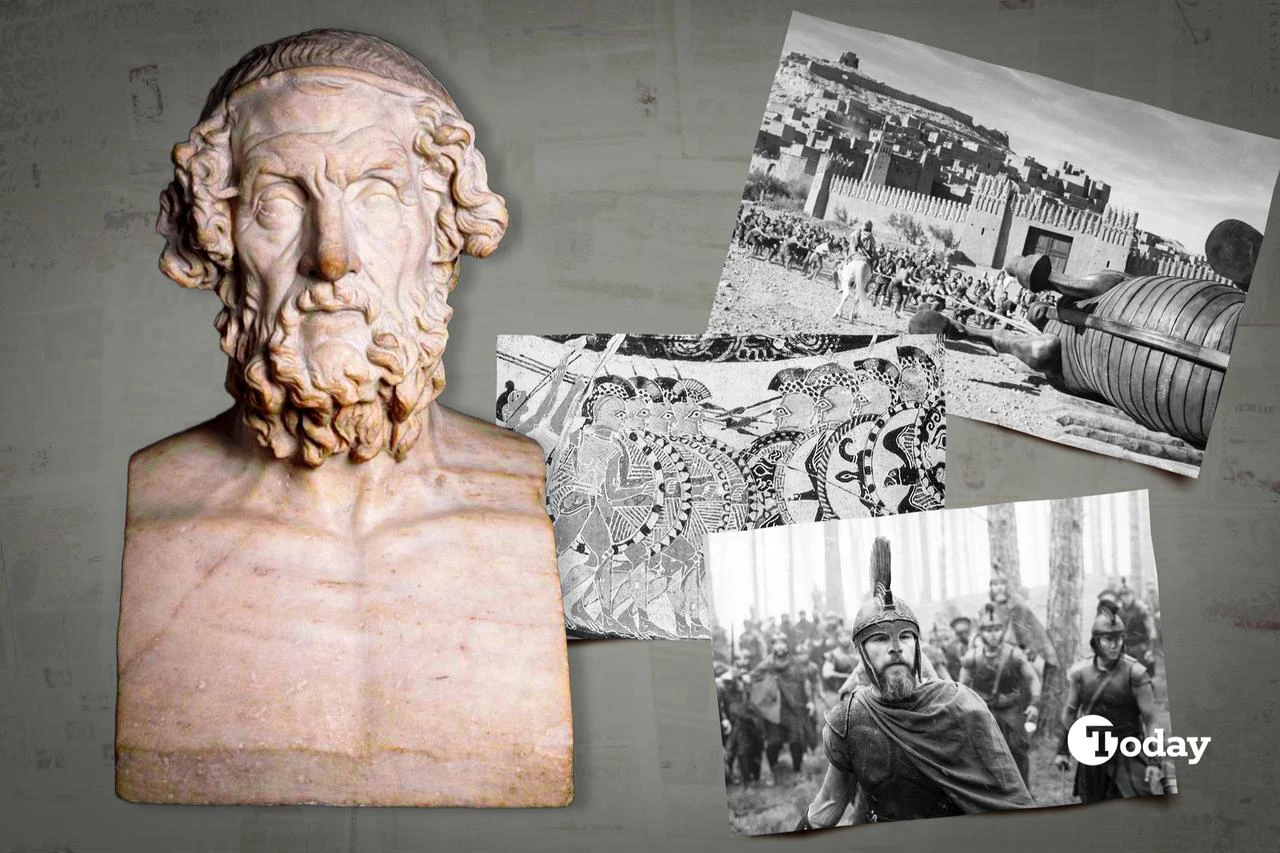


Christopher Nolan's "The Odyssey" has thrust Homer back into the center of global culture. Now in theaters, the film follows Odysseus's long journey home from Troy—while its casting choices have ignited fierce debate over mythology, identity, and historical representation.
For Türkiye, however, this moment is about more than a Hollywood production or a casting dispute.
It raises a larger question: Will the country remain a spectator while the world rediscovers stories rooted in the landscapes, memories and oral traditions of Anatolia and the Eastern Mediterranean?
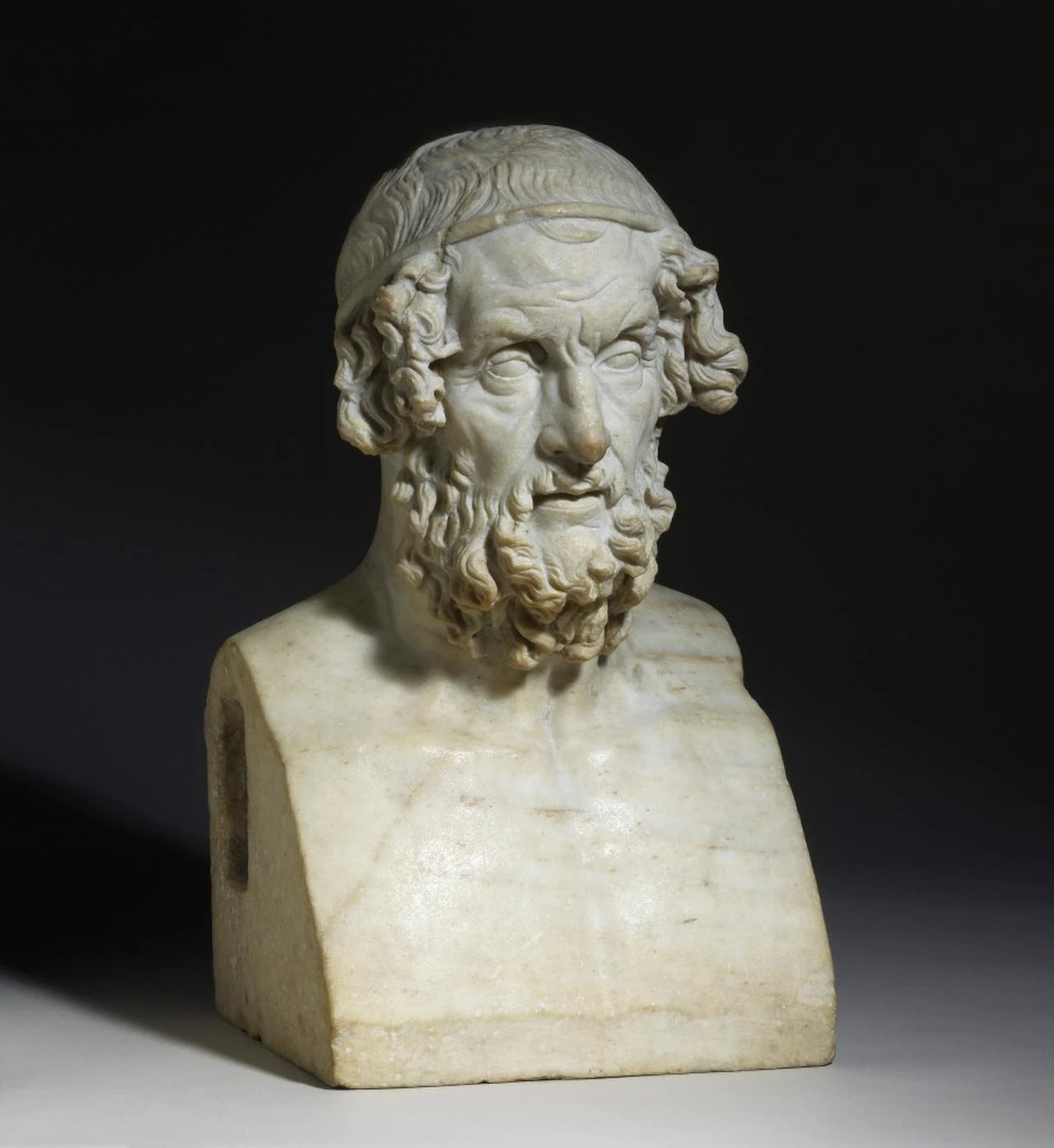

"The Iliad" and the "Odyssey" have survived not simply because they tell stories about warriors, gods and monsters, but because they turn conflict, loss and homecoming into recognizably human experiences.
"The Iliad," made up of 24 books and more than 16,000 lines, focuses on the anger of Achilles during the Trojan War and the destruction that follows from it.
Rather than merely counting the dead, the poem moves between rage and mercy, rebellion and obedience, brutality and compassion. Its gods take sides, argue, deceive and intervene, yet they are driven by emotions that also shape human life, including love, jealousy, loyalty and resentment.
"The Odyssey" also contains 24 books, but shifts the focus from the battlefield to return, endurance and identity. It follows Odysseus as he struggles for 10 years to reach Ithaca, while his son Telemachus searches for him and tries to protect the household of Penelope.
The epic begins and ends on Ithaca, but its emotional geography stretches much further, turning the sea voyage into a test of memory, loyalty and survival. The British Museum notes that very little is known about Homer himself, even though these stories have echoed across centuries as vessels for lasting human truths.
Homer has often been linked to Smyrna, present-day Izmir, although his identity, lifetime and even individual authorship remain unsettled. A biography attributed to Herodotus places his birth in Smyrna, while other ancient traditions connect him with Chios and several other cities.
The absence of original manuscripts, the poems' layered structure and their formulaic language have kept alive the "Homeric Question," the long-running debate over whether the epics were shaped by one poet or built up through generations of oral performance.
What is clearer is that Homer's world was formed at a cultural crossroads. The poems carry traces of Ionian, Anatolian and wider Eastern Mediterranean traditions, while some researchers have also drawn parallels with the Epic of Gilgamesh and the storytelling cultures of Mesopotamia.
Claims that Homer may have worked in Cilicia remain disputed, yet the broader argument is significant: The epics did not emerge from an isolated cultural sphere, but from a region where peoples, myths, trade routes and writing systems came together.
Troy itself makes that connection tangible. Located at Hisarlik on Türkiye's Aegean coast, the archaeological site records thousands of years of contact between Anatolia, the Aegean and the Balkans. UNESCO describes Troy as a cultural bridge and emphasizes the global influence of the Iliad on literature and the arts for more than two millennia.
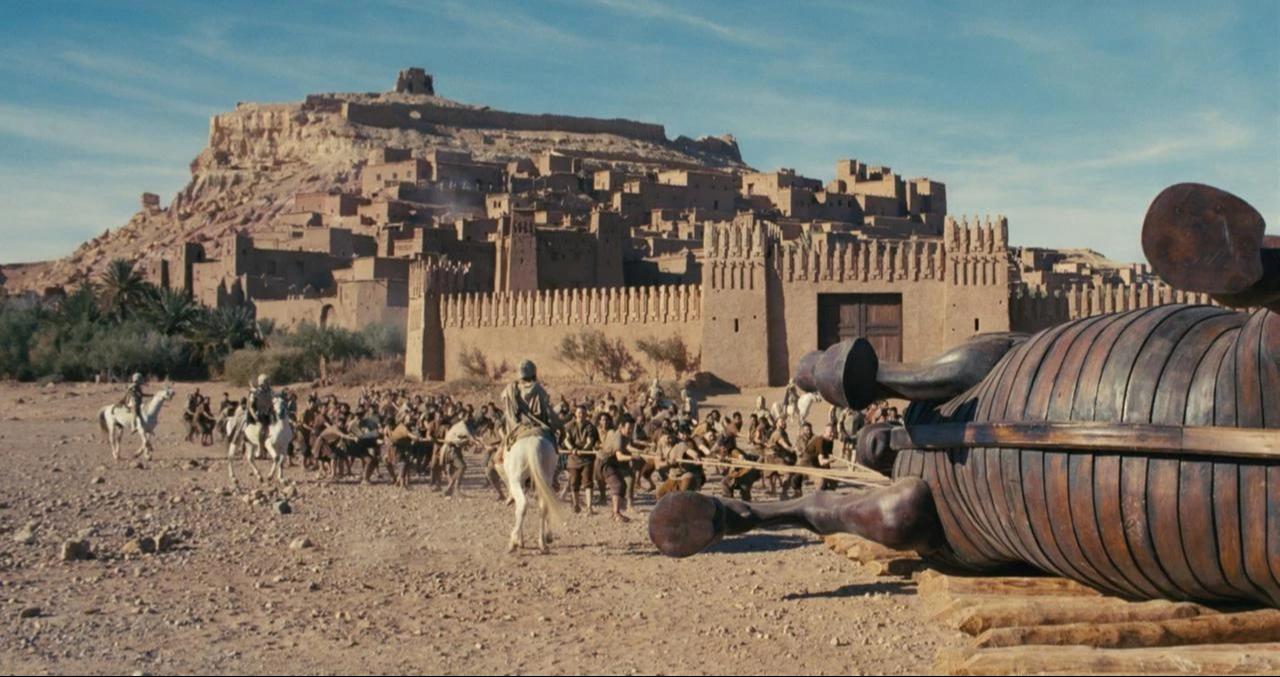
Yasar Museum director Ridvan Golcuk describes the attention around Nolan's film as an opportunity for "culture hijacking."
The term refers to joining a cultural wave that has already captured public attention and using it to bring forward a related institution, place or story. Unlike newsjacking, which usually responds to breaking events, culture hijacking draws on moments that take hold of the public imagination.
In this case, the wave reaches far beyond cinema. It can feed into cultural tourism, creative campaigns, international media coverage and the work of brands and content creators.
Golcuk argues that archaeology, mythology and art history are still too often treated in Türkiye as specialist fields for a limited audience, even though they provide some of the strongest material for modern storytelling.
The release of "The Odyssey" therefore offers more than a chance to promote destinations connected with the film. It opens up space to explain Homer's links with western Anatolia, the archaeological reality of Troy and the long exchange between eastern and western traditions that shaped the epics.
The question is whether Türkiye will simply watch the cultural wave pass by or use it to bring its own geography and historical memory into the international conversation.
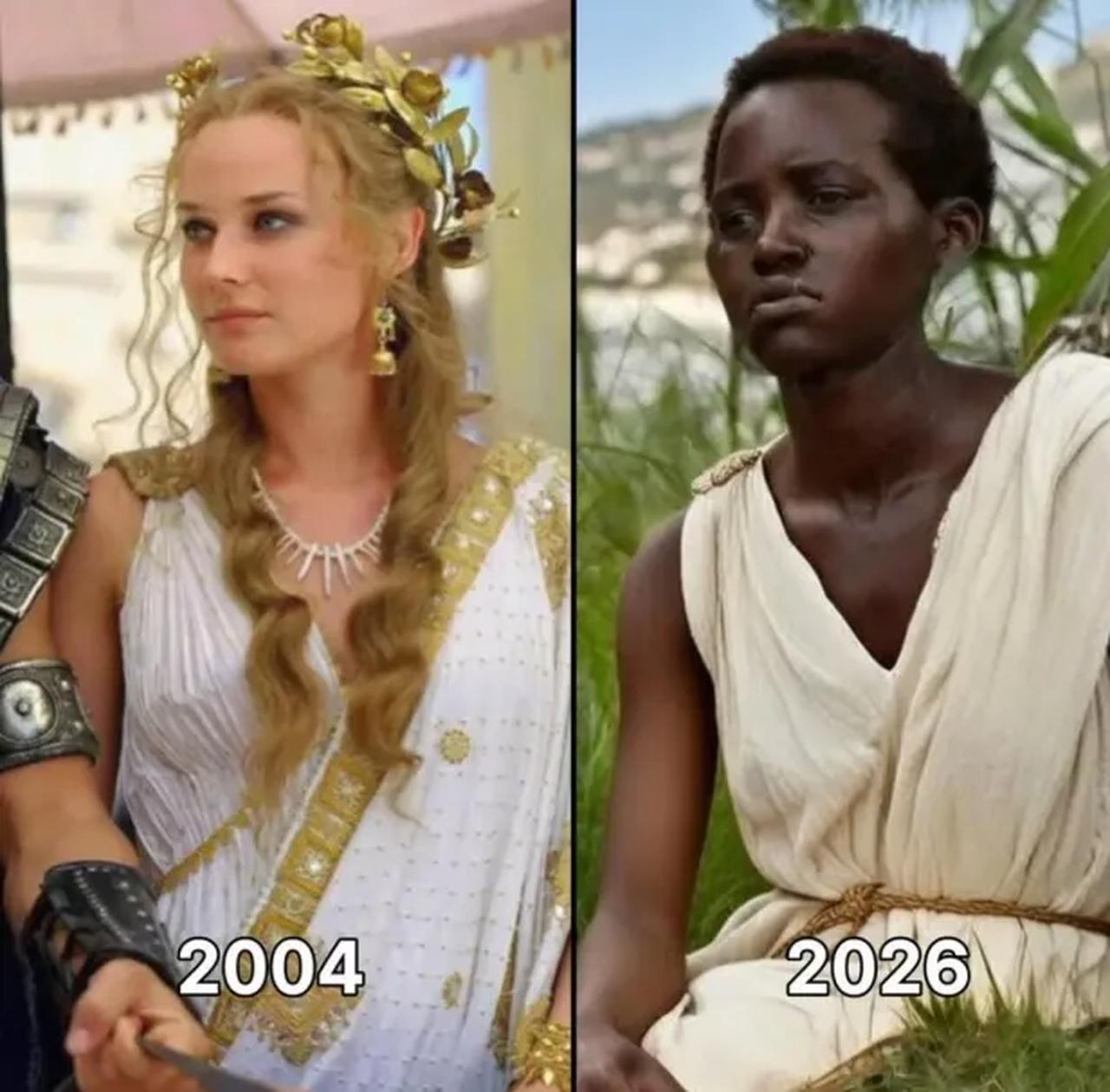
The casting of Lupita Nyong'o as Helen of Troy has drawn criticism from those who expect the character to match the blond, pale-skinned image repeatedly presented in Western popular culture. Others have responded by emphasizing that Helen is a mythological figure rather than a documented historical individual.
Golcuk argues that a black or a darker-skinned Helen can challenge a Northern European visual convention that Hollywood has presented as though it were historical fact.
"Yes, it absolutely can," Golcuk says of the possibility of a black Helen, arguing that such an interpretation could be more convincing than the Scandinavian-inspired, blond and blue-eyed image that has dominated modern cinema.
He recalls that Troy Museum raised a similar question in 2023 through a work by painter Naci Kalmukoglu. The project used museum specialist Hazal Firat as the model for a dark-featured, Anatolian interpretation of Helen.
That project did not put forward an archaeological reconstruction of Helen's appearance. Instead, it questioned why one modern visual tradition had come to be treated as the default representation of a woman connected with the mythology of the Aegean and Mediterranean world.
As John Berger's concept of "ways of seeing" suggests, every representation also reflects the expectations and cultural assumptions of the society producing it. The debate is therefore not limited to whether Helen should appear blond, black or dark-featured, but also concerns who has traditionally been allowed to shape the visual memory of the ancient world.
 1 min read
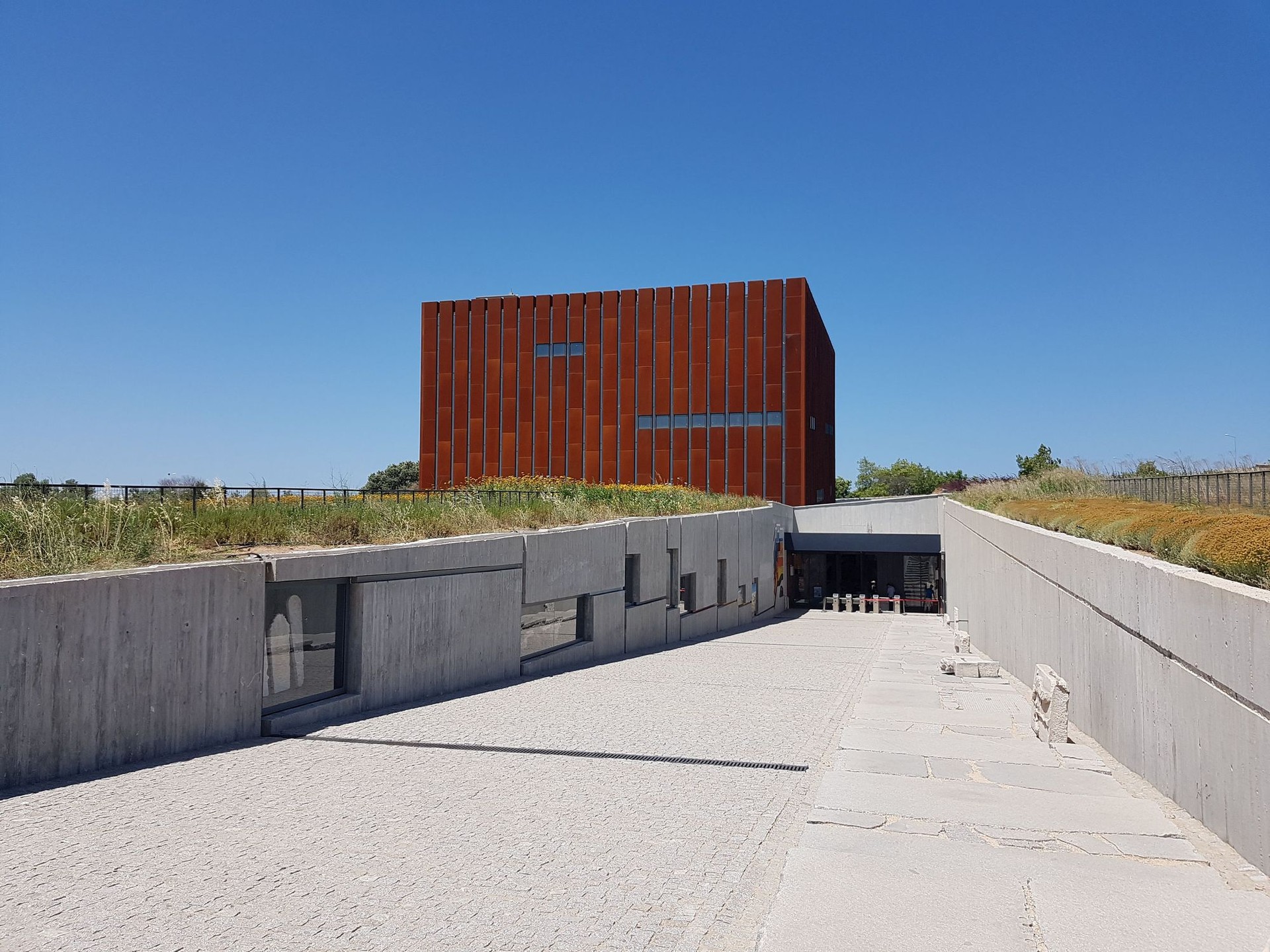
Homer remains current because the epics continuously bring opposites together: East and West, gods and mortals, war and mercy, permanence and loss.
Their power also comes from oral tradition, in which each performance carries collective memory forward while reshaping it for a new audience. The epics do not record only a single event or period; they preserve the living memory of communities that repeatedly told, expanded and reinterpreted these stories.
This is why Homer could influence philosophers, artists and rulers, and why his epic method can be traced through later Anatolian storytelling, who called Homer his elder.
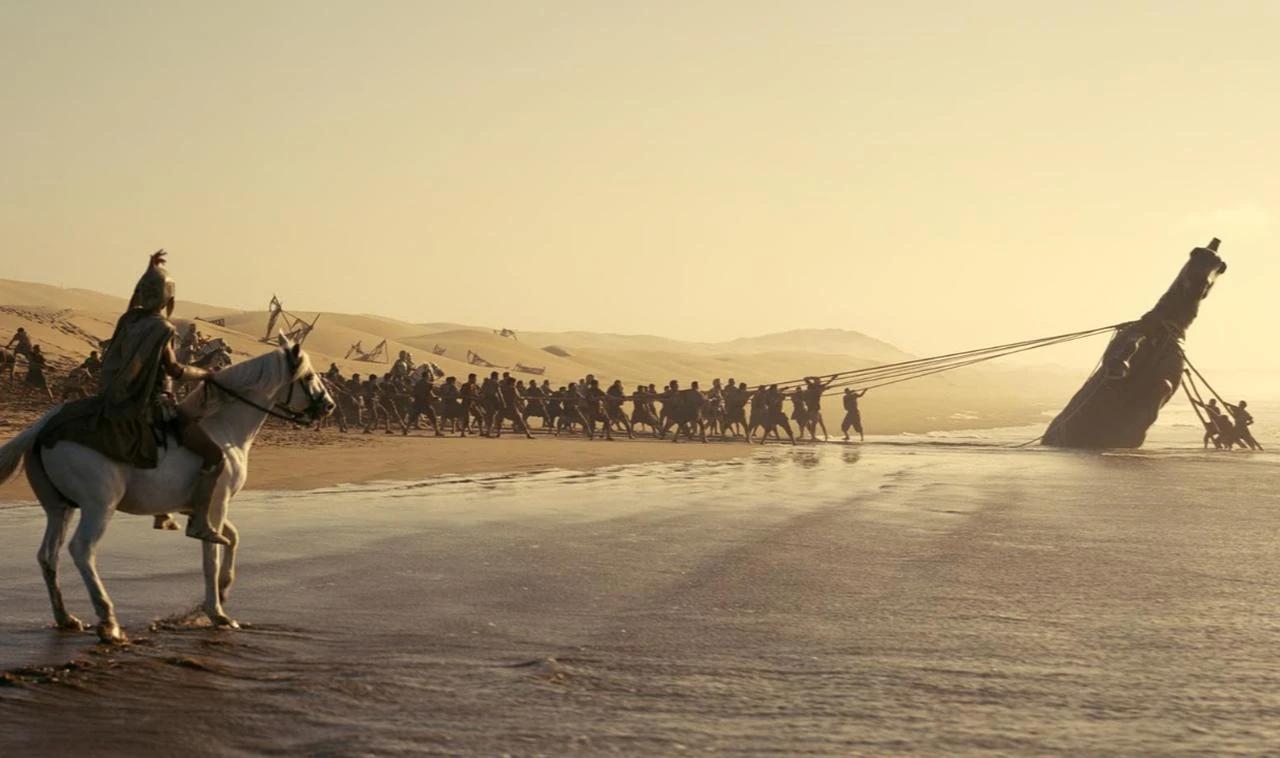
Nolan's "The Odyssey" has once again shown that Homer is not a museum relic. His poems continue to return because they tell stories about anger, loyalty, exile, homecoming and the human desire to resist disappearance.
The larger opportunity for Türkiye is to place Anatolia back inside this global conversation, not by claiming exclusive ownership of Homer, but by explaining the diverse cultural landscape in which the Homeric tradition took shape.


 Set as preferred source
 Set as preferred source



 1 min read