Newsletters


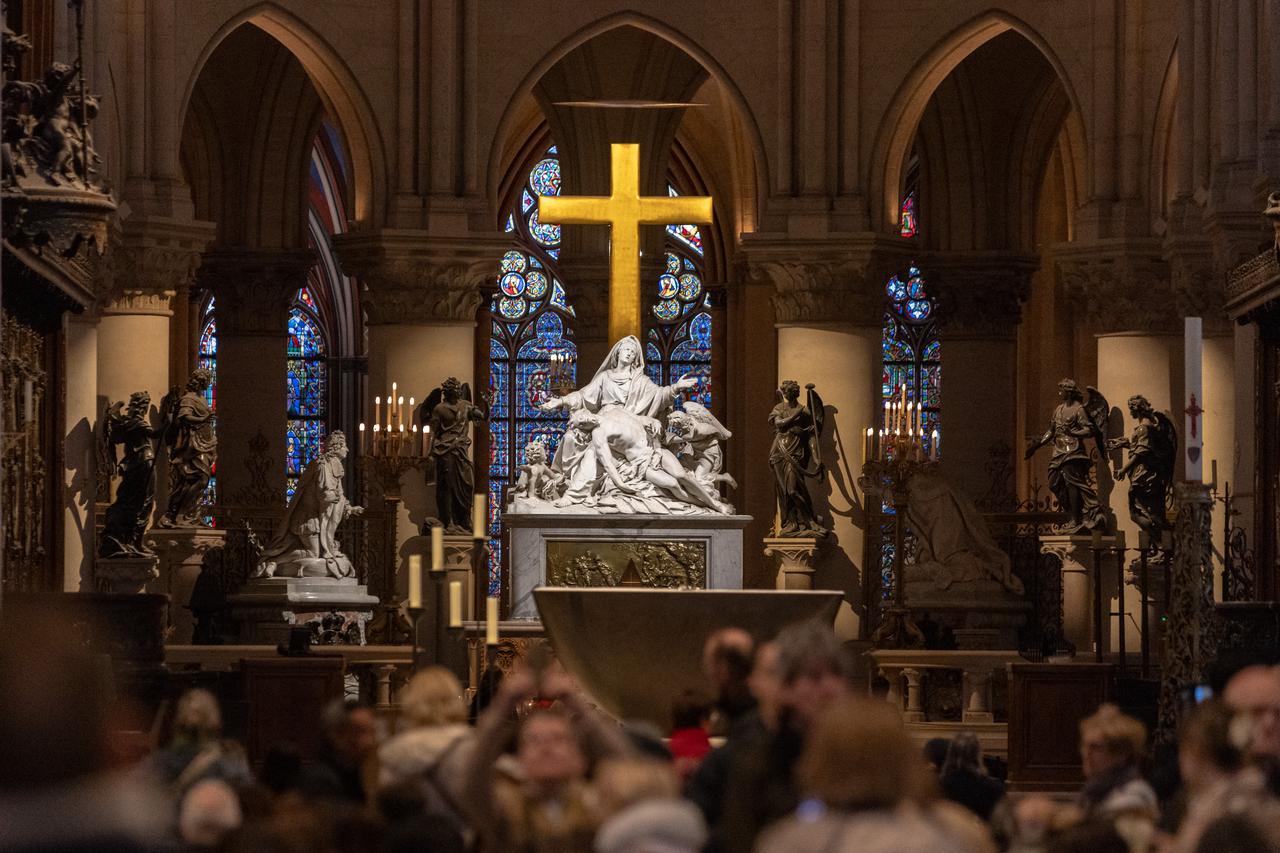


Seven years after a devastating fire tore through Notre-Dame Cathedral in Paris, the landmark has reopened following a five-year restoration project that brought one of France’s most important religious and historic sites back into use.
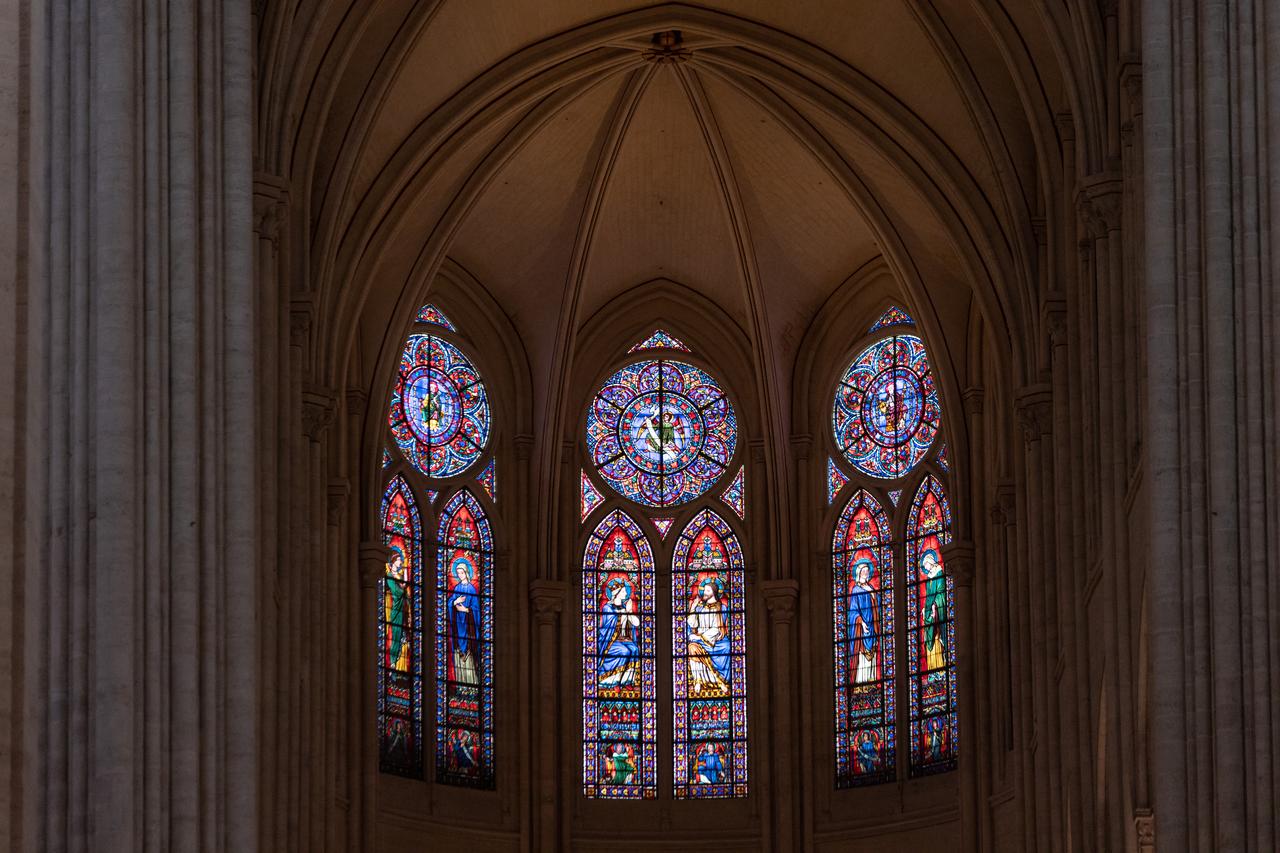
The April 2019 fire caused extensive damage to the medieval Catholic cathedral, destroying its wooden framework, clock, classic stained glass windows, as well as statues and paintings. The blaze tore through one of Paris’ best-known monuments and left behind severe structural and artistic losses at a site long regarded as one of the foremost Christian houses of worship.
Completed in 1345, Notre-Dame has for centuries stood at the center of religious and public life in the French capital. The Vatican has described the cathedral as a symbol of Christianity in France, and the site also hosts the Paris Archbishopric.

The effort to restore the cathedral stretched over five years and faced repeated delays along the way. Safety concerns, the removal of scaffolding, risks linked to lead contamination, and the COVID-19 pandemic all slowed the process as workers sought to rebuild the structure and preserve its historic character.
More than 2,000 workers from 250 companies took part in the project. The reconstruction used over 2,000 oak trees and around 1,000 cubic meters of stone, while roughly 2,000 statues and decorative elements were either restored or recreated.

The restoration was backed by €846 million ($997.19 million) in donations collected from around 340,000 people worldwide, reflecting the cathedral’s global significance as both a religious site and a historic monument.
Notre-Dame reopened to worshippers and visitors on Dec. 8, 2025. Each year, nearly 13 million people visit the cathedral to see its historic treasures, including the famous sculpture of the Virgin Mary holding the body of Jesus, its giant rose windows, and its medieval furniture.


 Set as preferred source
 Set as preferred source



 1 min read