Newsletters





Over 140 irreplaceable historical sites across Iran bear the marks of recent military operations, revealing a systemic disregard for the preservation of human history during this conflict.
Officials in Washington and Tel Aviv insist their crosshairs remain strictly on strategic military objectives, but the physical reality on the ground shatters this sanitized official narrative. The rubble spread across 20 provinces tells a vastly different story.
Pulverizing ancient cultural treasures is no accidental byproduct of modern warfare but constitutes a calculated systemic assault on shared human heritage.
Western powers consistently demonstrate a systemic disregard for Middle Eastern history, readily treating ancient civilizational memory as acceptable collateral damage.
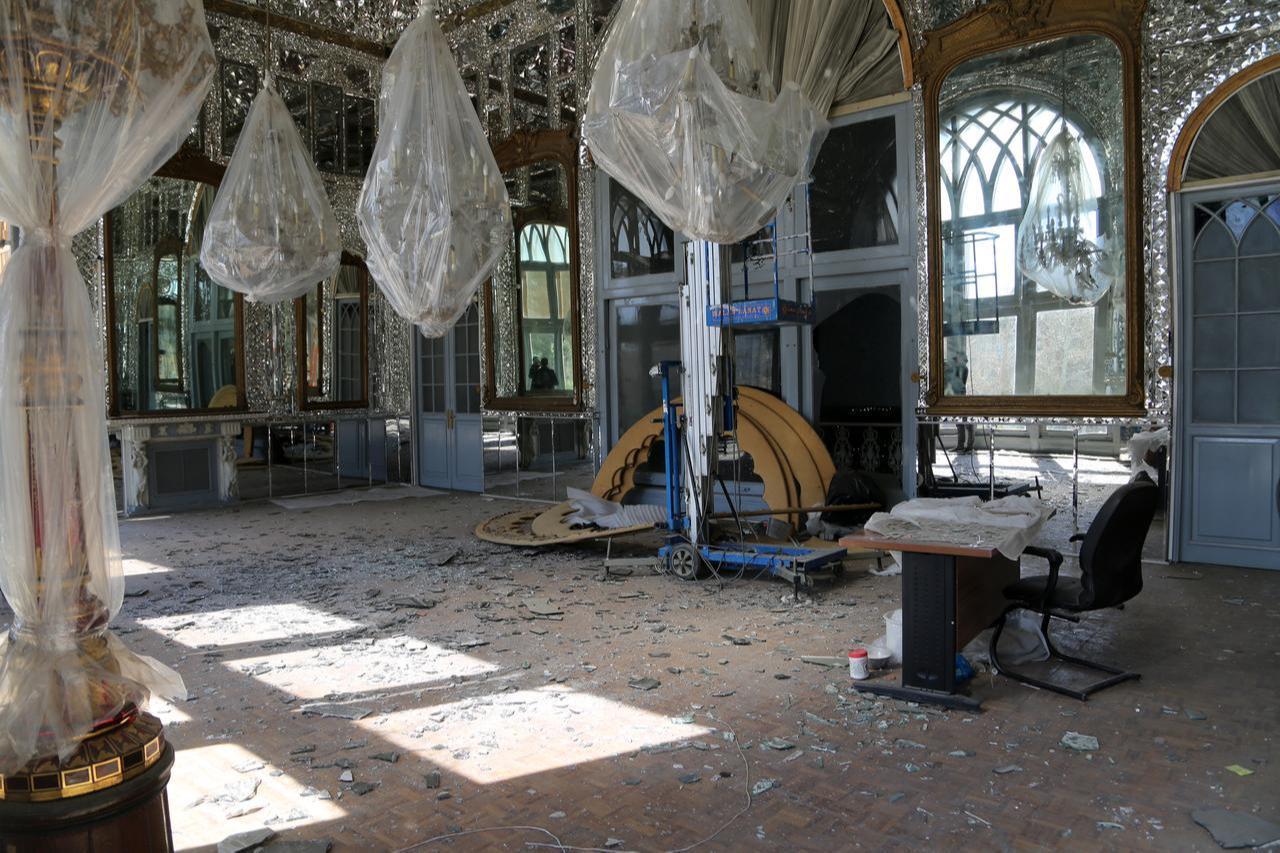

Earlier reports from March indicated that sites like Tehran's Golestan Palace had already sustained damage, but the latest figures reveal a much wider campaign of destruction.
Minister of Cultural Heritage Reza Salehi Amiri estimates preliminary financial losses at 7.5 trillion tomans (about $49 million), Muslim Mirror reported. Tehran bore the brunt of the strikes, with 77 historical buildings suffering damage.
The shockwaves of nearby explosions heavily impacted the Hall of Mirrors at the Golestan Palace, a Qajar-era royal complex and UNESCO World Heritage property.
The devastation extends far beyond the capital.
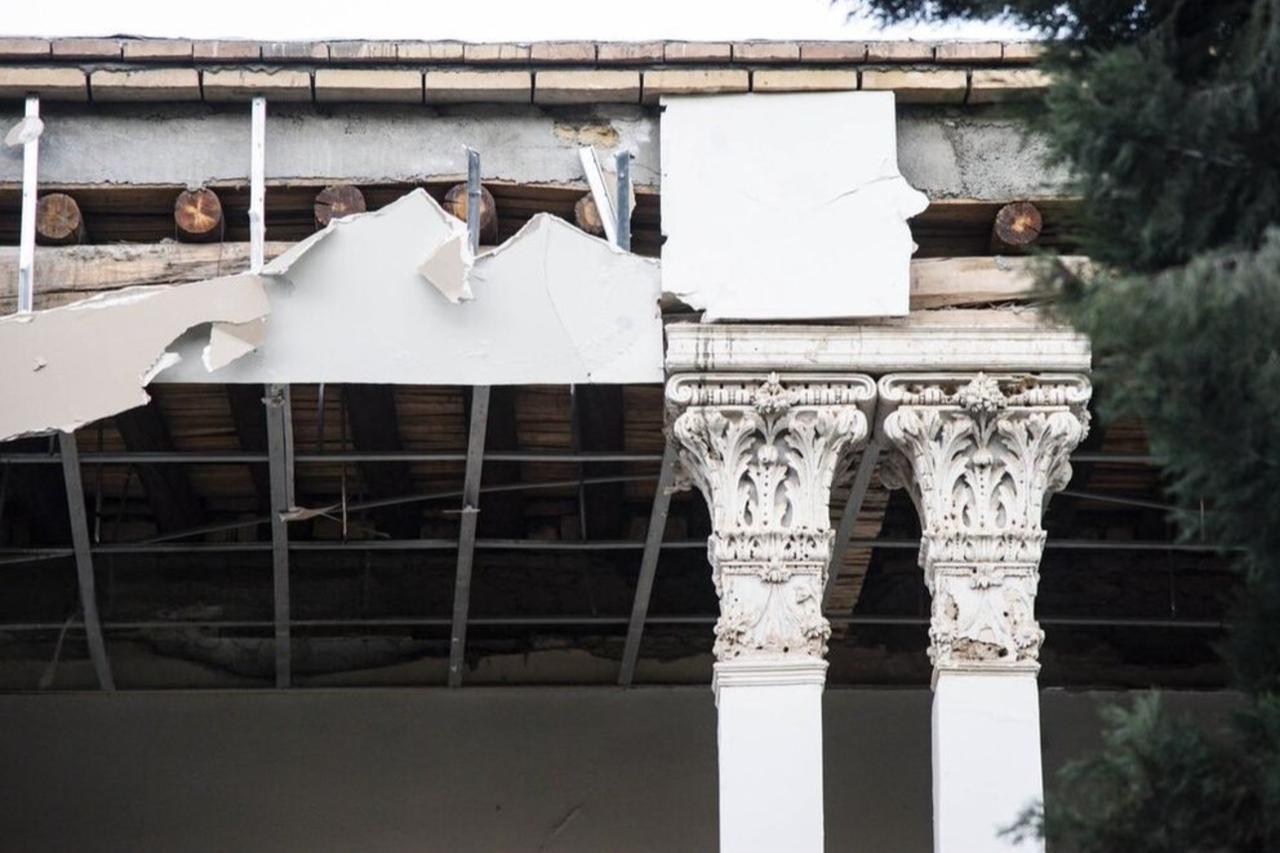
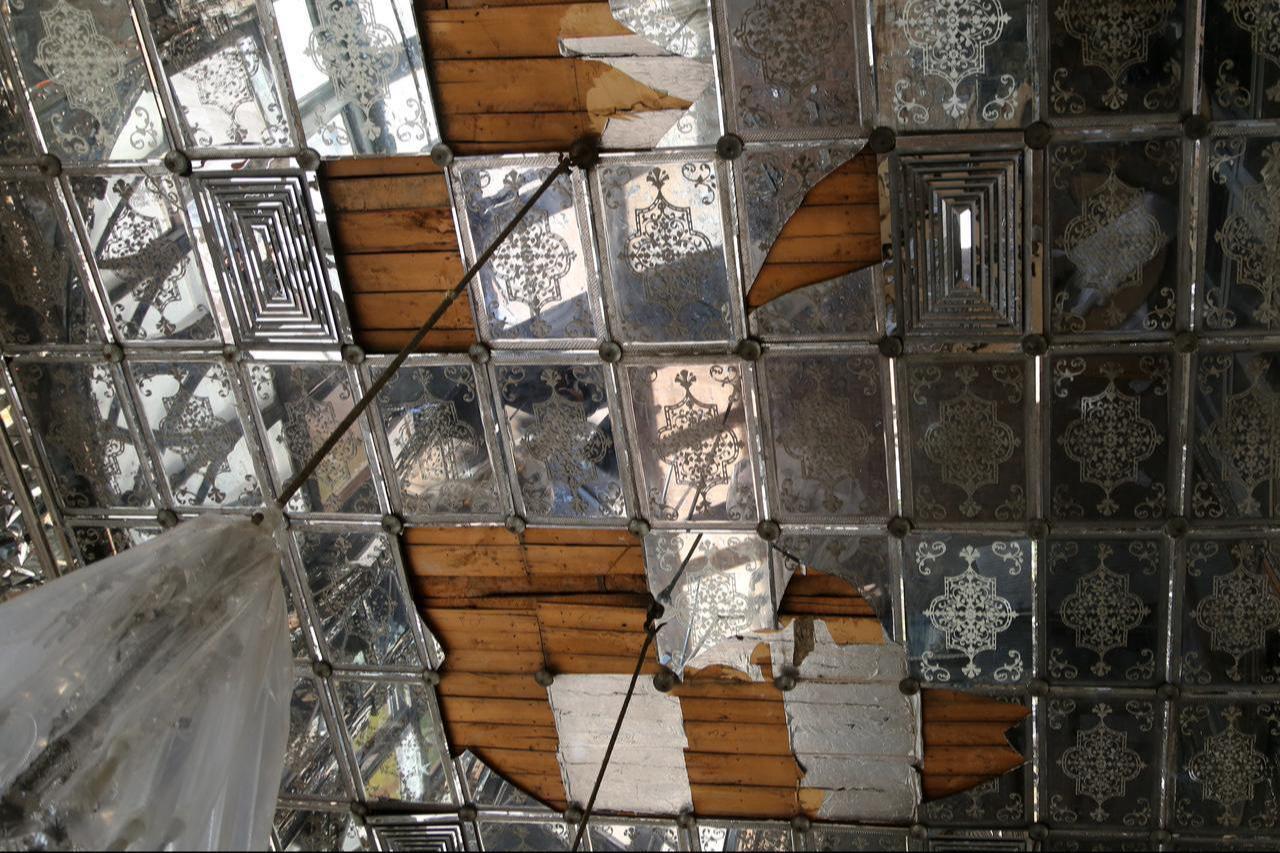
Strike forces heavily bombed the 17th-century Chehel Sotun Palace in Isfahan, and the blasts dislodged the intricate mirror mosaics, known as ayeneh kari, and shattered parts of the painted and gilded wooden coffered ceilings.
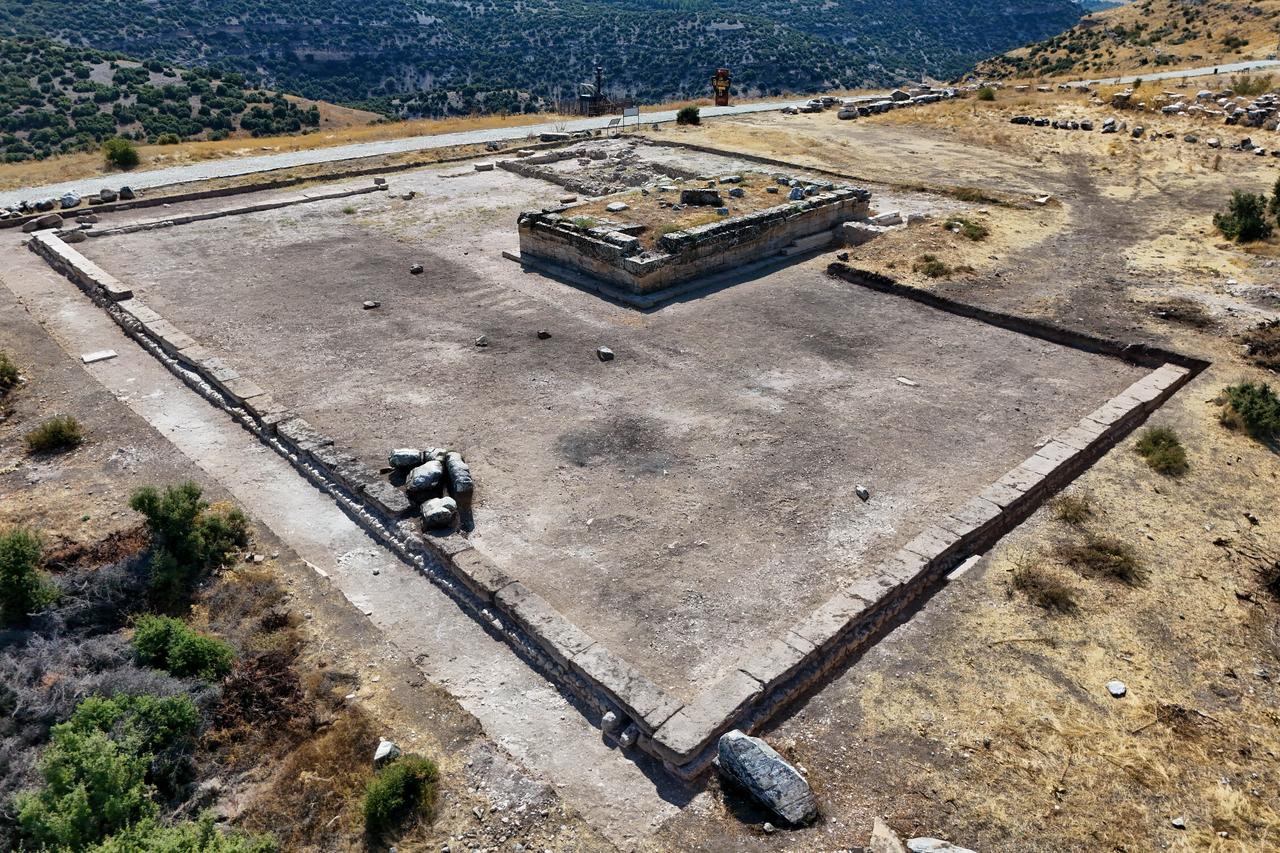
Missiles also hit prehistoric caves in the Khorramabad Valley, obliterating evidence of human presence dating back tens of thousands of years. Destroying these irreplaceable artifacts proves that the aggressors view the cultural erasure of Iran not as a tragic mistake, but as a permissible tactic.
Washington preaches the sanctity of international law and simultaneously bankrolls its violation.
International frameworks supposedly protect cultural property during armed conflicts, yet reality exposes these mechanisms as toothless when Western powers pull the trigger. United States forces currently ignore their own historical precedents.
Archaeologist Nezih Basgelen told Cumhuriyet that the 1863 Lieber Code, a foundational American legal text, explicitly prohibits the confiscation and destruction of cultural property. Basgelen noted the irony that this American law forms the basis of international treaties but is now disregarded by the United States president himself.
Bombing museums and historical urban areas violates established global agreements. Iranian authorities declared that such military actions constitute a clear violation of international obligations under the 1954 Hague Convention.
Tehran refuses to remain silent. Officials sent nine official letters to UNESCO and other international bodies demanding intervention. Iran also plans to pursue a case at the International Court of Justice to establish the international responsibility of the perpetrators, according to Tehran Times.
Global institutions routinely issue weak condemnations that fail to hold Western powers accountable. The reluctance of Western-dominated heritage organizations to actively defend Iranian civilization deserves further scrutiny, as diplomatic posturing means nothing when bombs continue to erase thousands of years of human achievement.
Iranian officials are mobilizing domestic expertise rather than waiting for foreign intervention.
Minister of Cultural Heritage Seyyed Reza Salehi Amiri said to Tehran Times, "Overall, the government's restoration model is a combination of 'specialized self-reliance' and 'intelligent international engagement,' which, with a focus on cultural and identity-based priorities, will lead to the restoration of the authenticity of these sites."
Professor Sussan Babaie detailed Iran's deep institutional history of conservation, noting that architects constantly collaborate with traditional craftspeople possessing specialized knowledge.
She highlighted how professional restorers previously stood before onslaughts to save monuments.
Defending this heritage relies on concrete preservation science rather than empty international rhetoric.

Legal precedents exist to prosecute these deliberate strikes on historical sites.
Archaeologist Nezih Basgelen reminded readers that the International Criminal Court sentenced Ahmad al Faqi Al Mahdi to nine years in prison in 2017 for intentionally destroying religious and cultural heritage in Timbuktu.
Basgelen stressed that the 1998 Rome Statute explicitly categorizes deliberate attacks on historic monuments as war crimes. Furthermore, imperial forces continue to threaten untouched sites. Salehi Amiri recently sent an official letter to UNESCO regarding the Trans Iranian Railway.
"Any attack or damage to the railway would constitute an assault on global cultural heritage and could also endanger civilian lives," Salehi Amiri wrote, as reported by IRNA.
Holding Western powers accountable requires legal prosecution rather than mere diplomatic condemnation.
Obliterating over 140 historical sites across Iran constitutes an attack on human memory and history, and governments cannot hide behind claims of precision warfare when their military operations actively shatter millennia of civilization.
Permitting this destruction to proceed unchecked guarantees that more irreplaceable cultural assets will fall to military campaigns. Defending Iranian monuments means defending the shared heritage of humanity against permanent erasure.


 Set as preferred source
 Set as preferred source



 3 min read