Close
newsletters Newsletters
X Instagram Youtube

St. Paul routes intersect 17-century life at ancient city of Adada

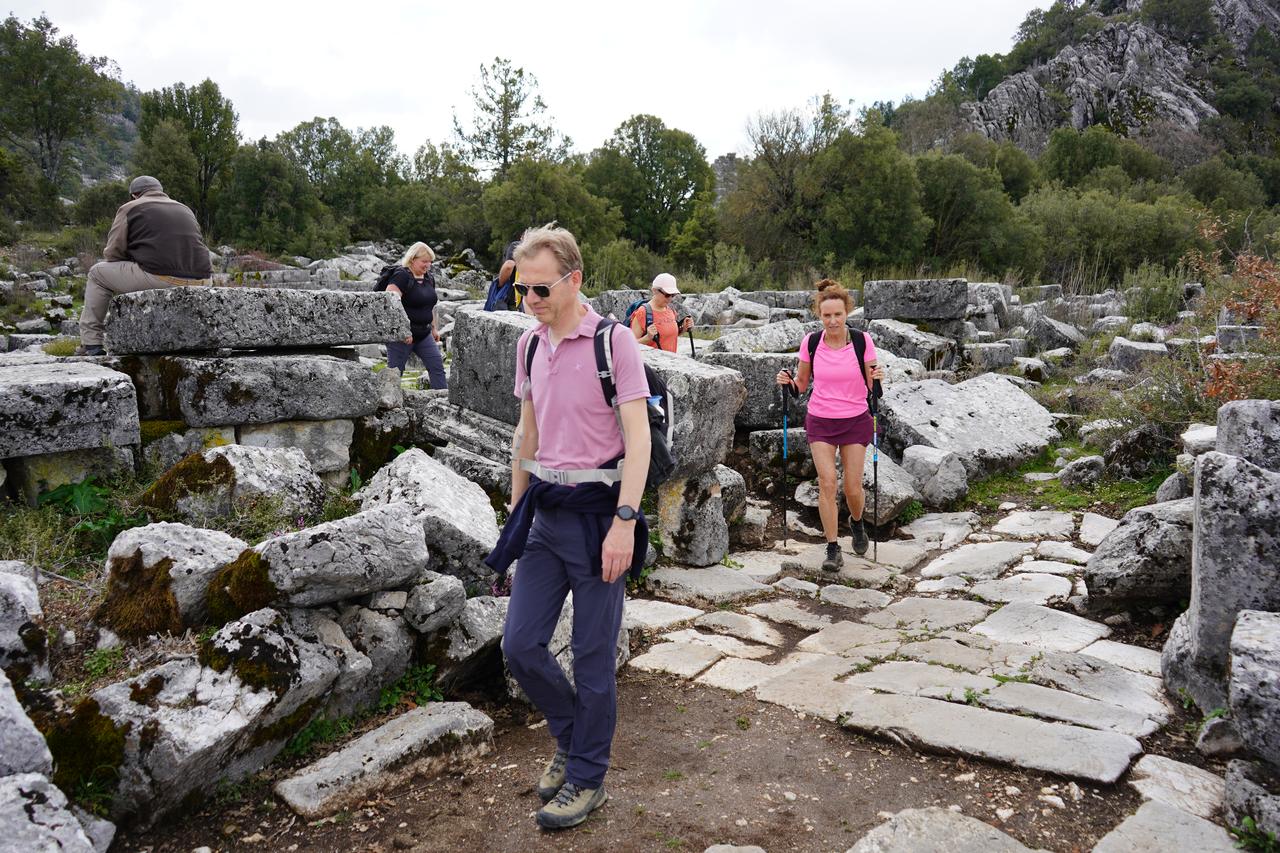
Visitors walk among the ruins of the ancient city of Adada during ongoing archaeological excavations revealing its continuous settlement and advanced administrative structure spanning 17 centuries in Sutculer district of Isparta, Türkiye, April 9, 2026. (AA Photo)
Photo
BigPhoto
Visitors walk among the ruins of the ancient city of Adada during ongoing archaeological excavations revealing its continuous settlement and advanced administrative structure spanning 17 centuries in Sutculer district of Isparta, Türkiye, April 9, 2026. (AA Photo)
April 15, 2026 06:01 AM GMT+03:00

Archaeological work at the ancient city of Adada in Türkiye’s southwestern Isparta province is shedding new light on a settlement that remained inhabited for roughly 17 centuries, while also pointing to a notably advanced local administrative system.

Located in the Sutculer district, Adada stood out in antiquity as one of the most strategic settlements of the Pisidia region, an ancient inland area of southern Anatolia.

Ongoing excavations are now helping researchers trace the city’s long urban continuity from the Hellenistic period to Late Antiquity, while also opening up new material for the study of Anatolian history.
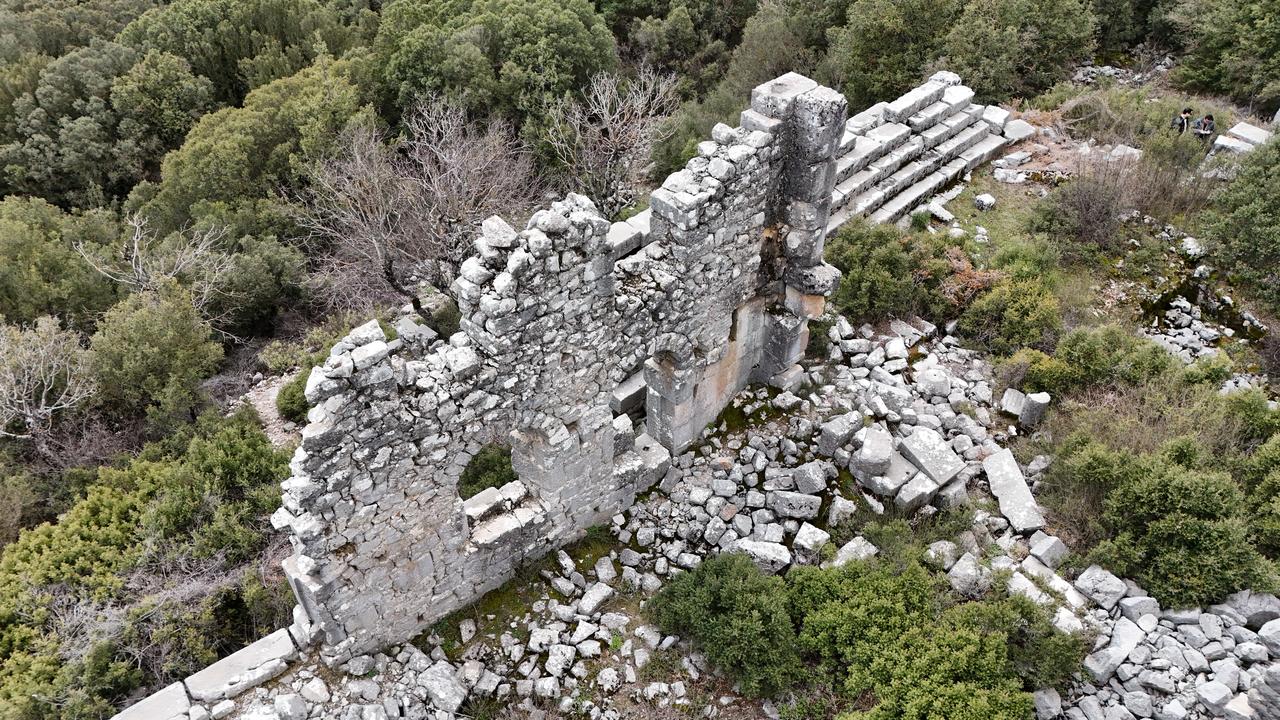
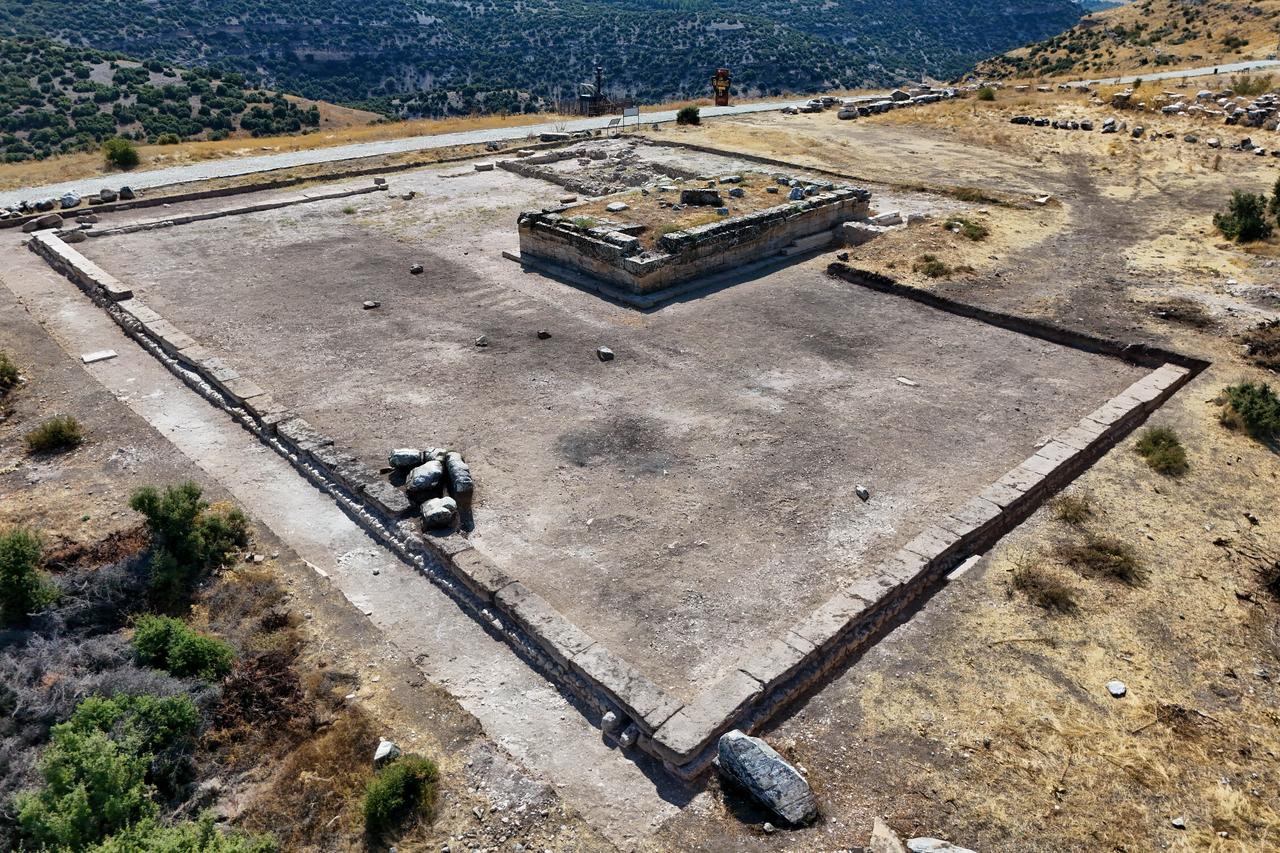
An aerial view shows the stone walls and structural remains of the ancient city of Adada, where ongoing archaeological excavations reveal a continuous settlement and advanced administrative structure spanning 17 centuries in Sutculer district of Isparta, Türkiye, April 9, 2026. (AA Photo)

Long-lived settlement now coming into clearer view

Assoc. Prof. Ahmet Morel, head of the excavation and a faculty member in the Department of Classical Archaeology at Suleyman Demirel University, said the city shows an unbroken pattern of habitation stretching across nearly 17 centuries.

He underlined that this makes Adada a rare example in the region, where such long continuity is not common.

The work is being carried out under the Culture and Tourism Ministry’s "Heritage for the Future" project, which has stepped up excavation efforts at the site.

According to Morel, fieldwork has intensified since 2021 and gained further momentum after being included in the project framework in 2024. He added that the work is continuing with the same vision in 2026.
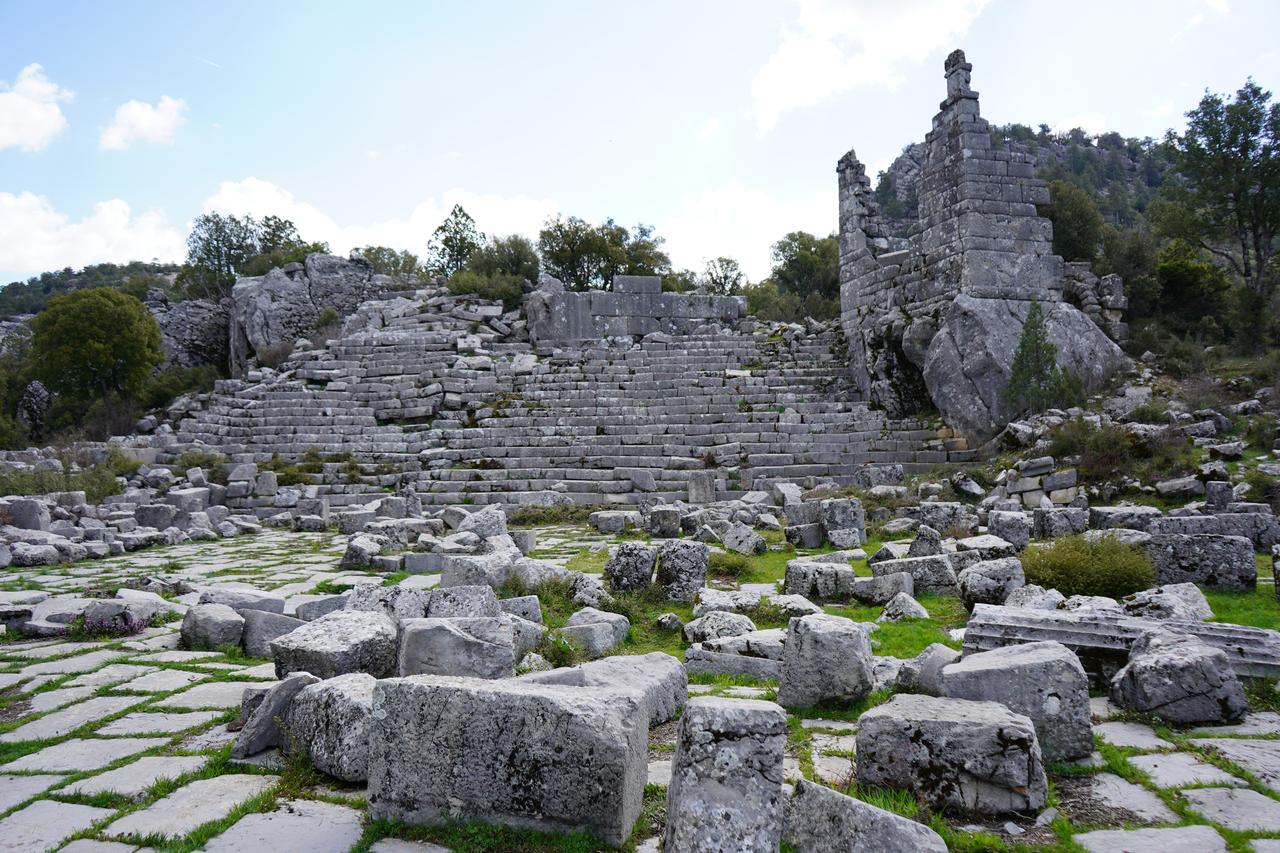
Ancient stone seating rows and structural remains are seen at the ancient city of Adada, where ongoing archaeological excavations reveal a continuous settlement and advanced administrative structure spanning 17 centuries in Sutculer district of Isparta, Türkiye, April 9, 2026. (AA Photo)

Outside main Roman road, yet central to regional movement

Morel said Adada held a distinctive place within ancient transport networks because it did not sit on the Via Sebaste, the main Roman military road in the region, nor on a branch directly connected to it. Instead, he said, the city stood on an independent route, which turned it into an important regional hub and cultural crossroads.

He also noted that the independent road network intersected with routes associated with the travels of Saint Paul, helping raise the city’s significance further. In that context, he described the Saint Paul Trail, which runs from Antalya through Sutculer to Adada, as a key pilgrimage route for faith tourism.
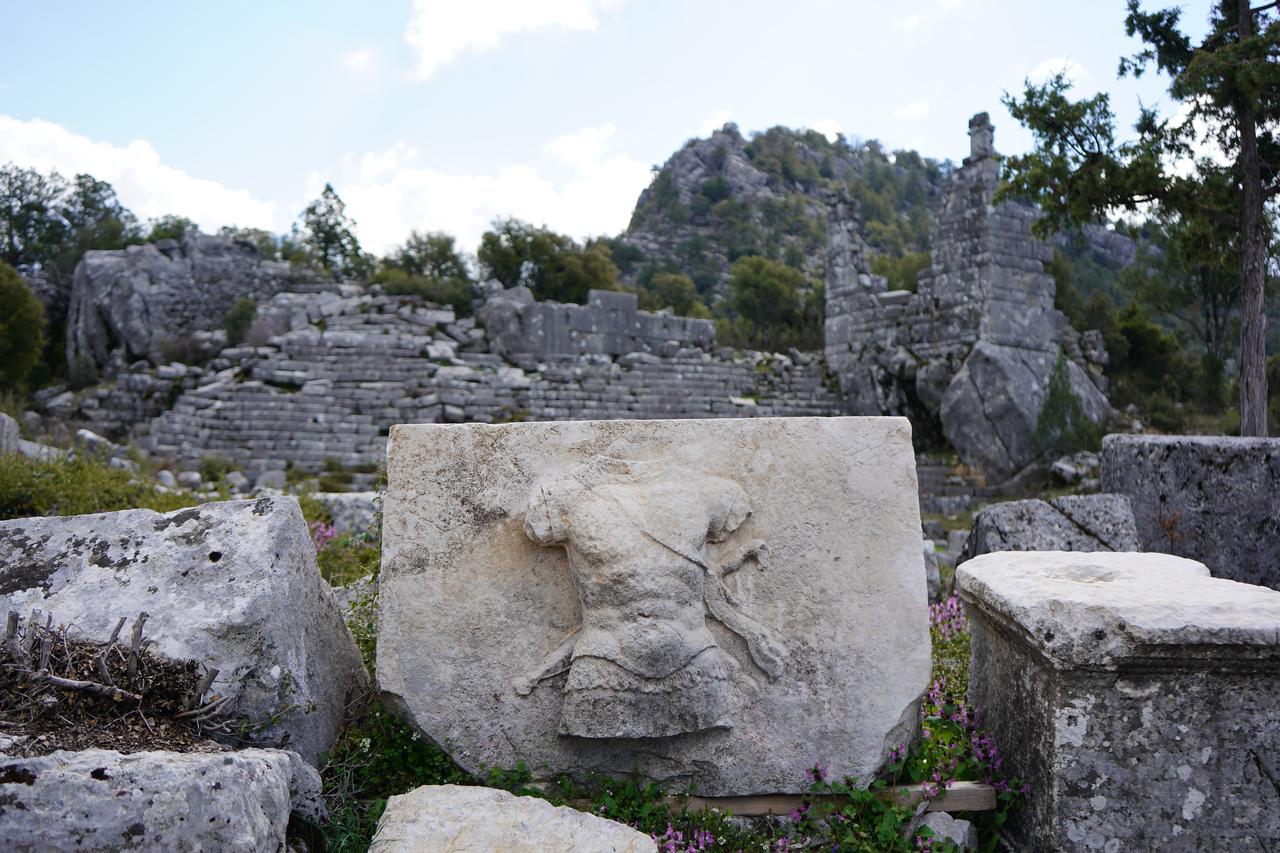
A relief depicting a torso carved in stone is displayed among the ruins of the ancient city of Adada, where ongoing archaeological excavations reveal a continuous settlement and advanced administrative structure spanning 17 centuries in Sutculer district of Isparta, Türkiye, April 9, 2026. (AA Photo)

New finds point to changing belief systems

As excavations move forward, researchers are also uncovering evidence linked to shifts in religious life.

Morel said the team has reached concrete archaeological data tied to architectural structures reflecting transformations in belief systems, as well as spaces connected to catechumenate, a period of religious instruction for those preparing to enter Christianity.

These findings are helping scholars piece together how the city evolved not only physically but also socially and spiritually over time.
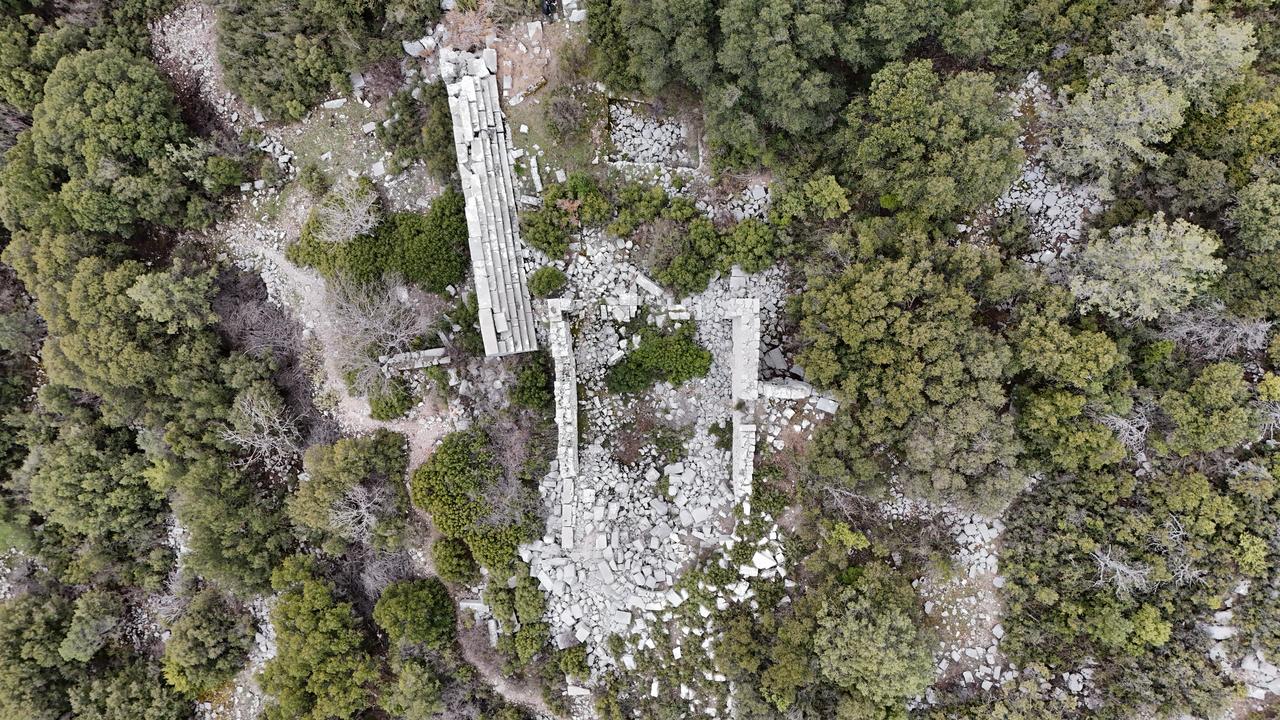
An aerial view shows the forested hills surrounding the ancient city of Adada, where ongoing archaeological excavations reveal a continuous settlement and advanced administrative structure spanning 17 centuries in Sutculer district of Isparta, Türkiye, April 9, 2026. (AA Photo)

Civic decisions appear to have shaped public building

One of the clearest results to emerge from the site concerns Adada’s administrative culture.

Morel said the evidence indicates that all public buildings in the city were constructed by decision of the council, pointing to a highly developed understanding of local governance for the time.

With its monumental remains, many of which still stand to a large extent, Adada continues to draw attention both for academic research and for cultural tourism.

April 15, 2026 06:01 AM GMT+03:00
More From Türkiye Today