Newsletters


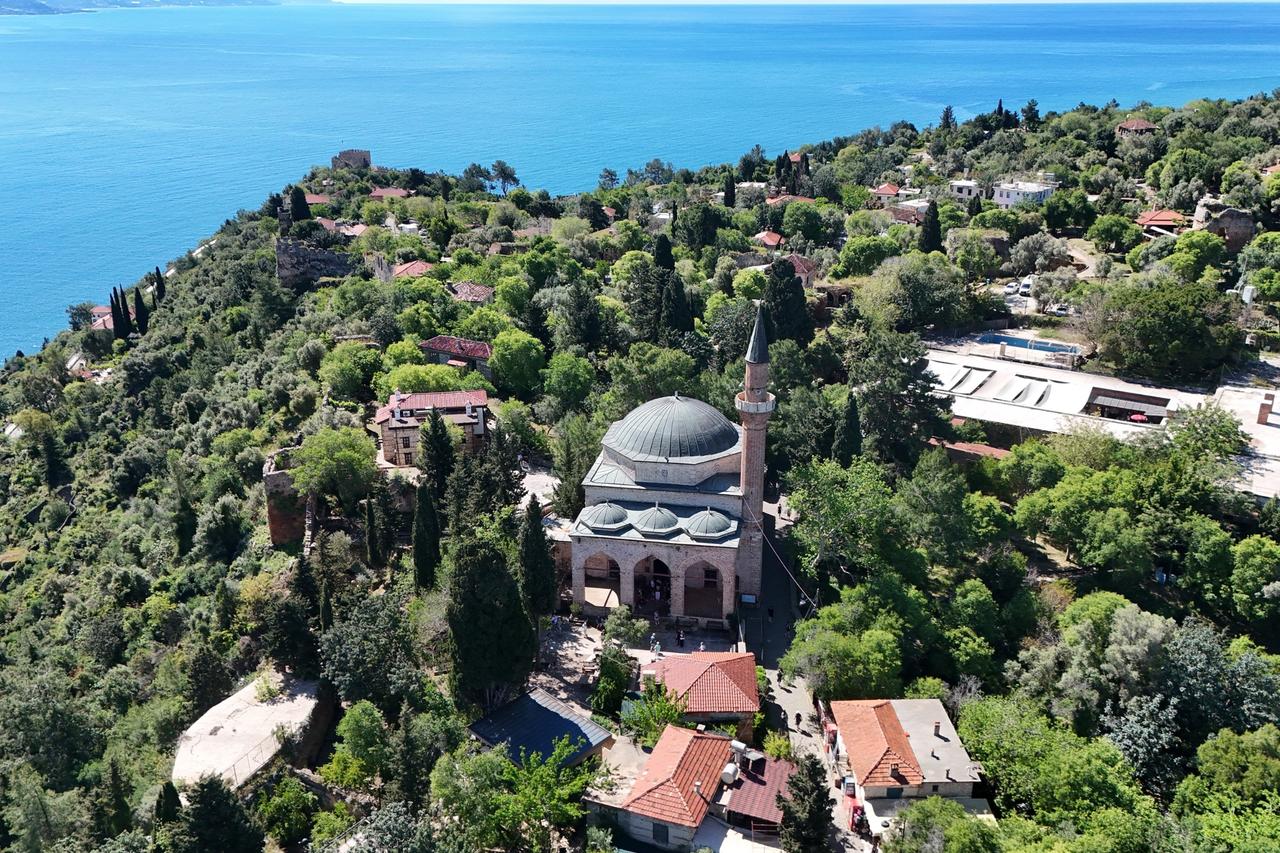


Rising above the Mediterranean coastline, the 800-year-old Suleymaniye Mosque inside Alanya Castle in Alanya, Antalya stands as one of Türkiye’s most striking examples of living Seljuk-Ottoman heritage.
Originally constructed in the 13th century during the reign of Seljuk Sultan Alaaddin Keykubad I, the mosque was initially known as the Alaaddin Mosque. Built in accordance with the Seljuk tradition of establishing places of worship at prominent and elevated points in newly conquered cities, the structure is regarded as a “conquest mosque.”
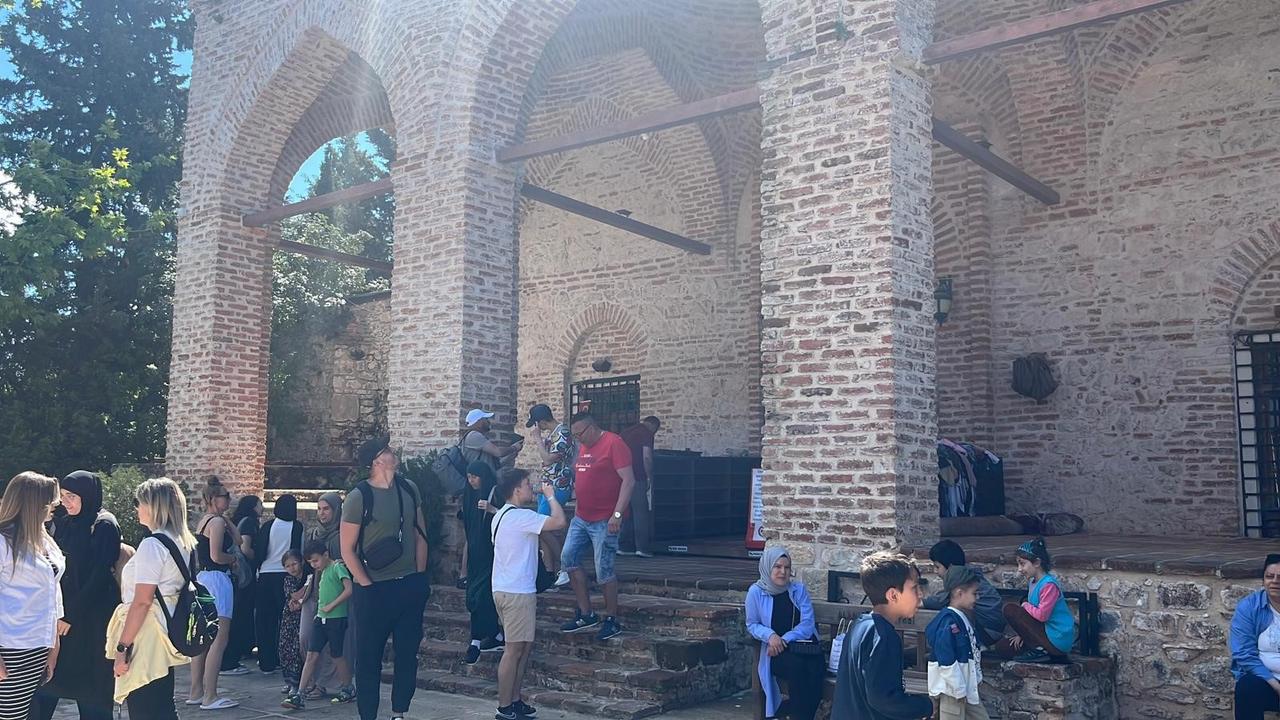

The building underwent significant transformations in the 16th century after sustaining severe damage, reportedly due to natural causes during the Ottoman period. It was subsequently rebuilt under the patronage of Ottoman Sultan Suleiman the Magnificent, from whom it later took its current name, Suleymaniye Mosque.
The reconstruction preserved parts of the original foundations while incorporating Ottoman architectural elements, resulting in a structure that reflects both Seljuk and Ottoman design traditions.
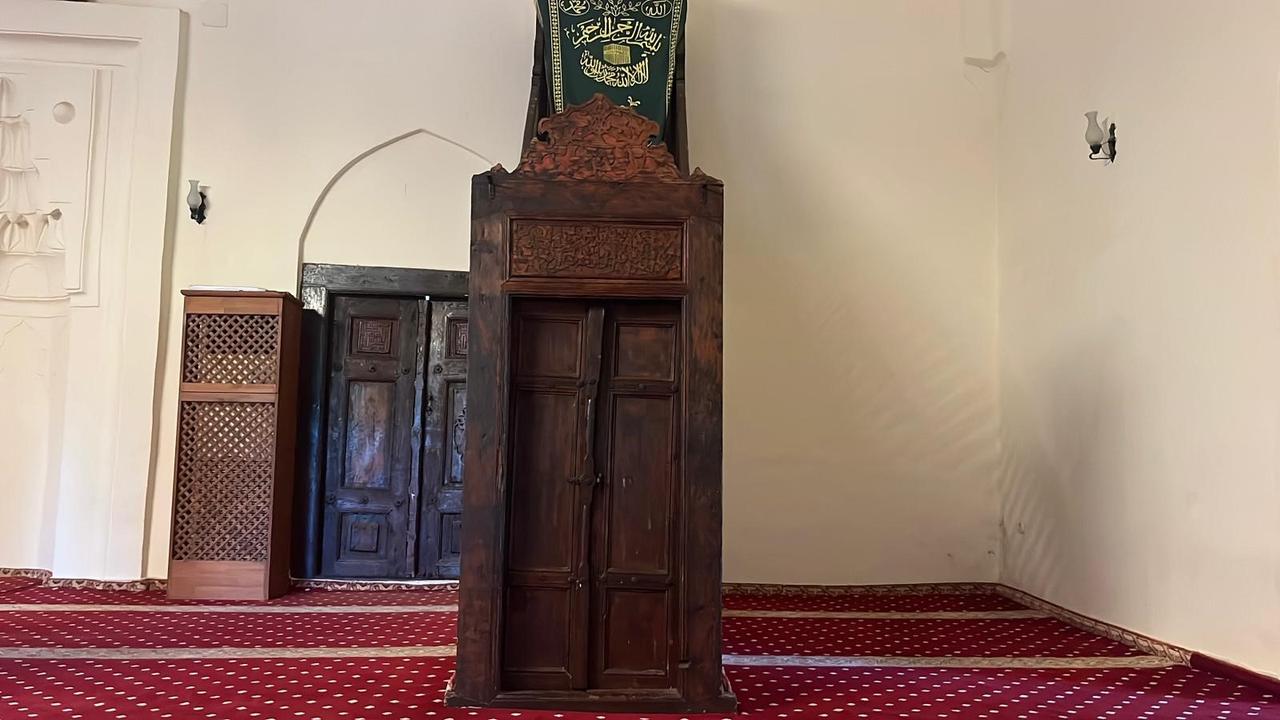
The mosque is particularly notable for its architectural details, including original wooden craftsmanship in its entrance doors, pulpit and window shutters. These features are considered important examples of period artistry and continue to attract the attention of heritage visitors.
A distinctive feature of the structure is its acoustic system. The mosque was engineered with 60 ceramic jars embedded within its architecture to enhance sound distribution in the prayer hall, compensating for the absence of modern amplification systems. Historical accounts indicate that one of these jars was covered during later restoration works, leaving 59 still functional.
In addition, the mosque’s entrance is adorned with Makili-style calligraphy, including inscriptions of the Fatiha Surah, reflecting symbolic themes associated with spiritual entry and Islamic tradition.


 Set as preferred source
 Set as preferred source


 2 min read

 1 min read