

 Newsletters


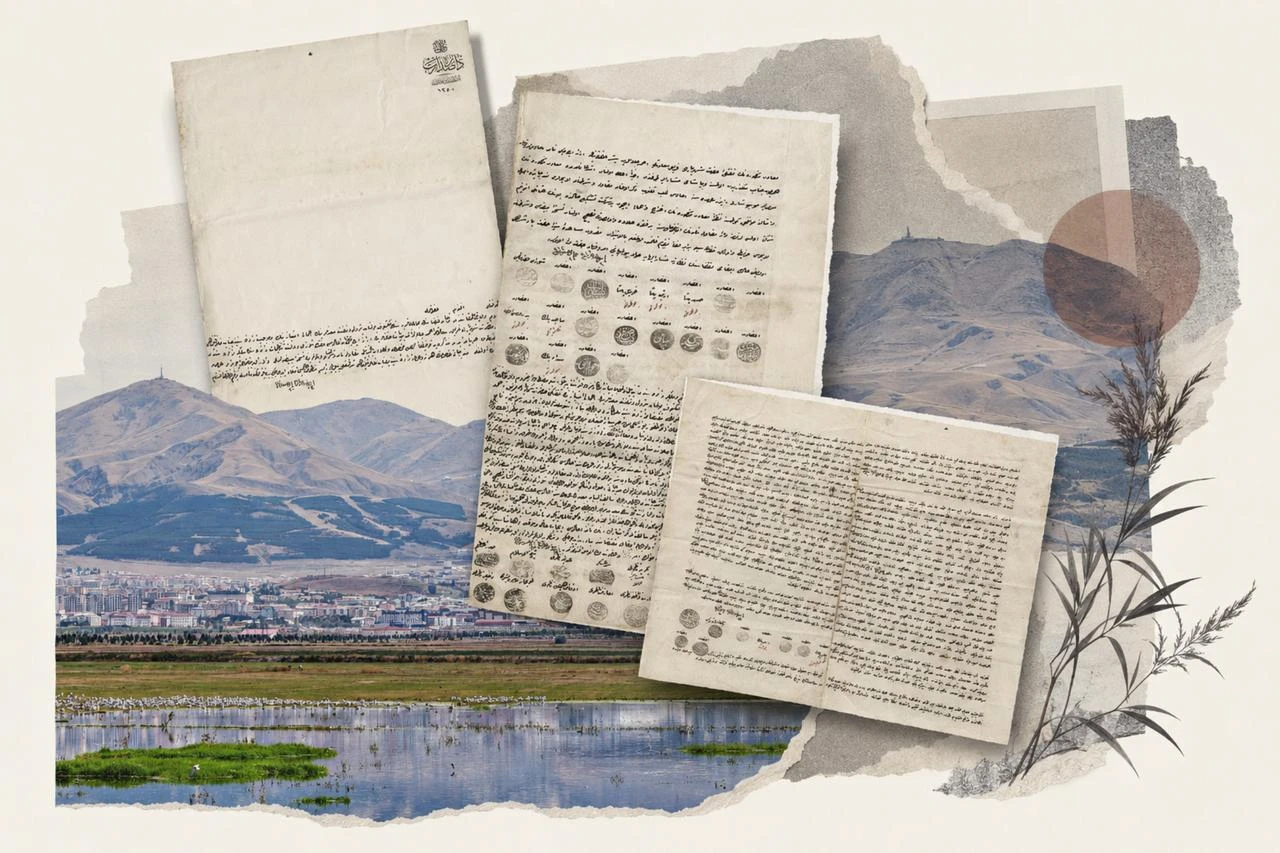


An Ottoman archive document dating back to 1898 shows that oil and neft (a term that generally refers to petroleum, naphtha, or naturally occurring mineral oil) resources in Türkiye's eastern province of Erzurum had already drawn the attention of the state more than a century ago, with Sultan Abdulhamid II's chief intelligence official playing a central role in efforts to secure their exploitation.
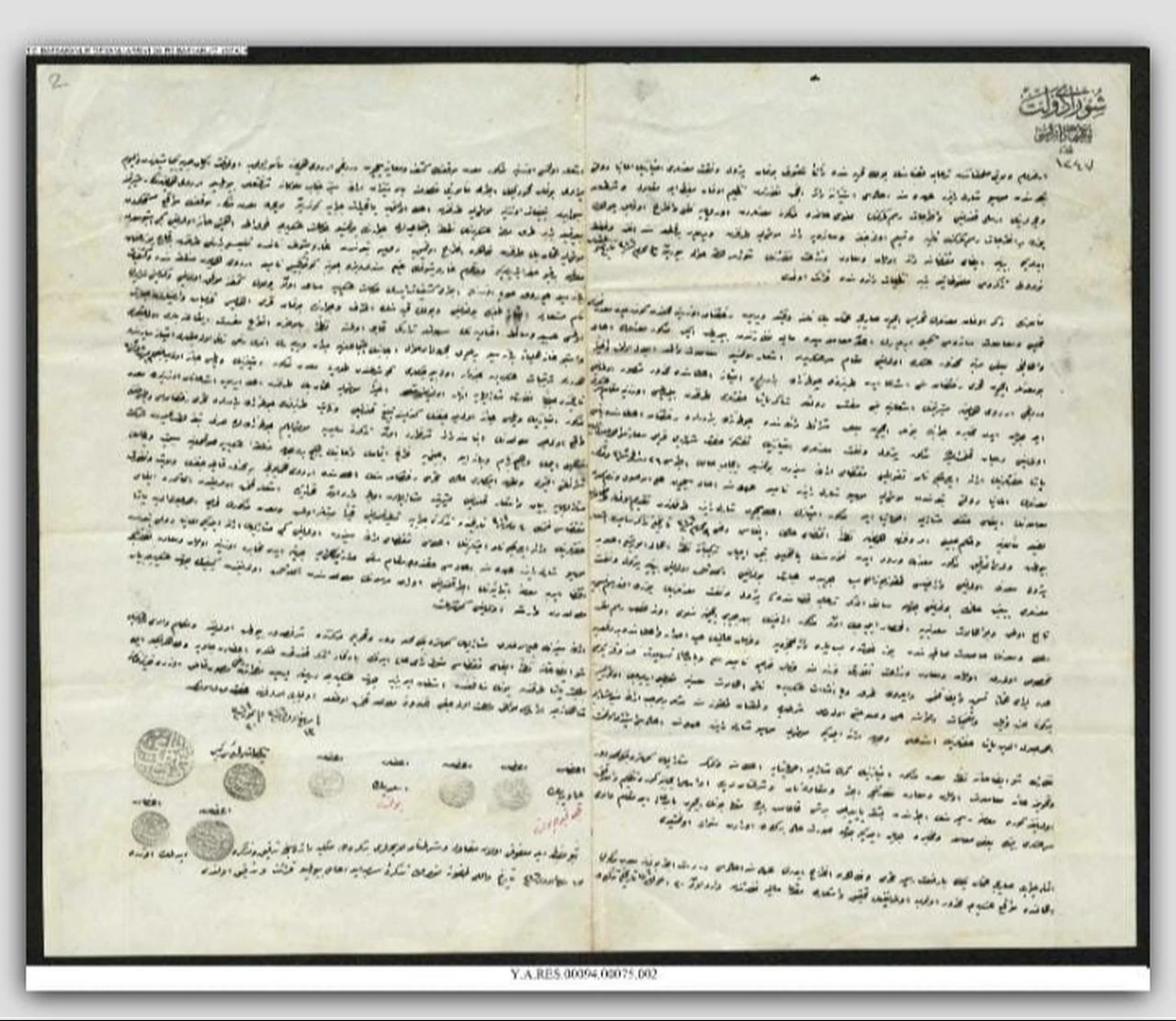
The document, highlighted by historian Taner Ozdemir, a board member of the Erzurum branch of the Türkiye Language and Literature Association, records a concession process involving Ahmed Celaleddin Pasha, one of the prominent officials of Abdulhamid II's reign.
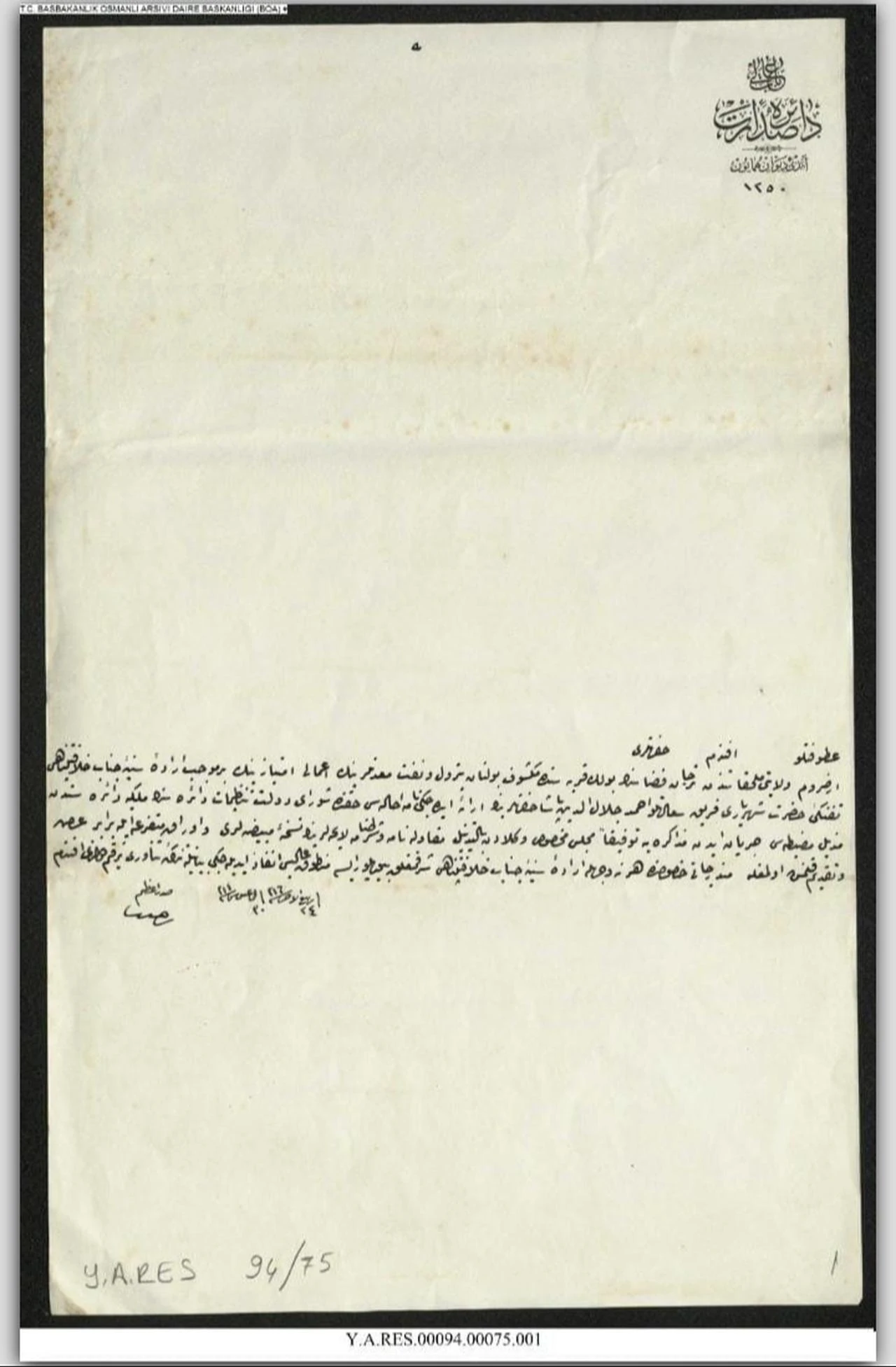
Held in the Yildiz Archive of Türkiye's Presidency of State Archives, the record refers to the granting of a concession for "petrol and neft mines emerging within Erzurum" to Ahmed Celaleddin Pasha. Neft is a historical term used for petroleum and related hydrocarbon substances.
The document dates to 1898, showing that the Ottoman administration was looking into the economic potential of Erzurum's underground resources at the end of the 19th century.

According to Ozdemir, Ahmed Celaleddin Pasha was far more than an ordinary Ottoman official. He served as serhafiye, effectively the head of the Ottoman intelligence apparatus during Abdulhamid II's reign, and was among the officials trusted by the sultan.
Of Circassian origin and from a family that migrated from the Caucasus, Ahmed Celaleddin Pasha arrived in Istanbul at a young age and entered palace service. He rose through the Tufekci organization responsible for guarding Yildiz Palace, later became one of the sultan's aides, and eventually moved up to the position of serhafiye.
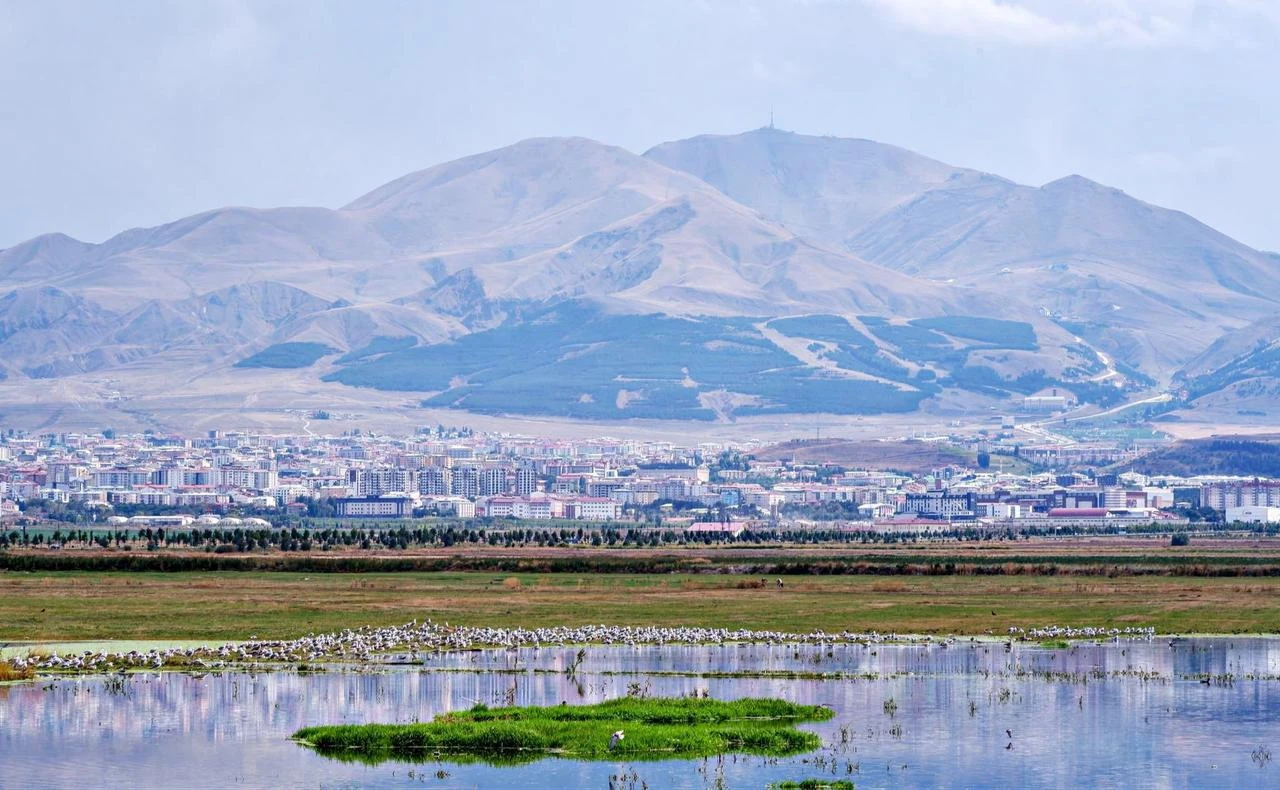
His name also turns up in Ottoman records concerning oil and neft deposits around Pulk village, then part of the Tercan district of Erzurum province.
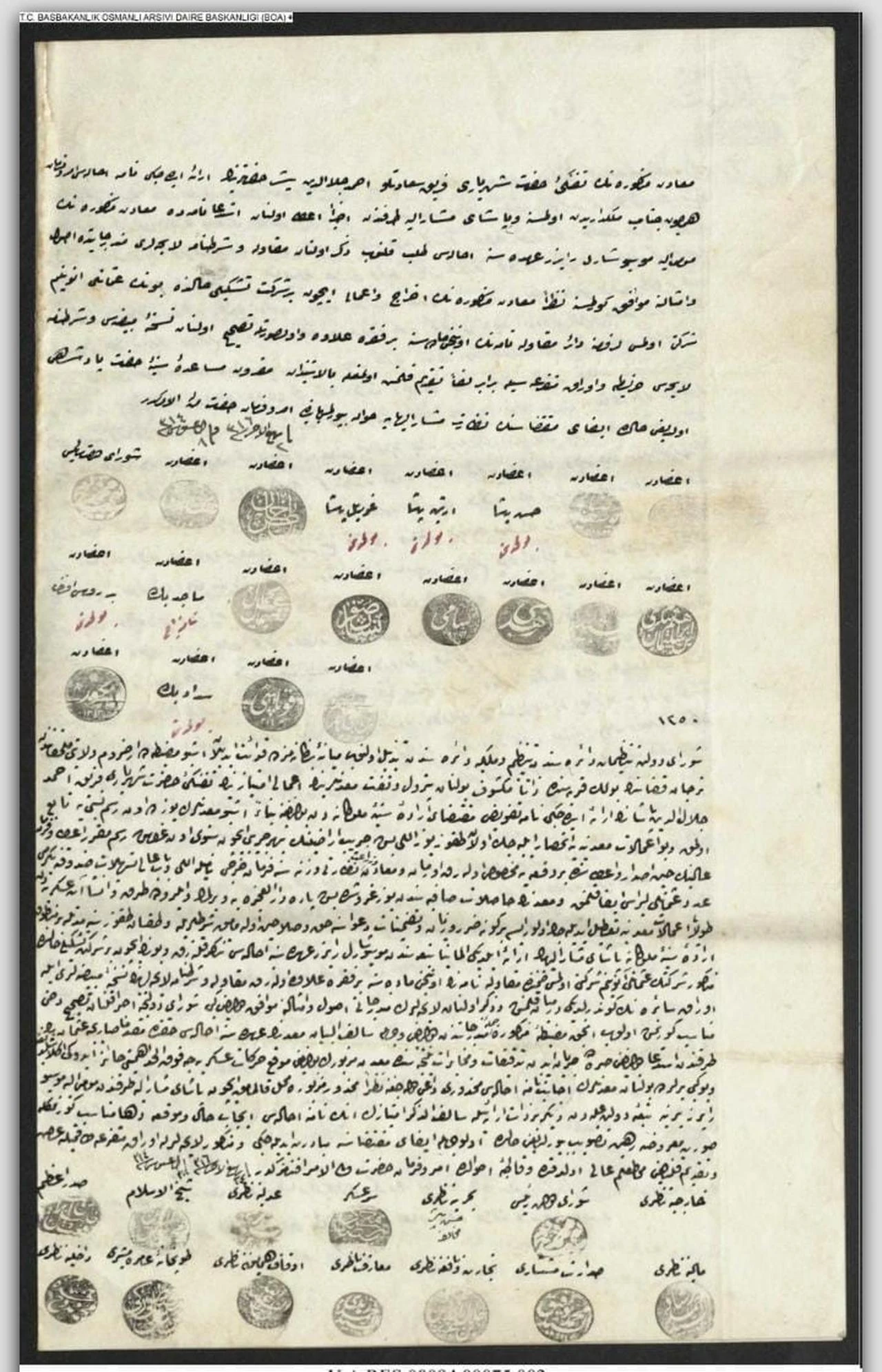
The archival records show that, following Ahmed Celaleddin Pasha's recommendation, officials moved forward with a plan to grant the operating concession for the Pulk oil and neft deposits to Sharl Rayzer, a German national.
Documents drawn up after the pasha's recommendation were sent to the relevant state institutions before the matter was taken up by the Sura-yi Devlet, the Ottoman State Council.
The records also indicate that conditions were set out for exploiting the deposits, placing Erzurum's oil resources at the intersection of the Ottoman state's mining and economic agenda while also bringing in a foreign entrepreneur.
According to Ozdemir, the records show that Erzurum's petroleum resources had attracted not only the attention of Ottoman officials but also interest from German business circles by the end of the 19th century.
Ozdemir noted that oil was growing increasingly important as an energy and industrial resource toward the end of the 19th century, while petroleum deposits across Ottoman territories were also drawing the attention of European powers.
During Abdulhamid II's reign, the Ottoman state carried out various initiatives aimed at identifying and exploiting petroleum resources across its territory. Ozdemir said the concession process in the Erzurum-Pulk area should be viewed as one example within that broader effort.
The archival material also brings an underexplored part of Erzurum's economic history back into focus.
The 1898 document establishes that oil and neft resources in the region were known to Ottoman officials, that a concession mechanism was set in motion to exploit them, and that Ahmed Celaleddin Pasha stood at the center of the process.
Ozdemir said the records still leave several questions open:
"How long was oil in the Pulk region exploited? To what extent did Sharl Rayzer's activities produce results? In what other parts of Erzurum were oil and neft resources identified? Why was the Ottoman state unable to make wider use of these resources?"
He said Erzurum's oil story remains a historical subject that awaits further examination through Ottoman archival records.


 Set as preferred source
 Set as preferred source


 1 min read
 1 min read


