Newsletters


The conquest of Bursa in 1326 by Orhan Bey marked a decisive moment in the early expansion of the Ottoman state, transforming a rising frontier principality into a growing regional power. Seven centuries later, the milestone is being commemorated with a wide range of cultural, academic and public events throughout 2026, reflecting both the historical significance of the conquest and the city’s enduring role in Ottoman history.
Bursa, located in northwestern Türkiye near the Sea of Marmara, was the first major urban center captured by the Ottomans and later became the empire’s first capital. The city’s fall effectively ended Byzantine influence across much of the southern Marmara region and placed key trade routes and economic networks under Ottoman control.
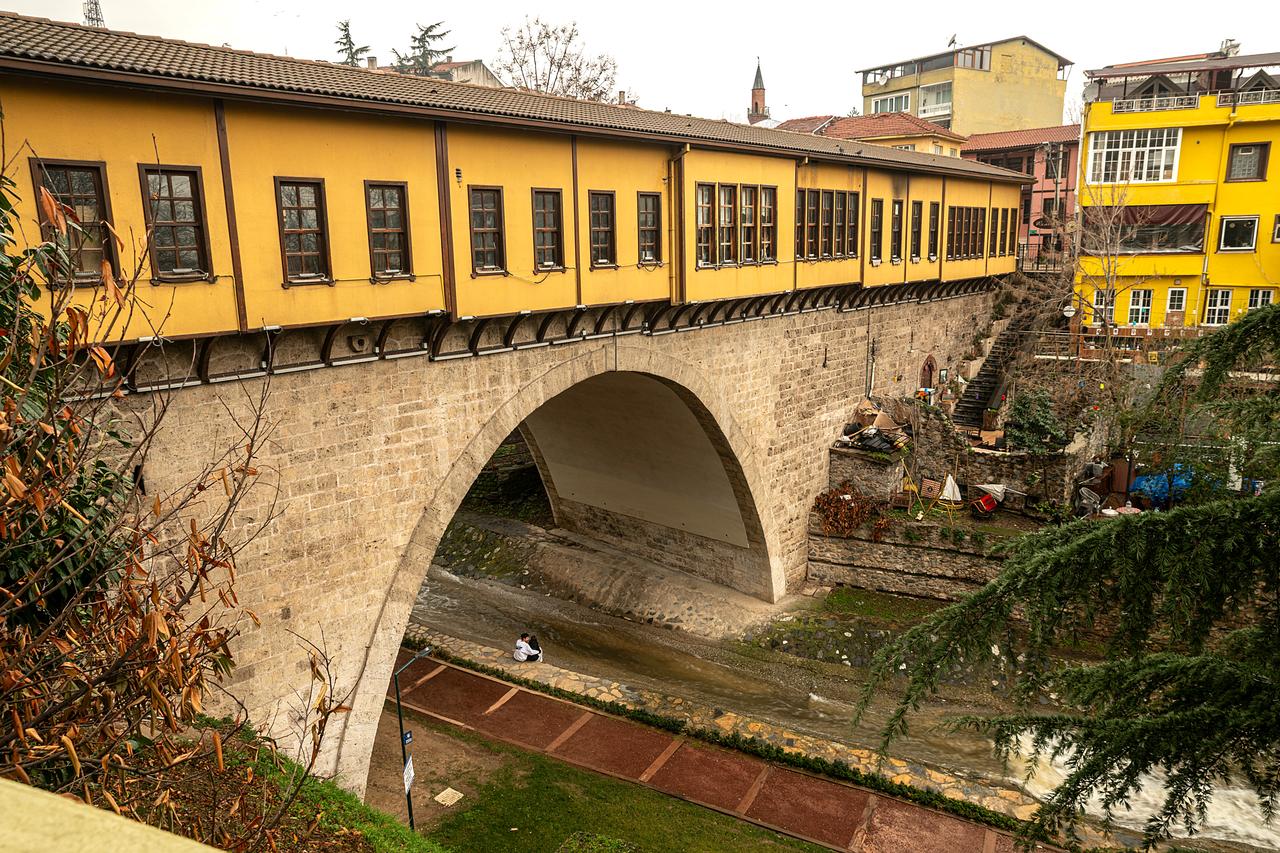

In its early years, the Ottoman beylik (a small frontier principality) maintained relatively stable relations with neighboring Byzantine authorities, known as tekfurs, who governed fortified towns in the region. These interactions were largely based on pragmatic cooperation and mutual interests.
However, as the Ottomans gradually expanded and consolidated their authority, military confrontation became increasingly unavoidable. The strategic cities of Iznik (Nicaea) and Bursa soon became central targets.
Osman Gazi, the founder of the Ottoman polity, launched an early campaign against Iznik, placing the city under a prolonged siege. Byzantine forces, supported by regional governors, attempted to break the encirclement but suffered a significant defeat in the Battle of Koyunhisar, allowing Ottoman territory to expand toward the Iznik–Bursa line.
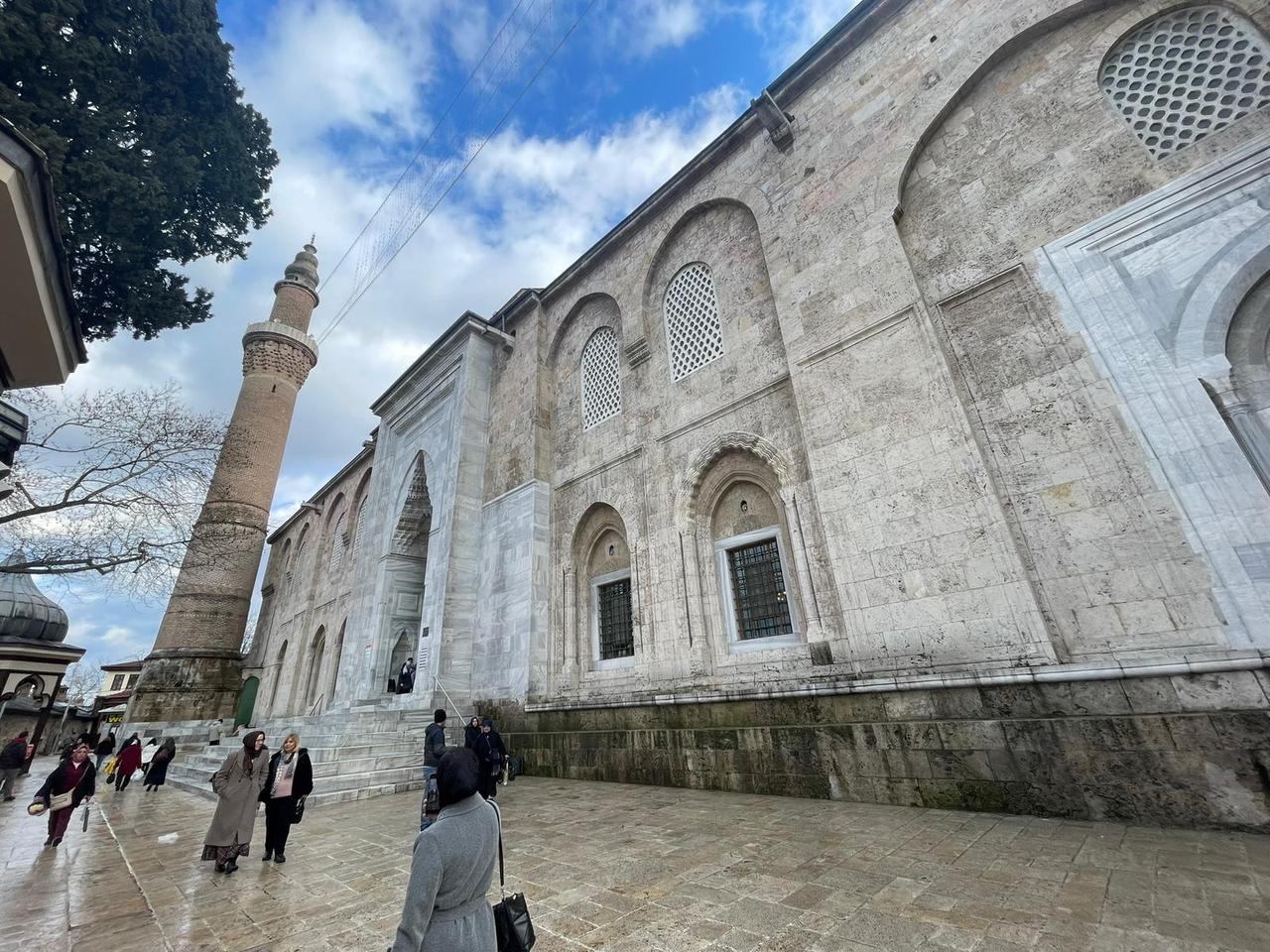
Despite these victories, both Bursa and Iznik were heavily fortified and difficult to capture through direct assault. Instead, the Ottomans pursued a long-term strategy aimed at isolating the city by cutting supply routes and limiting outside assistance.
The siege of Bursa began shortly after the Battle of Dimbos around 1303 and continued for 23 years. Ottoman forces established surrounding fortifications and settlements to tighten control over the area and restrict the movement of supplies and troops.
Over time, the prolonged blockade weakened the city’s defenders and civilian population. Economic hardship spread within the walls as resources dwindled, while some villagers outside the fortress reportedly chose to submit to Ottoman rule, receiving protection and improved living conditions.
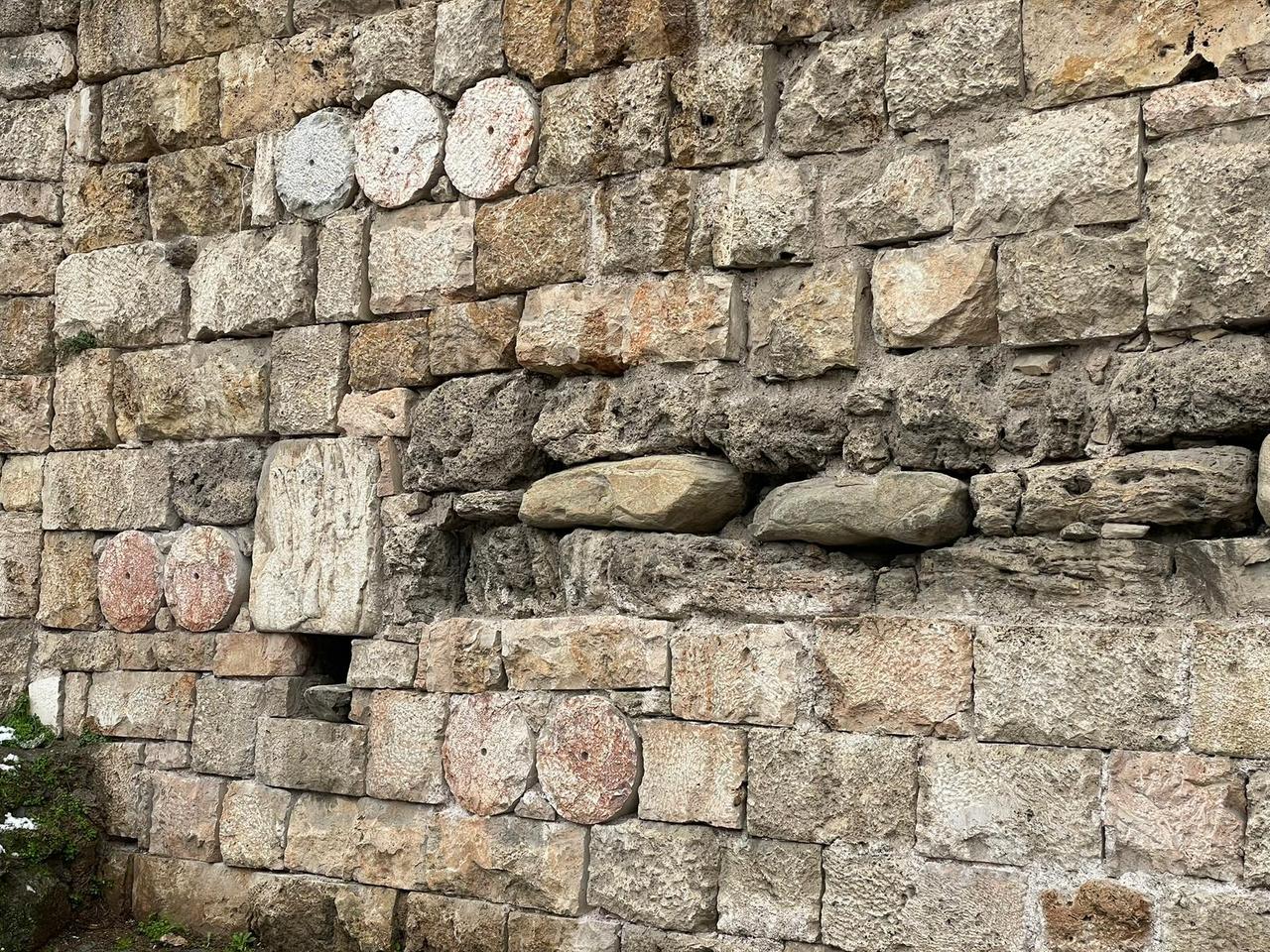
Eventually, the Byzantine governor of Bursa agreed to surrender the fortress. According to accounts of the agreement, several conditions were set: the governor and his family would be allowed to leave safely, their personal wealth would not be confiscated, and the city would not be looted.
The governor reportedly departed the city under Ottoman supervision with 30,000 gold coins, traveling to Constantinople by ship through Gemlik.
When Orhan Gazi later asked Saroz, a Byzantine official who helped mediate the surrender, why the city had fallen, he offered a striking explanation:
“There are many reasons. Your state has grown strong while ours has grown weak. Our villagers turned toward you when their lands were taken, because they found comfort under your rule. Our treasury had gold, but nothing to buy. And our emperor had become powerless.”
After entering the city, Orhan Gazi honored the agreement and did not allow the city to be plundered. The treasury of the former Byzantine administration was instead distributed among the Ottoman warriors who had participated in the campaign.
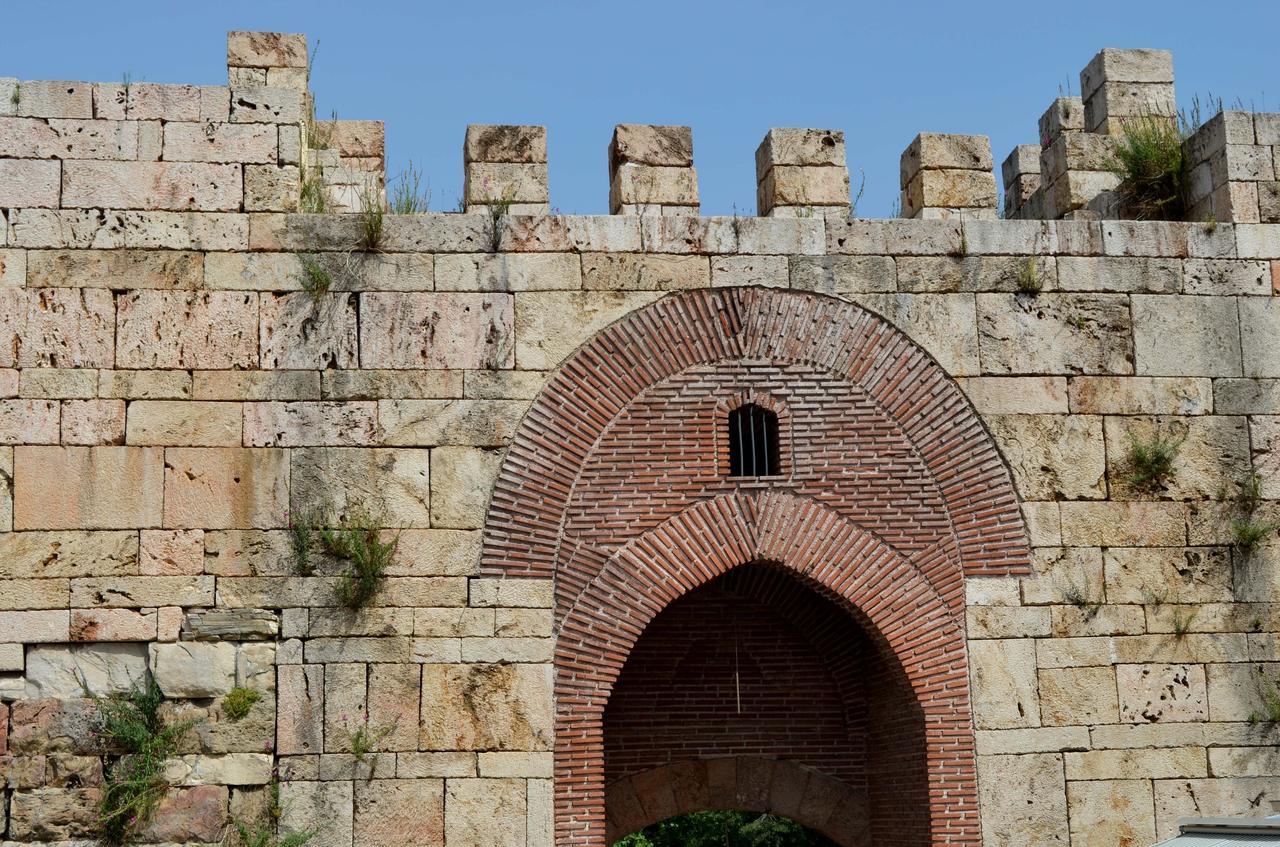
Following its capture, Bursa quickly became the political and administrative center of the expanding Ottoman state. Within roughly a decade, it formally served as the Ottoman capital and developed into a major commercial hub.
The city’s silk trade, previously under Byzantine control, passed to the Ottomans, strengthening the economic foundations of the young state. Bursa also became a center for early Ottoman architecture, with mosques, baths and caravanserais shaping its urban landscape.
Over time, parts of the local population remained in the city under Ottoman rule, while new Muslim communities settled in the region, contributing to its demographic and cultural transformation.
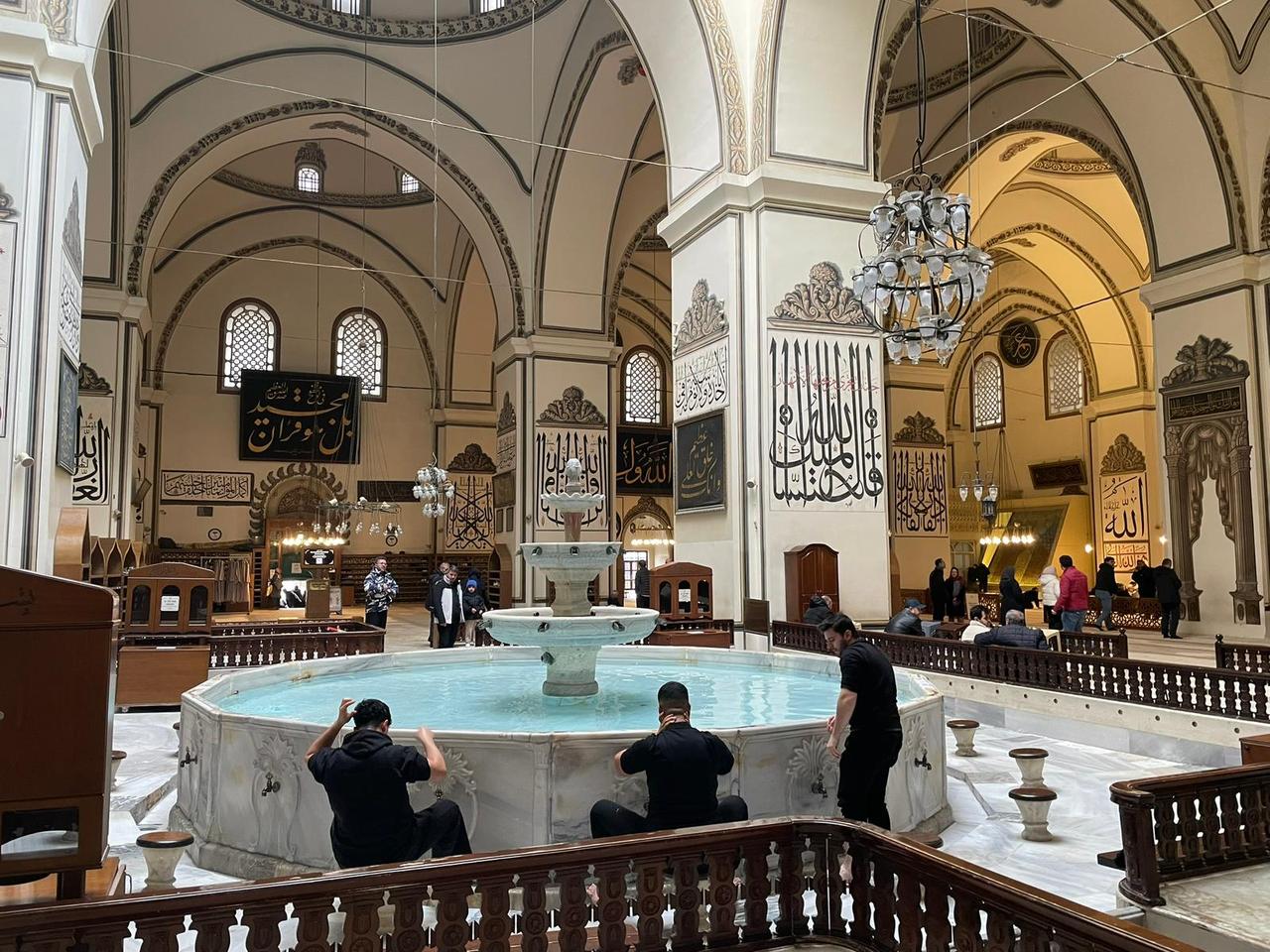
The year 2026 marks the 700th anniversary of the conquest, and Bursa Metropolitan Municipality has launched a comprehensive program of events throughout the year. The initiative aims not only to commemorate the historical milestone but also to explore the city’s long-term cultural and civilizational legacy.
The program includes academic conferences, cultural exhibitions, public performances and heritage projects designed to highlight the city’s historical trajectory from the early Ottoman period to the present day.
Among the planned activities are an international symposium focusing on 14th-century Bursa, digital exhibitions, historical walking routes and restoration projects across the historic city center.
A large-scale commemorative event scheduled for April 5 will combine music, digital projection mapping and live performances to recreate the historical narrative of the conquest on the city’s monuments.
Additional initiatives include exhibitions of historical coins, calligraphy displays, museum workshops for children, and cultural programs highlighting Ottoman cuisine and traditional arts.


 Set as preferred source
 Set as preferred source


 3 min read