Newsletters


A white screen goes up. Hand-cut figures begin to move. One voice becomes many.
Then come the familiar clashes, jokes, and misunderstandings of Karagoz and Hacivat, a centuries-old Turkish shadow play tradition that still knows how to hold a crowd.
This Ramadan, that tradition has been meeting a new generation across Türkiye.
Karagoz artist Suat Veral, his wife Safiye Veral, and their apprentice Merve Ilken have spent the month giving performances and workshops to schools, cultural centers, and museums.
They introduce children to an art form that has long occupied a special place in Ramadan evenings. Their program has reached nearly 65 events this season alone.
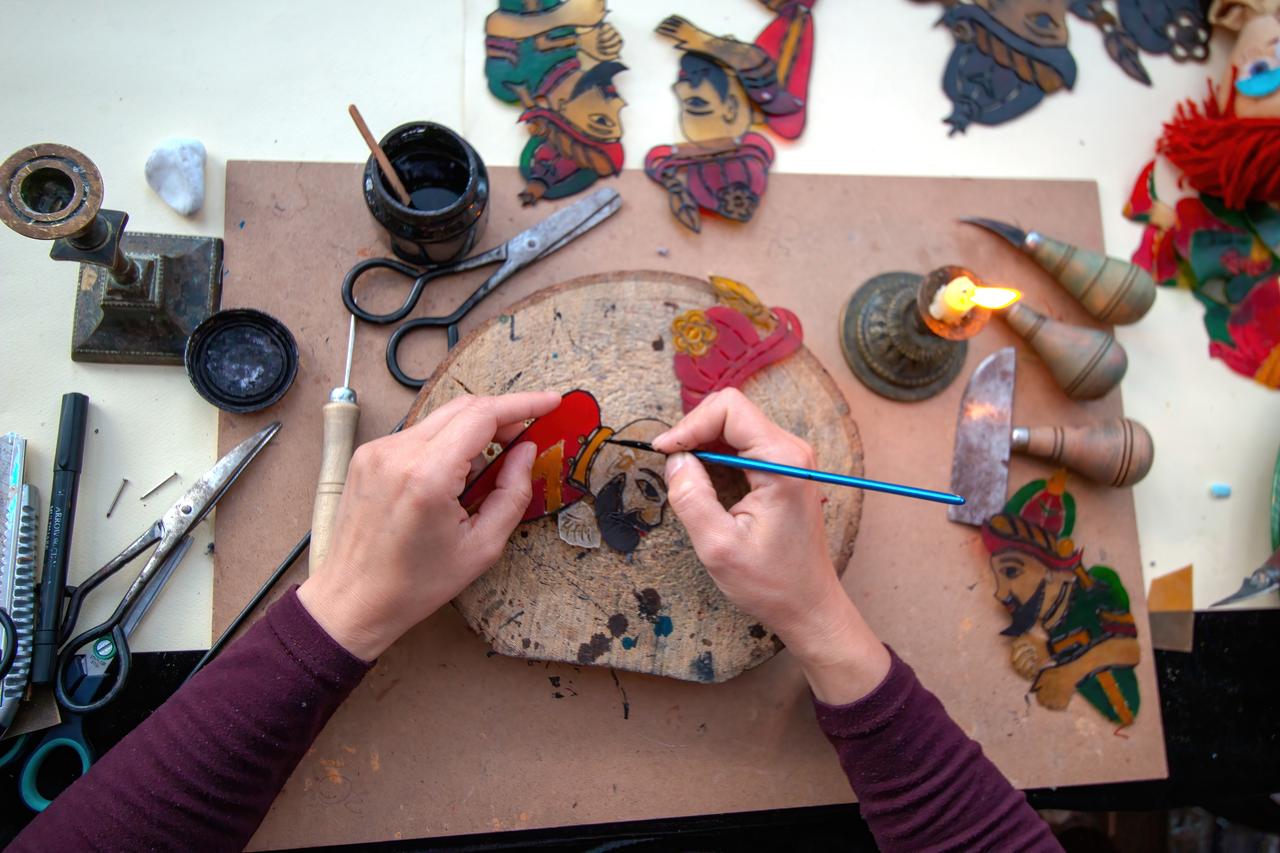
Veral, who has practiced the craft for about 45 years, said he writes and directs the plays himself and also makes the figures by hand.
“I write and direct the plays myself, and I make the figures myself, too. Because this is a work made with hand labor and devotion,” he told Anadolu.
The group has staged performances in Istanbul and beyond, including Edirne and Kocaeli. In schools, children not only watched the show but also saw how the screen is built, how the leather figures are prepared, and how the whole performance comes to life behind the curtain.
“We were in many schools throughout Ramadan,” Veral said. “The children were joyful and happy. They learned the subtleties of this art. They saw how the screen is made, how the figures are made, and how the play is staged.”
That response matters because Karagoz and Hacivat are not simply nostalgic characters from the Ottoman past.
They remain one of the clearest examples of how Turkish performance culture has carried humor, craftsmanship, social observation, and public memory across centuries.
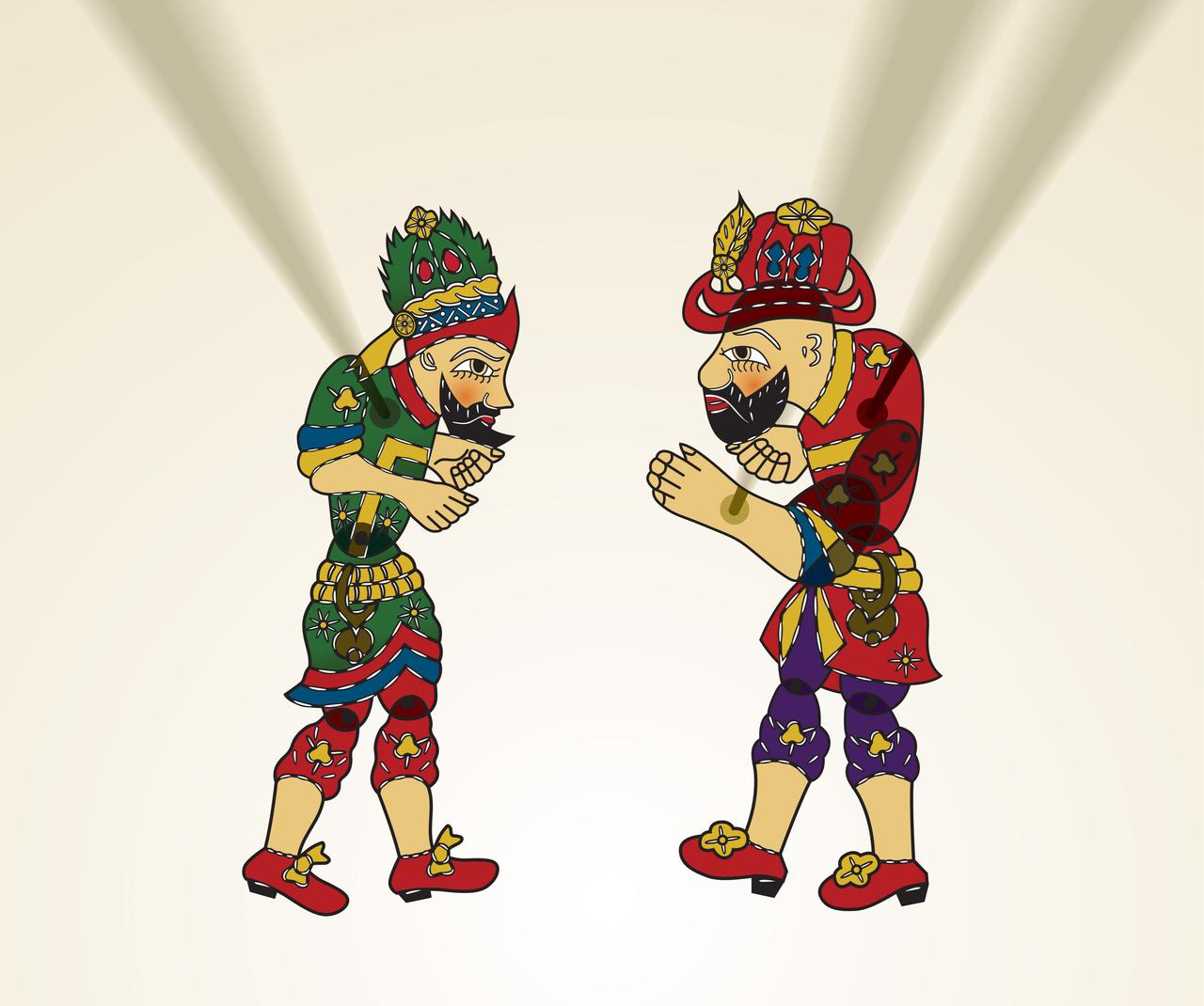

Karagoz and Hacivat may look at first like a children’s puppet show. In reality, they stand at the center of one of Türkiye’s most important traditional theater forms.
Karagoz is a shadow play performed by moving human, animal, or object figures made from camel or water buffalo hide behind a white screen lit from the back, as described by the Culture Portal of the Turkish Ministry of Culture and Tourism.
The lead artist, known as the "hayali," is not just a puppeteer. The performer is also the voice actor, storyteller, improviser, musician, and figure maker.
At the heart of the play are two contrasting figures. Karagoz is blunt, impulsive, and rooted in everyday speech. Hacivat is educated, polished, and skilled in language. Their arguments and misunderstandings drive the comedy. Karagoz twists words, resists pretension, and disrupts order. Hacivat tries to impose it.
That comic opposition is what made the pair so enduring, but it also gave the tradition a larger social role. Karagoz and Hacivat were never only there to entertain. They turned daily tensions into performance.
Merve Ilken, Türkiye’s first female Karagoz artist, described that function clearly. “Another name for our screen is a mirror,” she said. “We actually reflect our society in that mirror.”
That idea runs through the historical record. Great Istanbul History describes Karagoz as a theatrical mirror of Ottoman Istanbul, a city shaped by different languages, communities, occupations, and social classes.
Its recurring characters included not only Karagoz and Hacivat, but also regional, ethnic, and urban types whose speech, clothing, and habits were turned into recognizable stage figures.
In other words, this was not a narrow art form. It was a compact version of city life.
Historical sources trace the development of Karagoz to Istanbul, where it became a major part of urban entertainment and public culture. Karagoz held an important place in traditional Turkish theater, and both developed in the city.
There are different views on the earliest origins of shadow theater, but the sources you shared agree on one key point: the art took shape and flourished in Ottoman lands through Istanbul.
The Istanbul Karagoz Puppet Foundation dates its arrival in the 16th century and links it to Egypt under Selim I’s rule, while later centuries saw the form settle into the structure and character most closely associated with Karagoz today.
By the 17th century, the tradition had become more recognizable in its classic form. Historical accounts describe performances in coffeehouses, open squares, gardens, homes, palace settings, and public festivities. Ramadan nights were especially important. The plays became part of the social rhythm of the holy month, when people gathered after iftar for communal entertainment.
That setting helps explain why the form developed such a strong public voice. Karagoz was shaped by crowded streets, mixed neighborhoods, and the sharp contrasts of Ottoman city life. It drew from accents, professions, local habits, and social frictions. It also borrowed from music, poetry, and dance.
The result was a form of popular theater that could be funny, satirical, and highly observant at the same time.
The screen featured a wide range of characters from across the empire and from different groups living in Istanbul. That diversity fed the humor of the plays, especially through speech patterns and verbal conflict.
Much of the comedy came from misunderstanding, wordplay, and the collision of different ways of speaking and seeing the world.
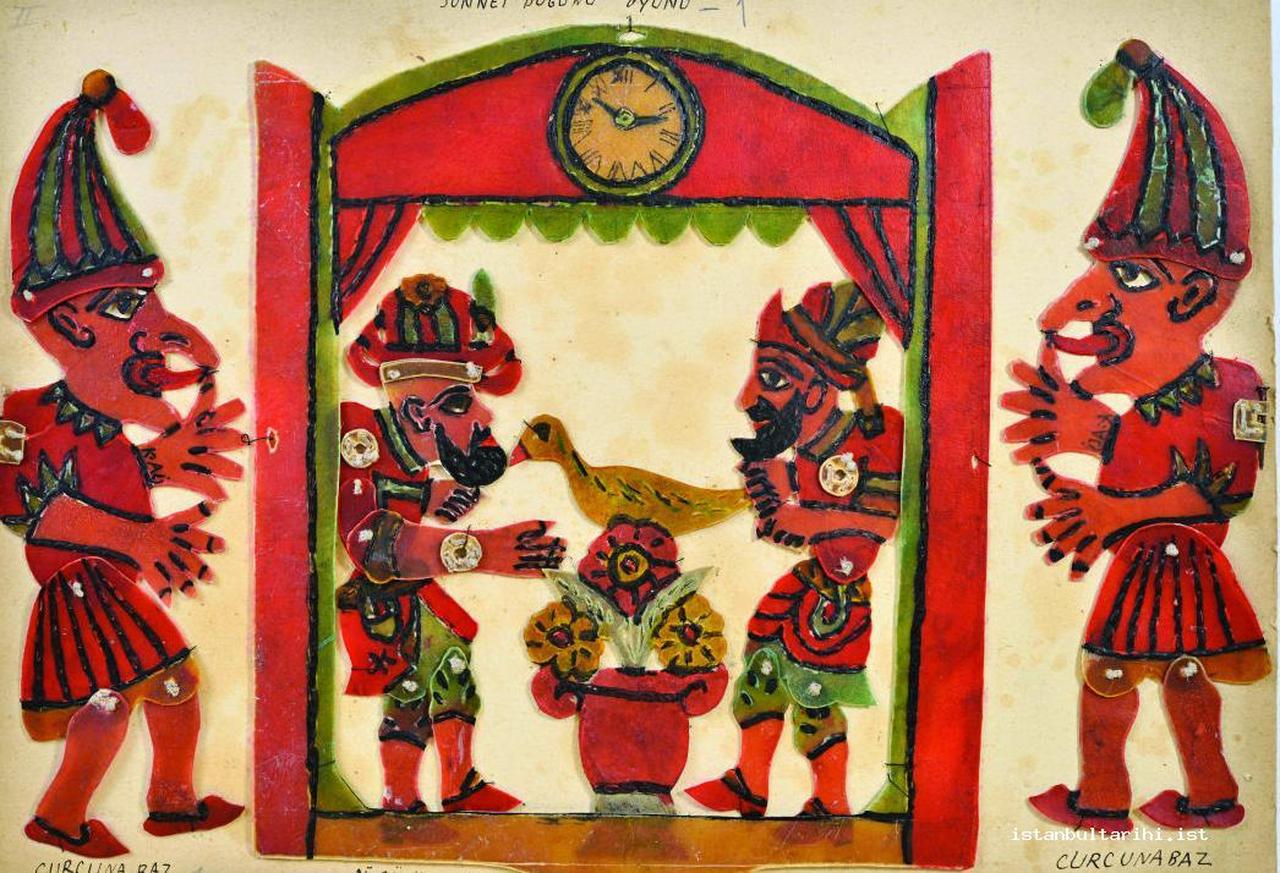
Karagoz survived because it was flexible. It could entertain children, but it could also speak to adults. It could stage nonsense and mockery, but it could also reflect injustice, hypocrisy, and authority.
The Istanbul Karagoz Puppet Foundation describes the tradition as far more politically and socially charged than later simplified versions suggest. Historical accounts cited by the foundation say Karagoz could mock officials, comment on public life, and push at the limits of what was acceptable. Over time, especially in the 19th century, that space narrowed as criticism became less welcome.
At the same time, the art depended on technical mastery. The Culture Portal notes that the play traditionally unfolds in four parts: the opening, the dialogue, the main story, and the ending. Music and dance are essential parts of the performance. The artist must control the full rhythm of the show while voicing multiple characters and adapting the material to the audience.
That level of skill still defines the tradition today. Safiye Veral, who has worked behind the scenes with the art for 30 years, said that one of their main goals is to carry this culture into the future by introducing it to children and young people.
She also recalled one of the strongest reactions they received this Ramadan. According to the report, one child who had not been speaking began to speak on stage while engaging with Hacivat and Karagoz. For the performers, it became a powerful reminder of how direct the connection with children can still be.
Children are often shocked by how much can be done with so few people. Safiye Veral said some ask how many performers are behind the screen.
When they learn that two or three people can create the entire performance, they are surprised. In the current production, the team performs a show with 22 characters.
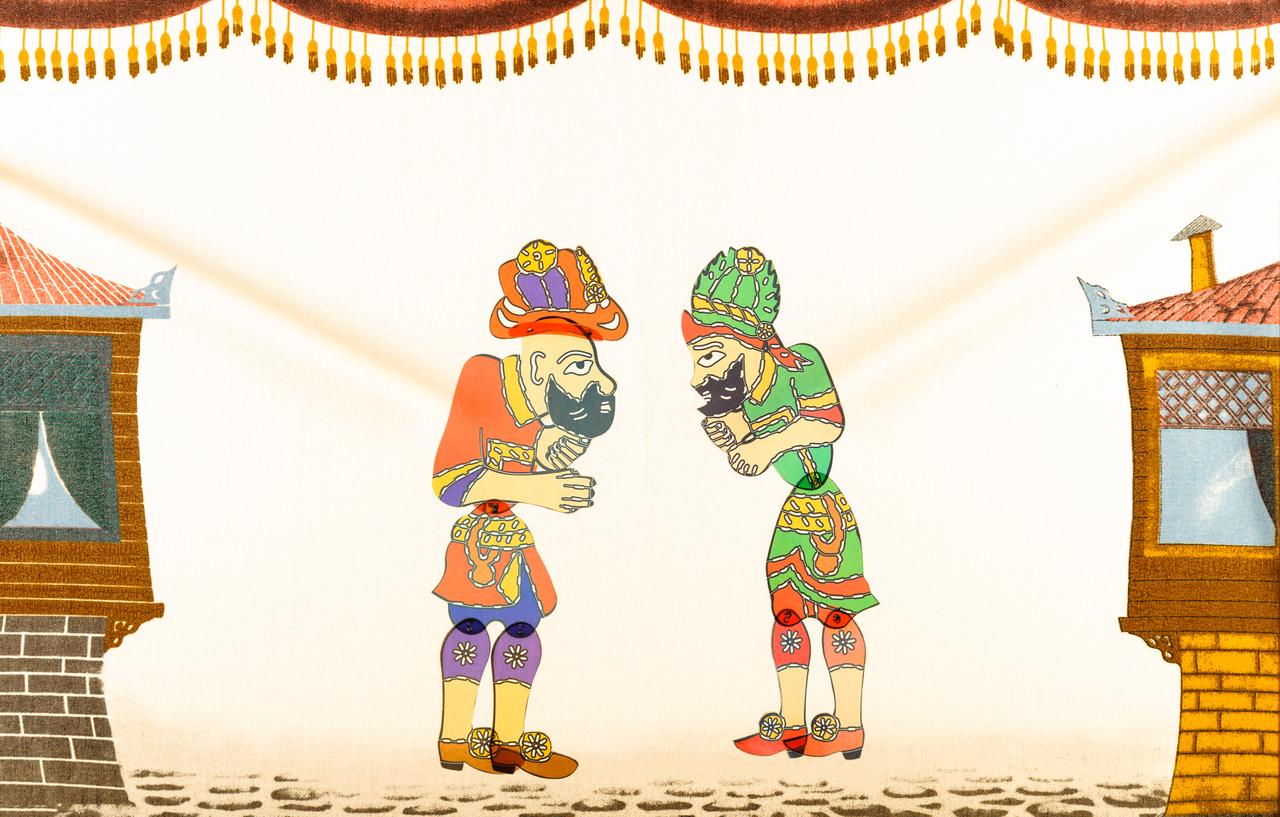
That is what gives the current revival real significance. This is not just heritage on display. It is a living form still being performed, taught, and reshaped in front of audiences.
This year’s Ramadan program included workshops as well as performances, allowing children to move from spectators to participants. Merve Ilken said hundreds of children joined the workshops and became “little dream makers,” learning each stage from figure making to screen setup.
Her presence also reflects another shift inside the tradition. She said girls and young women often ask if they can do this art too. In a field that she described as historically dominated by men, that change matters.
The wider cultural recognition is already there. According to the Culture Portal, Karagoz was inscribed in 2009 on UNESCO’s Representative List of the Intangible Cultural Heritage of Humanity.
Bursa, long associated with the Karagoz and Hacivat story in popular memory, is home to Türkiye’s only Karagoz Museum, which continues to stage performances and preserve the tradition.
But recognition alone does not keep an art form alive. Performance does. Apprenticeship does. Audiences do.
That is why this season’s school visits and workshops matter.
In cities across Türkiye, children who may have only known Karagoz and Hacivat as names are now meeting them as living characters, hearing the voices, seeing the screen, and learning that one of the country’s oldest performance traditions still has something to say.


 Set as preferred source
 Set as preferred source


 3 min read