Newsletters


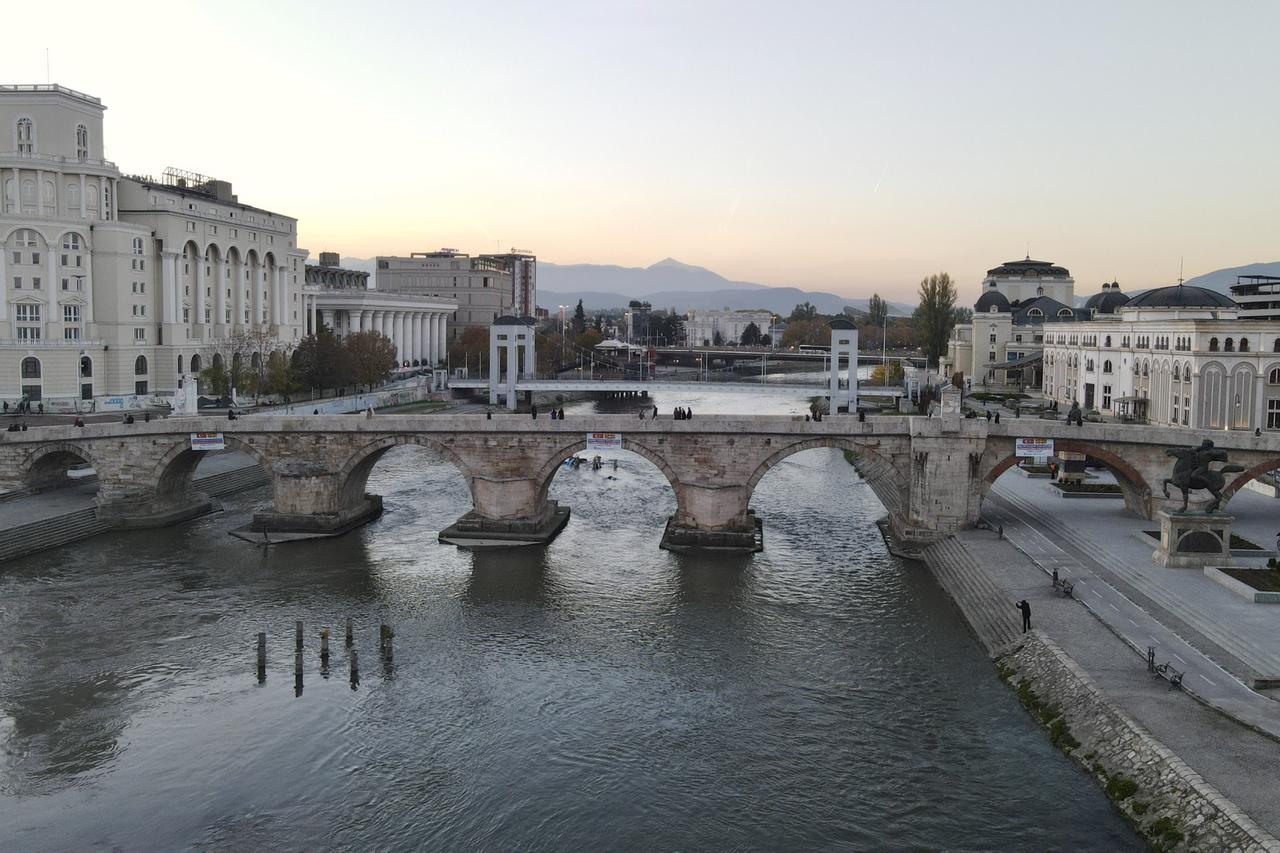


The Ottoman-era Stone Bridge, built during the reign of Sultan Mehmed II, has stood over the Vardar River in Skopje for more than five centuries, connecting the historic Turkish Bazaar with the modern center of North Macedonia's capital.
Known locally as the Stone Bridge and also referred to as the Sultan Mehmed II Bridge, the landmark remains one of Skopje's most recognizable historical structures and a meeting point for residents and visitors.
Built between 1451 and 1469, the bridge stretches approximately 220 meters (722 feet) across the river and measures 6 meters in width. Its stone structure features 13 arches and a mihrab, a prayer niche traditionally indicating the direction of Mecca in Islamic architecture.
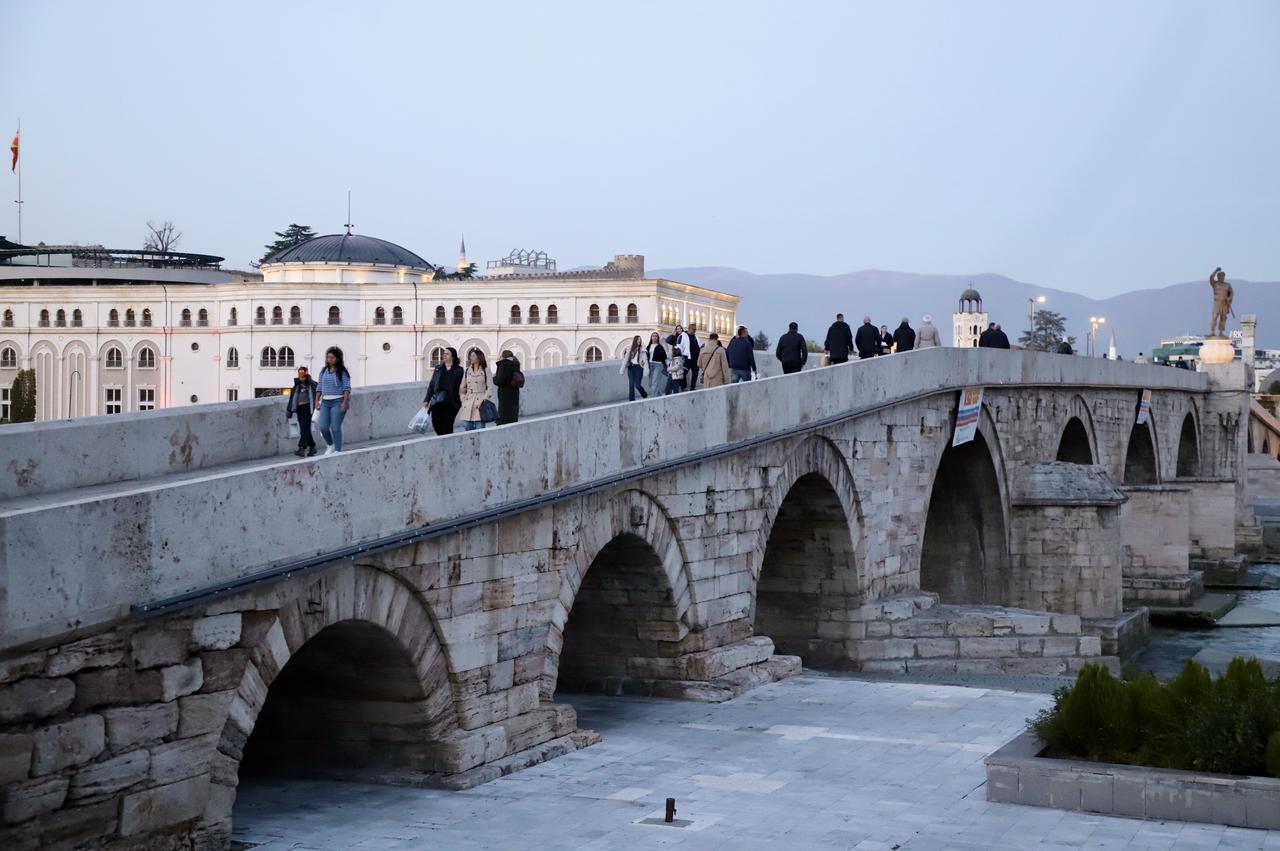

The bridge connects two parts of the city that reflect different periods of Skopje's development. On one side lies the modern urban center, while the other leads into the historic Turkish Bazaar, an area associated with the city's Ottoman heritage.
Beyond its role as a pedestrian crossing, the structure brings together different aspects of Skopje's social and cultural life, reflecting the city's history of religious and ethnic diversity.
Over the centuries, the bridge has survived earthquakes, wars and other destructive events, undergoing repairs and restoration work to address damage sustained during different periods.
Despite these changes, it has remained part of everyday life in Skopje and continues to attract both domestic and international visitors.
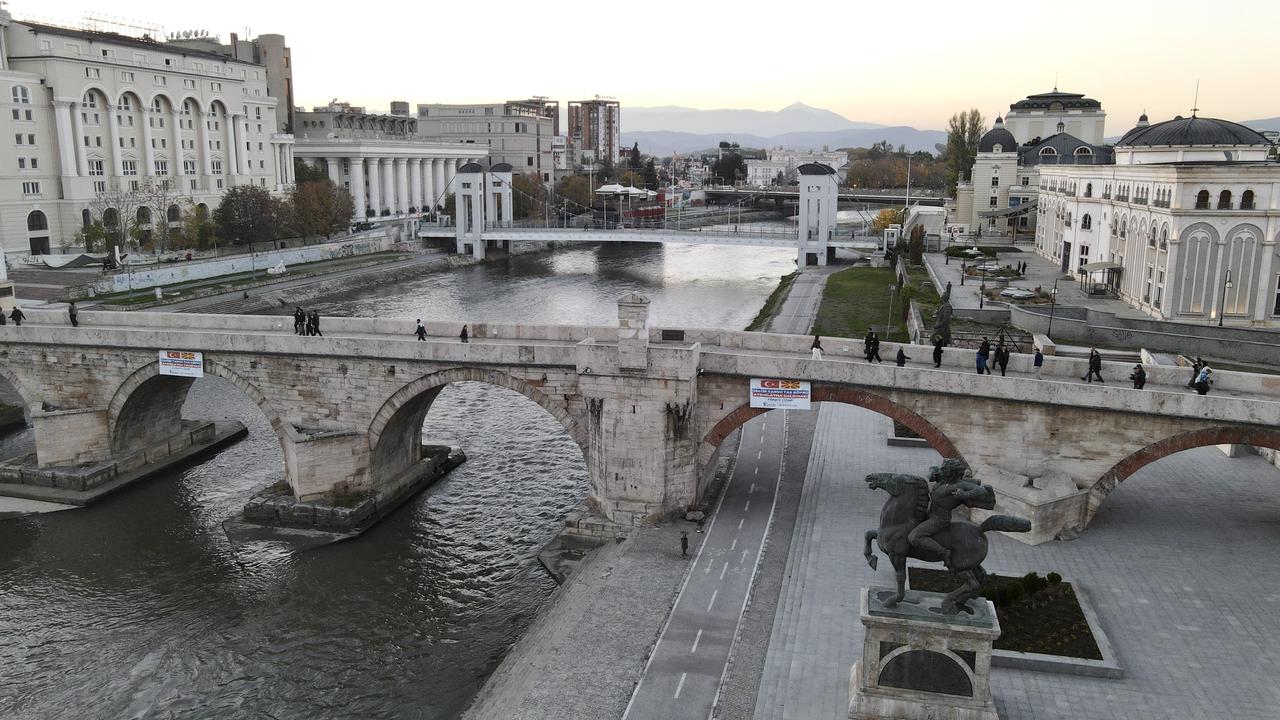
More recently, decorative and architectural lighting work has highlighted the bridge's stone construction and distinctive arches, adding to its visibility in Skopje's nighttime skyline.
The lighting project was carried out through cooperation between Istanbul's Esenler Municipality, Halkbank and the City of Skopje.
The bridge continues to serve as a major gathering point, with pedestrians crossing between the modern city center and the Turkish Bazaar throughout the day.
As one of Skopje's enduring Ottoman-era monuments, the Stone Bridge remains closely associated with the city's historical identity and its connections between different cultural communities.


 Set as preferred source
 Set as preferred source



 2 min read