Newsletters


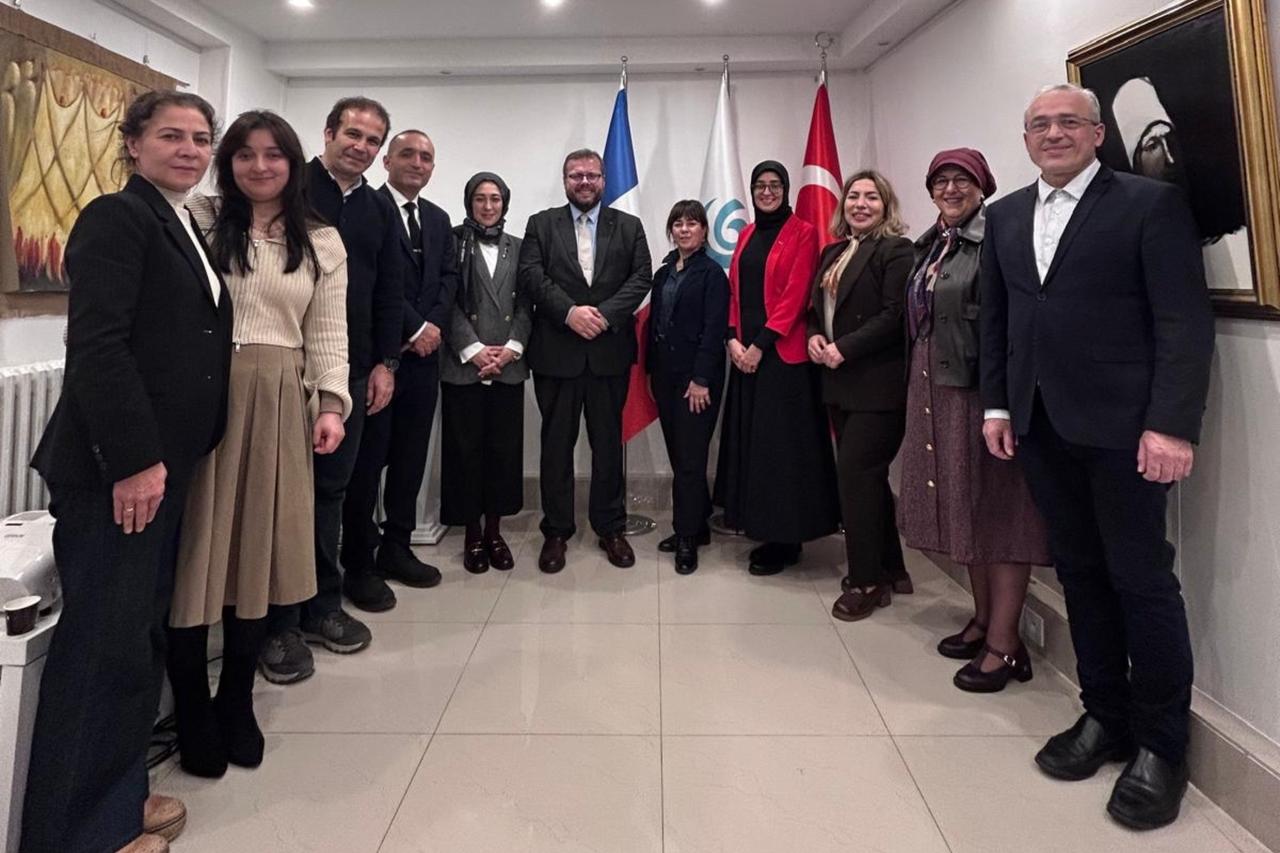


A panel held in Paris brought together scholars to explore Ottoman daily life, urban culture, court traditions and women's participation in society through miniature paintings, European engravings and historical women's magazines.
Organized by the Paris Yunus Emre Institute (YEE), in coordination with the Education Office of the Turkish Consulate General in Bordeaux, the event took place on Nov. 13 under the title "Perspectives on the Ottoman World Through Miniatures: Art, Society, Cities and Daily Life."
Hosted by YEE Paris Director Mehmet Altintas, the discussion examined how visual and written sources depict different aspects of Ottoman society.
Seher Kalender Cetinkaya, education attache at the Turkish Consulate General in Bordeaux, examined the relationships between neighborhoods, kulliyes (building complexes centered around mosques), marketplaces and public spaces depicted in Ottoman miniatures.
She also drew connections between Ottoman urban organization and contemporary approaches to city planning.
Betul Bilgin, a lecturer at Fatih Sultan Mehmet Vakif University, discussed how miniature paintings portrayed everyday life between the 16th and 18th centuries, highlighting the distinctive visual storytelling techniques used by Ottoman artists.
Associate Professor Ilhami Danis, also from Fatih Sultan Mehmet Vakif University, compared Ottoman miniature paintings with engravings produced by European artists, focusing on how the works portrayed palace protocol, state etiquette and imperial grandeur.
Meanwhile, Associate Professor Zeynep Kevser Serefoglu examined historical Ottoman women's magazines to shed light on women's access to education and participation in social life during the period.
Bringing together these different sources, the panel offered participants an opportunity to explore the Ottoman world through artistic representations and historical publications.


 Set as preferred source
 Set as preferred source


 3 min read