Newsletters


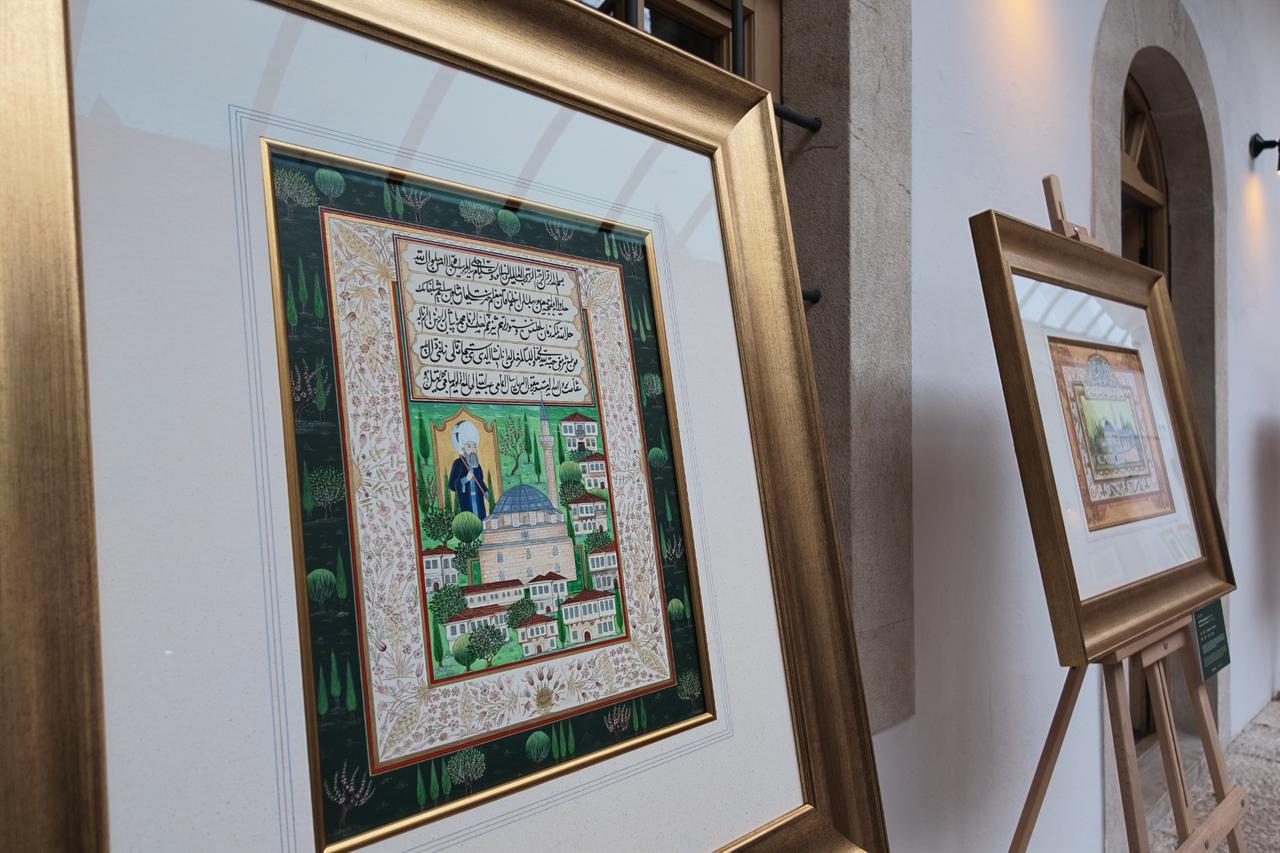


A miniature art exhibition titled "Ottoman Traces in Rumelia," featuring the works of artist Gulcin Anmac, opened in Sarajevo, the capital of Bosnia and Herzegovina, a country in the Balkans region of southeastern Europe.
The exhibition opened at the Gazi Husrev-beg Hanikah, an Ottoman-era Islamic complex considered one of Sarajevo's key Turkish-Ottoman heritage sites, with sponsorship from Kuveyt Turk.
Turkiye's Ambassador to Sarajevo Emin Akseki, Azerbaijan's Ambassador to Sarajevo Vilayet Guliyev, Kuveyt Turk Deputy General Manager for Human Resources and Strategy Semih Sel, Bosnian officials and art enthusiasts attended the opening.
Sel said Kuveyt Turk approaches the preservation of cultural heritage as a link "from tradition to the future" and described it as a responsibility for the institution. He said the detailed craftsmanship of miniature art contributes to preserving architectural memory.
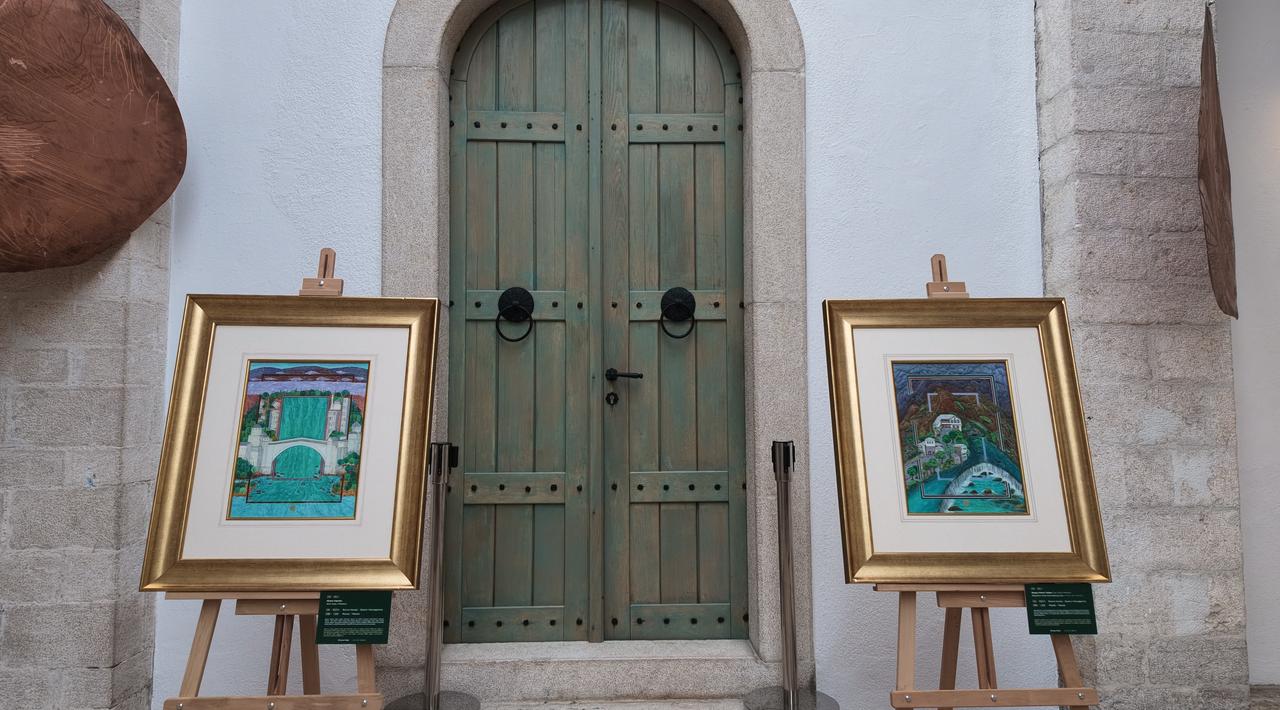

The exhibition presents 35 pieces in which Anmac interprets Ottoman-era structures in the Balkans based on historical sources.
It depicts the multilayered Ottoman heritage left across the Rumelia region, the historical Ottoman term for its Balkan territories, through mosques, bridges, madrasas and bazaars rendered in the detailed style of miniature art.
The structures featured were selected from 29 cities in 11 Balkan countries and are presented not only as architectural works but as elements carrying the identity and history of the cities where they stand.
The exhibition takes visitors on a journey between the past and present through the Ottoman architectural traces left in the region.
"Ottoman Traces in Rumelia" is on view at the Museum of Islamic Culture and Art inside the Gazi Husrev-beg Hanikah until Sept. 30.


 Set as preferred source
 Set as preferred source



 1 min read