Newsletters


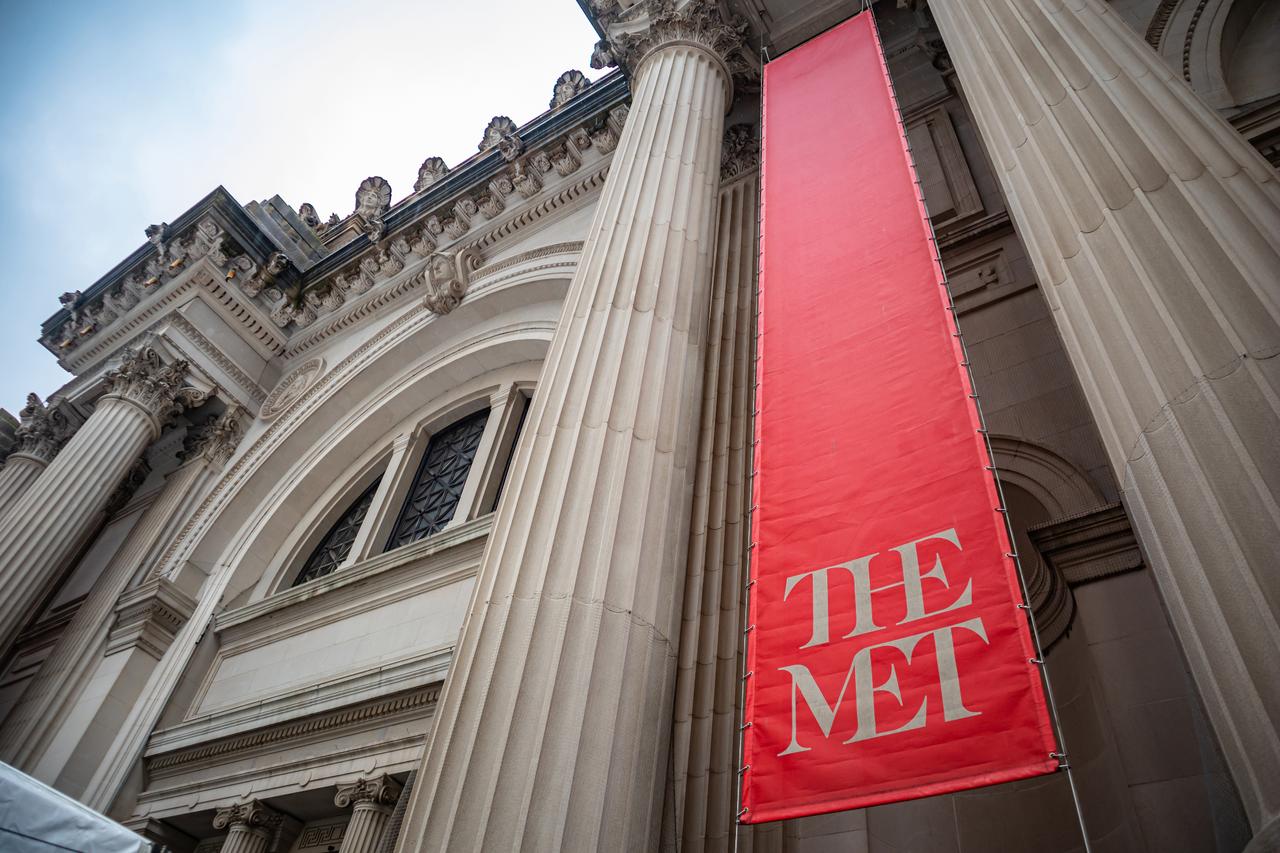


The Metropolitan Museum of Art opened its doors on Thursday to "Orientalism: Between Fact and Fantasy," marking the museum's first-ever exhibition entirely dedicated to the complex artistic movement.
The exhibition features the first significant presentation of pioneering Ottoman painter Osman Hamdi Bey's work at a major United States museum.
His revolutionary canvas pieces are displayed side by side with works by prominent 19th-century European Orientalist artists, including Jean-Leon Gerome and Eugene Delacroix.
The deliberate positioning offers a comparative look at how internal and external artists visualized the 19th-century Islamic world.
Curated by Deniz Beyazit, Maryam Ekhtiar, and Asher Miller, the cross-cultural collection brings together diverse masterpieces that challenge viewers to dissect the boundaries between authentic documentation and romanticized fiction.
The exhibition is currently open to the public at the Met Fifth Avenue in New York City.
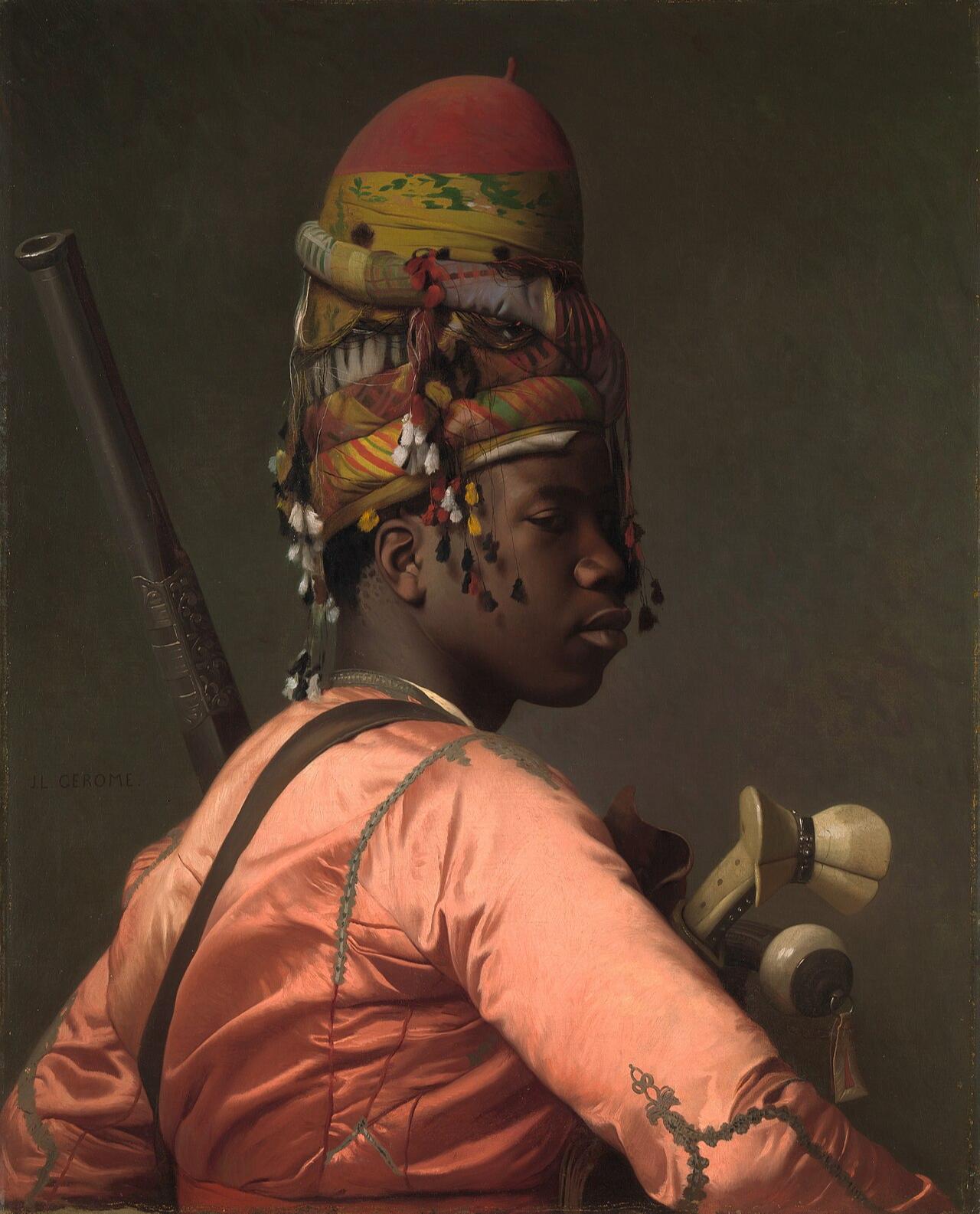

Orientalism refers to a 19th-century artistic style in which Western painters, writers, and designers depicted cultures of the Middle East, North Africa, and South Asia.
While these Western works often captured the architecture, textiles, and light of the region with impressive technical skill, they frequently relied on idealized, romanticized, or exoticized stereotypes rather than historical accuracy.
The Met exhibition aims to deconstruct these Western fantasies by contrasting them with authentic perspectives from the region itself.


 Set as preferred source
 Set as preferred source


 3 min read