Sign in
 Newsletters


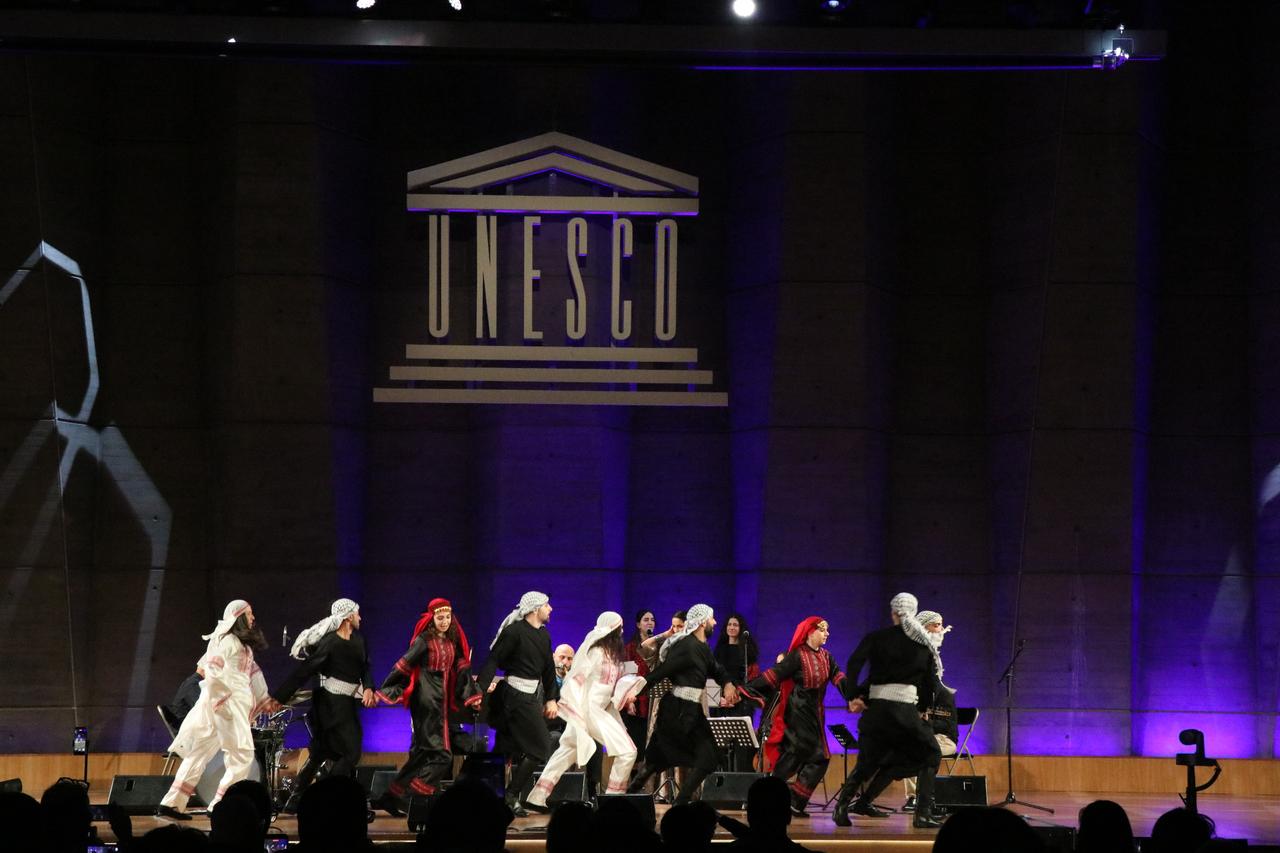


Palestinian artist Salwa Jaradat said music and culture are important ways to express oneself after she performed at UNESCO headquarters in Paris during a cultural night held on Nov. 27 to mark the International Day of Solidarity with the Palestinian People.
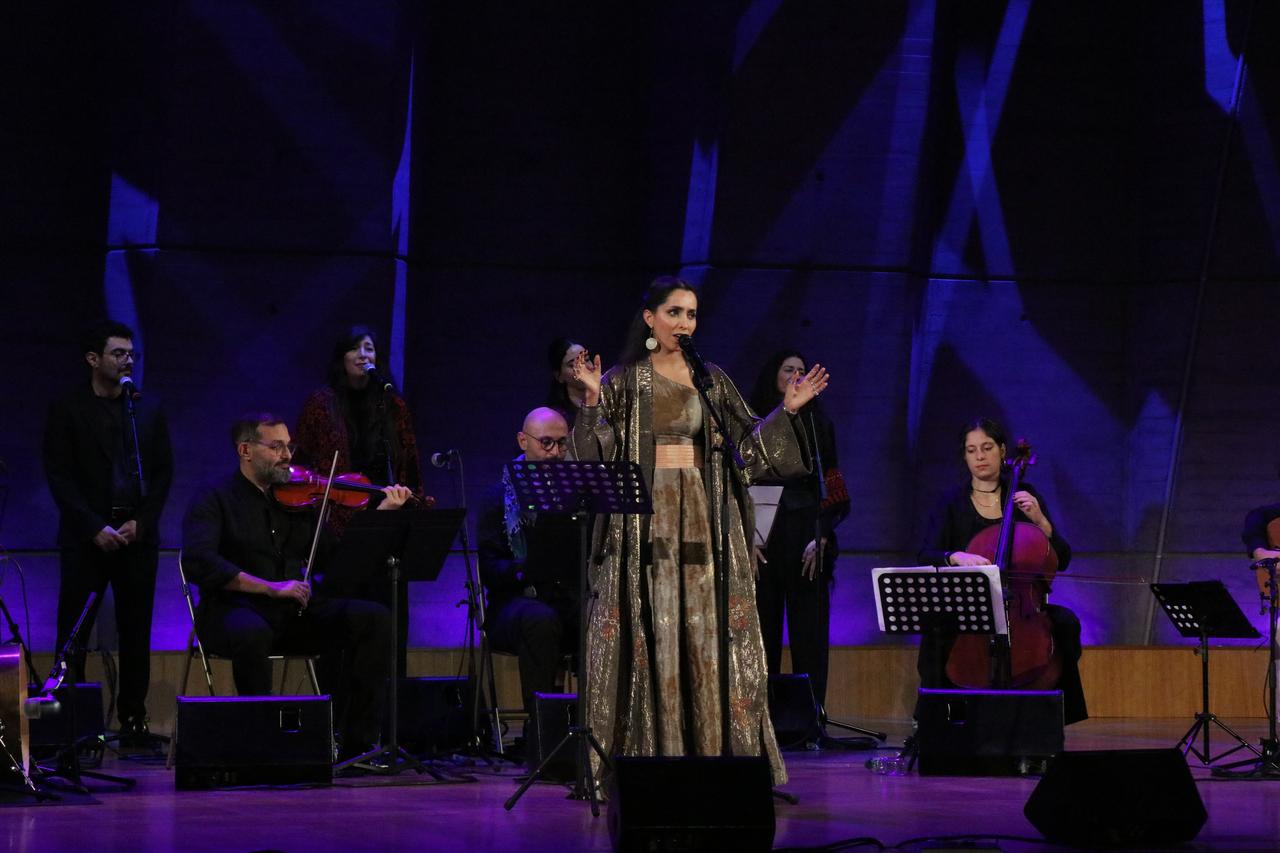
Organized by the Permanent Delegation of Palestine to UNESCO, the event featured Jaradat performing Arabic songs, including "My Homeland" and "Soul," alongside pieces from her own album and renditions of poet Mahmoud Darwish's works, while the Kofiyetna group performed the traditional Palestinian folk dance, dabke. Many attendees wore keffiyehs (checkered Palestinian scarves) and garments adorned with traditional tatreez embroidery.

Qais Qassabri, Charge d'Affaires of Palestine's Permanent Delegation to UNESCO, described Palestine as a "land of memory" facing forced displacement and systematic efforts to erase its heritage.
Stressing that solidarity is a matter of conscience, he noted that attempts to uproot olive trees and silence centuries-old traditions continue to threaten Palestinian identity.
UNESCO Deputy Director-General Asa Regner warned that "the scale of destruction in Gaza is unprecedented," noting that over 95% of educational institutions require repair or reconstruction and 164 cultural sites have been damaged. She added that ongoing demolitions and restrictions across the occupied West Bank, including East Jerusalem, severely disrupt education and daily life.
Djibouti's Permanent Representative to UNESCO, Ambassador Ayeid Yahya, praised Palestinians' resilience and affirmed their right to live in freedom and dignity within a sovereign state, calling Palestine a "land of civilization." Similarly, Tunisia's Permanent Representative, Ambassador Dhia Khaled, emphasized that lasting peace requires international support for legitimate Palestinian rights.
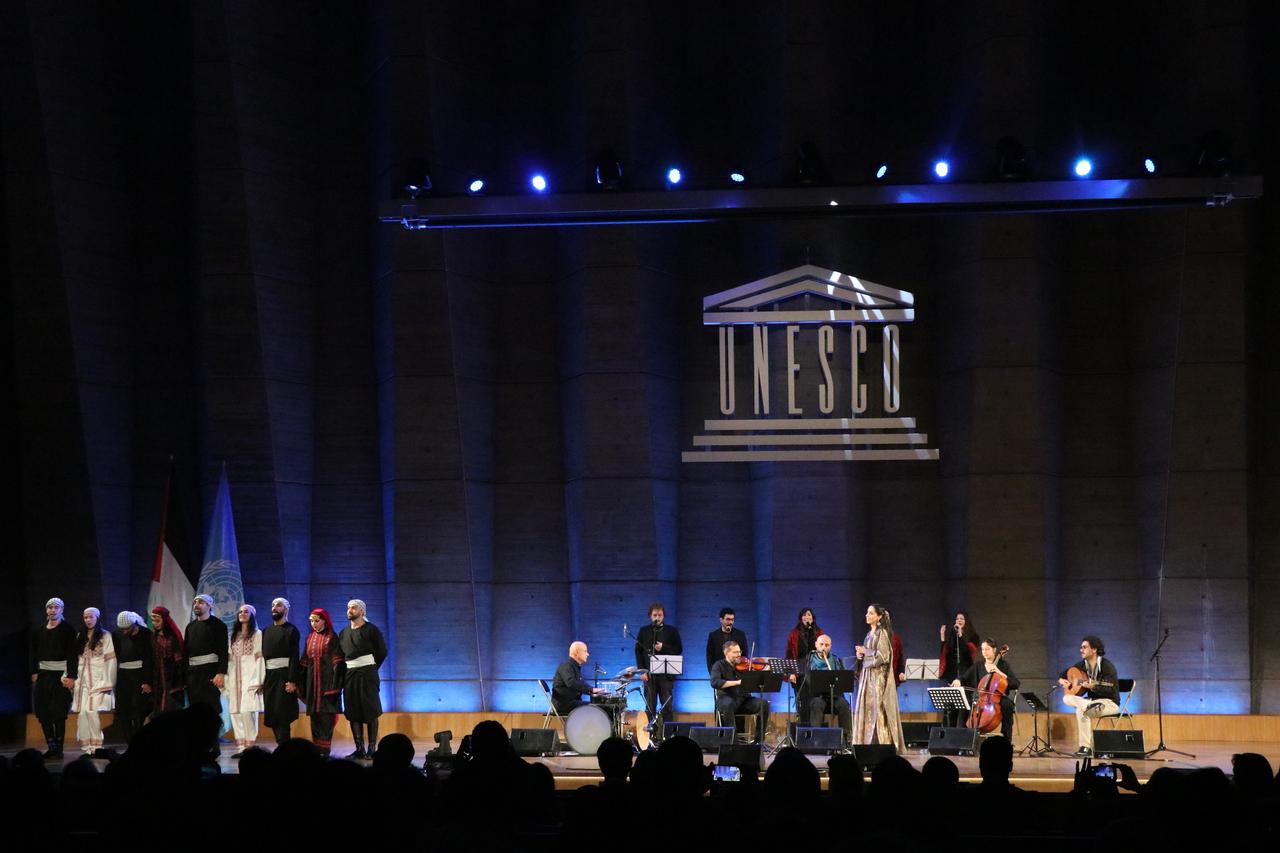
Speaking to Anadolu Agency after the concert, Jaradat said having voices to represent all facets of Palestinian culture, stories, and archives is vital.
Attendees echoed the event's emotional impact and cultural significance. Lebanese-Moroccan architect Yasmine Iraqi highlighted the importance of showcasing Palestine's full heritage, while Spanish-Moroccan teacher Wissal Hallouss expressed hope for peace in Gaza, noting that "a nation survives through its culture."
Polish student Karolina Osica remarked that culture offers both joy and connection during difficult times, and Australian student Nicolas Lourenco stressed that preserving traditions like dabke for future generations is essential in the face of the ongoing devastation in Gaza.


 Set as preferred source
 Set as preferred source



 1 min read