Sign in
 Newsletters


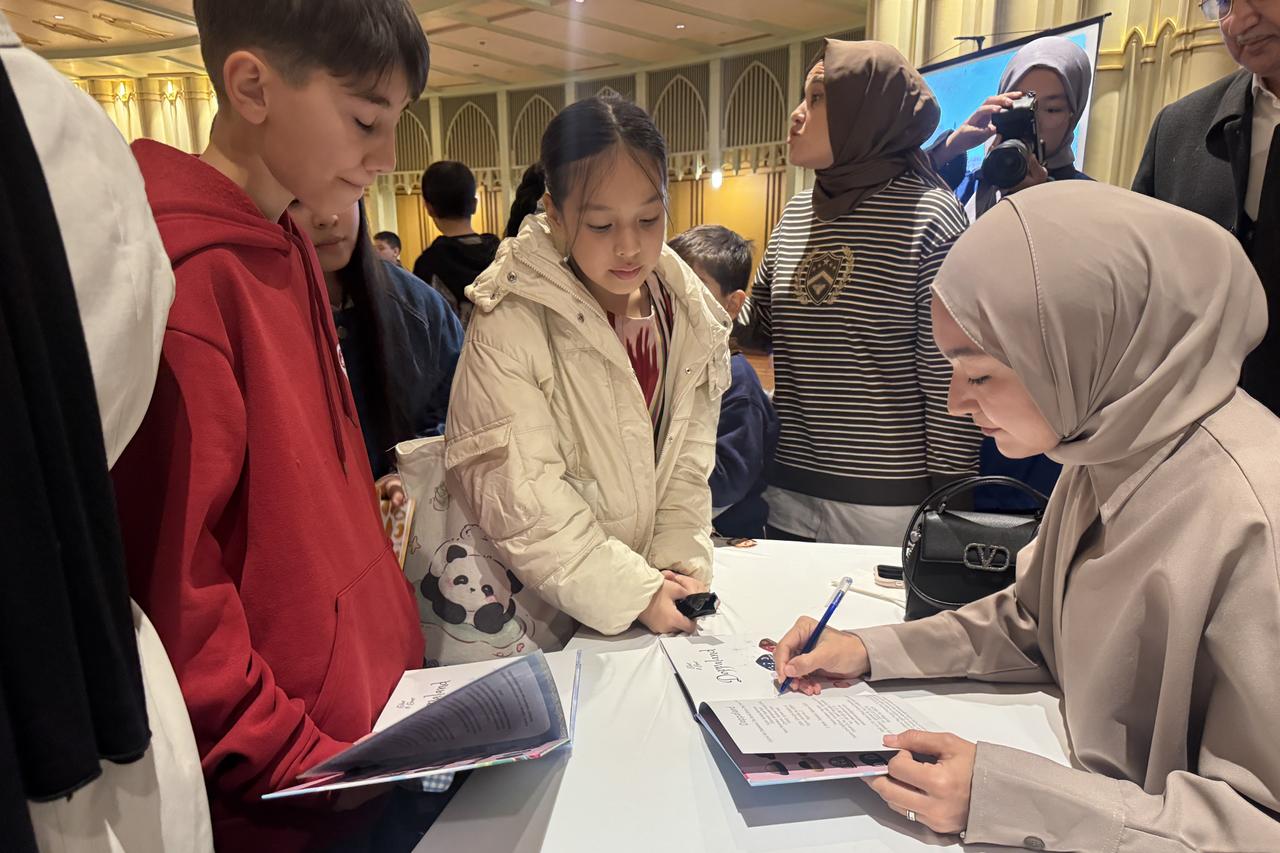


Uyghur-French activist and author Guzelya Marisova spoke about her books and how she became a writer at a talk and book-signing event at the Taksim Mosque Culture and Art Center in Istanbul.
Marisova's children's books "The Story of Stolen Homes," "Doppaland," and "Daughter of the Nile," co-authored with Razzan Alagraa, were recently published in Turkish as the inaugural releases of Taksim Bookstore Publications.
Designed for children's comprehension levels, the stories introduce the cultures, struggles, and hopes of people in Palestine, Sudan, and East Turkestan (the Uyghur homeland, also known as the Xinjiang region of China).
While "The Story of Stolen Homes" explores the displacement of Palestinian children through the concept of belonging, "Doppaland" centers on the traditional Uyghur doppa skullcap to offer a cultural journey.
Meanwhile, "Daughter of the Nile" highlights solidarity and hope through the experiences of Sudanese families displaced by war.
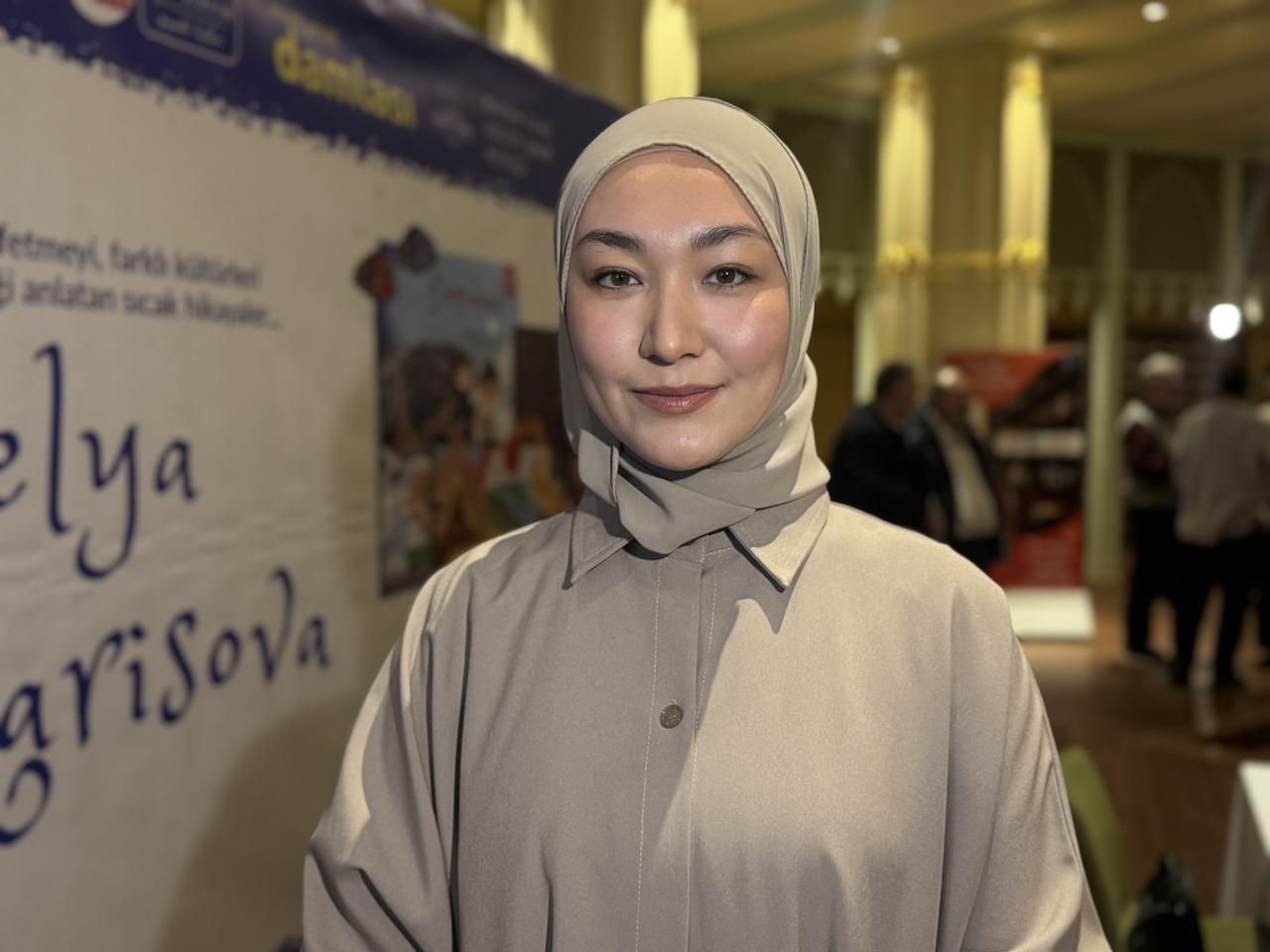

Marisova explained that motherhood sparked her writing career. What began as a desire to share Uyghur history with her own child evolved into a broader mission to raise awareness about marginalized communities.
"One of the best ways to do this is to raise children who are aware of what is happening in the world. Hopefully, in this way, they can solve the problems we face today in the future," she said.
Marisova noted that her first book on Palestine was inspired by the concept of "stolen lands," which she reframed as "stolen homes" so young readers could emotionally connect with it. She added that Uyghur and Sudanese readers saw their own struggles reflected in the book, demonstrating how systemic oppression affects different communities in similar ways.
Beyond global awareness, Marisova aims to help children embrace their own roots and respect diversity, pushing back against racism and discrimination.
She also emphasized the deep personal significance of having her books translated into Turkish, citing strong historical and ancestral ties between Türkiye and the Uyghurs. "For me, Türkiye is a kind of home," Marisova said. "Having people like me be able to read the works I have created in their own language is deeply meaningful to me."


 Set as preferred source
 Set as preferred source


 1 min read
 1 min read