Newsletters


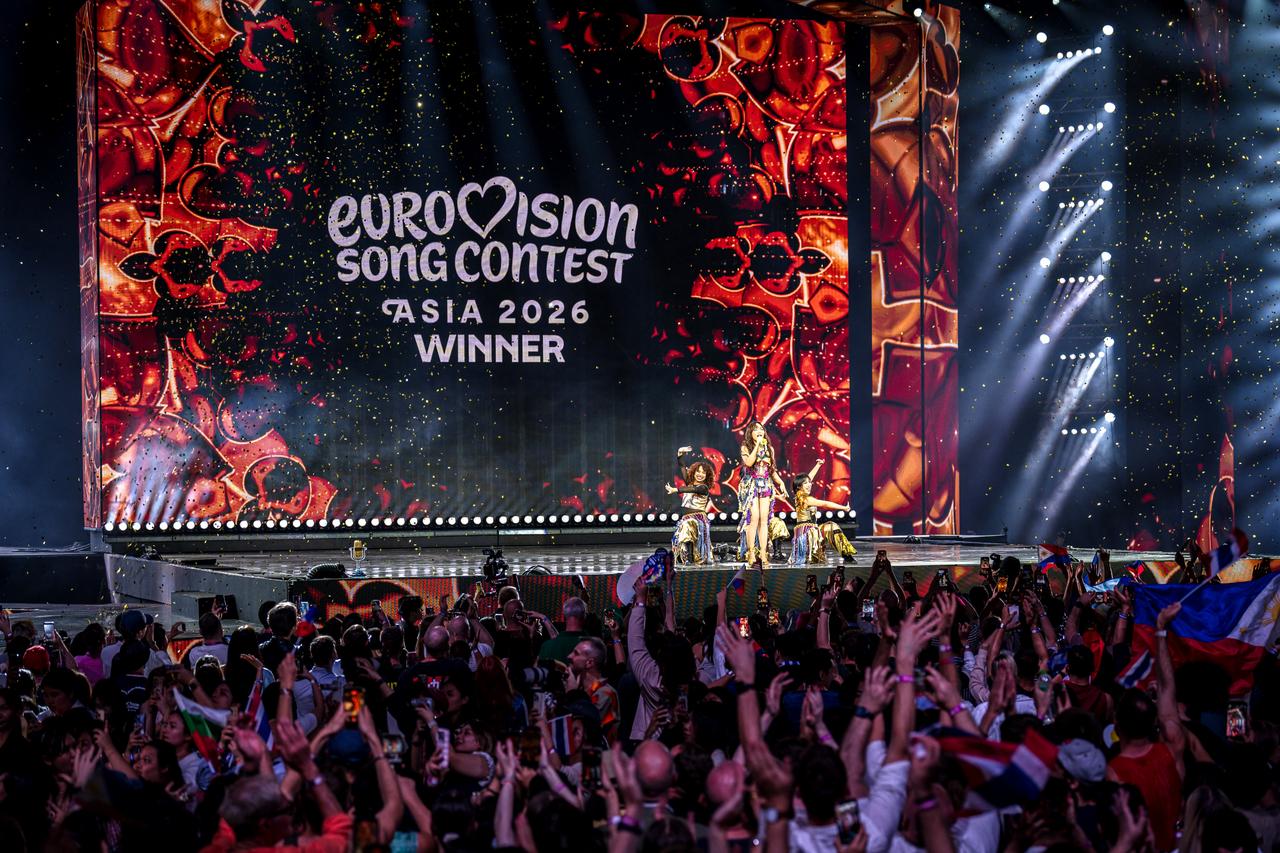


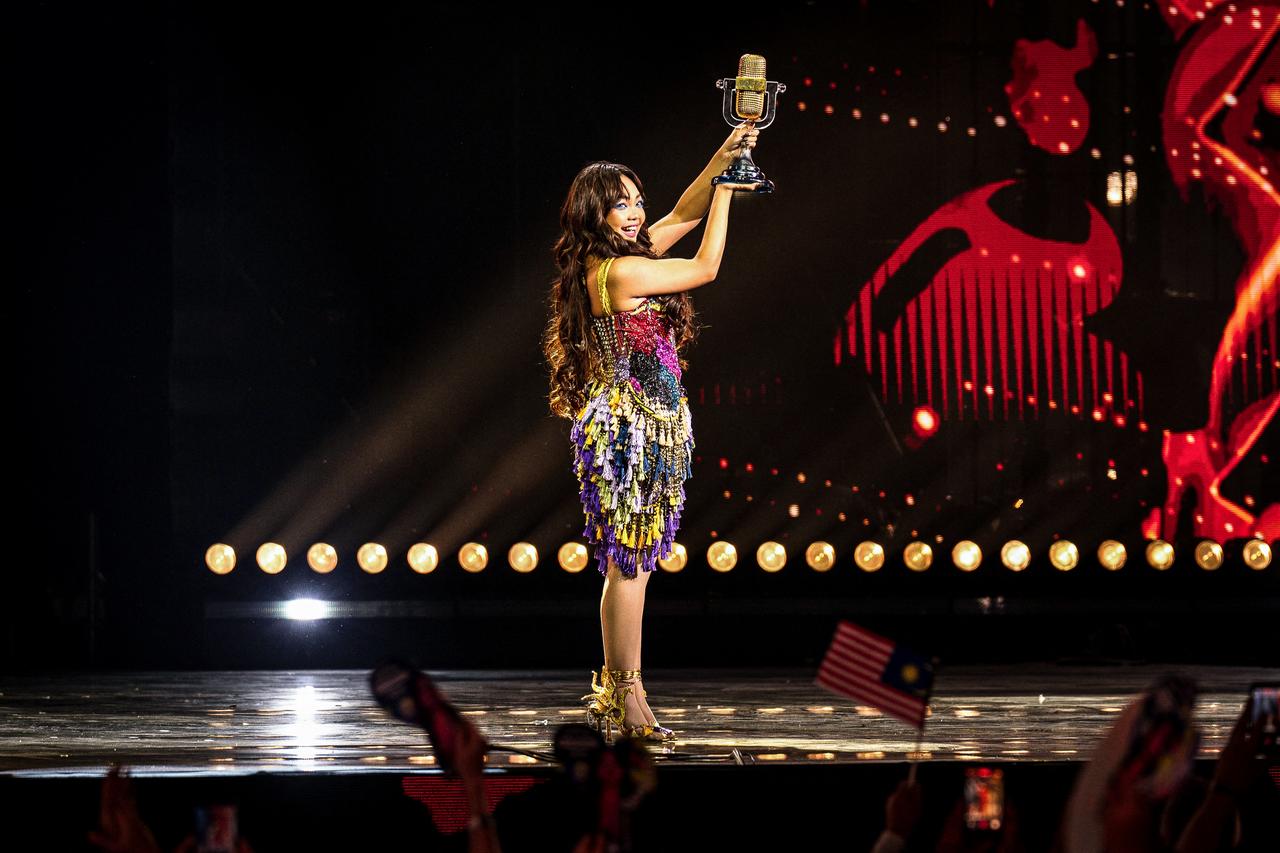
Filipino pop singer Carmelle, 19, won the first Eurovision Song Contest Asia in Bangkok on Saturday with “Sobra-Sobra” (Too Much), a song celebrating strong women. Eurovision is a televised song competition, long popular in Europe, in which countries perform original songs.
Host country Thailand finished a close second, followed by Vietnam, Malaysia and Laos. Nepal, Cambodia and Bangladesh ended at the bottom of the points table. Eleven countries took part in the event, which organizers hope will open a new chapter for the Eurovision brand.
 1 min read
Malaysia’s Aina Abdul was an early favorite after the juries from participating countries voted. She performed inside a giant water droplet in a dress that took 600 hours to make. Carmelle moved ahead through the public vote.
Carmelle told AFP that the experience was unexpected and that she had not known about Eurovision before. She said it felt like her own concert rather than a competition, and described the song as a tribute to Filipino women.

Eurovision is the world’s biggest televised live music event, with 131 million viewers in 2026, and has helped launch stars such as ABBA and Celine Dion. The open question is whether it can catch on in Asia, the world’s most populous region, which already has many music shows of its own.
The audience in Bangkok was small but lively, cheering Thai pop duo Mang x Daou and South Korean K-pop singer Junhee. K-pop is South Korea’s pop music genre.
With tight budgets, most acts relied on smoke, flares, and striking visuals. Multicolored tuk-tuks, the three-wheeled taxis that symbolize Bangkok, carried contestants on stage. Singing must be live under Eurovision rules, and some performers struggled.

The Asia edition was organized by commercial television, whereas the original contest is run by national broadcasters, and most contestants were already well known at home. Mongolian singer Beck is a trained economist who advises his country’s deputy prime minister. Bhutan’s Nyendra, 24, who had never left his home country, stated that nobody knows him.
Eurovision marks its 70th anniversary this year, with viewership down 35 million after five countries boycotted over Israel’s participation. Organizers say the controversy is unrelated to the Asia show, noting that the contest has sought to expand for years. A U.S. version in 2022 failed to catch on.
India, Japan and China did not take part, but organizers hope to bring them in later. Martin Green, director of the European Broadcasting Union, the alliance of broadcasters that organizes Eurovision, said building the brand in Asia could take between two and five years.


 Set as preferred source
 Set as preferred source




 1 min read