Newsletters


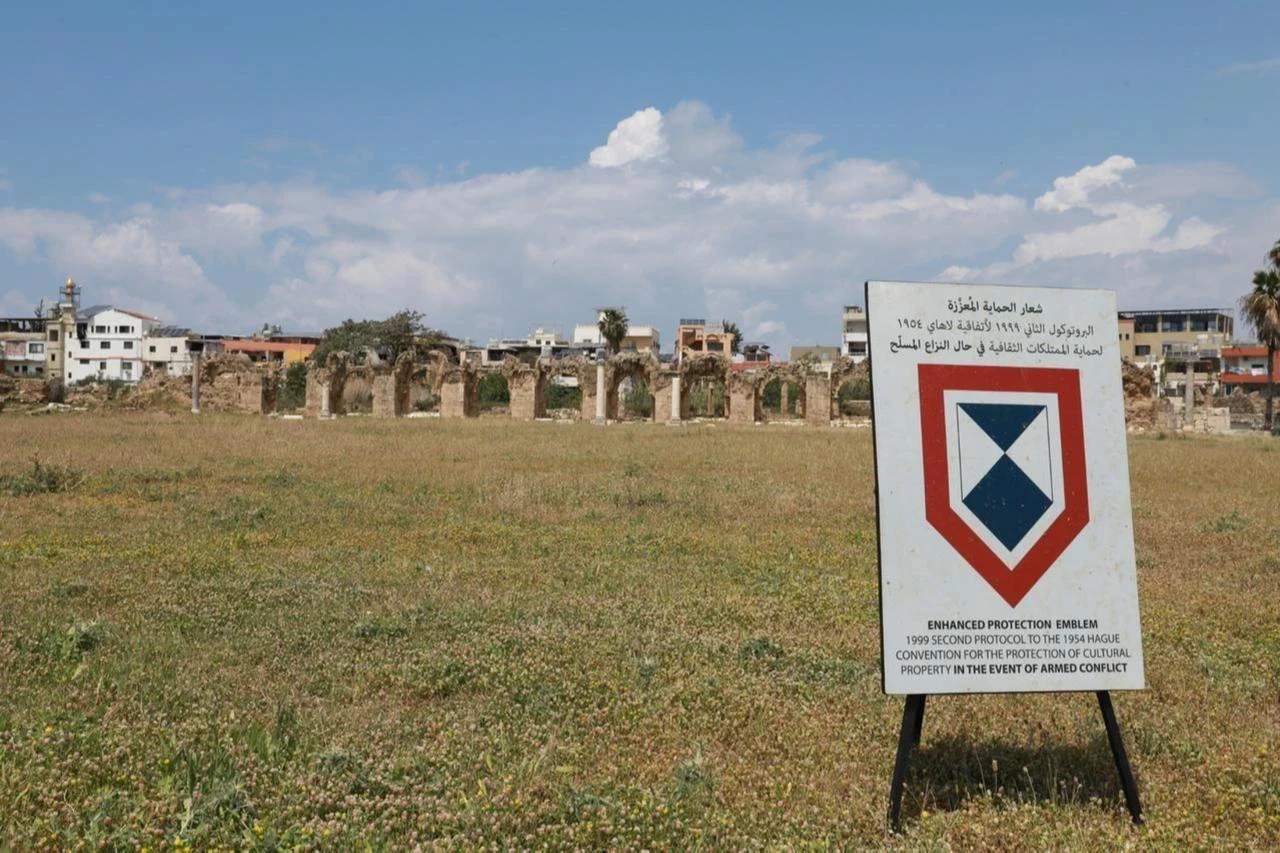


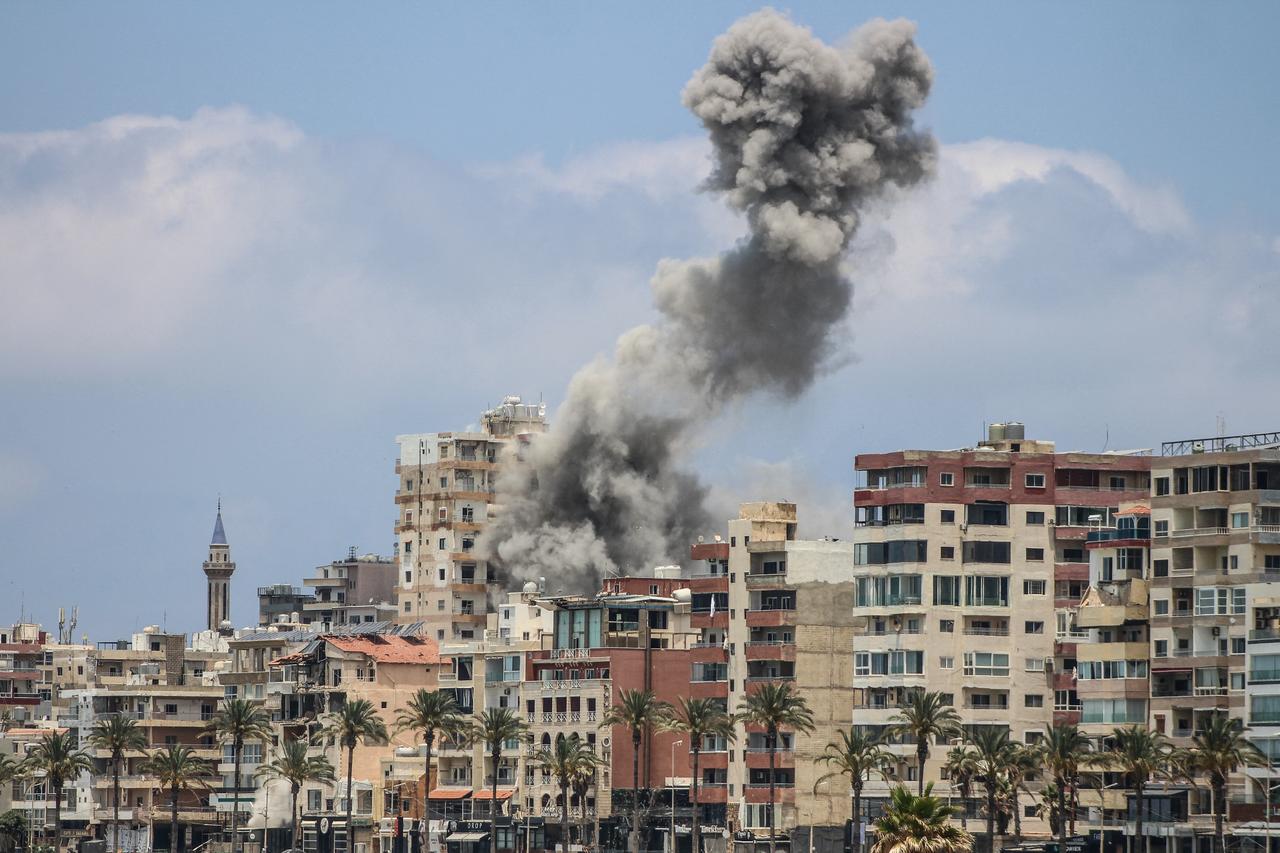
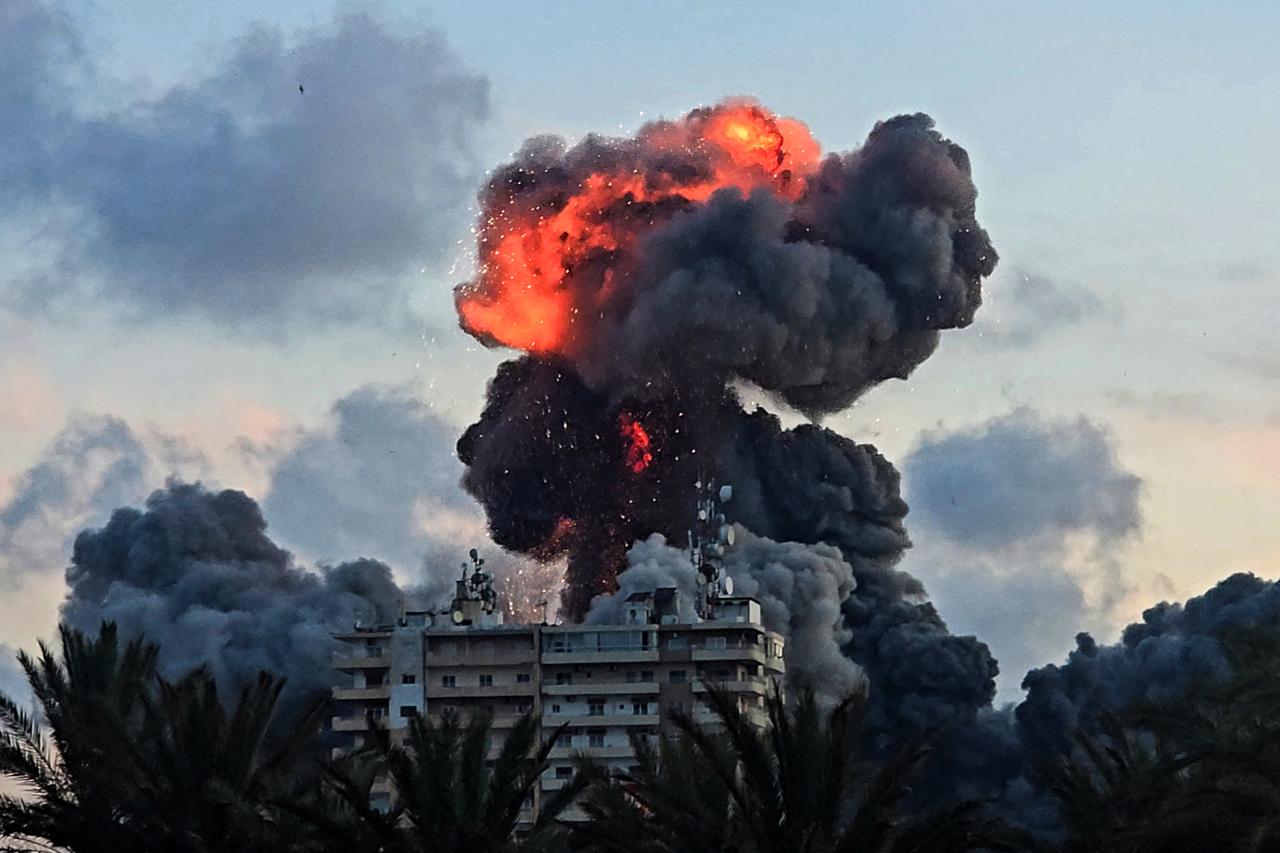
UNESCO has added the ancient Lebanese coastal city of Tyre to its List of World Heritage in Danger after recent Israeli strikes damaged the protected archaeological area and left its future conservation increasingly uncertain.
The United Nations cultural agency announced the decision during the 48th session of its World Heritage Committee in Busan, South Korea, following a request from the Lebanese government.
UNESCO said the site had been directly hit and sustained damage, while the continuing risk of further strikes had undermined the conditions required to protect its "outstanding universal value," a term used for the exceptional cultural or natural importance that qualifies a place for World Heritage status.
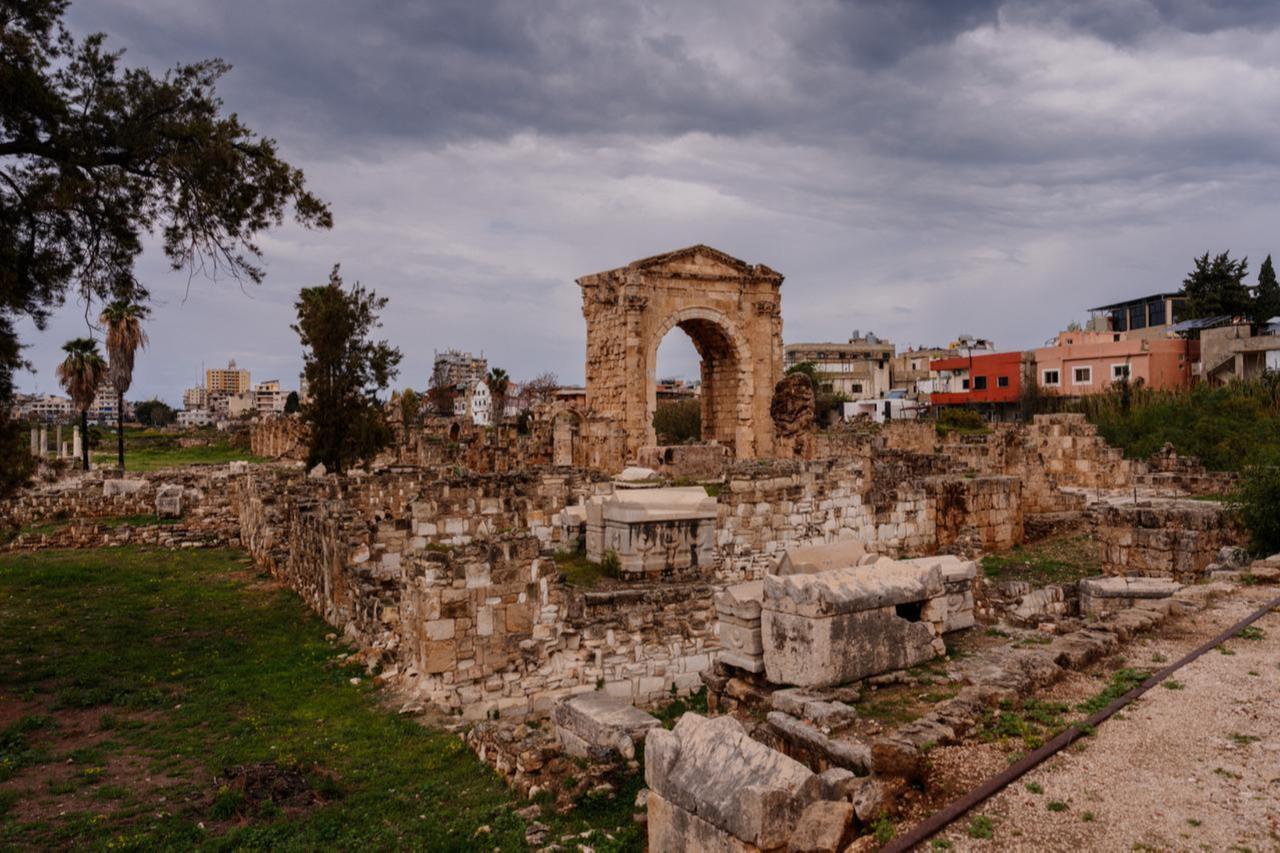

Located in southern Lebanon near the Israeli border, Tyre was placed on the UNESCO World Heritage List in 1984 and is known mainly for its extensive Roman-era remains.
The city has been caught up in renewed fighting between Israel and Hezbollah. Many residents left after the Israeli military issued evacuation orders covering several districts, including areas near archaeological remains.
One of Tyre's two main protected archaeological sites suffered a direct hit during an Israeli strike in June. The World Heritage property includes a Roman triumphal arch and a second-century hippodrome, an ancient stadium used for horse and chariot racing.
Photographs taken after the strikes showed damage to Roman-era structures, including part of a column capital that had been knocked off and fallen to the ground.
Founded around 4,700 years ago, Tyre is among the Mediterranean's oldest continuously inhabited cities. It developed as a major Phoenician center before passing through Persian, Hellenistic, Roman, Byzantine and Ottoman rule.
Lebanese Culture Minister Ghassan Salame previously accused Israel of failing to comply with the 1954 Hague Convention, an international treaty requiring parties in armed conflict to protect cultural property.
He also said Israel had disregarded the "Blue Shield," an internationally recognized emblem used to identify cultural sites that should be protected during warfare.
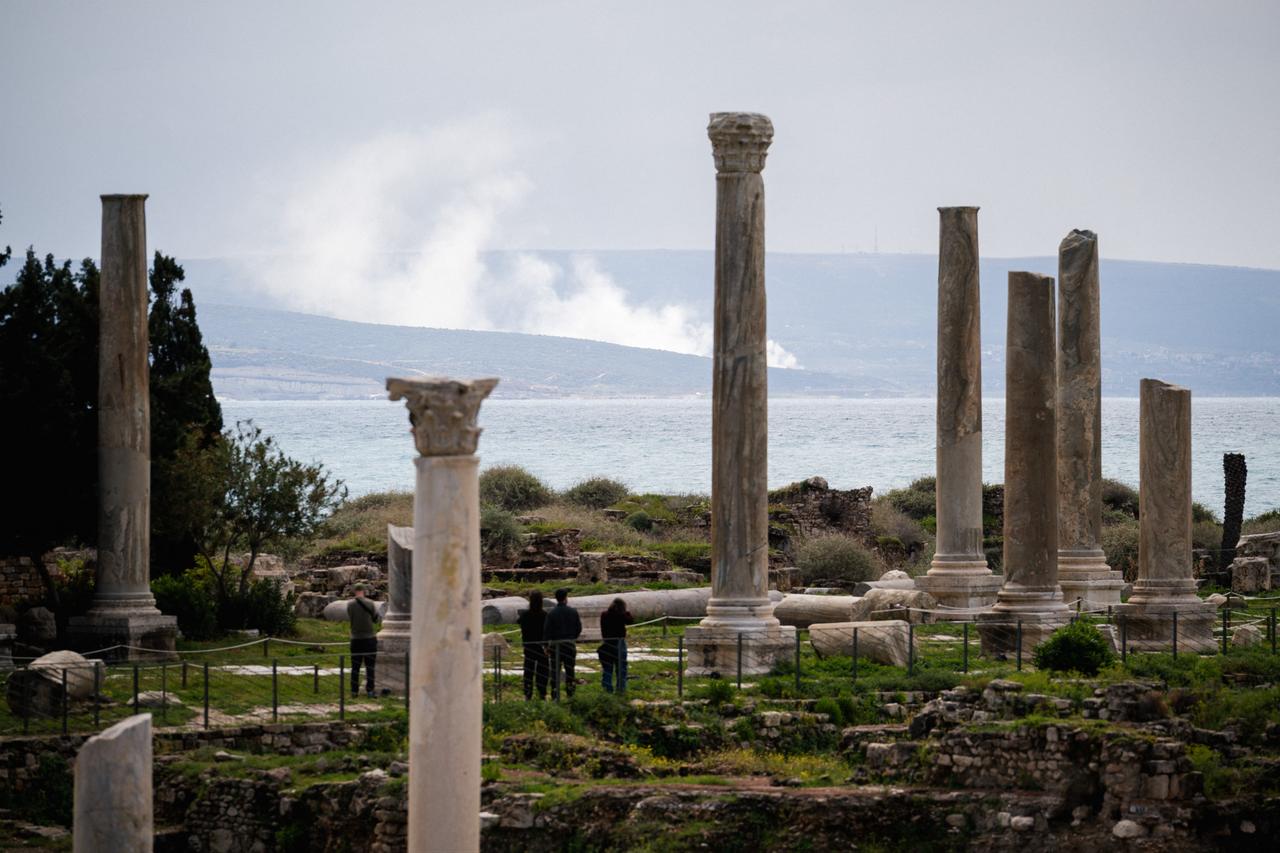
As UNESCO's committee met, Israel called on the organization to reject what it described as the weaponization of cultural heritage, pointing to Hezbollah's alleged military use of Beaufort Castle in southern Lebanon.
Israel said Hezbollah had turned the historic Crusader fortress into a military position and used the surrounding ridge to launch rockets toward northern Israel. It also accused UNESCO of remaining silent about Hezbollah's activities while focusing on Israeli military operations.
The decision on Tyre comes amid longstanding tensions between Israel and UNESCO.
Israel withdrew from the organization in 2019 after accusing it of bias and objecting to its recognition of Palestine as a member state.


 Set as preferred source
 Set as preferred source


 1 min read
 1 min read