Newsletters


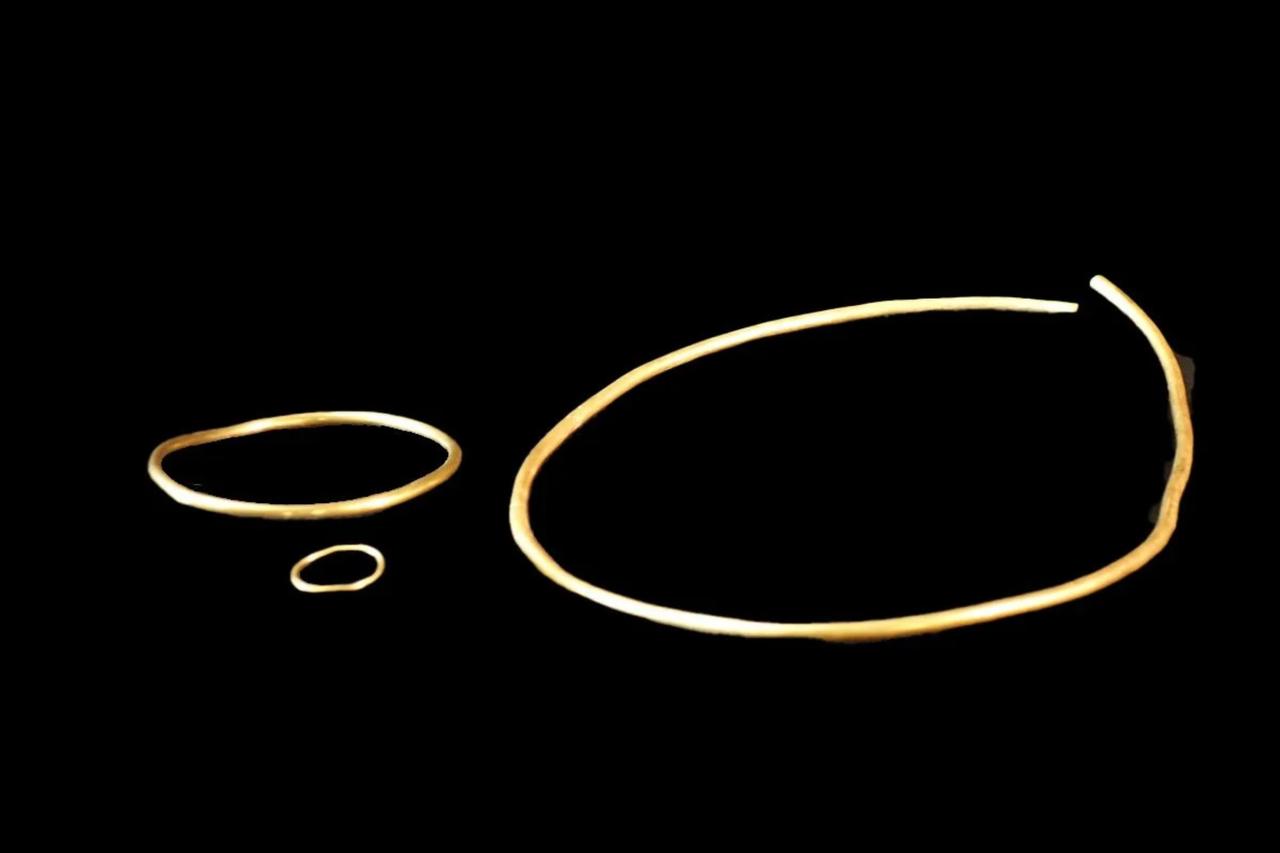


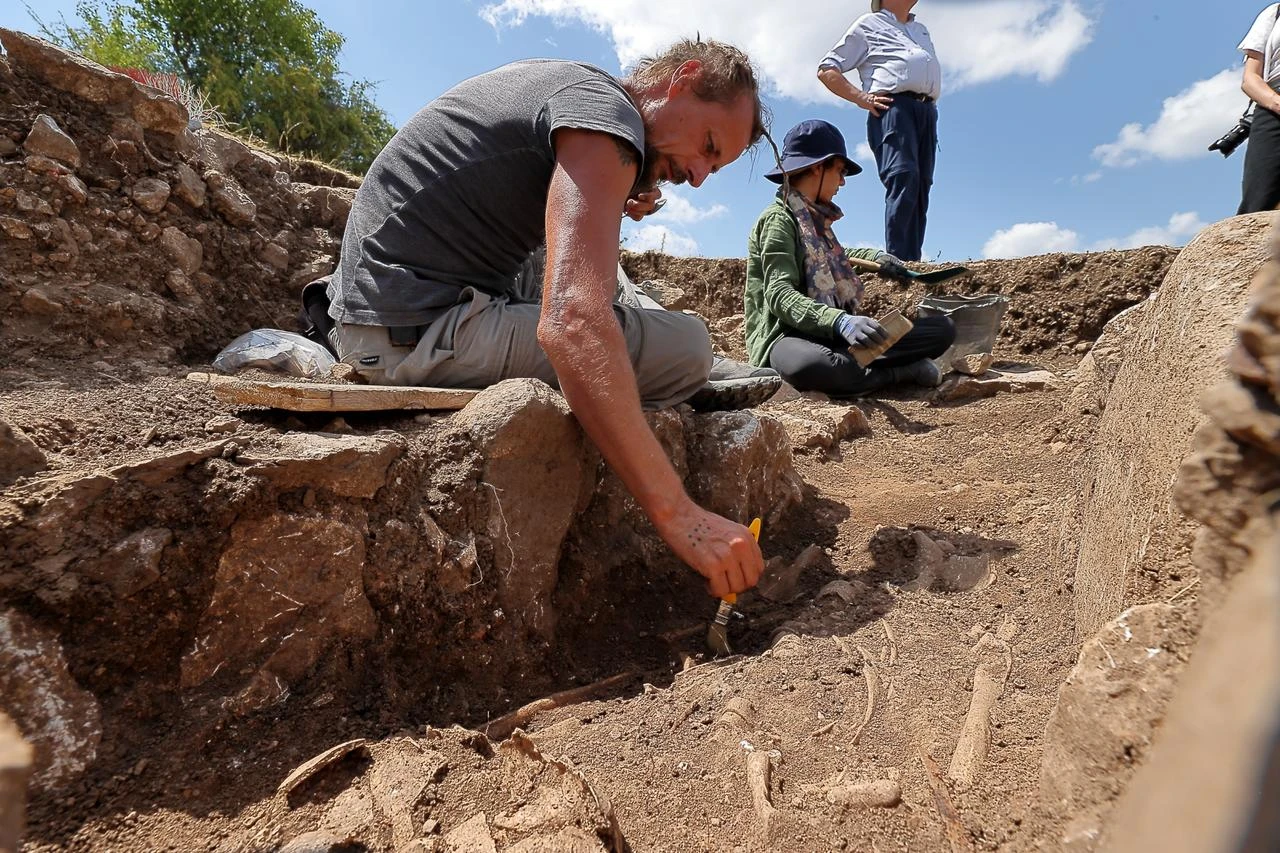
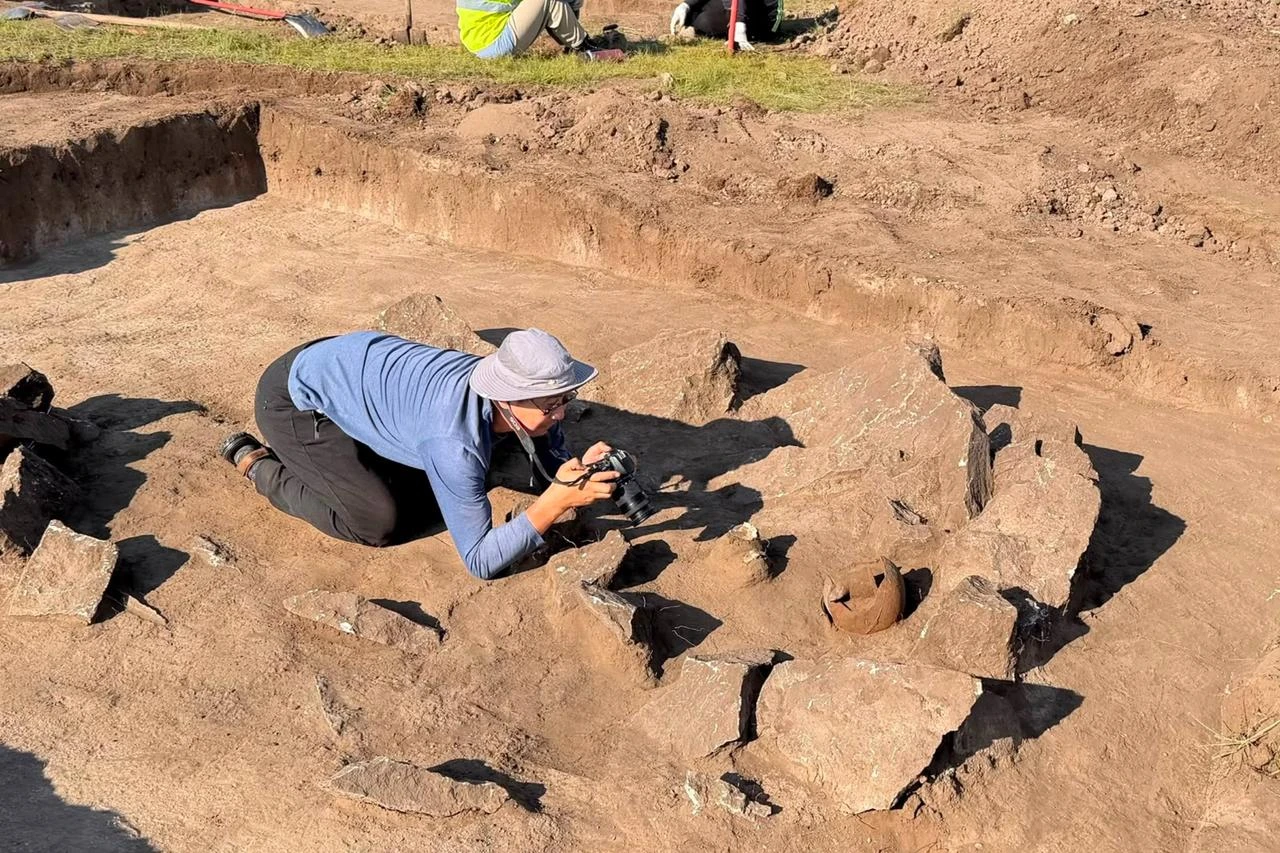
Archaeologists in Germany have uncovered a rare princely Celtic tomb near Bad Camberg in the state of Hesse, bringing to light gold rings, imported objects and traces of a wagon burial that experts describe as a discovery of European significance.
The burial site, which dates back more than 2,000 years to the Iron Age, was found during surveys for a planned solar park.
According to Hesse state archaeologist Udo Recker, it is the first known Celtic princely grave discovered during construction work linked to a solar energy project.
The tomb contained several gold rings, the remains of weapons and an Etruscan beaked jug believed to have been brought in from present-day Tuscany in Italy. The Etruscans were an ancient civilization in central Italy, known for their metalwork, trade networks and influence on early Mediterranean cultures.
Archaeologists also found traces of a two-wheeled wagon, including non-ferrous metal fittings from the wheel hubs and axle caps, as well as iron tire fittings. Such wagon burials are associated with high-status individuals in Celtic societies, and the finds suggest that the person buried there was likely a man.
Recker said the discovery makes it possible to prove "the previously only assumed presence of a local Celtic elite."
The burial is believed to date to the middle of the first millennium B.C. and has been linked to the Hunsruck-Eifel culture, an Iron Age cultural group associated with Celtic communities in parts of western Germany.
Experts said the site is one of only a small number of Celtic wagon burials found in the region. Around three comparable graves are known in Hesse, but none match the quality of the finds recovered from Bad Camberg.
The grave will now undergo further study using advanced investigative techniques. X-rays and CT scans have already shown that additional objects remain inside the burial and have not yet been uncovered.
Archaeologists hope the next phase of research will offer new insights into Iron Age life, burial customs and elite networks in Europe more than two millennia ago.
Kai Muckenberger, the archaeologist who spearheaded the discovery, described the find as exceptional, saying: "You only make a find like this once in your archaeological career."


 Set as preferred source
 Set as preferred source


 3 min read