Newsletters


Archaeologists working at the Hisardere necropolis near Iznik in Bursa province have begun delicate conservation work on a third-century wall painting known as the “Good Shepherd Jesus” fresco, discovered inside an underground tomb chamber.
The fresco, which specialists describe as unique in Anatolia, is expected to become clearer after a controlled cleaning process that removes surface deposits without harming the original paint layers.
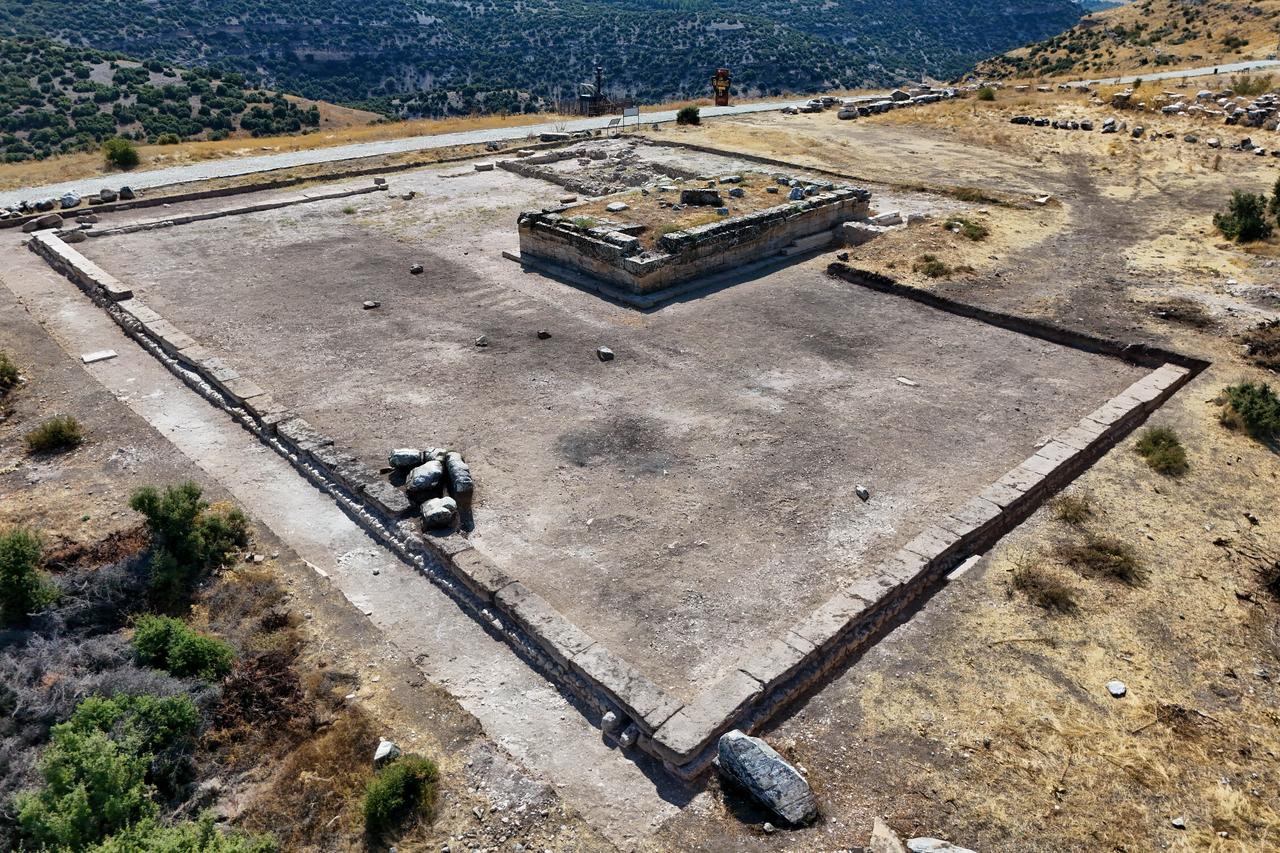
The Hisardere area served as a burial ground from the Roman period through the end of the Early Byzantine era. Excavations there have been underway since 2018 at a site that once consisted of vineyards and olive groves.
The work is being carried out with permission from the Ministry of Culture and Tourism under the "Heritage for the Future" project, led by Iznik Museum Director Tolga Koparal and a team from Dokuz Eylul University.
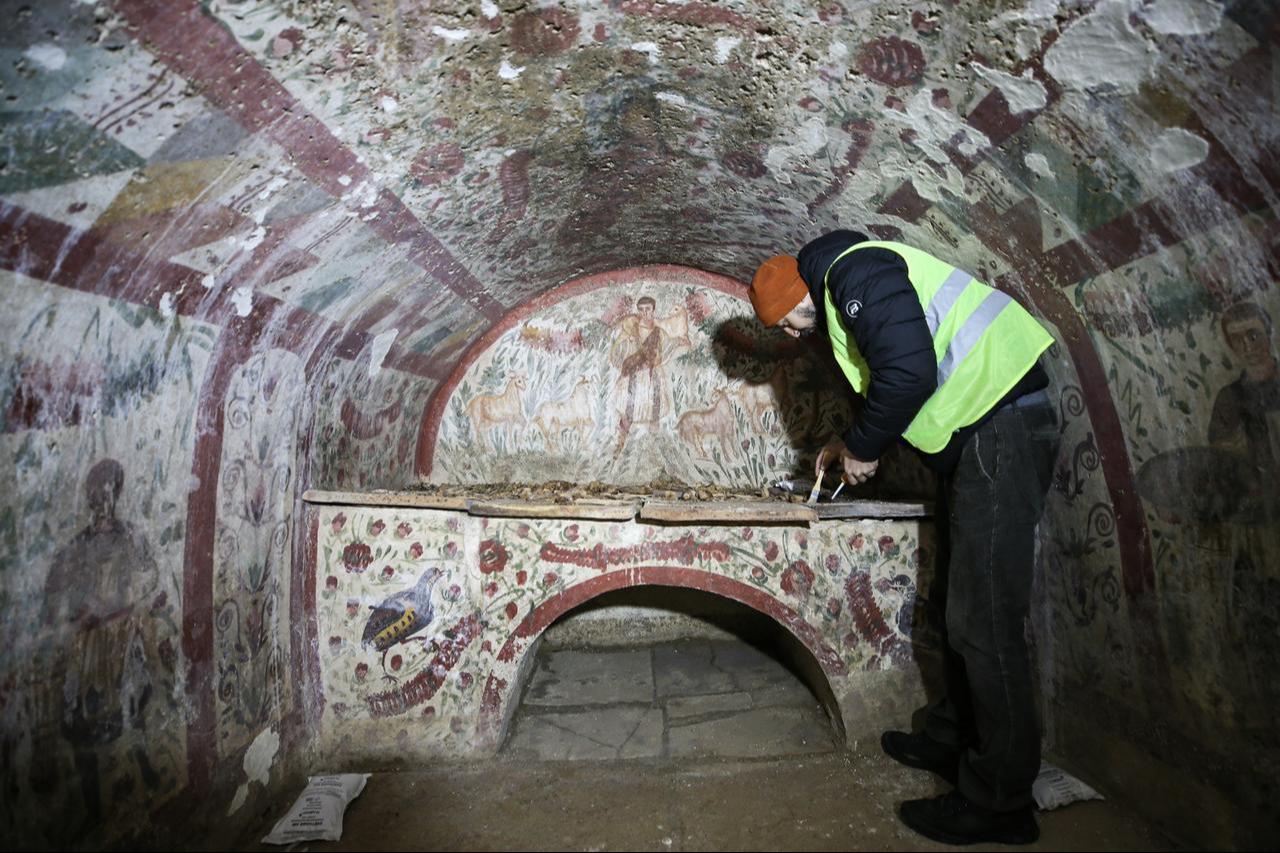

The fresco was found this season inside a hypogeum, a rock-cut underground burial chamber with a vaulted ceiling.
While clearing the chamber, archaeologists came across a stone couch, known as a kline, traditionally used to lay out the dead.
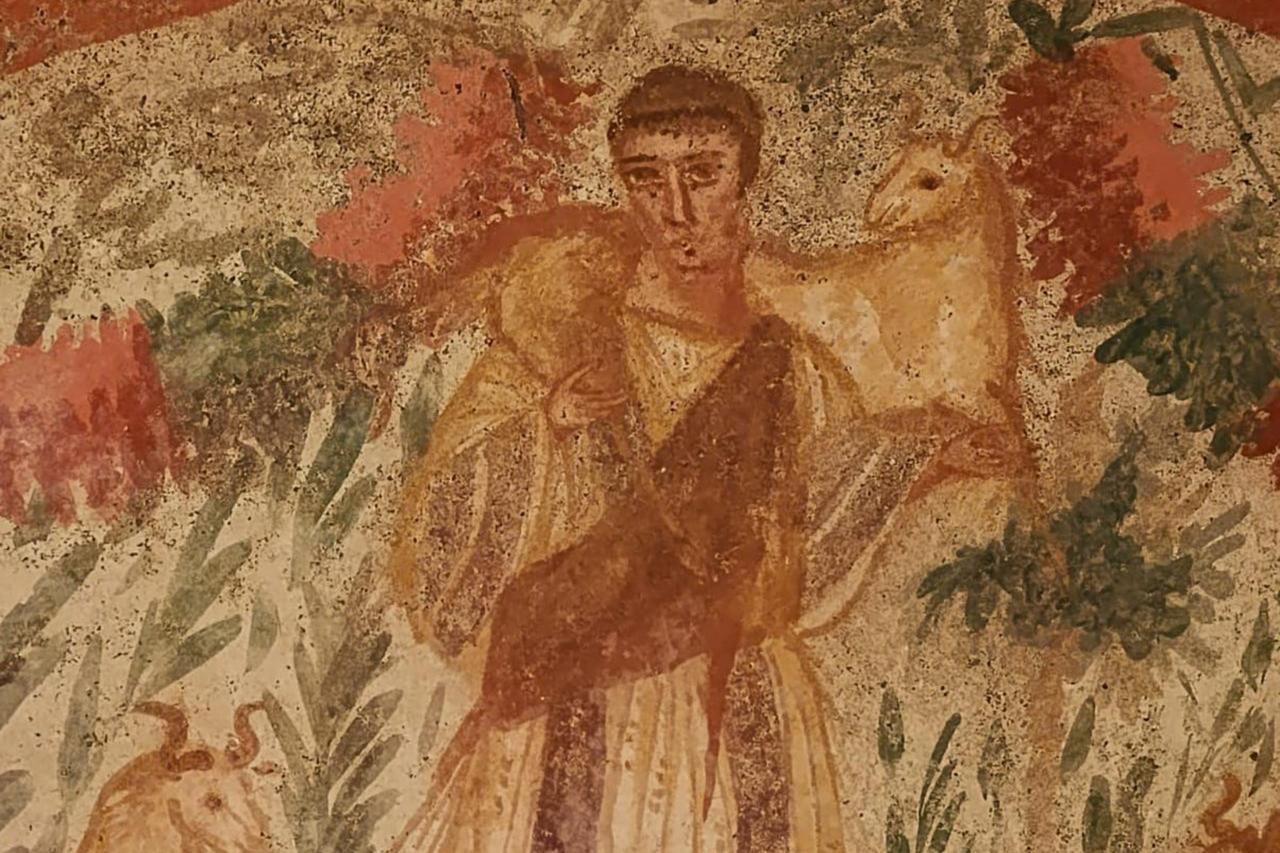
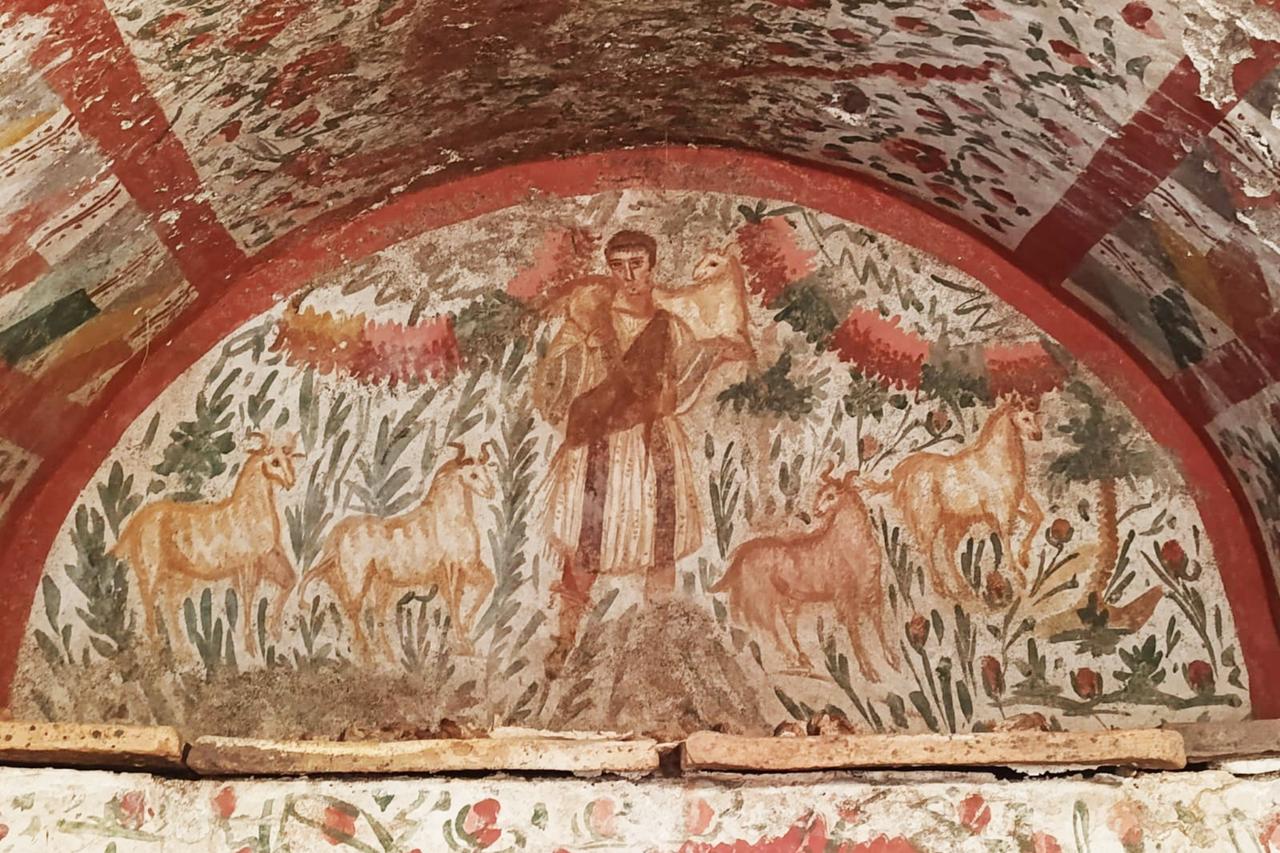
Behind this couch, on the north wall, they identified a painted scene showing Jesus portrayed as a shepherd, carrying one goat on his shoulders and flanked by two goats on each side.
The tomb has been dated to the third century A.D. On the kline, researchers found skeletal remains of three individuals: an adult man, an adult woman, and an infant placed near their feet.
Additional wall paintings appear on the east and west walls, where the tomb owners and their servants are shown alongside floral motifs, birds, and idealized garden scenes that symbolically represent paradise.
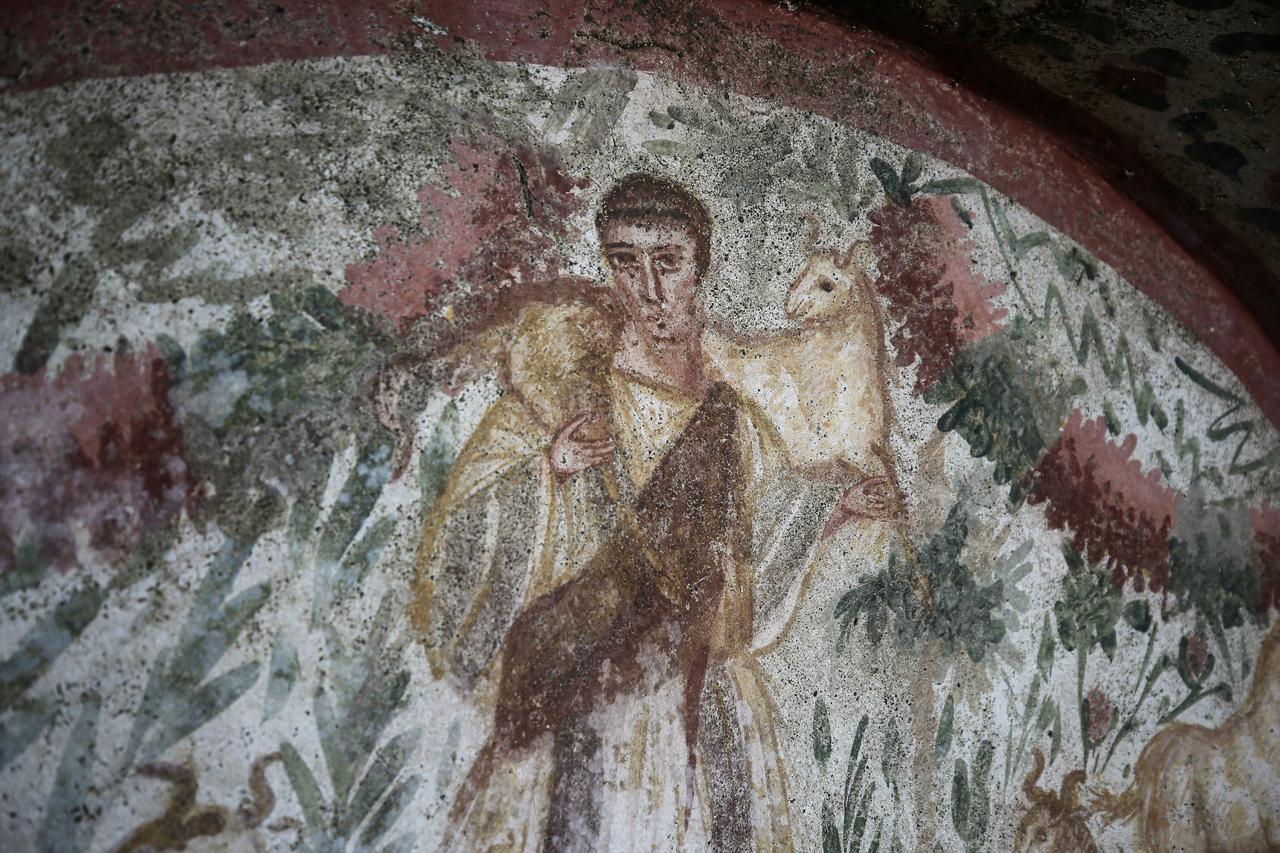
According to the excavation’s scientific coordinator, Professor Aygun Ekin Meric of Dokuz Eylul University, the Good Shepherd image is among the earliest visual representations of Jesus in Christian art.
Similar depictions are known mainly from Italy, where hundreds of examples have been documented, yet this find stands out as the first and, for now, the only known wall painting of its type in Anatolia.
Meric explained that while decorative motifs such as garlands and paradise gardens are known from other third-century tombs in the region, the presence of human figures marks a major difference.
In this case, Jesus is shown wearing a simple shepherd’s tunic, an image that reflects early Christian symbolism in which he appears as a guide leading souls to the afterlife.
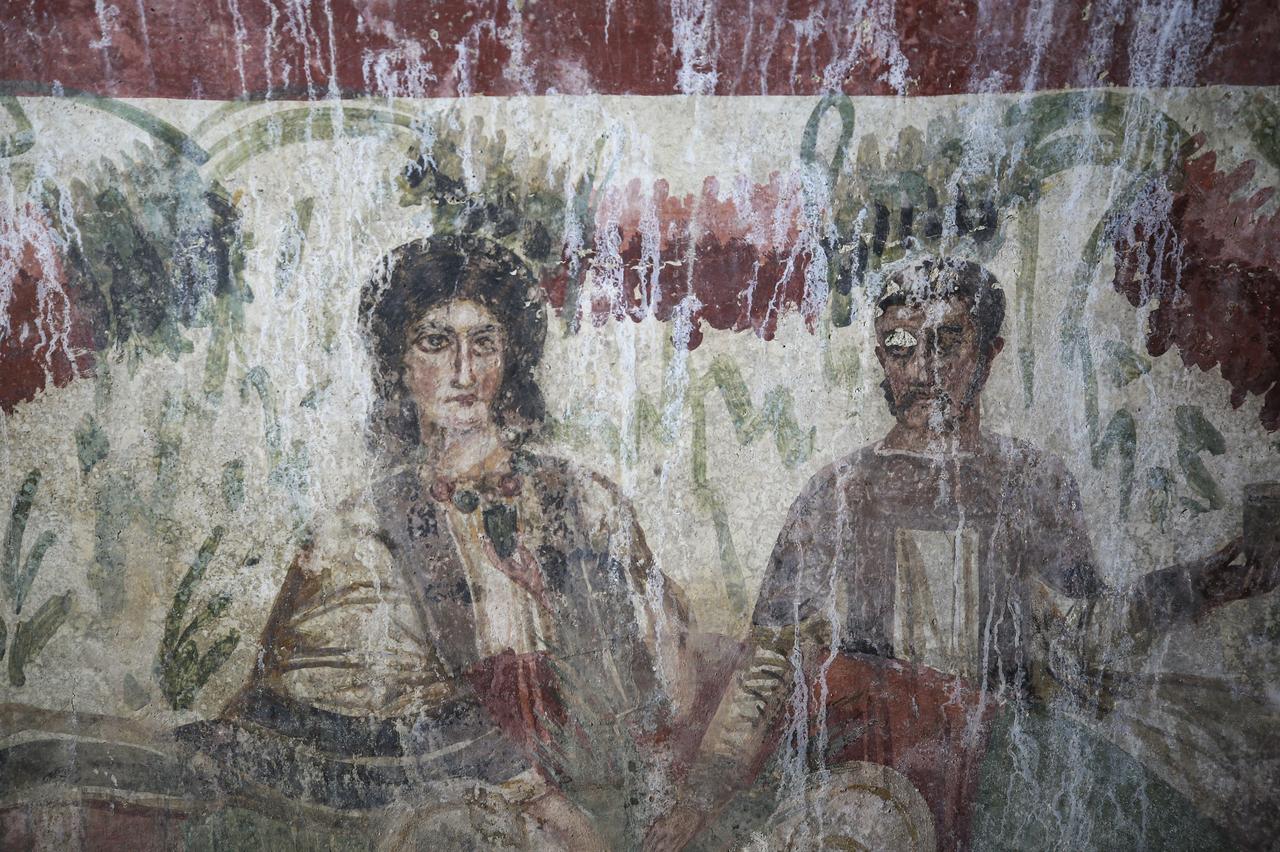
The richness of the decoration suggests that the tomb belonged to a wealthy or aristocratic family.
The couple believed to be the tomb owners are depicted reclining on the kline, wearing elaborate clothing and jewelry, while servants stand at either side and approach them with trays.
On the damaged south wall, only the tip of a peacock wing has survived, a motif commonly linked with immortality in Late Antique art.
Across the chamber, flowers, garlands, and garden imagery cover the walls, turning the interior into a symbolic vision of paradise.
Within this setting, the Good Shepherd figure appears not as a judge but as a protector and guide, accompanying the deceased on their journey to the next world.
The hypogeum came to light after archaeologists removed a sarcophagus lid that had sealed the entrance. Inside, the chamber was found filled with soil and rubble.
Once cleared, the team documented multiple skeletons, some of which were heavily deteriorated and transferred to a laboratory for analysis.
The remains on the kline are planned to be preserved in place, potentially under a protective glass cover.
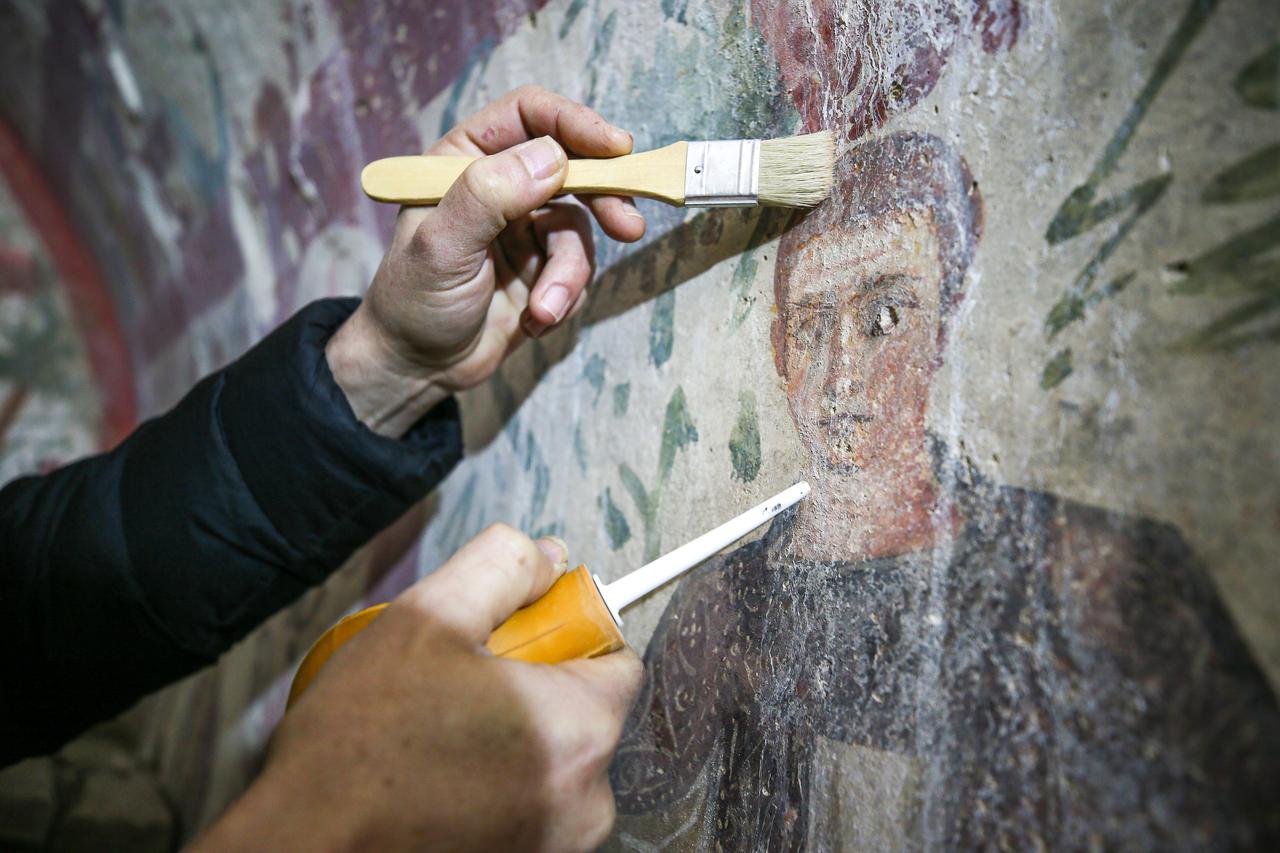
Conservation specialists are now stabilizing areas where the plaster has begun to flake. After this strengthening phase, the frescoes will be gently cleaned to remove lime deposits and dust layers.
Researchers say that in sections already treated, facial features and clothing details have become noticeably sharper, and they expect the full composition to stand out more clearly once the process is complete.


 Set as preferred source
 Set as preferred source


 1 min read
 1 min read