

 Newsletters


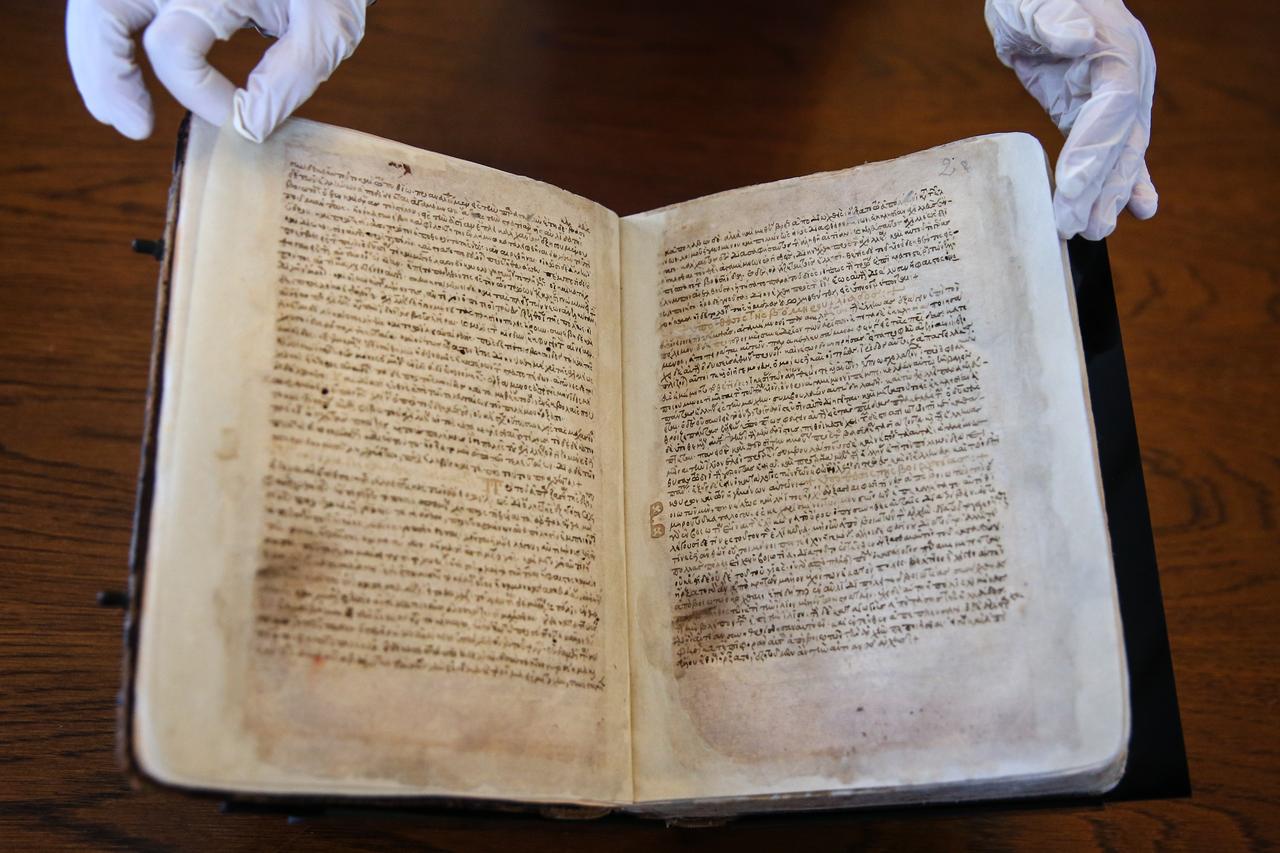


A previously unstudied 260-leaf manuscript of Homer's "Iliad," preserved in the personal library of Ottoman Sultan Mehmed II, has revealed new evidence suggesting it may have been copied in a manuscript workshop in Istanbul during the 12th or 13th century.
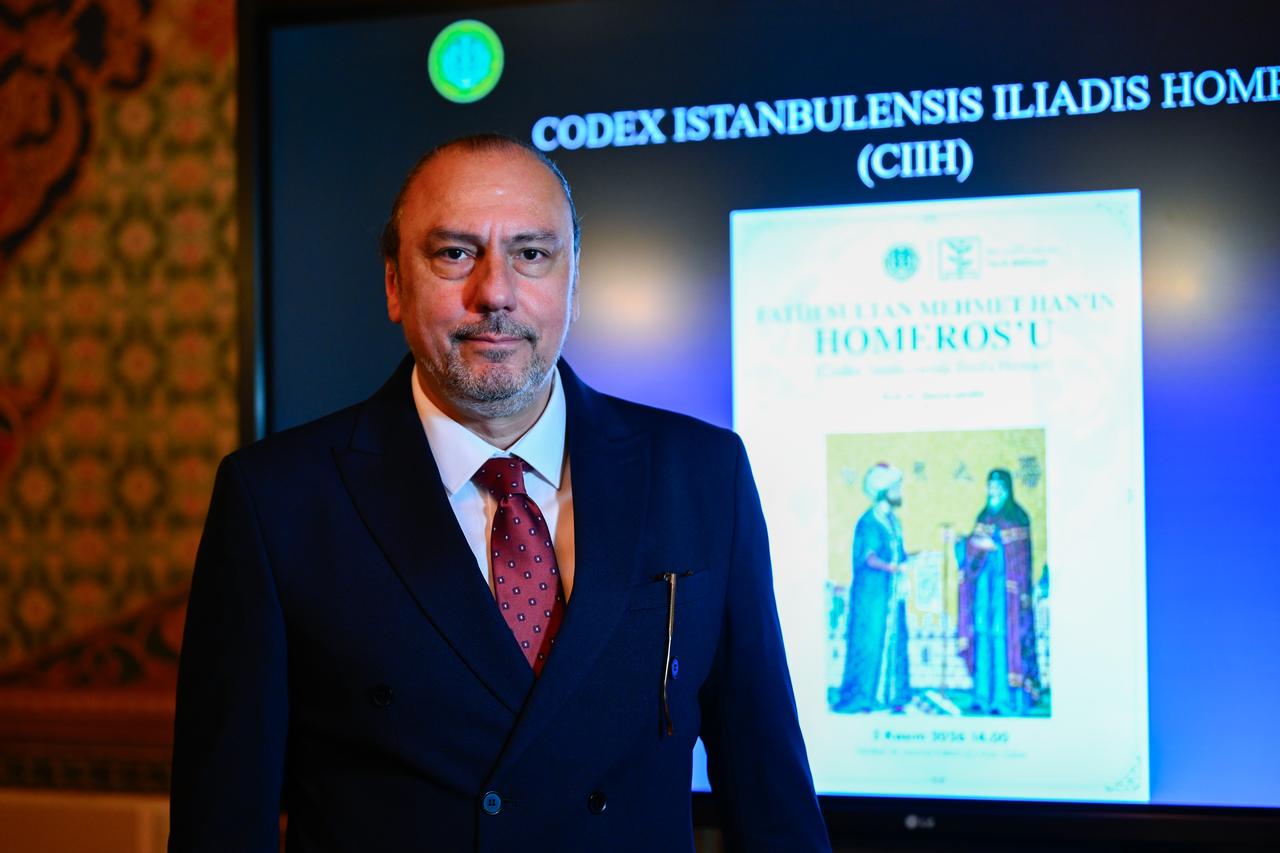
The findings emerged from research carried out at Istanbul University by Professor Hamdi Sahin, head of the ancient history department, who examined the manuscript's writing, decorative elements and textual commentary.
The manuscript, currently housed at Topkapi Palace in Istanbul, once belonged to Patriarch Gennadius II and may represent an important link between earlier Byzantine copies of the Iliad and manuscripts produced in later centuries.

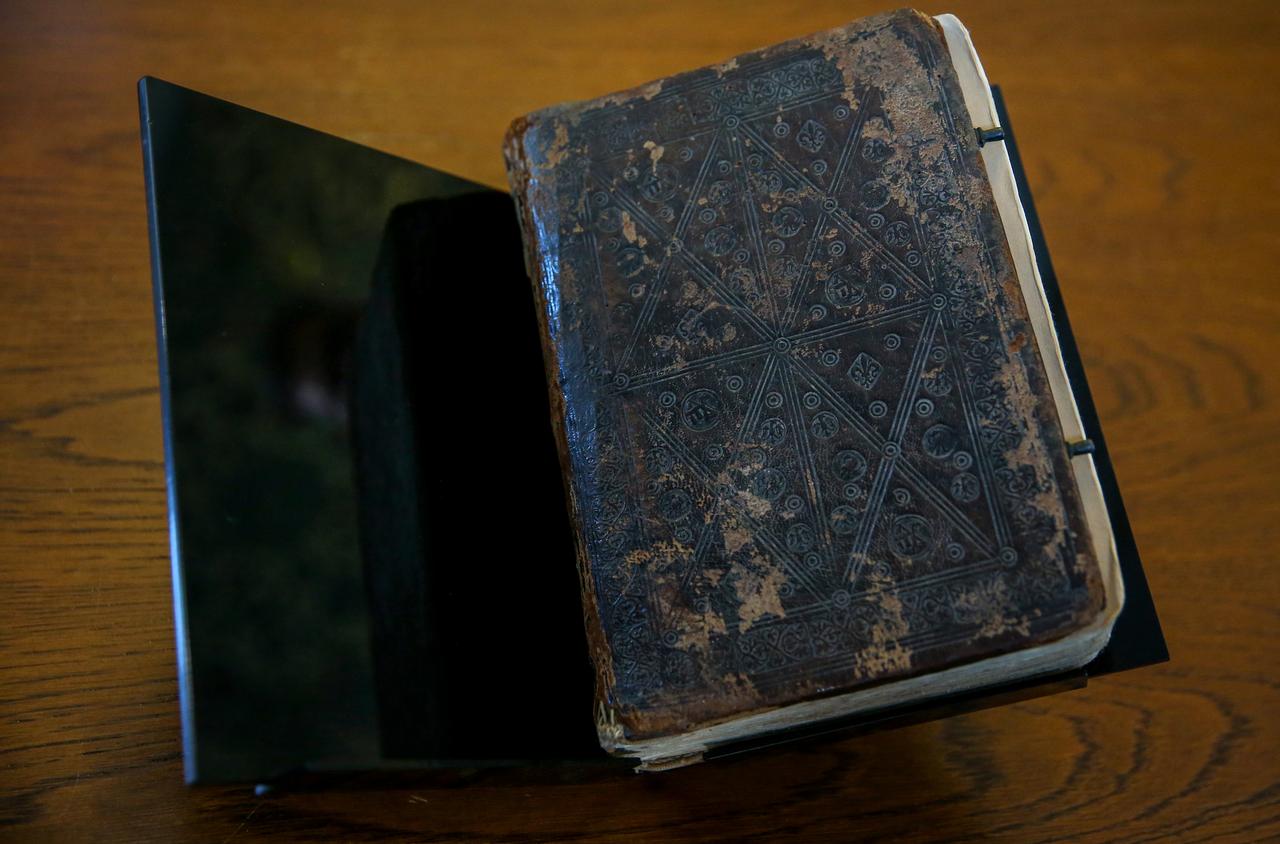
The manuscript consists of 260 paper leaves bound between wooden covers wrapped in decorated leather, measuring approximately 26 by 20 centimeters.
Researchers found that its carefully arranged pages, sophisticated handwriting and extensive commentary point to a possible origin in an Istanbul-based copying workshop.
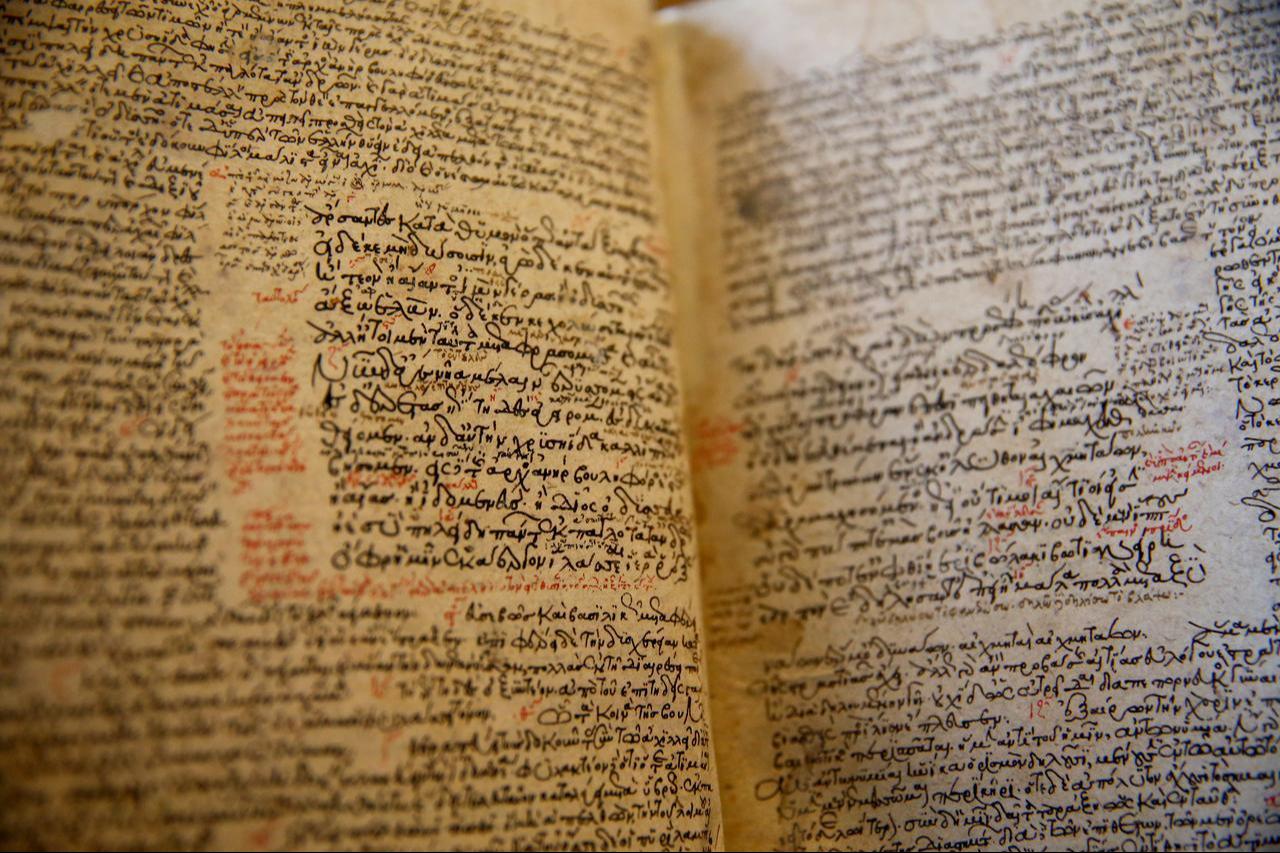
The main text appears in large, rounded Greek letters, while smaller, closely spaced writing fills the margins with explanations of Homeric verses, mythological references and unfamiliar words.
Headings, capital letters and symbols directing readers to marginal notes were written in red ink, suggesting an organized production process. Letter combinations, abbreviations and decorative endings also indicate that the scribe possessed advanced writing skills.
The manuscript contains red interlacing patterns, floral decorations and geometric diagrams, which helped separate sections and guide readers through the text.
The manuscript includes an account of Homer's life, ancestry, parents and birthplace, followed by summaries of the Iliad's books. The epic itself begins on the seventh leaf and continues through its final verse.
Sahin explained that the surrounding annotations, known as scholia, provide interpretations of individual verses, explain vocabulary and offer background information on mythological events.
The study also found that these commentaries were drawn from more than one manuscript tradition, suggesting that the Istanbul copy brought together material from different sources.
Although the manuscript remains largely intact, researchers identified damage along the edges of two leaves. They plan to reconstruct the missing passages by comparing them with other surviving copies.
Another major finding concerns the manuscript's possible relationship with earlier copies of the "Iliad," including Venetus A and Townleyanus, associated in the study with manuscripts taken from Istanbul to Venice and donated to the Marciana Library by Cardinal Bessarion in the 15th century.
Researchers believe the Istanbul manuscript may represent an intermediate stage in the transmission of Homer's text, potentially influencing copies produced during the 13th, 14th and 15th centuries.
Differences in the spelling of certain Greek words could also provide evidence of linguistic changes that occurred as ancient texts were repeatedly copied.
Sahin said the investigation began in February 2026, when he noticed a possible spelling error while preparing an academic article about Homer. After comparing modern editions, he turned to historical manuscripts to investigate further.
The manuscript's ownership history is documented through a Greek inscription linking it to Patriarch Gennadius II, alongside French and Ottoman Turkish labels identifying the text and its historical period. Inventory records and a stamp from the Topkapi Palace Registration Commission also appear inside the cover.
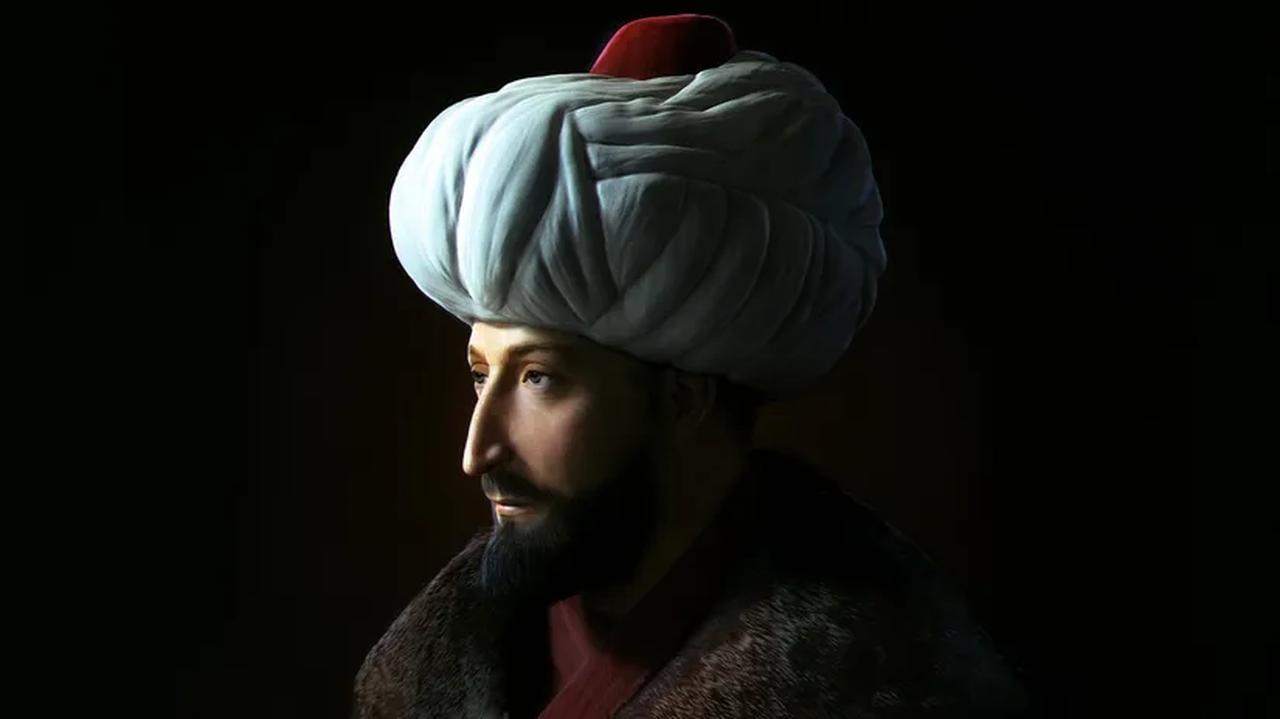
Sahin emphasized that the manuscript's place in Mehmed II's personal collection adds to its historical significance, particularly because its textual characteristics had not previously been examined in a dedicated scientific study.
"Our manuscript, which we have named after Istanbul, falls precisely between the early copies and those produced in the 14th and 15th centuries. We therefore believe it may have served as a model for copies produced afterward," Sahin said.
He added that the research findings were being shared publicly for the first time.


 Set as preferred source
 Set as preferred source


 1 min read

 1 min read


