Newsletters


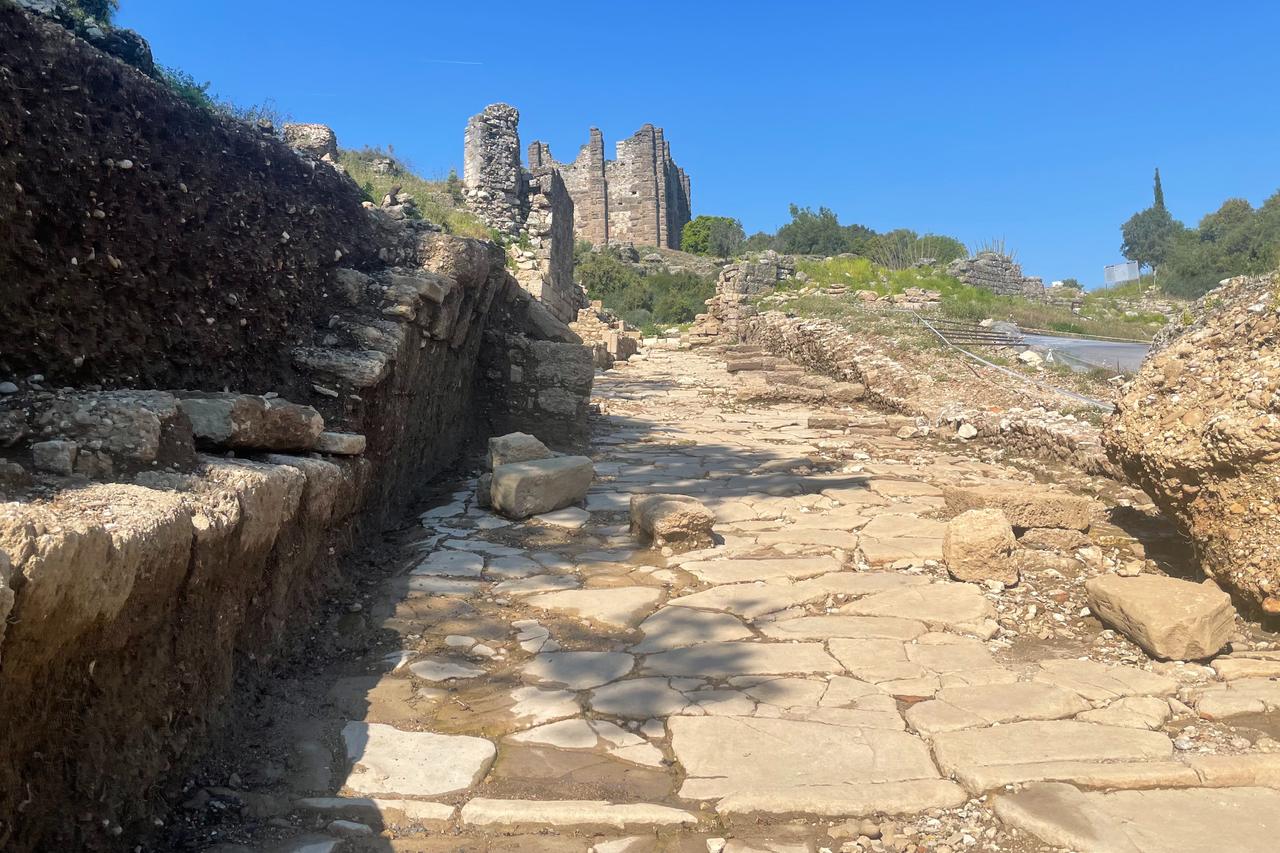


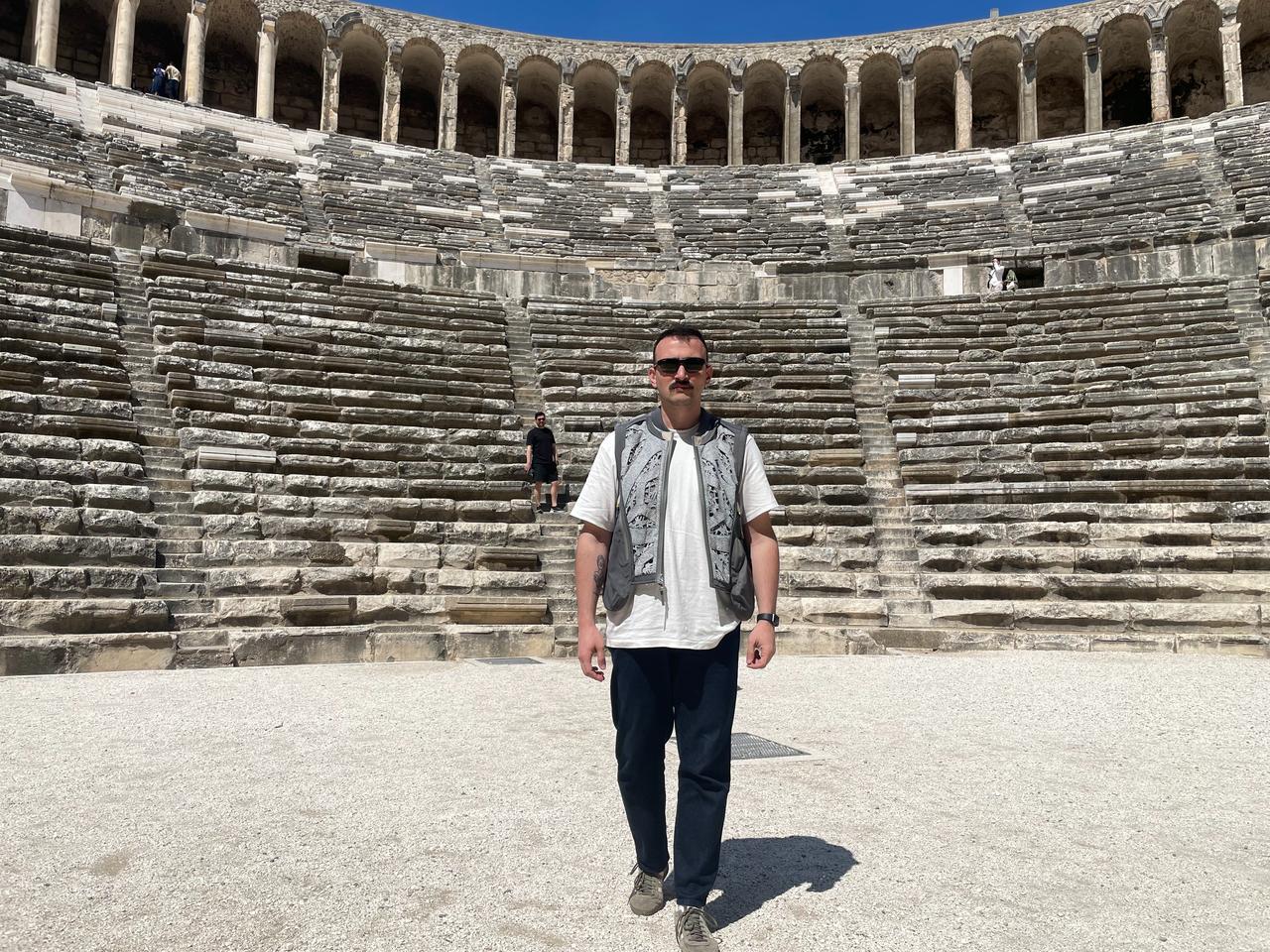
Long known almost exclusively for its remarkably preserved Roman theater, the Ancient City of Aspendos in Antalya, southern Türkiye, is now emerging as a far more complex urban center, as ongoing excavations reveal streets, monuments, and structures that had remained hidden for centuries.

Founded in the 10th century B.C. by Achaean settlers on two hills, Aspendos has traditionally been associated with its Roman-era theater, built between A.D. 160–180 by two brothers and gifted to the city. However, excavations carried out under the Ministry of Culture and Tourism’s “Heritage for the Future” project are shifting that perception.
According to excavation deputy head Tolga Candur, who spoke to Türkiye Today, the site had long been reduced to its theater in both public and academic narratives. With intensified archaeological work, however, the broader urban fabric of the city is now coming into view.
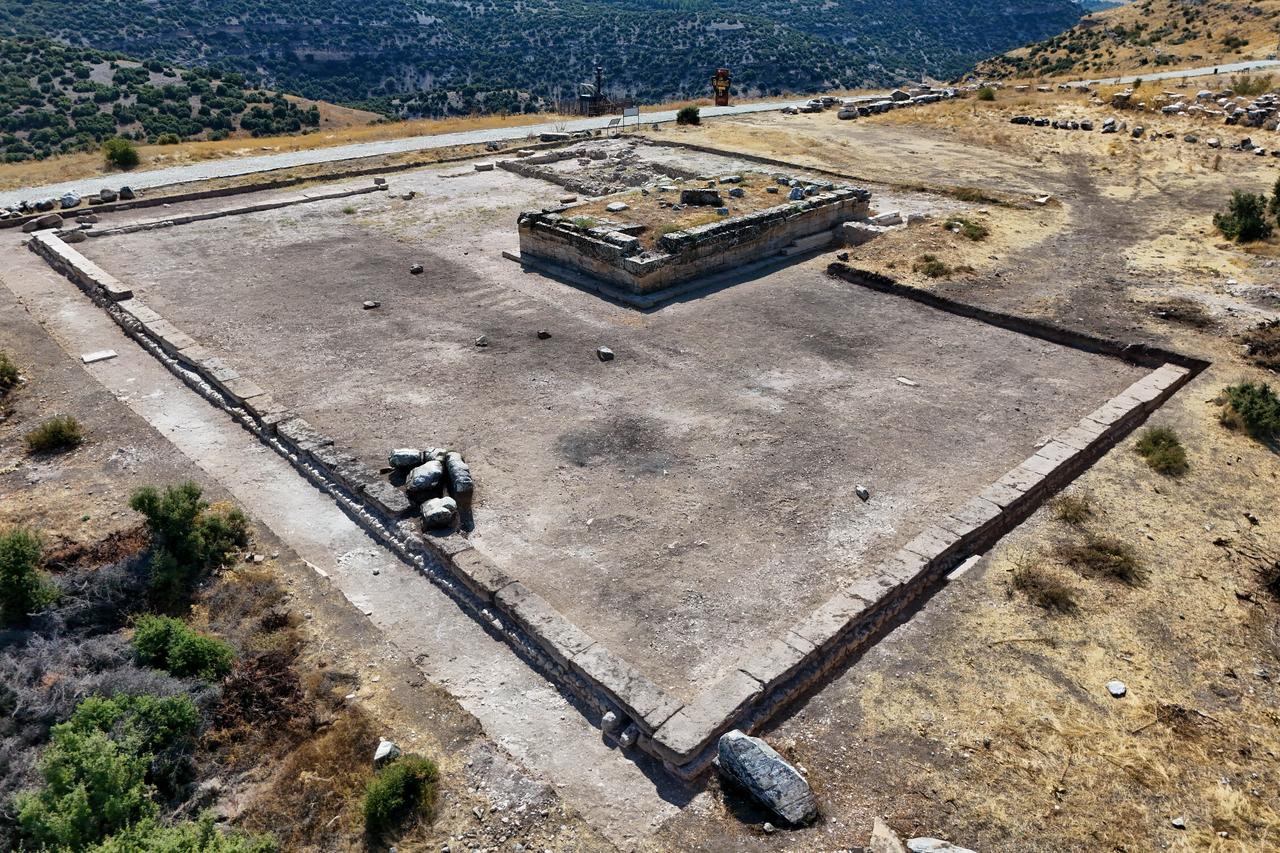
Candur explained that early-stage excavations uncovered a 125-meter-long ancient street located between the theater and the city’s central public buildings. As work progressed, the team traced this route toward key civic spaces such as the agora, an open public square used for gatherings and trade, and the gymnasium, a complex where physical training and education took place in the ancient world. Along this route, rows of shops appeared strikingly well preserved, offering a rare snapshot of daily life frozen in time.
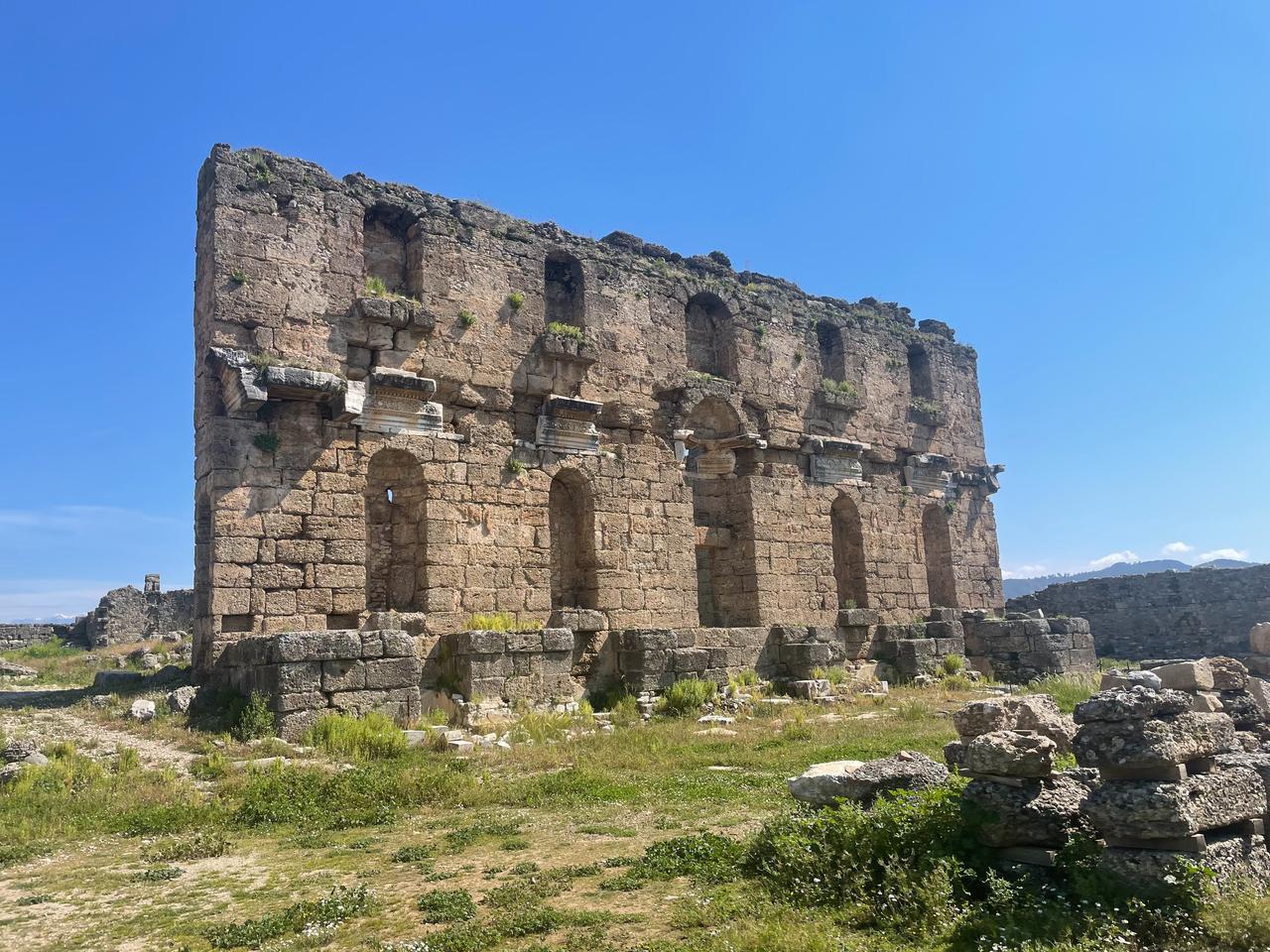
As excavations deepened around the newly discovered street, archaeologists identified a previously unknown gate connected to a monumental fountain. These findings were accompanied by significant sculptural discoveries, suggesting the area once formed an architecturally elaborate entrance or ceremonial zone.
Among the most notable finds is a statue of Hermes, known in Greek mythology as the swift messenger of Zeus. Candur noted that the statue reflects high craftsmanship and likely adorned the facade of the monumental structures alongside earlier discoveries of statues depicting Zeus and Aphrodite.
Further discoveries in the same area included sculptural fragments associated with Aphrodite, the goddess of love and beauty, and Eros, the god of love. Additional body parts believed to belong to Artemis, goddess of the hunt and wilderness, and Nemesis, associated with justice and fate, were also uncovered.
One of the most striking aspects of the ongoing excavations is the condition of the structures. Candur indicated that Aspendos appears to have been largely abandoned by the late fifth century A.D., which may explain the unusual level of preservation across the site.
Unlike many ancient cities that suffered gradual decay, several buildings in Aspendos remain standing with facades intact, while some shops have survived up to their second and third floors. This level of preservation is considered rare in the archaeological record and allows for a clearer understanding of the city’s original layout.
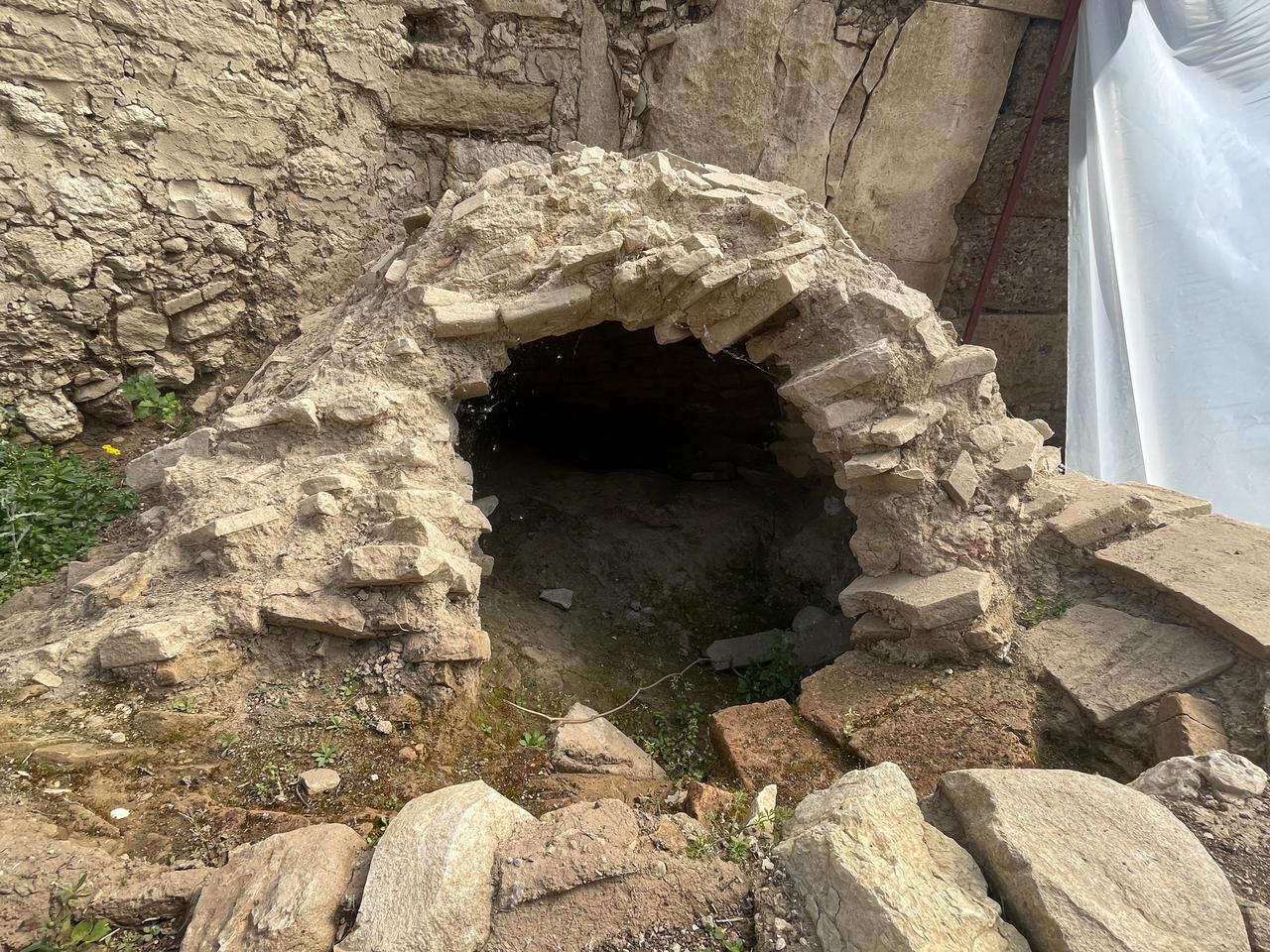
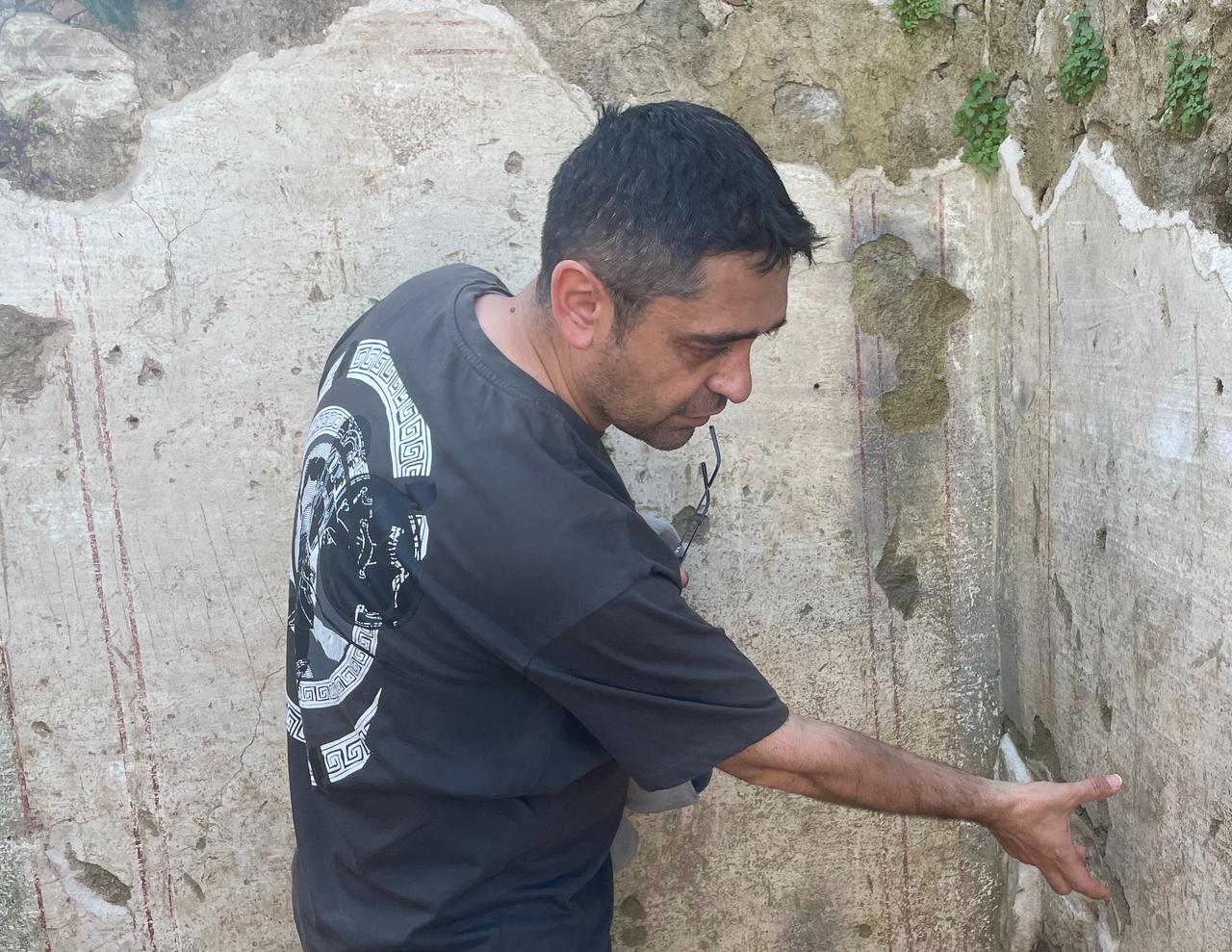
The excavation team has also identified a Roman-period villa located near the gymnasium. Although details have so far only been shared with the Ministry of Culture and Tourism, the structure is described as a multi-story residence, likely belonging to a prominent individual.
The villa is reported to feature extensive mosaic floors and fresco-decorated walls, with parts preserved up to the third floor. Archaeologists expect the structure to be publicly introduced in the near future, as work continues to document and stabilize the remains.
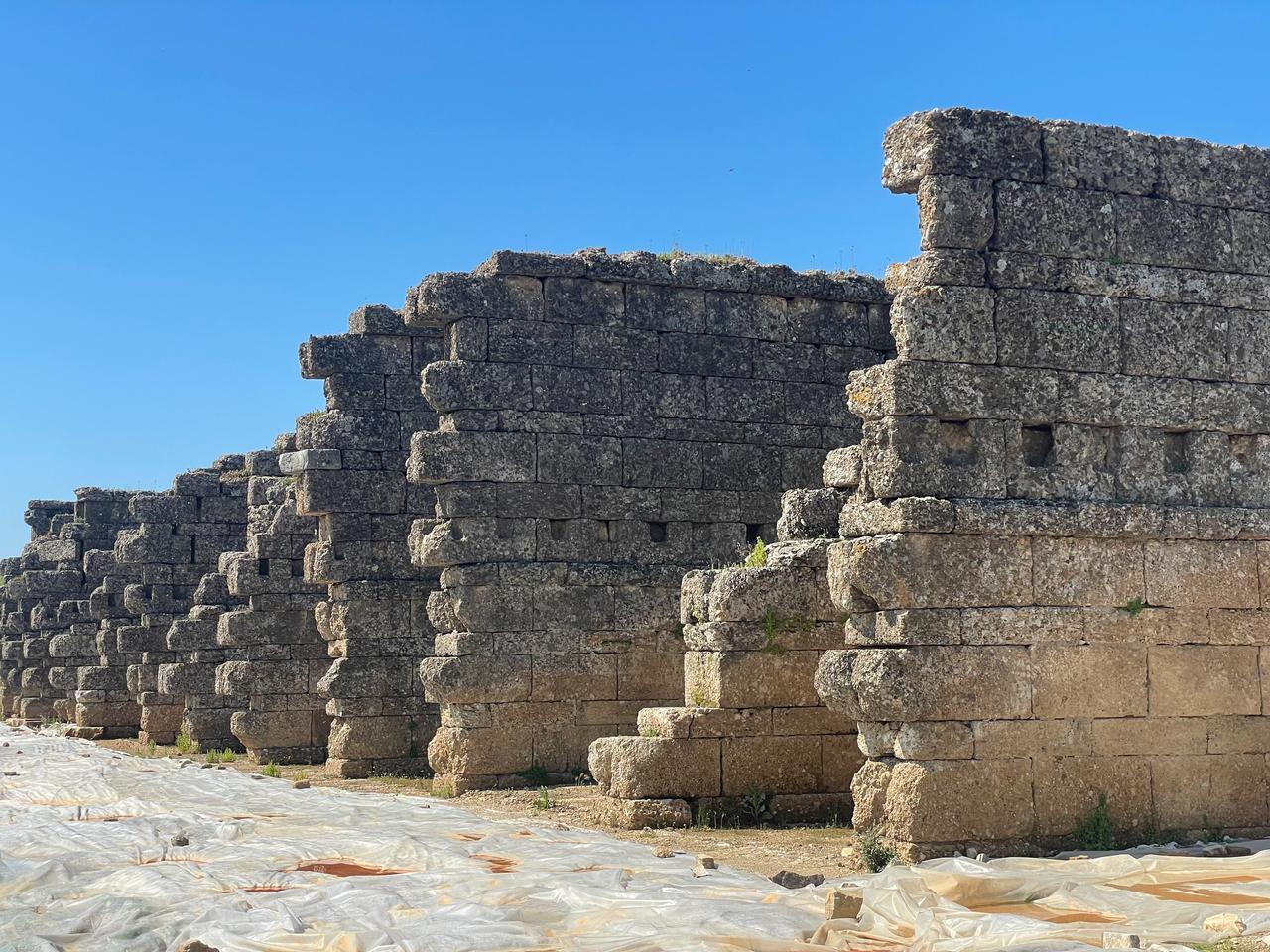
In parallel with these discoveries, efforts are underway to reveal a new public square where columns remain largely in place. Once restored, the area is expected to allow visitors to walk through standing structures and experience the spatial organization of the ancient city more directly.
Candur emphasized that these findings mark the beginning of a new phase for Aspendos, noting that the site will no longer be defined solely by its theater but by a broader and more complete urban landscape.


 Set as preferred source
 Set as preferred source


 2 min read