Newsletters


Archaeologists working in the eastern Türkiye province of Mus have been carrying out excavations aimed at identifying the exact site of the Battle of Malazgirt, the historic 1071 clash that opened the gates of Anatolia to the Turks and reshaped the region's history for centuries to come.
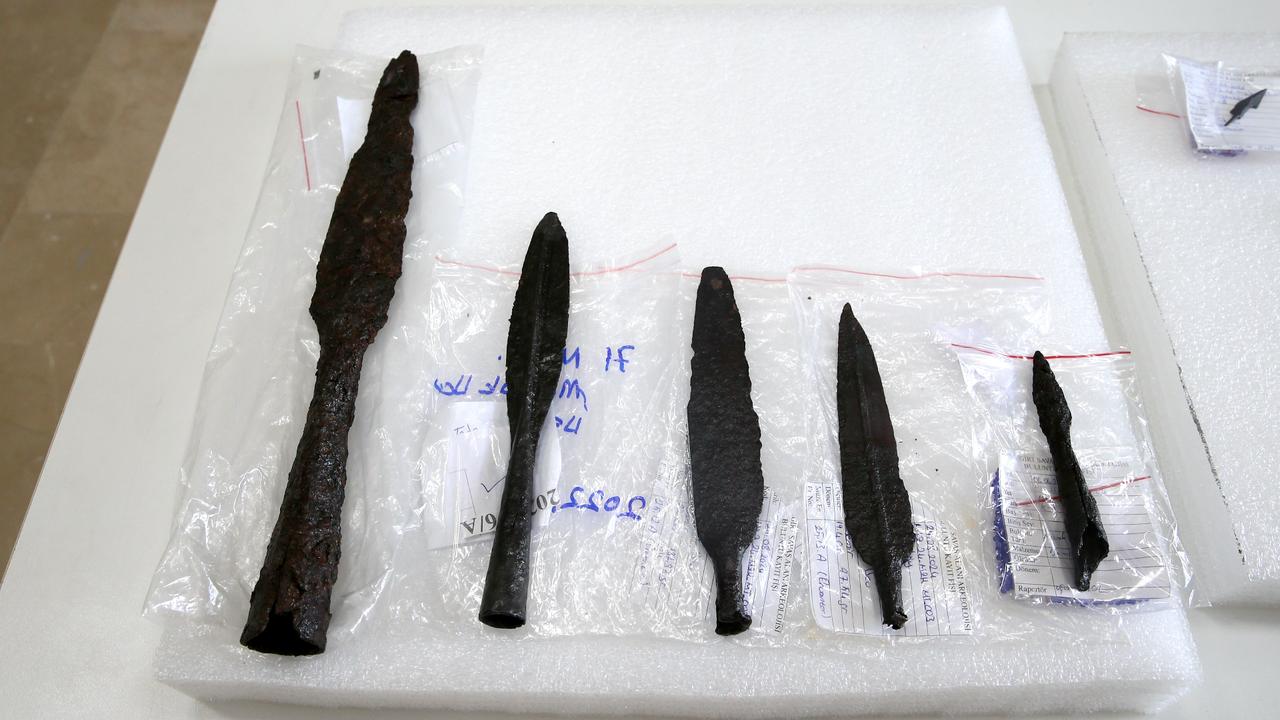
As part of the ongoing fieldwork, teams have unearthed a range of metal objects believed to be linked directly to the battle, offering physical traces of a confrontation long studied mainly through historical texts and accounts.
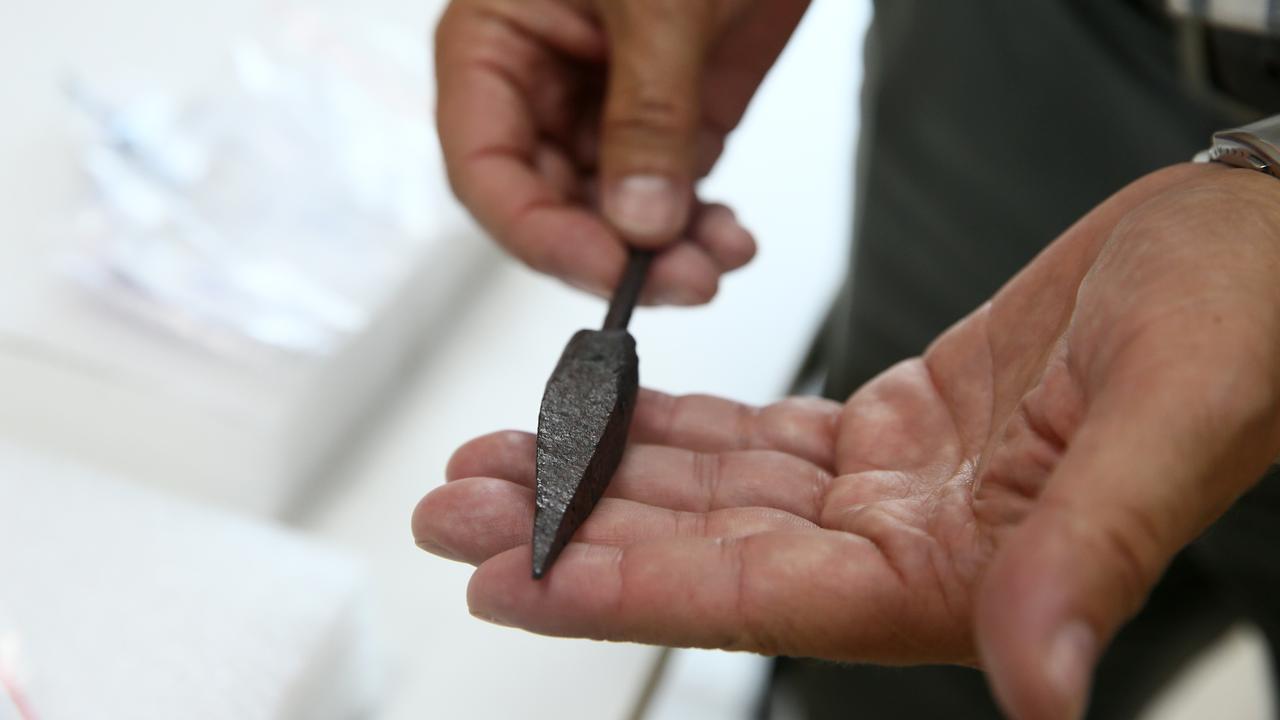
Once recovered from the excavation sites, the artifacts are transported to a dedicated laboratory in Mus, where specialists begin the delicate process of cleaning centuries of soil, corrosion and wear from each individual piece.
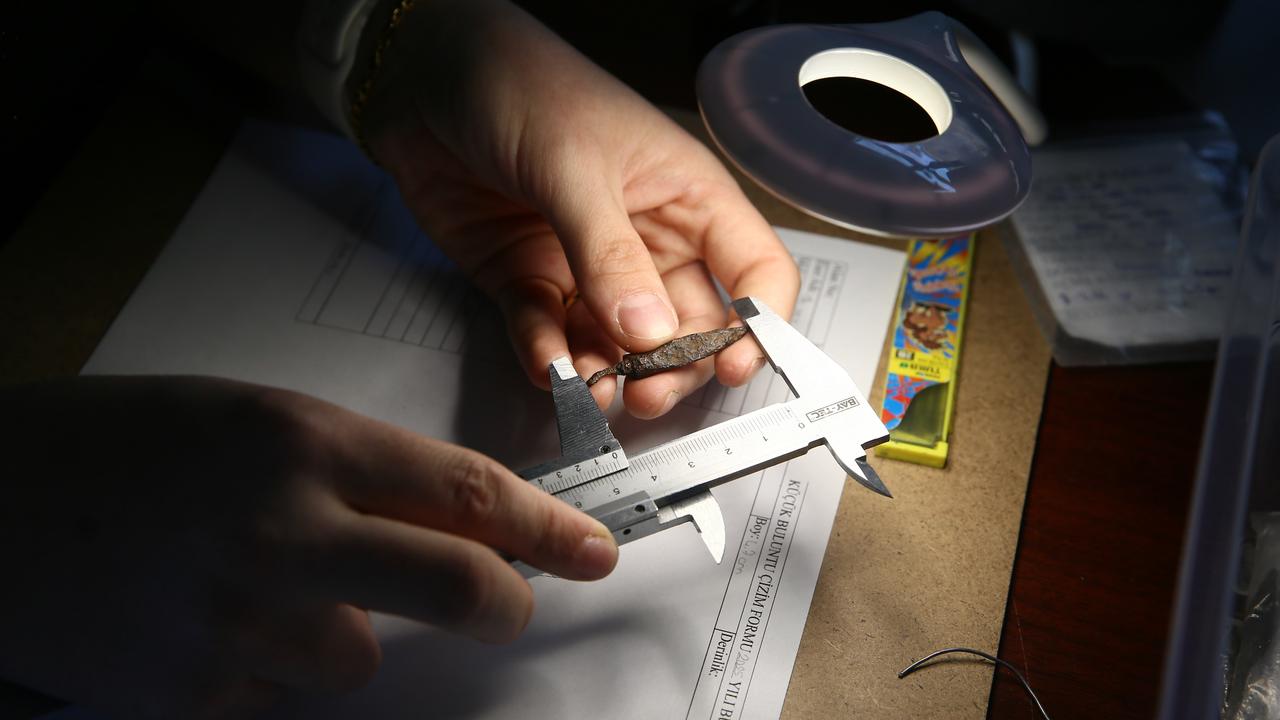
Every object undergoes careful documentation before and after cleaning, allowing researchers to track its condition and preserve as much information as possible about how it was found.
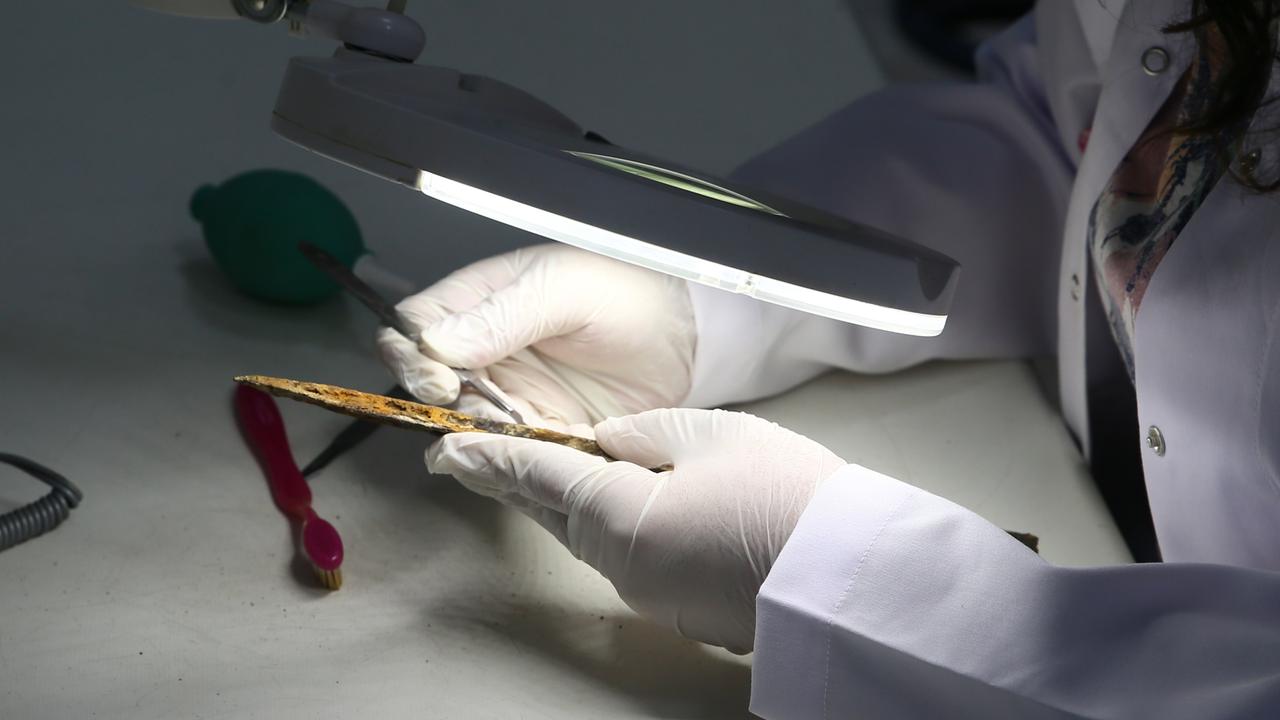
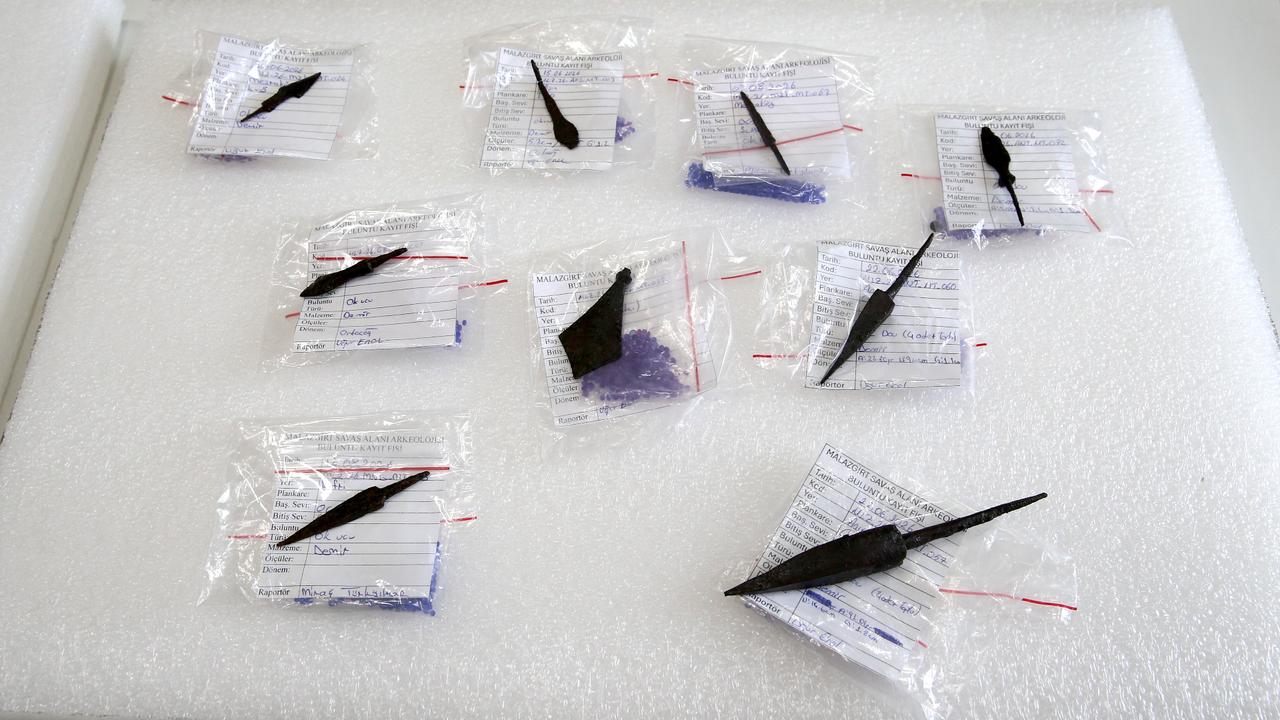
Once cleaned, each item is catalogued according to its material, type and estimated function, helping experts build a clearer picture of the weapons, tools and equipment used by armies at the time of the battle.
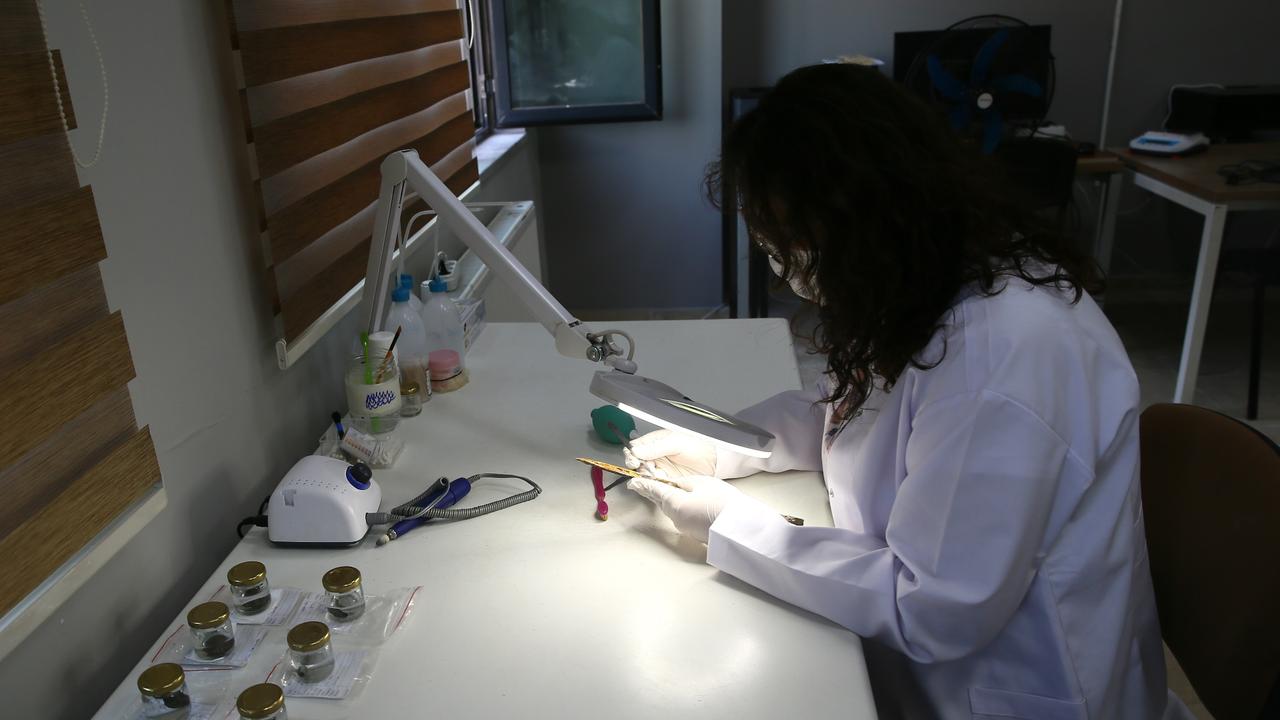
The catalogued objects are then entered into a database, creating a permanent digital record that researchers can use for further study, comparison and future academic publications.
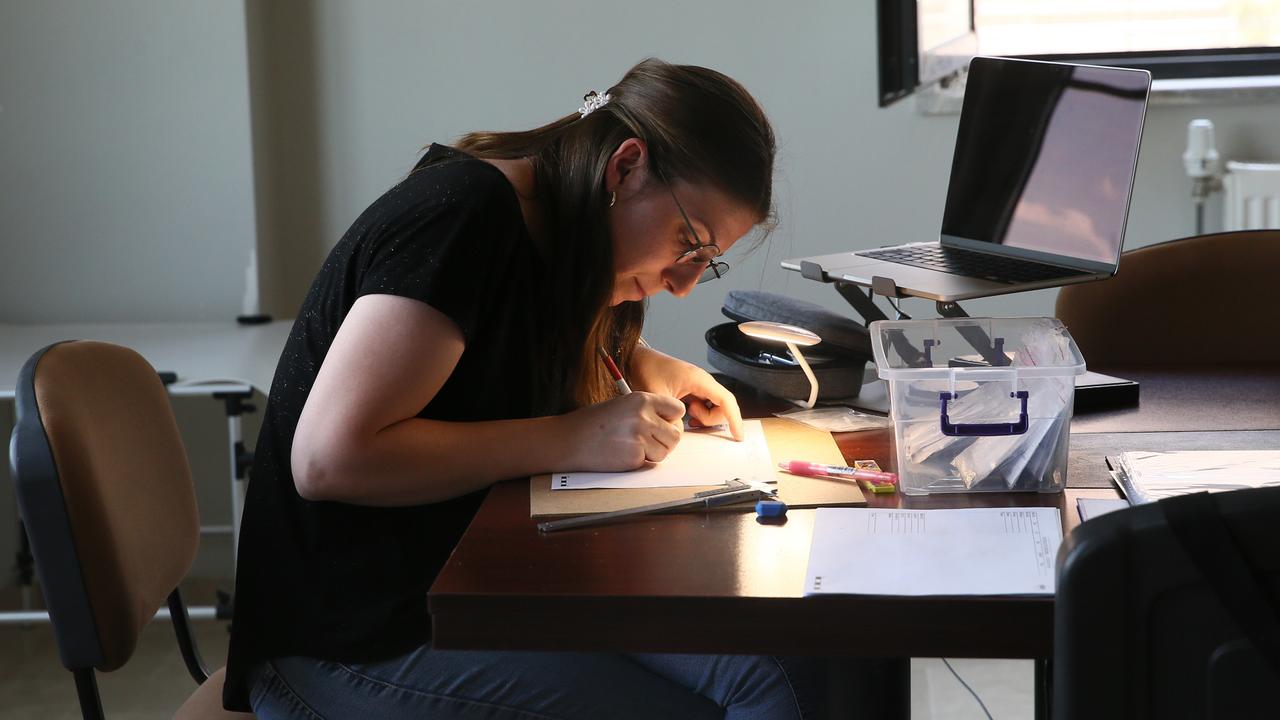
This process of excavation, cleaning and documentation is part of a broader effort to pinpoint the precise location of the battlefield, a question that has long been the subject of historical and archaeological debate.
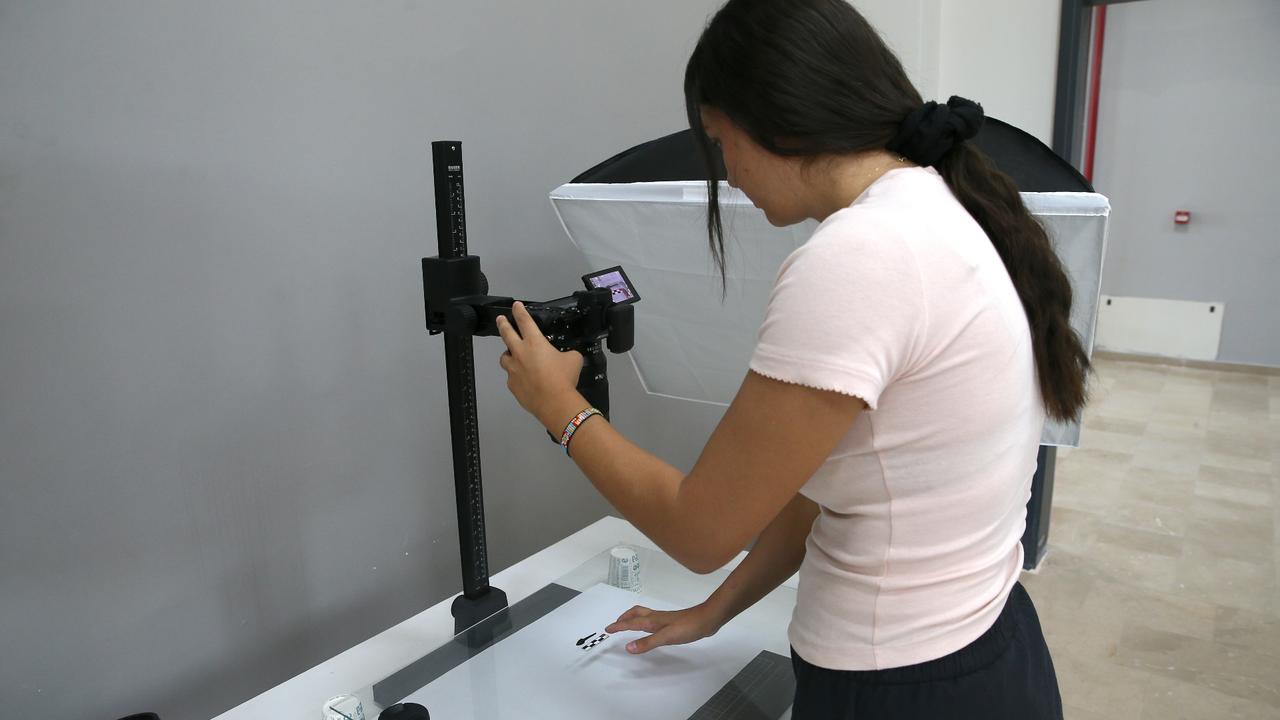
The work being carried out in the laboratory, captured in a photograph dated Aug. 19, 2026, reflects the meticulous, behind-the-scenes effort required to turn buried metal fragments into verified historical evidence.

 1 min read
 1 min read
 3 min read


 Set as preferred source