Newsletters




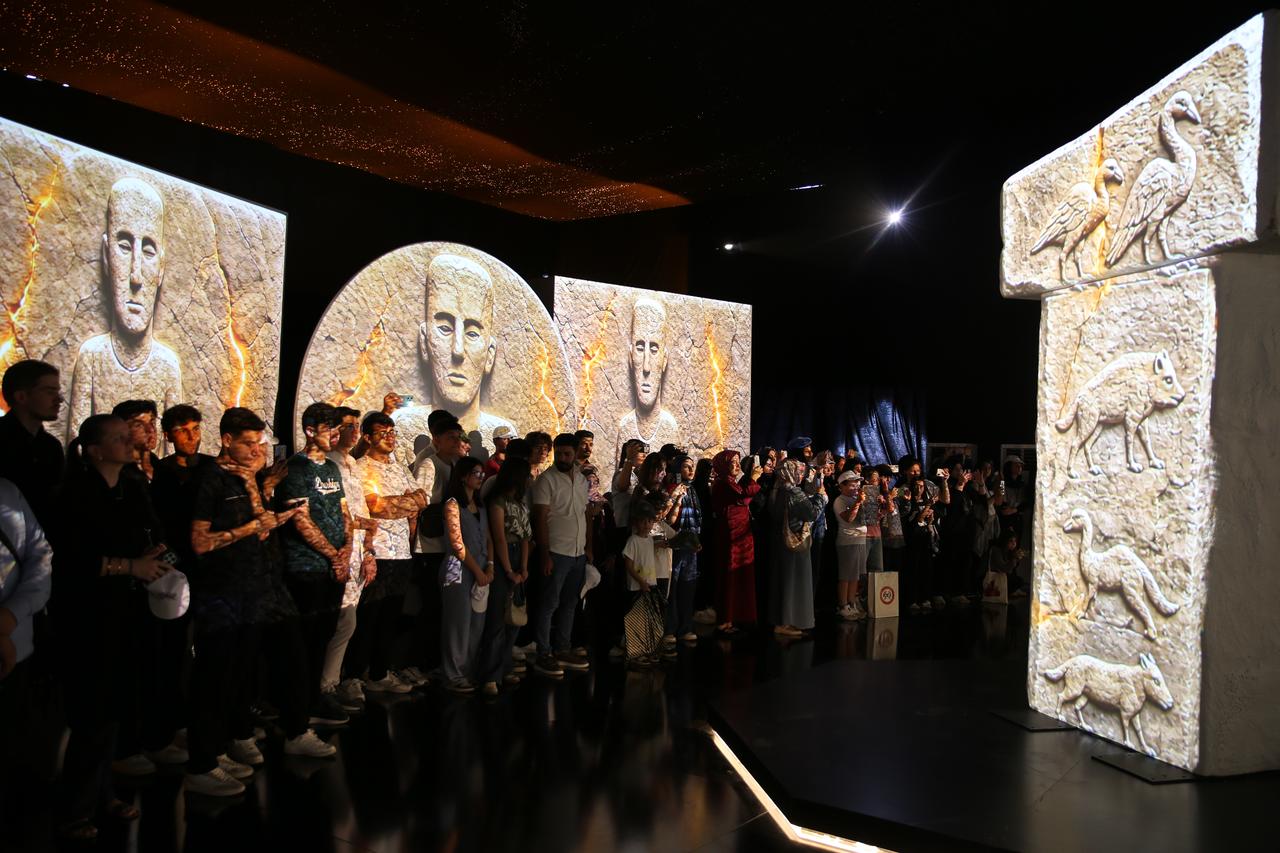
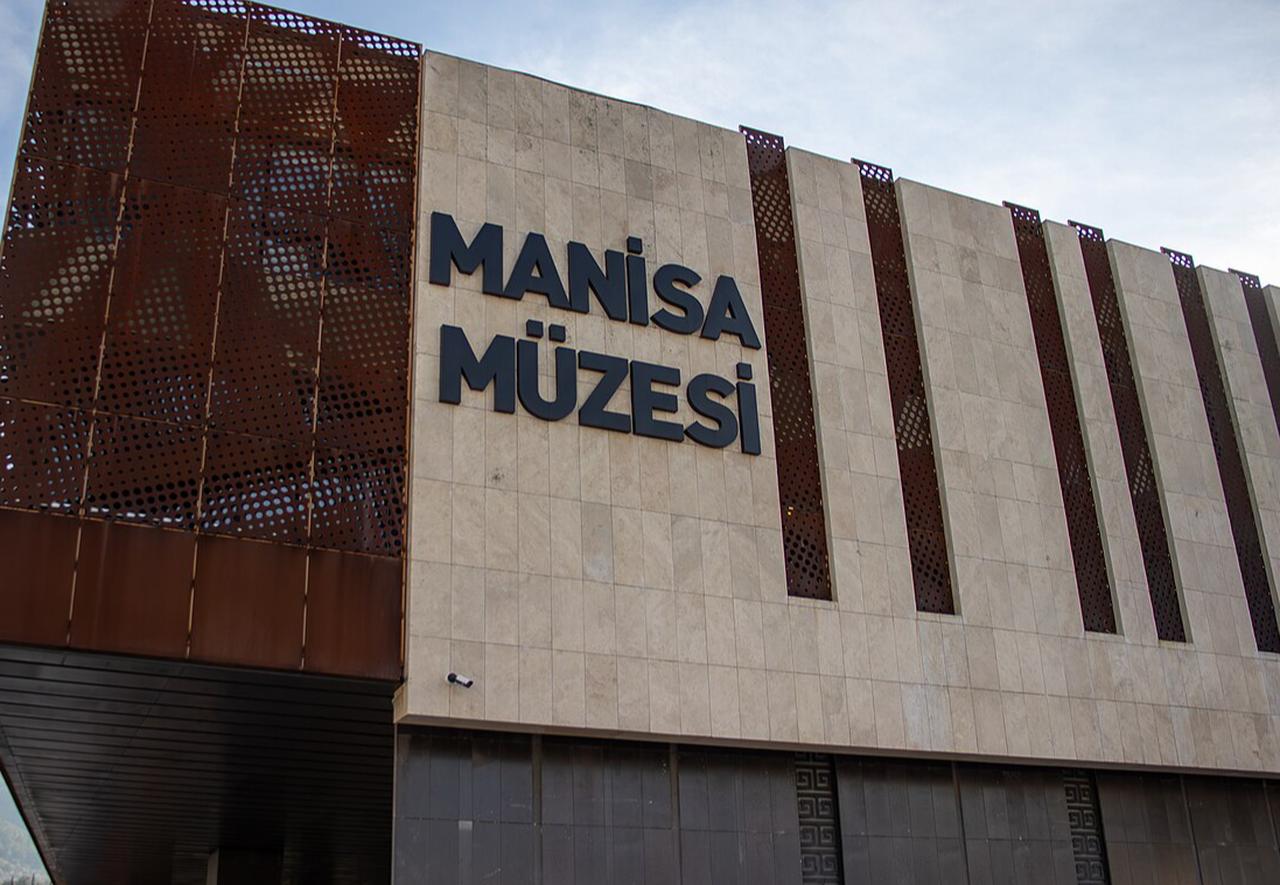
Manisa Museum presents the story of Lydia, Sardis, and the birth of coinage within a renewed cultural space that opened to visitors in May 2025 with the participation of Culture and Tourism Minister Mehmet Nuri Ersoy, placing one of western Türkiye’s most influential ancient legacies at the center of its narrative.
Built on a 10,000-square-meter site and designed with modern exhibition techniques, the museum stands out both for its architecture and for the scope of its collection. Its exhibition and storage areas have been structured to preserve and present Manisa’s cultural heritage in a more accessible way.
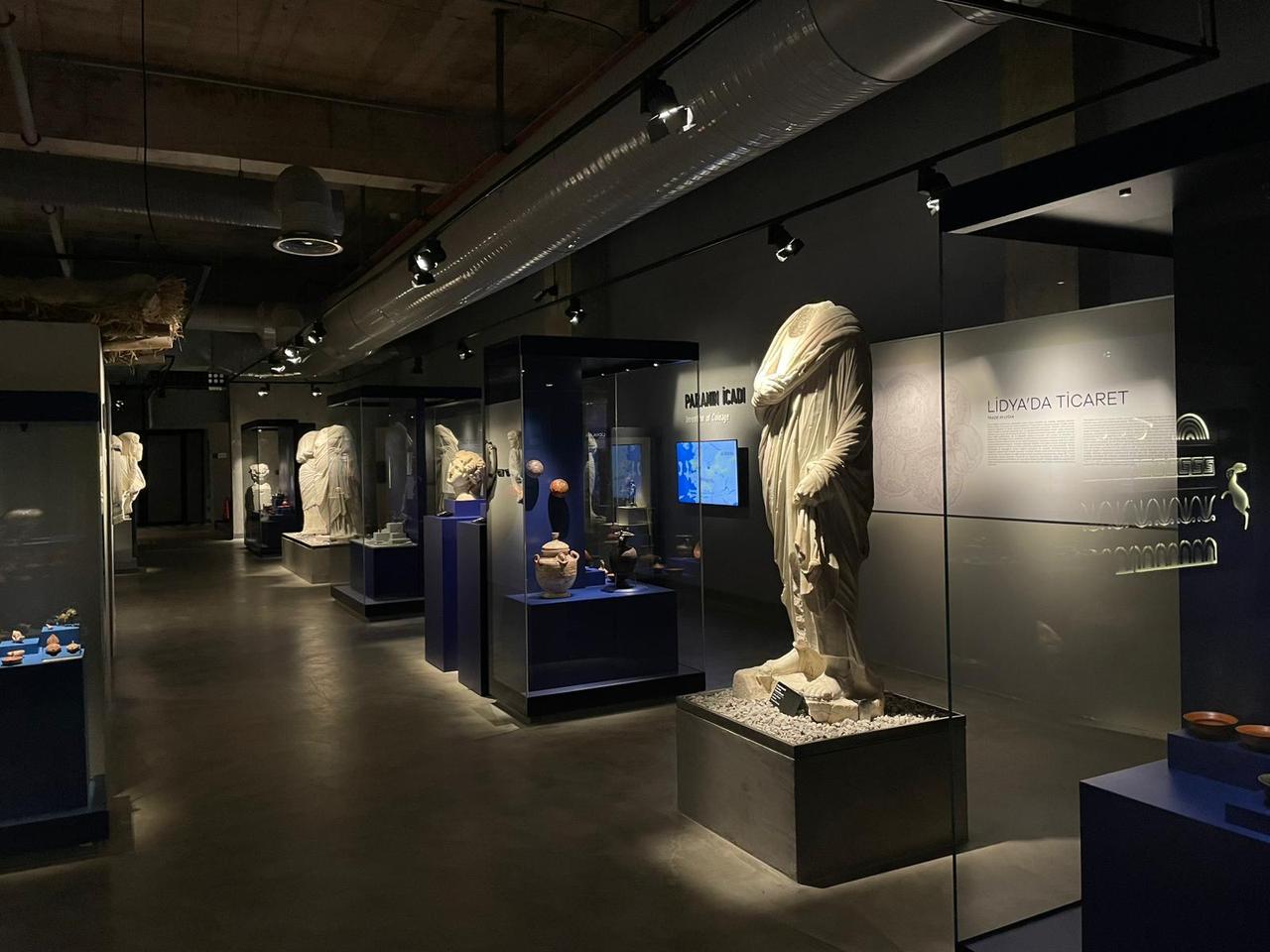
Visitors move through a chronological route that begins in prehistory and extends to the Ottoman period. Archaeological works are displayed on the ground floor, while the upper level combines archaeological and ethnographic material, allowing the region’s layered past to unfold gradually.
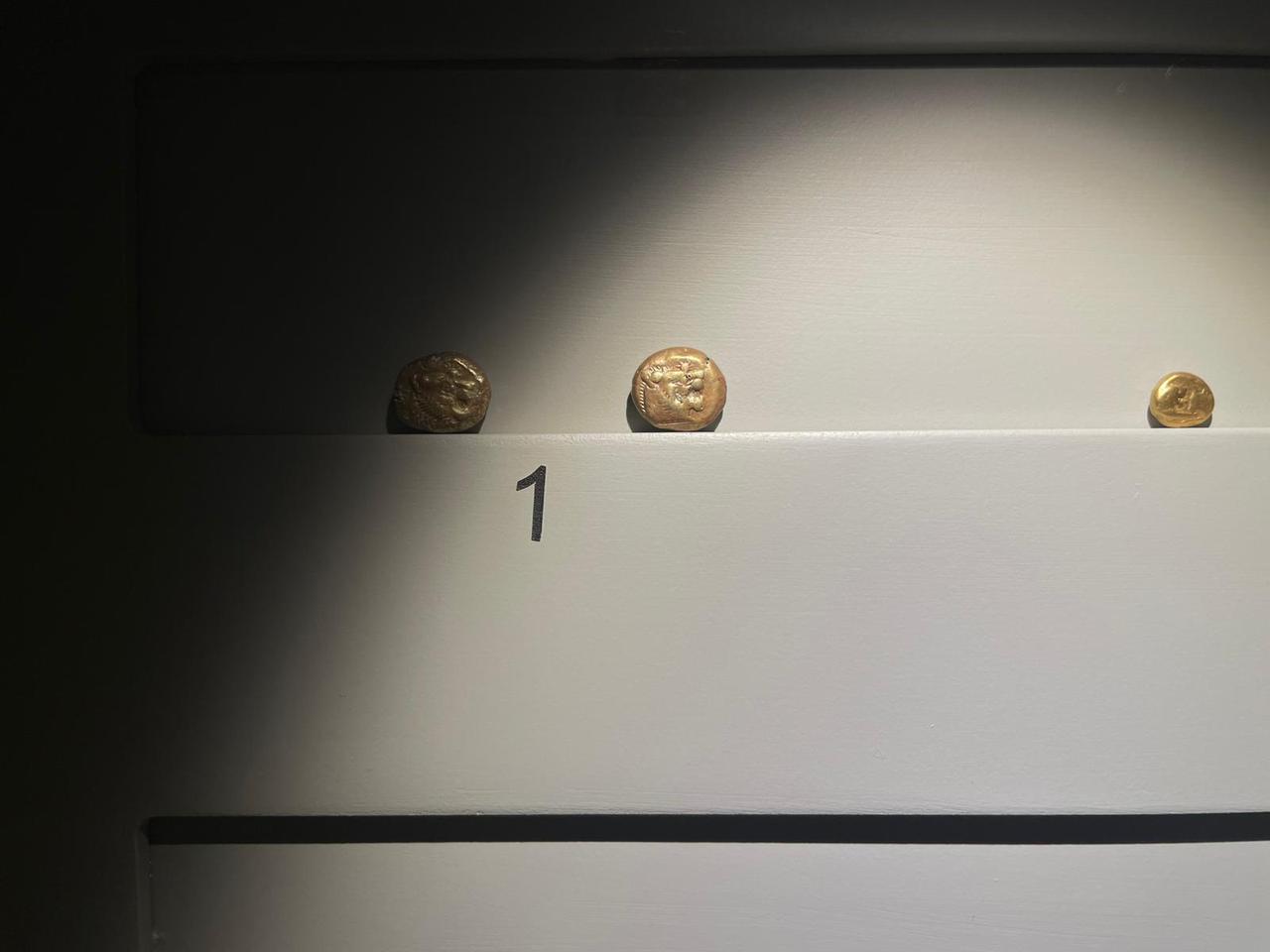

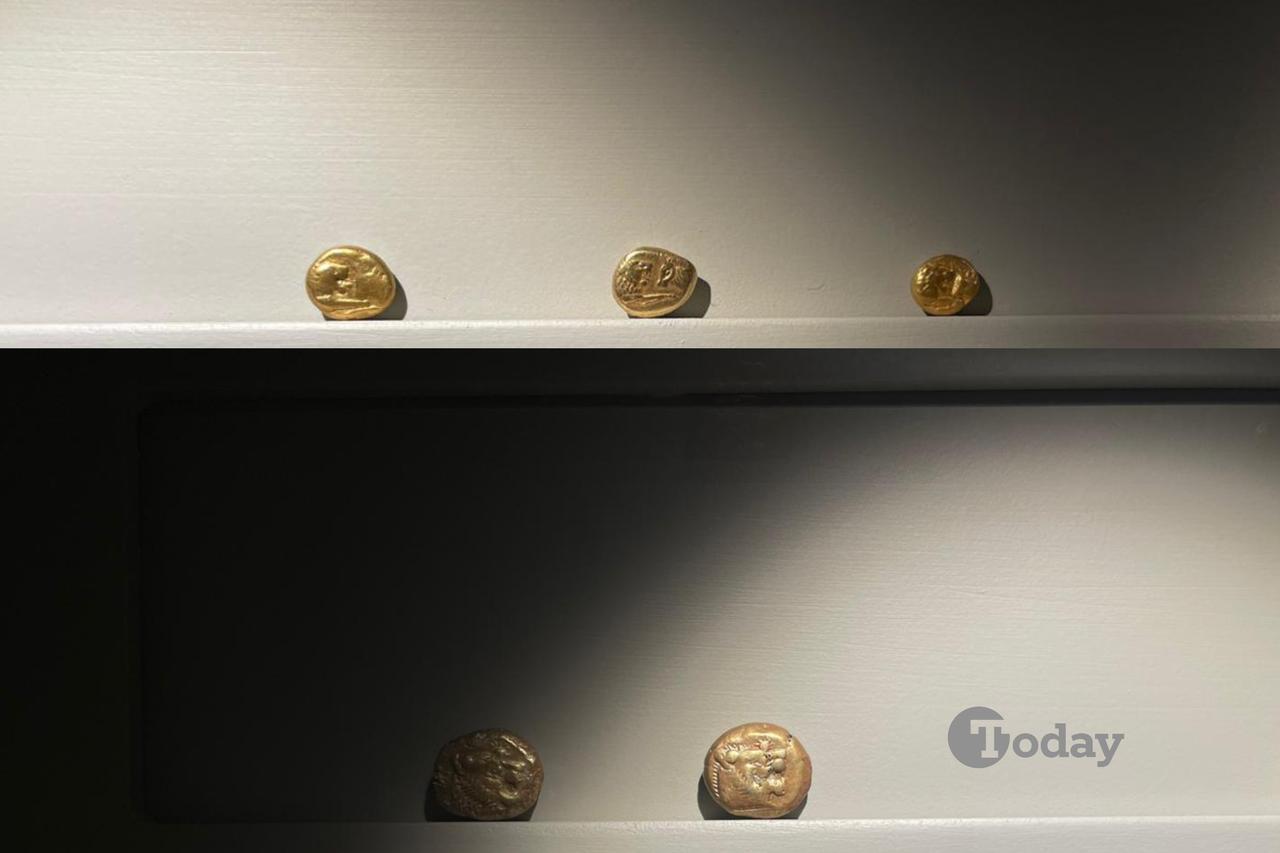
Among the highlights are coin collections, Lydian lion sculptures, mosaics, idol fragments, and bronze figurines. Dedicated sections for the ancient cities of Aigai and Sardis underline Manisa’s role in antiquity, with Sardis standing out as a key center in the history of money.
The Lydians were widely recognized in antiquity as the first to mint and use coins of gold and silver, linking the region directly to one of the most transformative economic developments in human history. Early coins were made from electrum, a natural gold-silver alloy found in Lydian riverbeds, which contributed to the wealth of the Lydian kingdom.
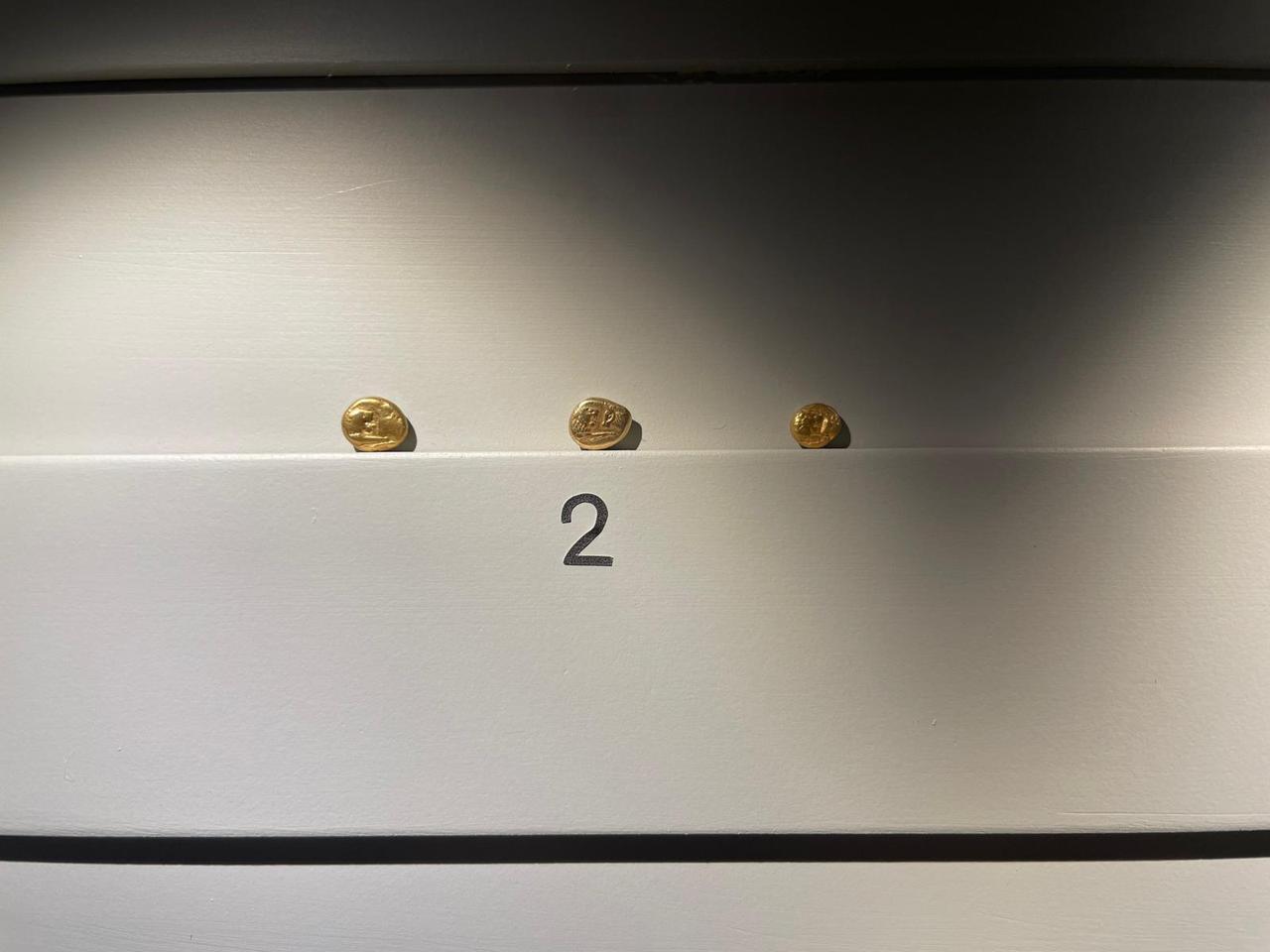
Because electrum varied in its gold and silver content, it proved unreliable for consistent exchange. To overcome this, authorities began issuing small, stamped pieces of fixed weight, effectively turning raw metal into standardized currency whose value was guaranteed by the issuing power.
Early examples included lion-head coins associated with the Lydian monarchy, some bearing inscriptions such as WALWET and KUKALIM. These coins circulated in multiple denominations, showing that they were used not only for large transactions but also for everyday economic activity.
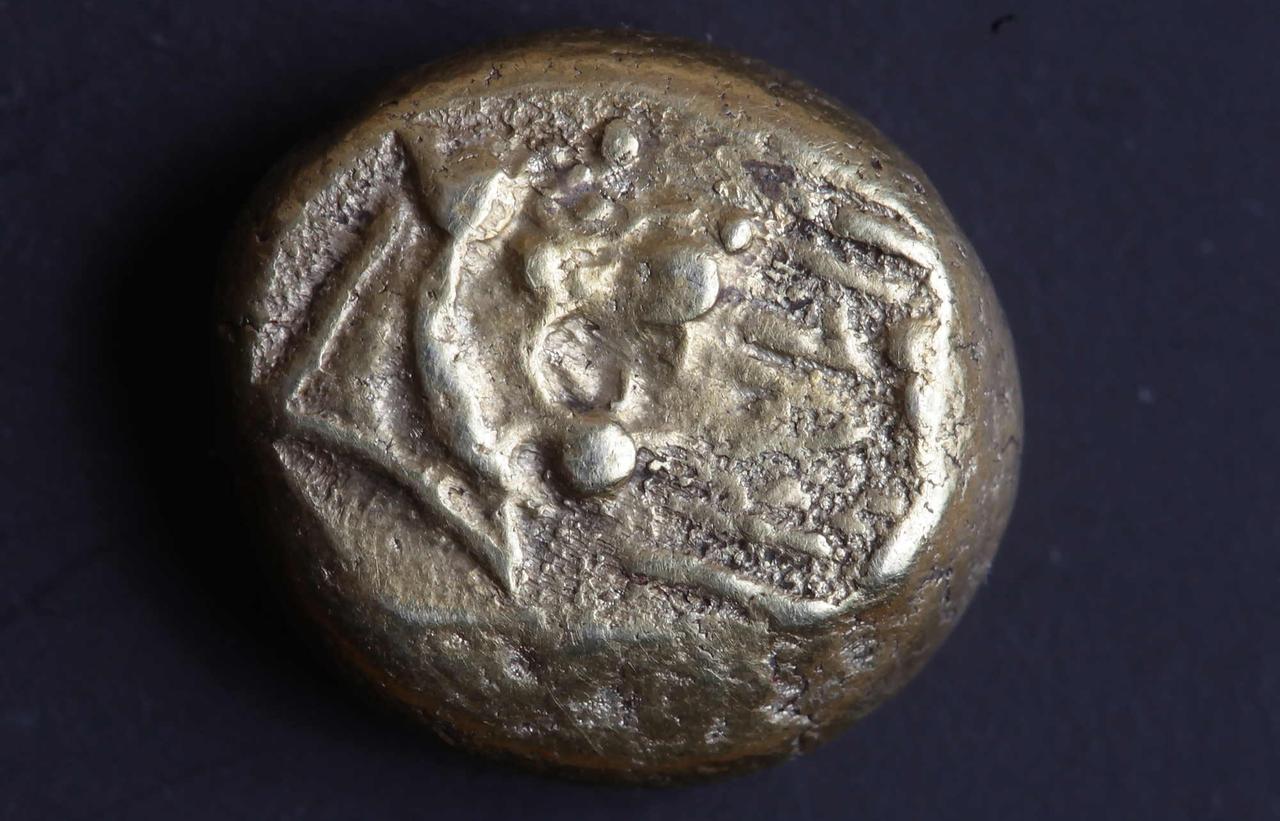
Around the mid-6th century B.C., King Croesus introduced a major reform by replacing electrum coinage with a bimetallic system of pure gold and pure silver. These coins, later known as Croeseids, marked a turning point by creating a more transparent and reliable monetary system.
The new coins featured a lion and a bull motif and circulated widely across the Aegean world, gaining recognition as an international trade currency. Their influence extended well beyond Lydia, reflecting the growing economic reach of Sardis.
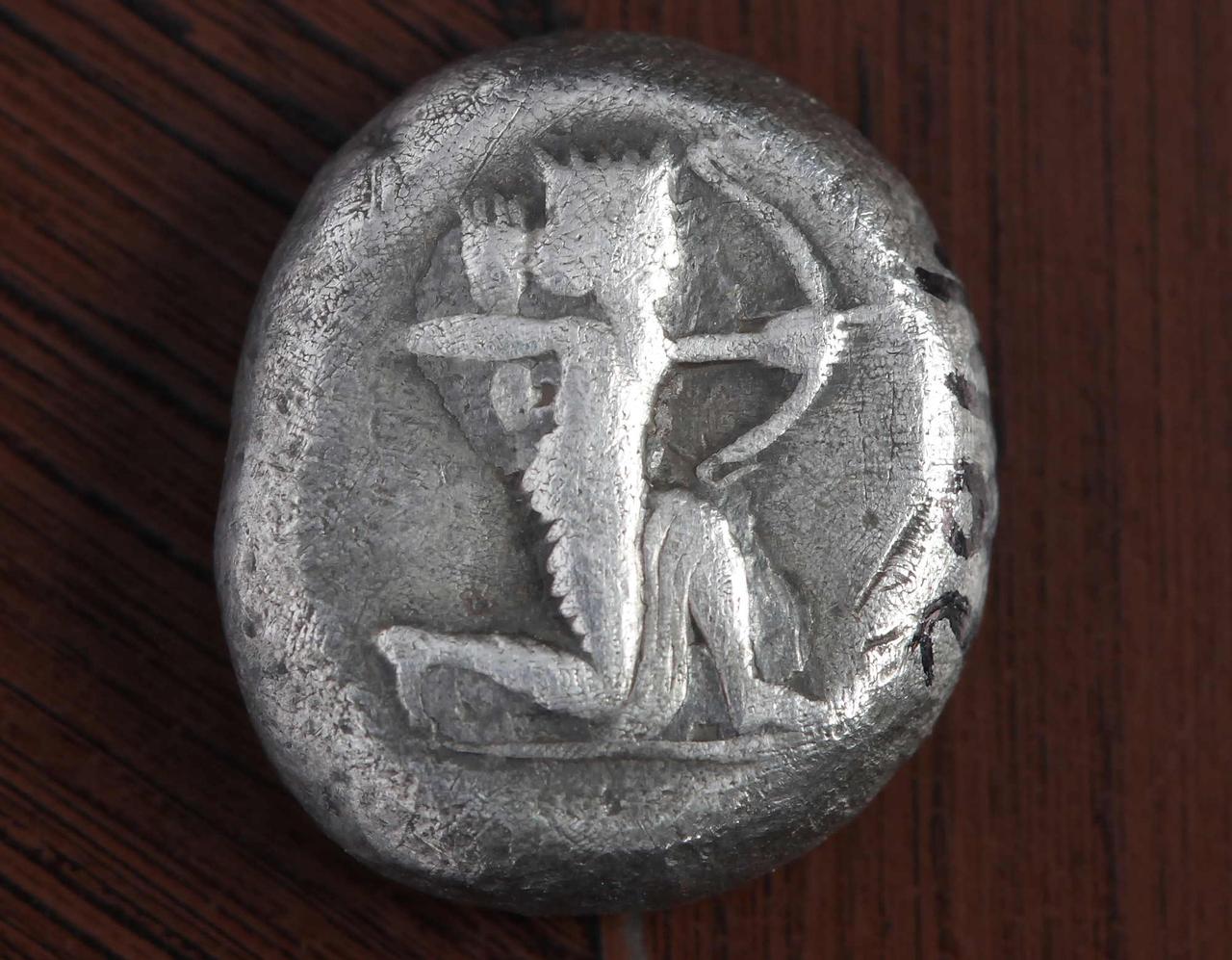
After Croesus was defeated by Cyrus the Great in the mid-6th century B.C., Sardis remained a major administrative and minting center under Persian rule. The established coinage system continued for several decades before being replaced by new coins bearing Persian royal imagery under Darius I.
Even then, Sardis maintained its role as a key minting center, producing coins through successive empires, including the Hellenistic and Roman periods, with its coinage tradition spanning nearly a thousand years.
Beyond coinage, Manisa Museum showcases a wide range of artifacts, including Kilia-type idol fragments from the Kulaksizlar Marble Workshop, conical rhytons, abrasive stones, bow-drill tips, a bronze Aphrodite figurine, glass unguentarium vessels, and a statue of Hestia.
The narrative continues into later centuries with sections dedicated to Ottoman traditions in Manisa, such as the governorship of princes, mesir paste culture, and Mevlevihane life.
Late Ottoman objects, including amulets, Quran cases, ink sets, and Surre pouches, offer further insight into daily life and cultural practices.
Designed with interactive elements such as LED screens, information panels, and reconstructions, the museum also includes a shop, cafeteria, children’s workshop, and multipurpose spaces, positioning itself as a comprehensive cultural center welcoming visitors of all ages.


 Set as preferred source
 Set as preferred source



 1 min read