Newsletters


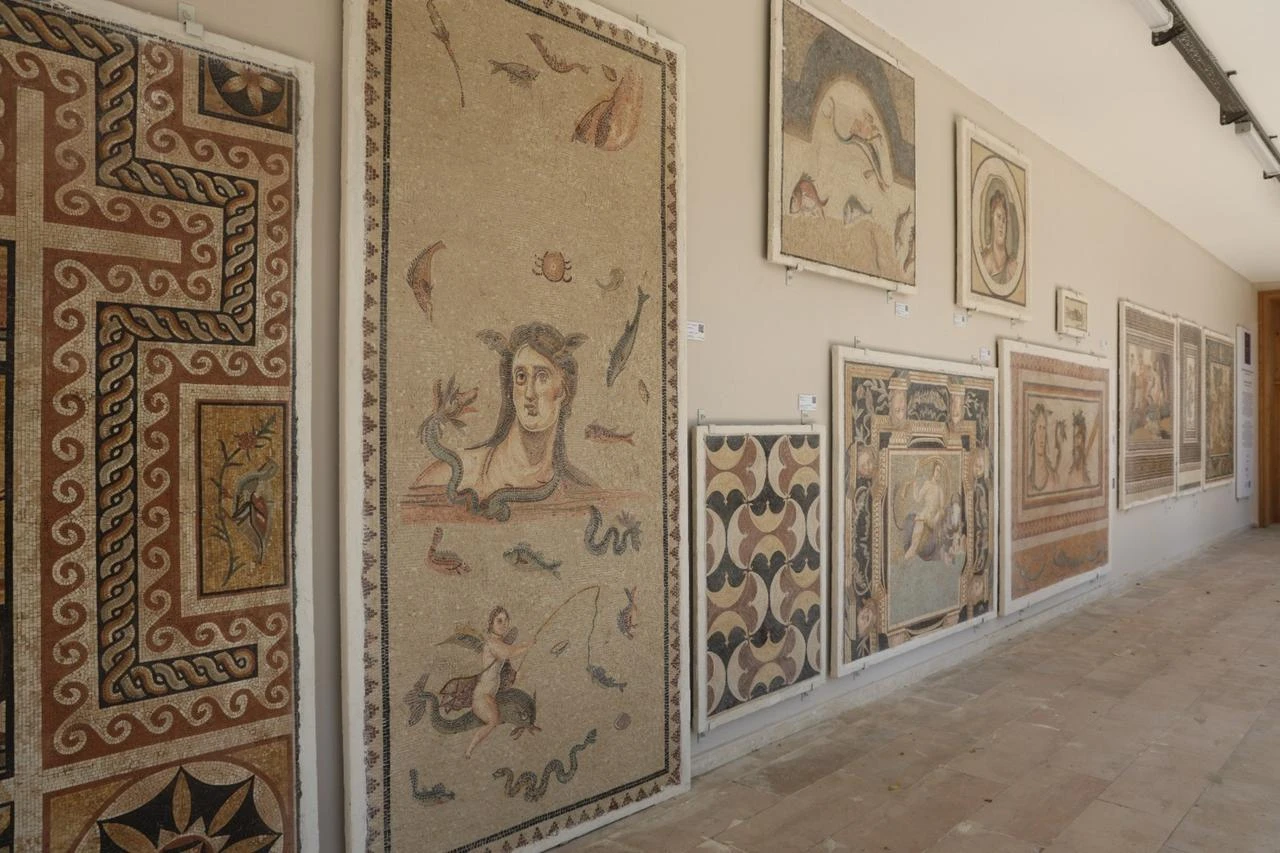


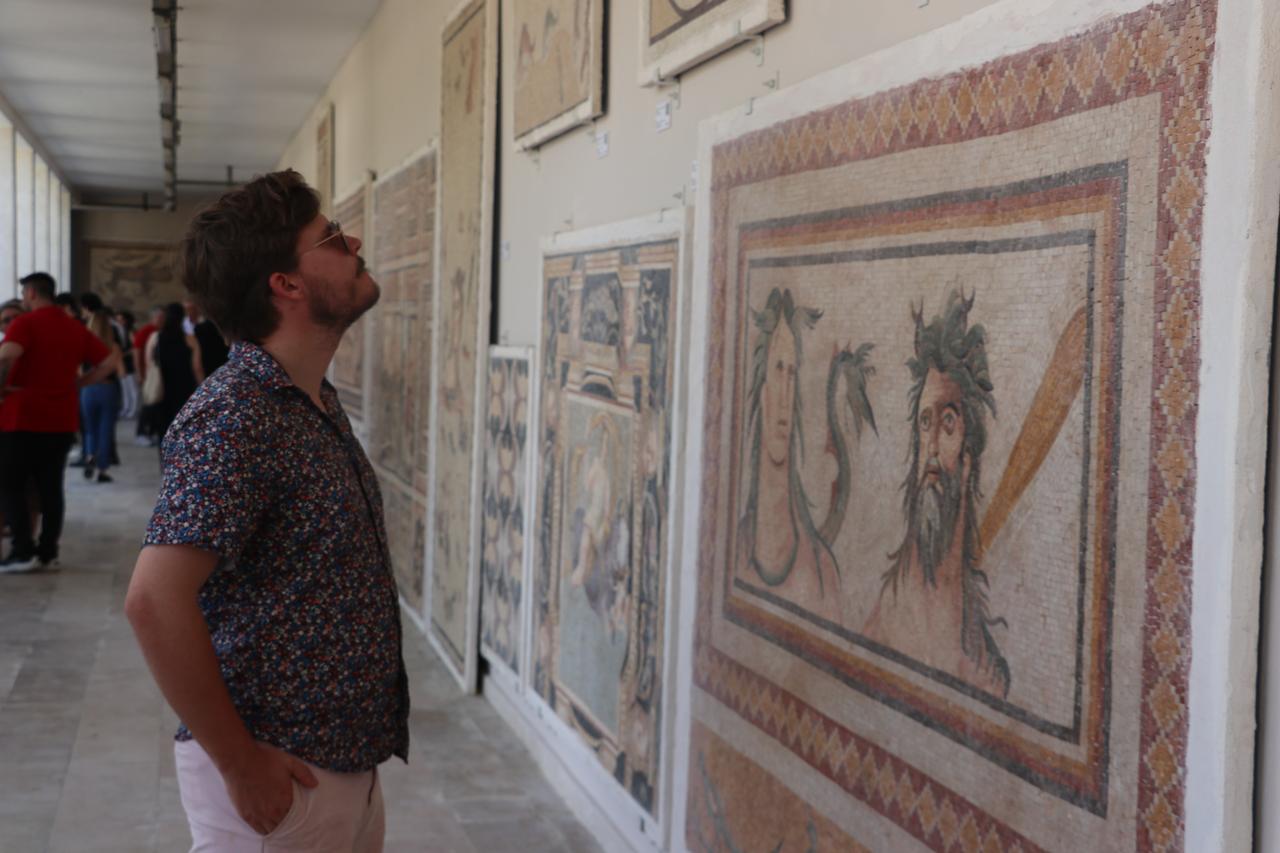
Replicas of 27 mosaics and two statues unearthed during archaeological excavations in Antakya and Daphne between 1932 and 1939 have gone on display in Hatay, bringing together works whose originals are now scattered across museums abroad.
The exhibition, titled "Antakya's Displaced Mosaics: Reuniting a Scattered Heritage," was put together by the Hatay Provincial Directorate of Culture and Tourism and the Antakya Art Museum Association and is being hosted at the Cemil Meric Provincial Public Library.
Organizers said the project aims to build up cultural awareness among local residents, particularly younger generations, while reconnecting present-day Antakya with archaeological works that were taken abroad after being uncovered in the region.
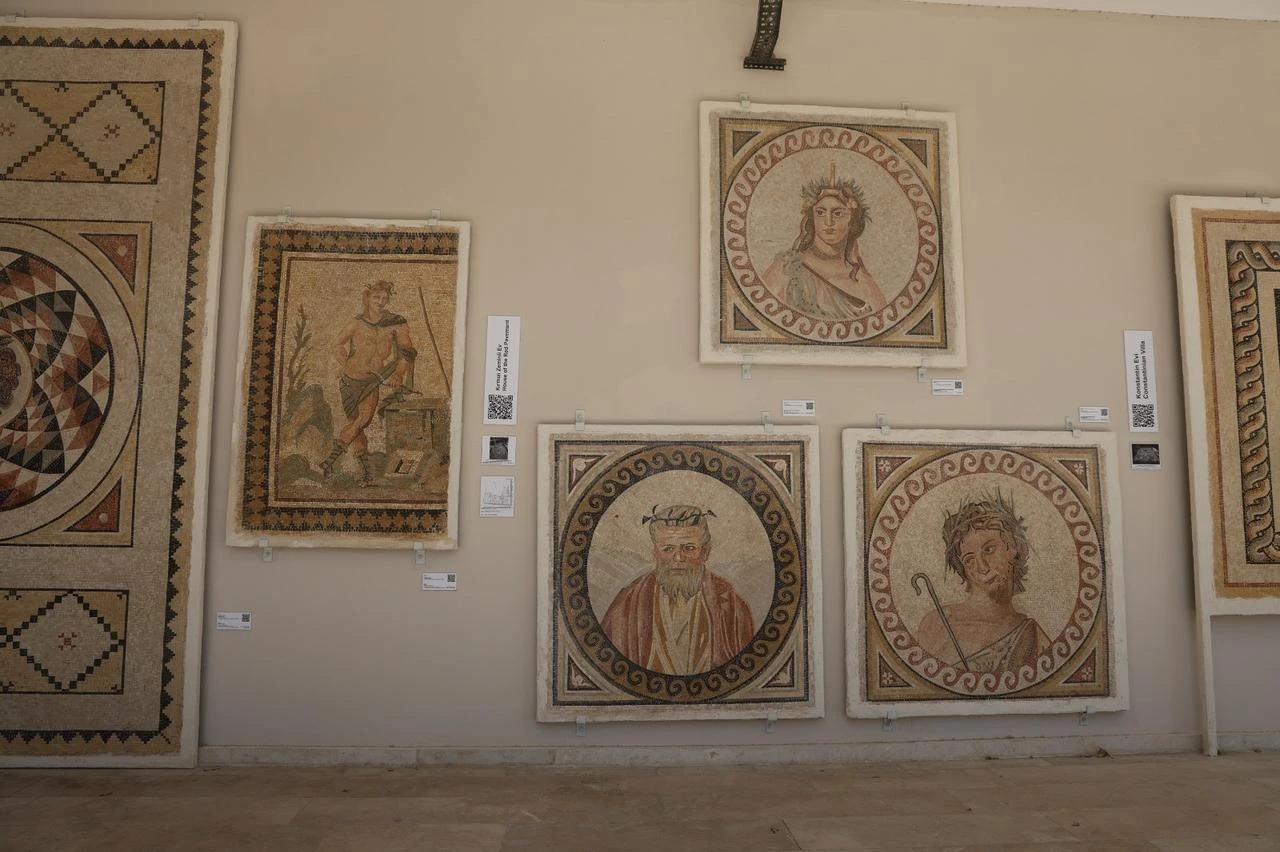

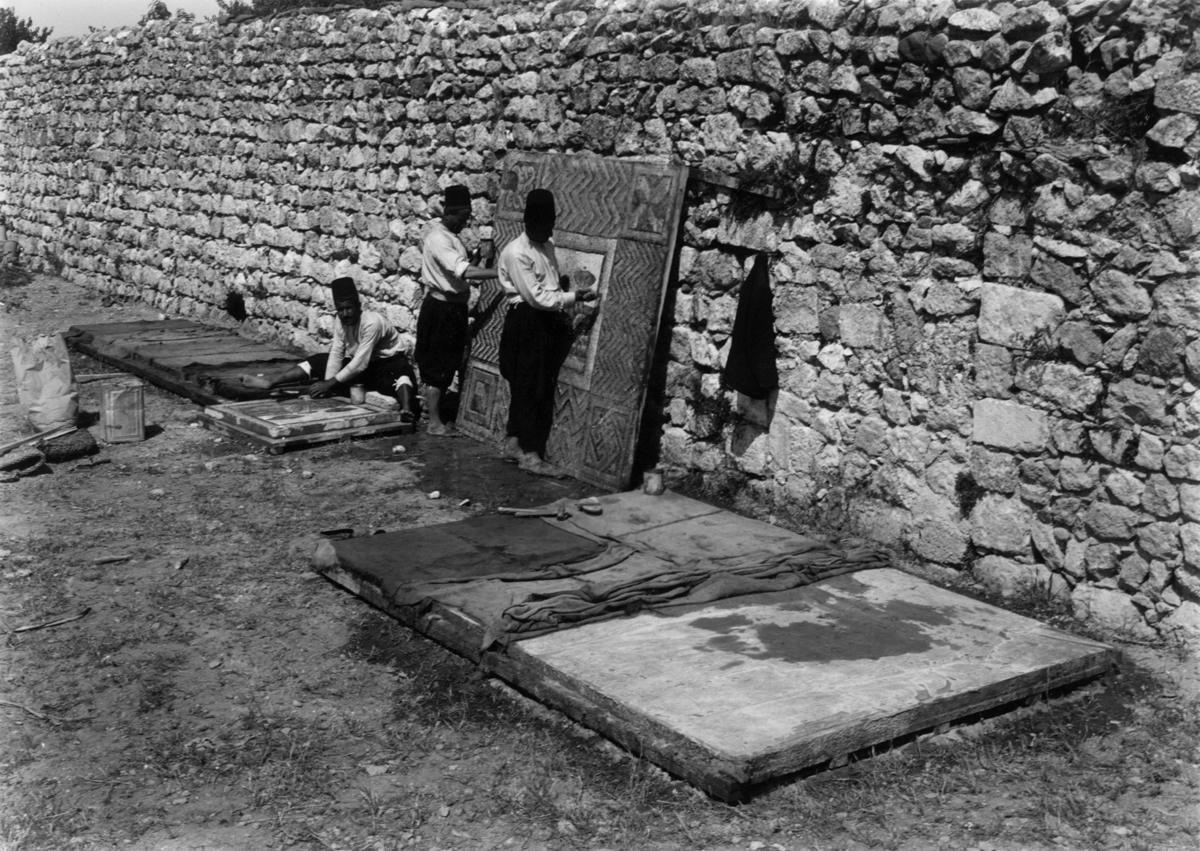
The story behind the exhibition goes back to archaeological campaigns carried out in Antakya, ancient Antioch, and nearby Daphne, now Harbiye, between 1932 and 1939, before Hatay joined Türkiye in 1939.
During that period, groups and universities carried out extensive excavations across the region, bringing to light ancient mosaics, sculptures and other archaeological material.
Among the institutions involved in the wider excavations were Princeton University, the Worcester Art Museum, the Baltimore Museum of Art and the Louvre Museum as part of the Committee for the Excavation of Antioch and Its Vicinity.
More than 300 mosaic pavements uncovered during the excavations were later published as a corpus, while many of the finds were distributed among museums and collections outside the region.
Today, works originating from Antioch and Daphne can be found in museums in different countries and cities, including the Louvre in Paris and the Baltimore Museum of Art.
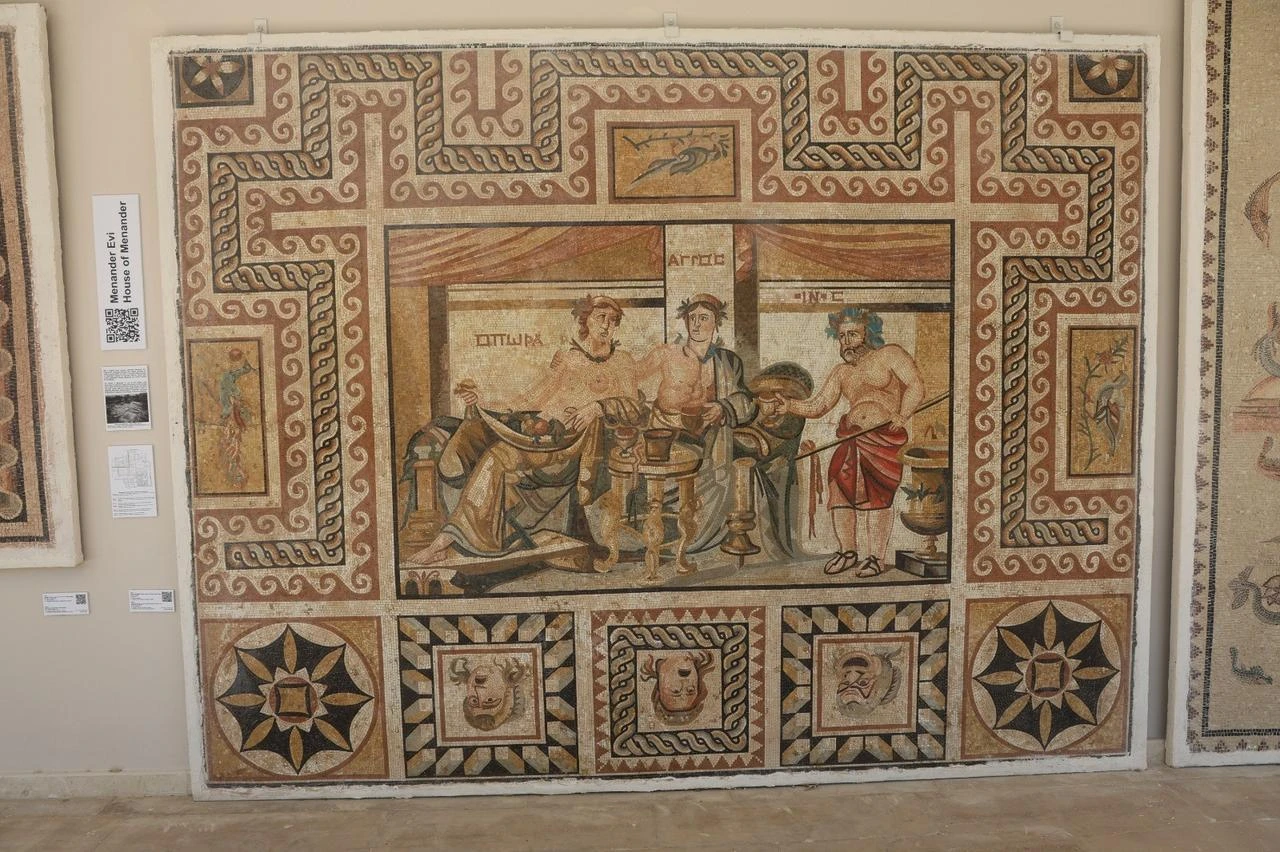
Among the best-known examples is the Judgment of Paris Mosaic, uncovered in 1932 in Antioch's Atrium House and held by the Louvre since 1936.
Dating to the first half of the second century A.D., the mosaic depicts the mythological Judgment of Paris, in which Paris must decide which of the goddesses Athena, Hera and Aphrodite is the fairest.
Other Antioch and Daphne mosaics now associated with the Louvre include the Kantharos and Birds Mosaic, Birds Mosaic, Okeanid Mosaic, Amazonomachy Mosaic, Phoenix Mosaic, Parrots Mosaic and Seasons Mosaic.
Several of these mosaics once covered the floors and courtyards of wealthy houses and villas, depicting mythological figures, animals, hunting scenes, seasonal allegories and aspects of daily and artistic life in antiquity.
Hatay Provincial Culture and Tourism Director Abdullah Dinc said the exhibition brings 27 replica mosaics and two replica statues together so that people in Hatay can see works whose originals are now displayed in museums abroad.
Dinc said the broader goal was to pass cultural heritage on to future generations, build cultural awareness among young people in Antakya and establish a link between the city's past and future.
He noted that the mosaics largely came from the floors of houses and villas in Antakya and Daphne and reflected the mythology, worldview and artistic aesthetics of their periods.
According to Dinc, the museums holding the originals identify their provenance as Antakya or Daphne, while scientific records also document where the works were uncovered.
He described Antakya as a city shaped by civilizations and a long tradition of coexistence, adding that restoration and conservation work is continuing across historical, archaeological and tourism sites damaged in the 2023 earthquakes.
The replica exhibition, meanwhile, allows local visitors to encounter in one place a selection of archaeological works whose originals have been spread across collections far beyond Hatay.


 Set as preferred source
 Set as preferred source


 1 min read
 1 min read