Newsletters


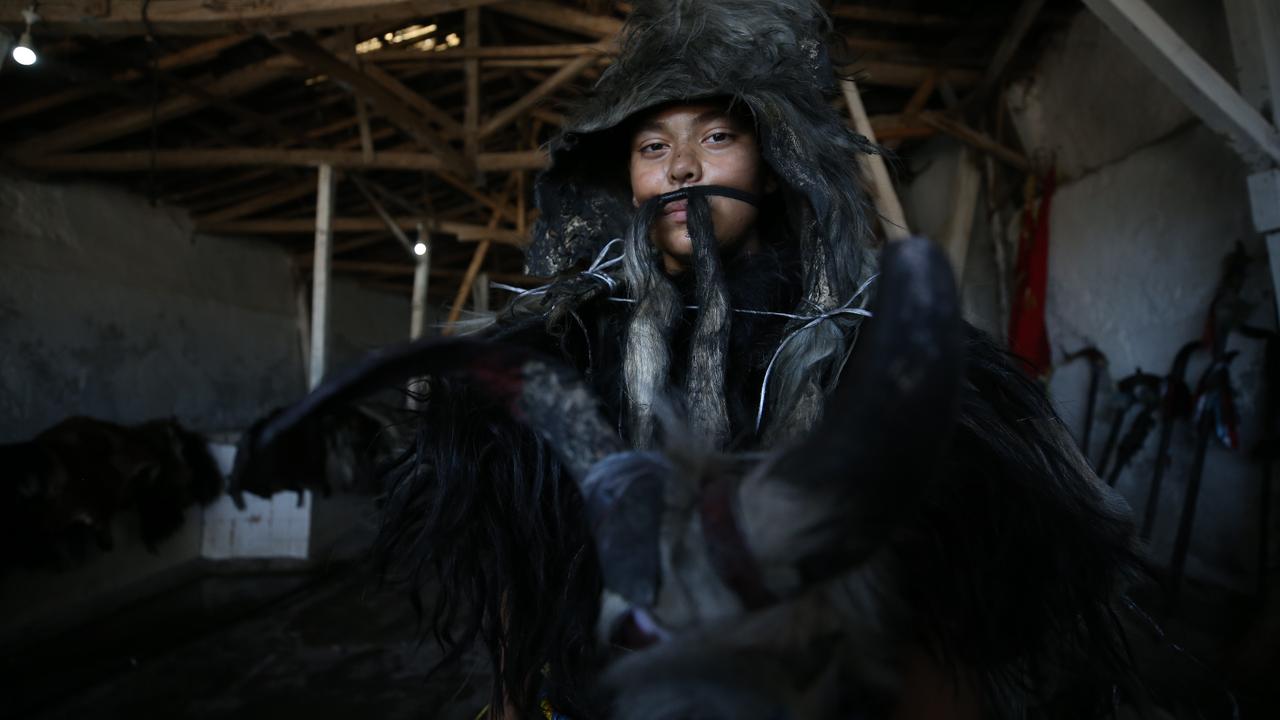
In Balikesir, a striking annual tradition known as "Tulutabak" continues to honor the tanners who once disguised themselves in frightening costumes to help drive Greek soldiers out of the city during Türkiye's National Struggle period.
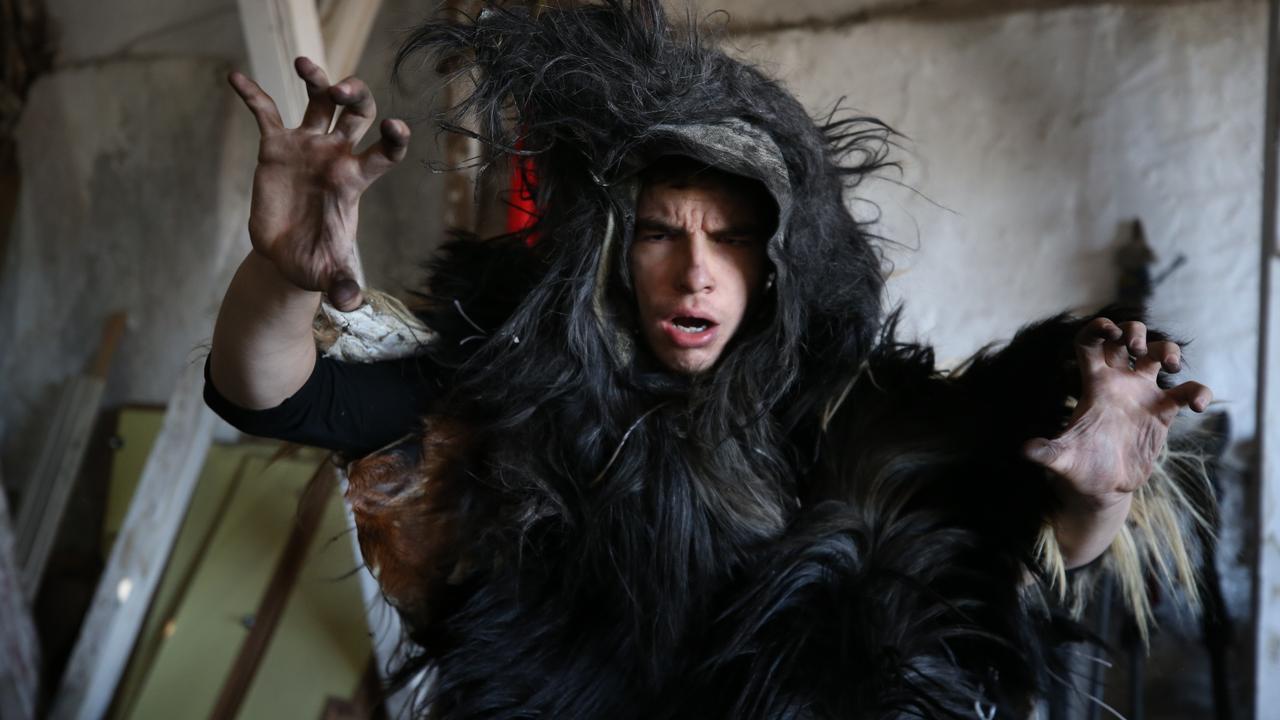
The performance takes its name from the terrifying appearance leather workers adopted more than a century ago, using chimney soot, animal hides, and makeshift accessories to intimidate occupying forces during a pivotal moment in the city's history.
Every year on Sept. 6, the anniversary of Balikesir's liberation, participants known as Tulutabaklar take to the streets in a tradition that has now continued uninterrupted for 104 years.
The event draws large crowds each year, with local residents standing alongside domestic and foreign tourists who travel to Balikesir specifically to witness the unusual and historically rooted spectacle.
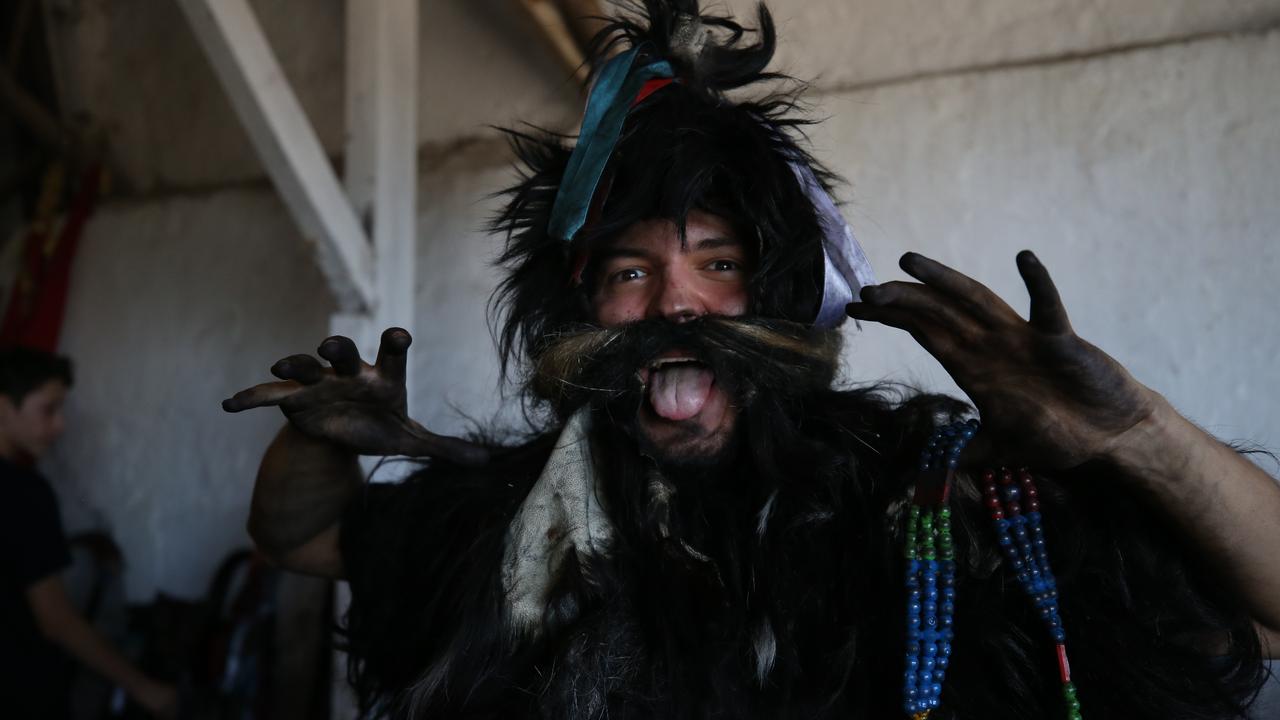
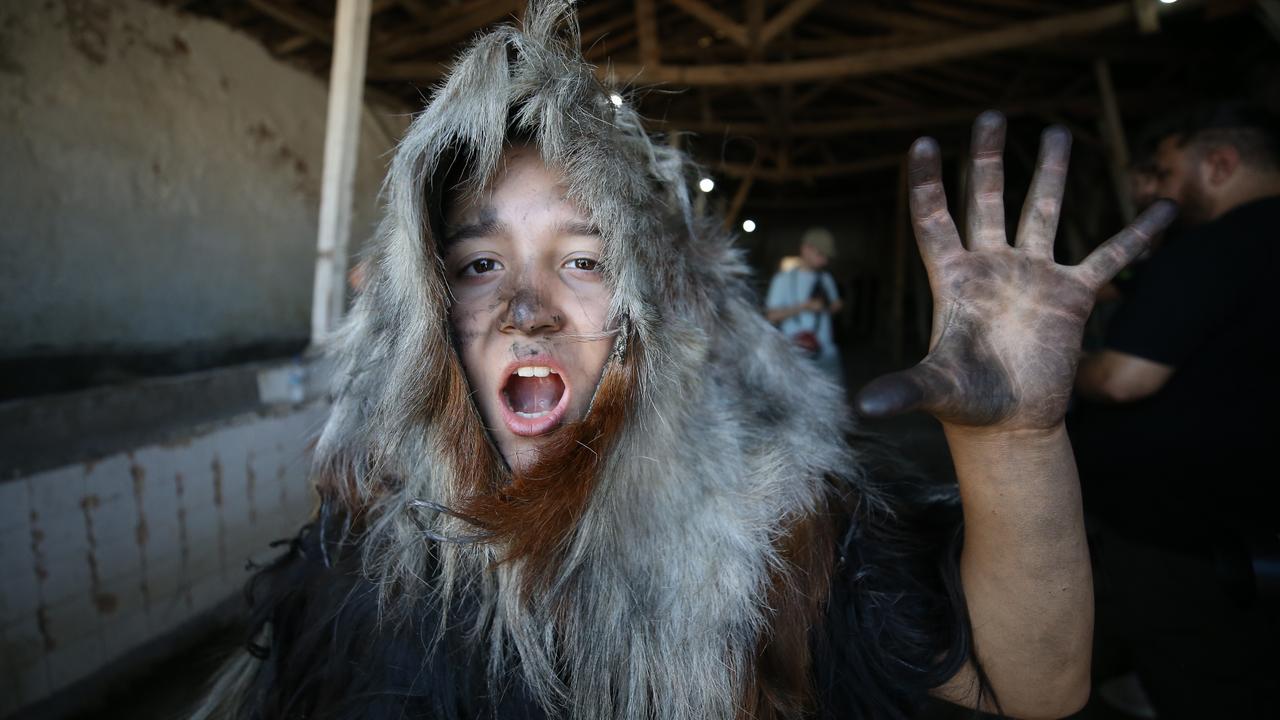
Preparations begin early in the morning, when participants gather near the city's traditional leather-processing workshops to mix chimney soot collected from simit bakeries with water, creating the thick black paste used to darken their skin.
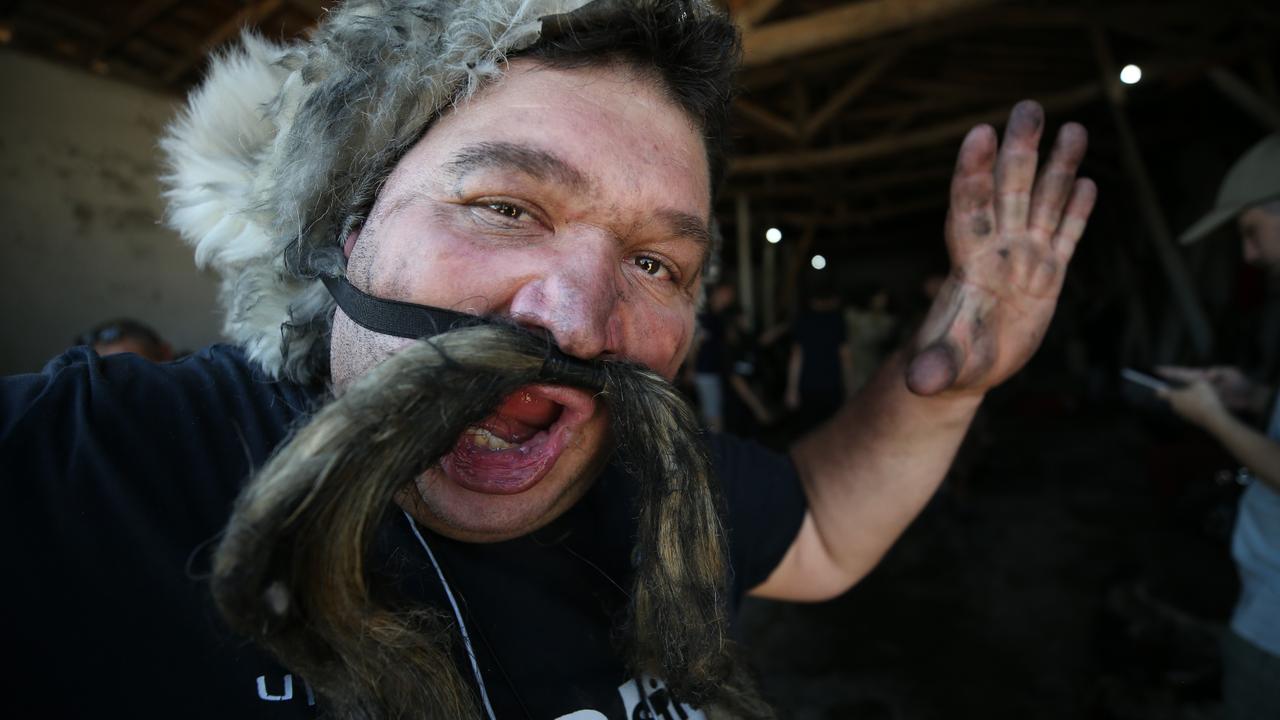
Once their faces, hands, arms, and legs are covered in soot, the men wrap themselves in sheep or goat hides, transforming their appearance almost entirely before stepping out to join the procession.
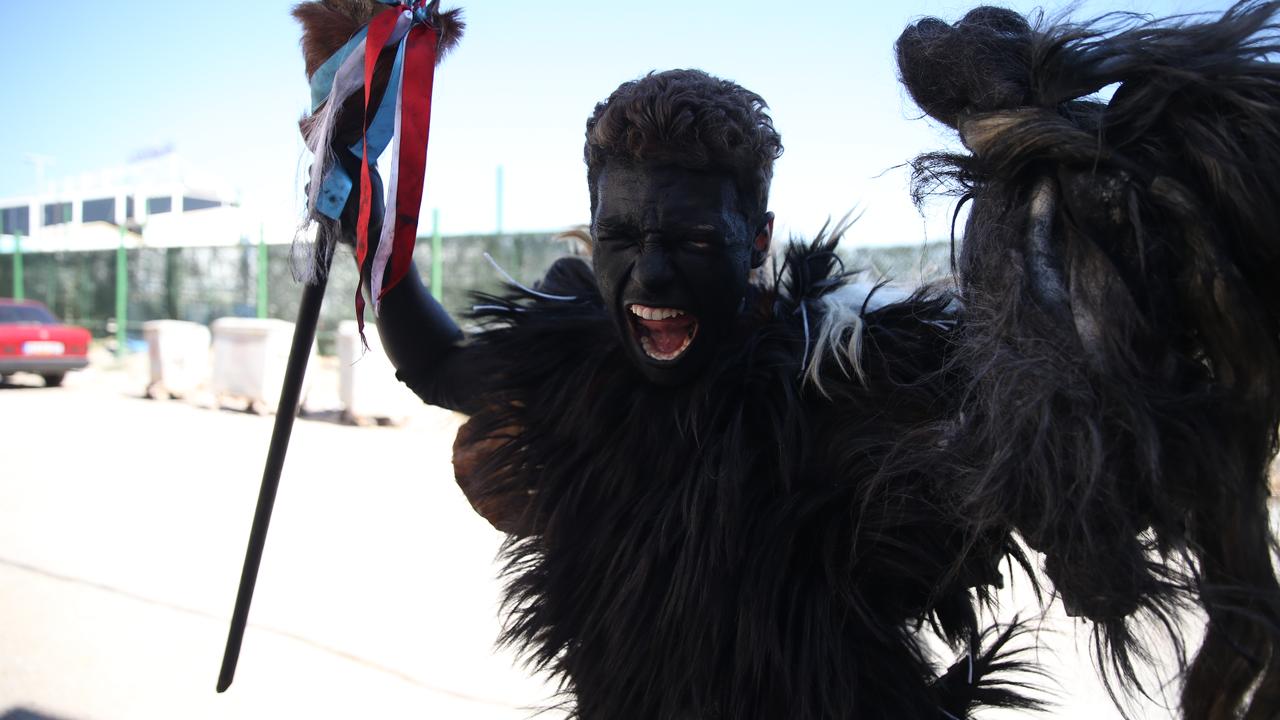
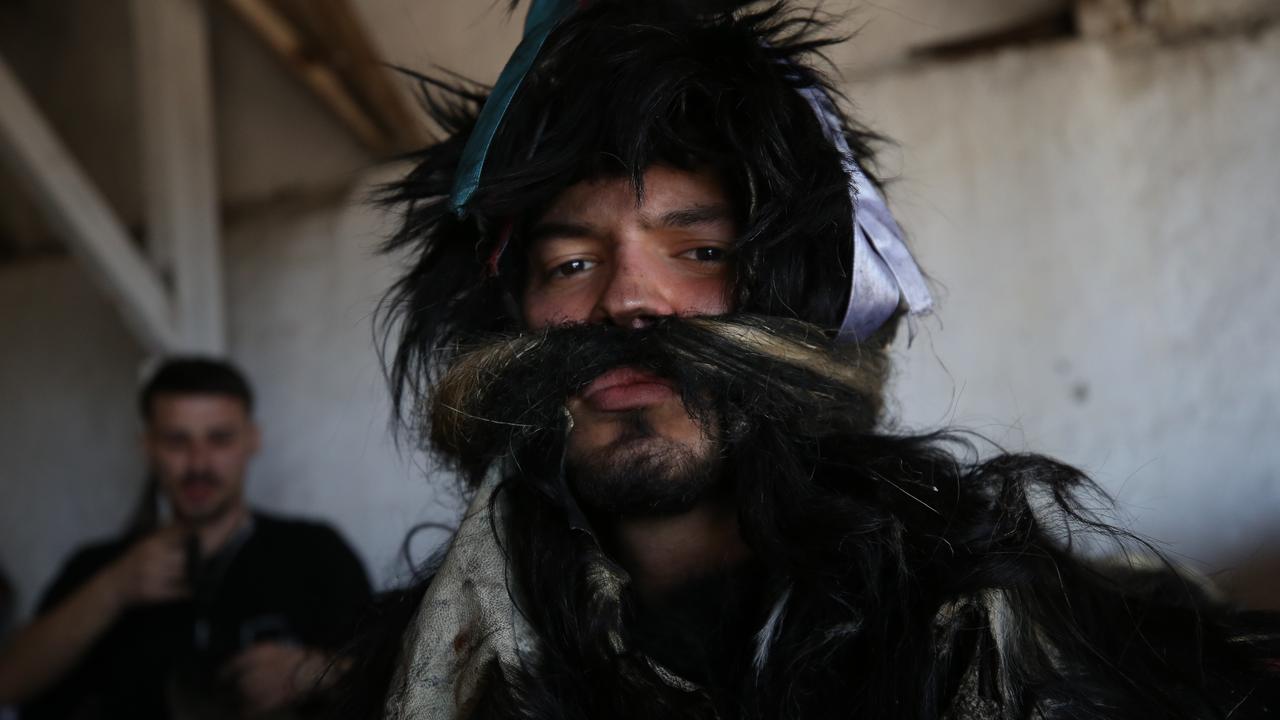
Additional details complete the disguise, including leather hats, bells worn around the neck, and horse or buffalo tails fastened on as mustaches, recreating the exact look tanners used generations ago to unsettle enemy soldiers.
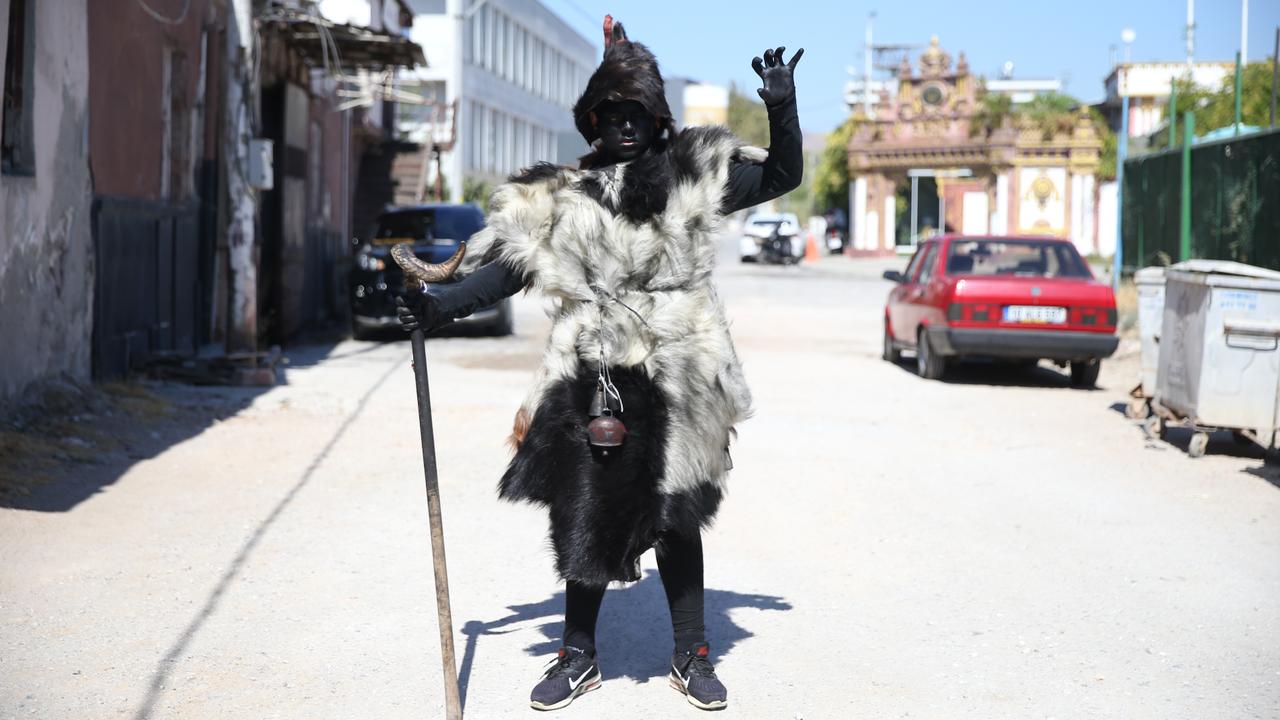
By the time their transformation is complete, many participants say they become unrecognizable even to themselves, a detail that underscores how convincing the costume was originally meant to be.
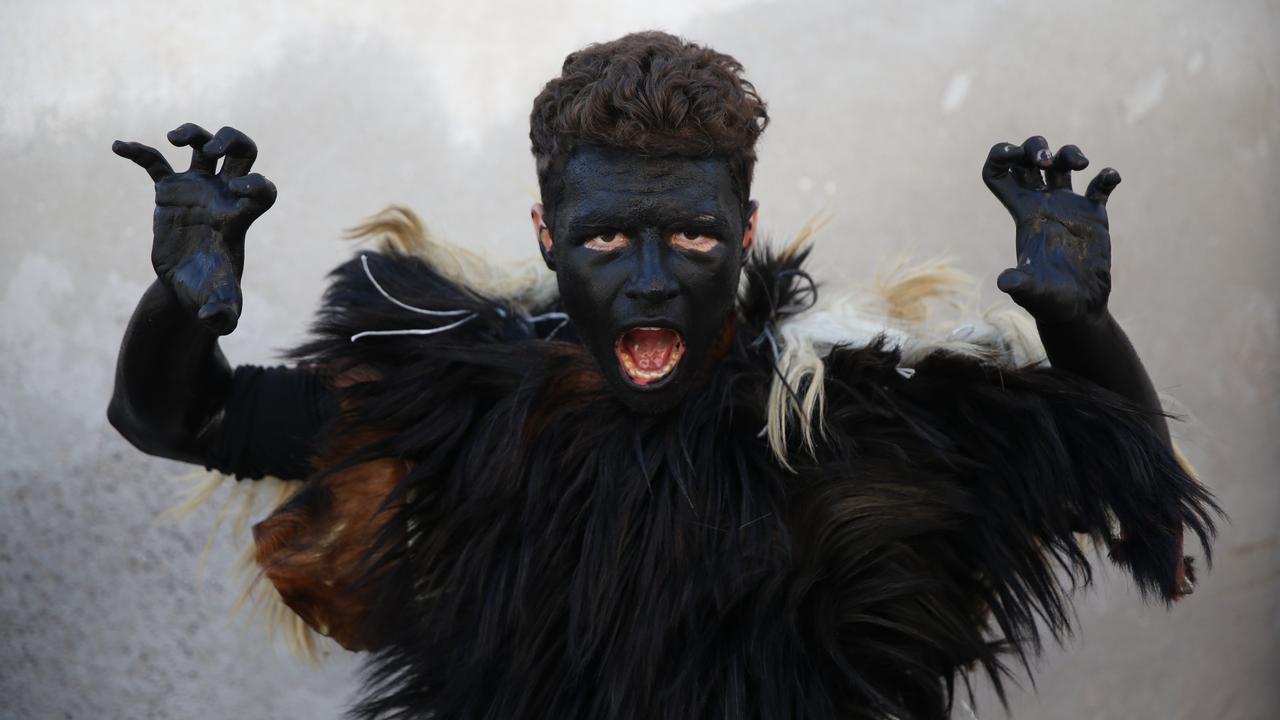
During the celebration, the Tulutabaklar interact playfully with the crowd, often smearing soot from their hands onto the faces of spectators who gather to watch the procession pass through the city.
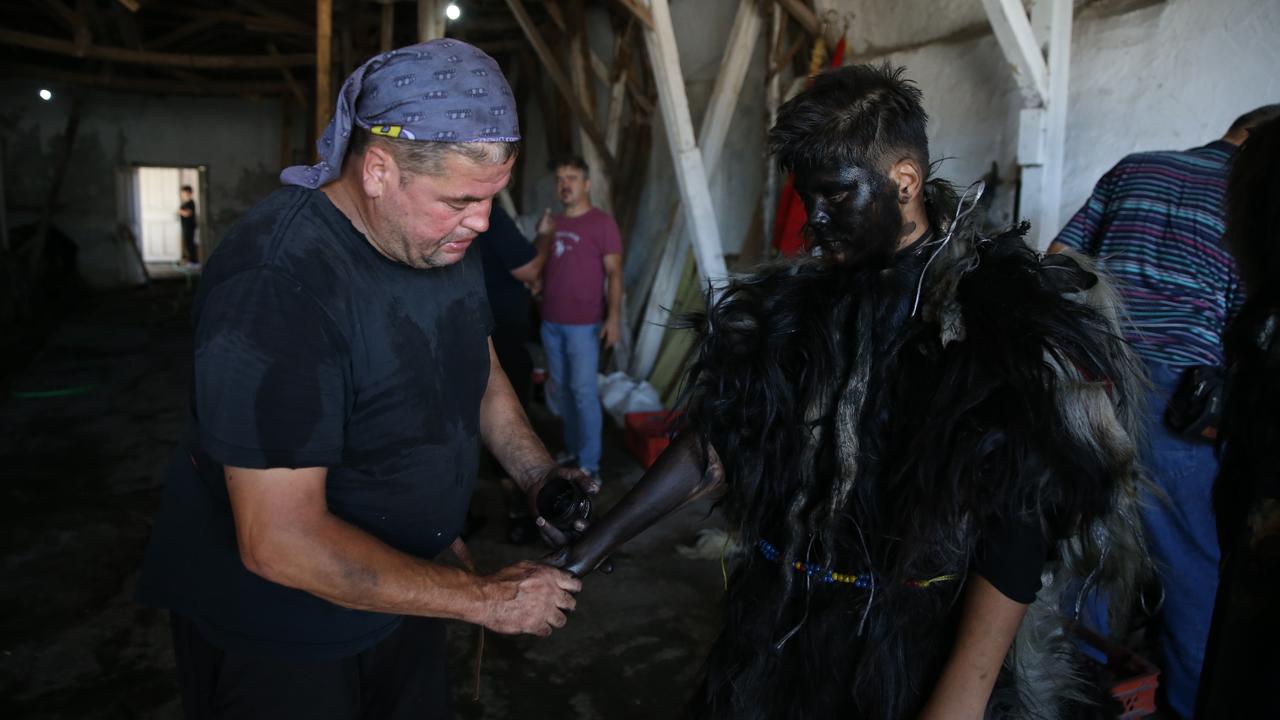
The group parades through the streets to the sound of drums and a traditional wind instrument called the zurna, following behind a horseback rider known as the "Tulukadi," who carries a pipe carved from cattle horn.
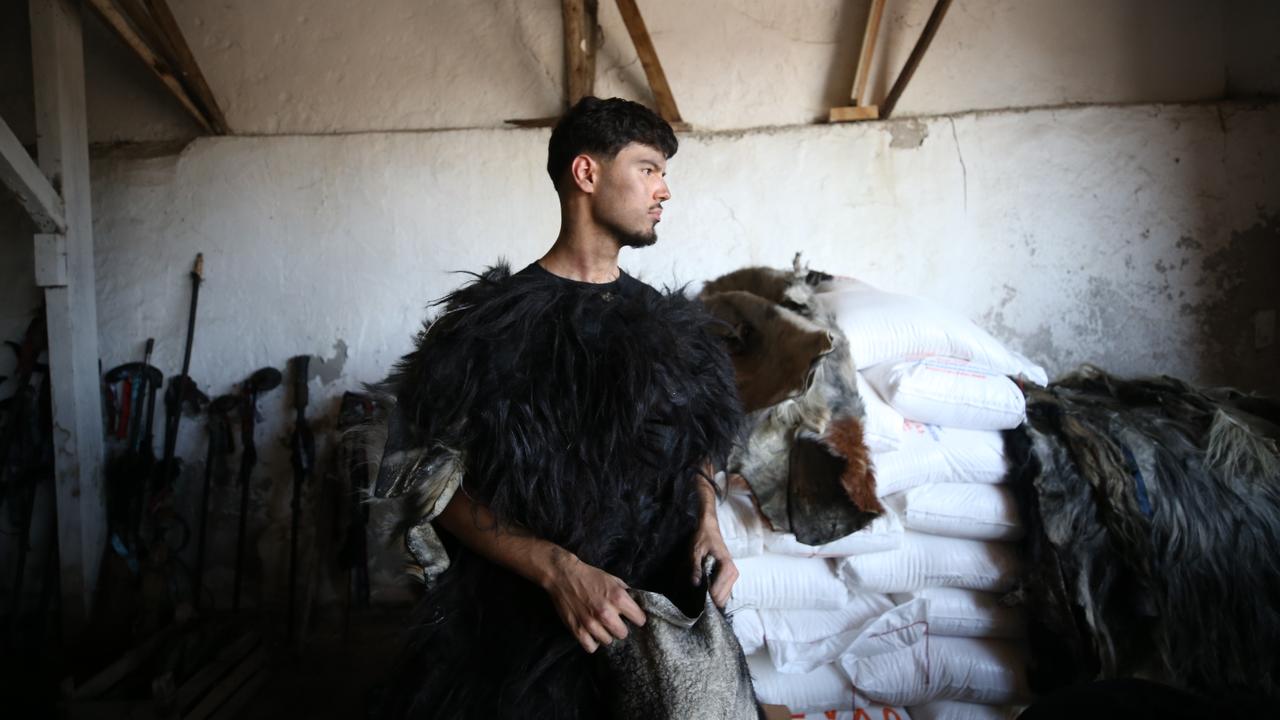
Many of today's participants have taken part in the tradition for years, describing a strong sense of pride in continuing a practice passed down from their grandfathers and ancestors within the city's historic tannery district.
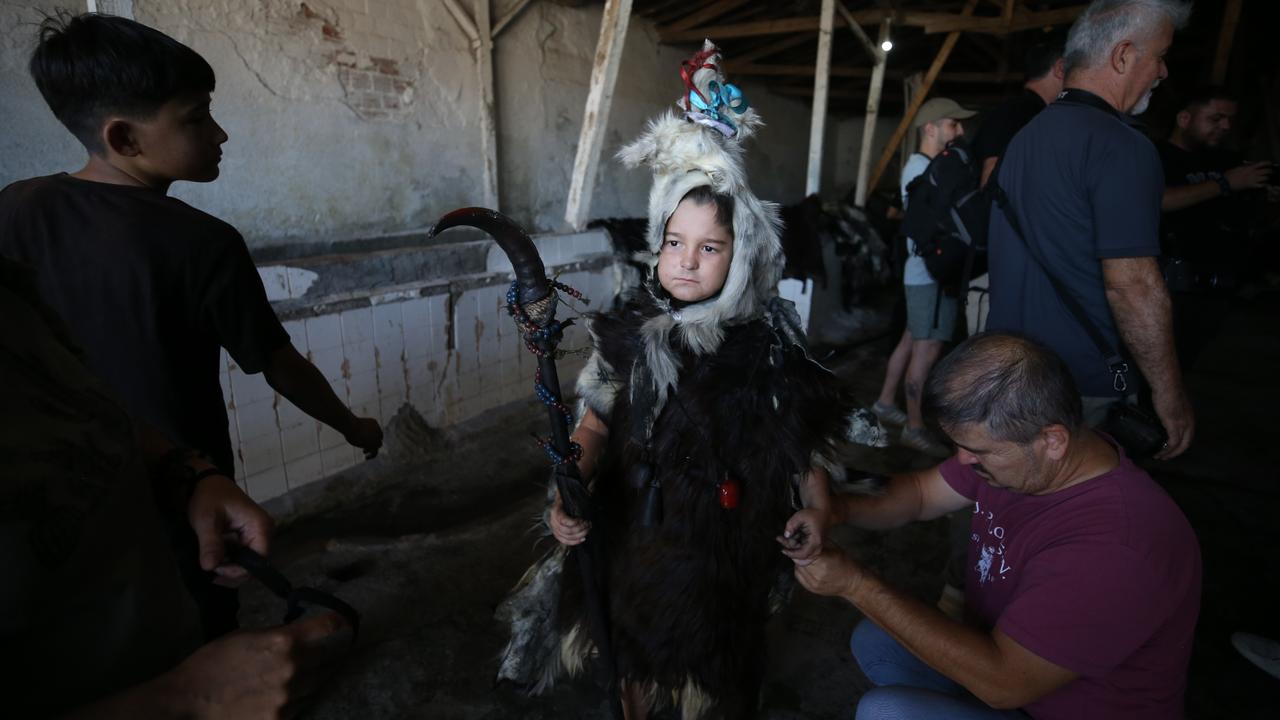
Younger residents have increasingly joined the tradition alongside older generations, helping ensure that the practice, once a wartime survival tactic, continues today as a symbol of community identity and historical memory.

 1 min read
 1 min read
 3 min read


 Set as preferred source