Newsletters


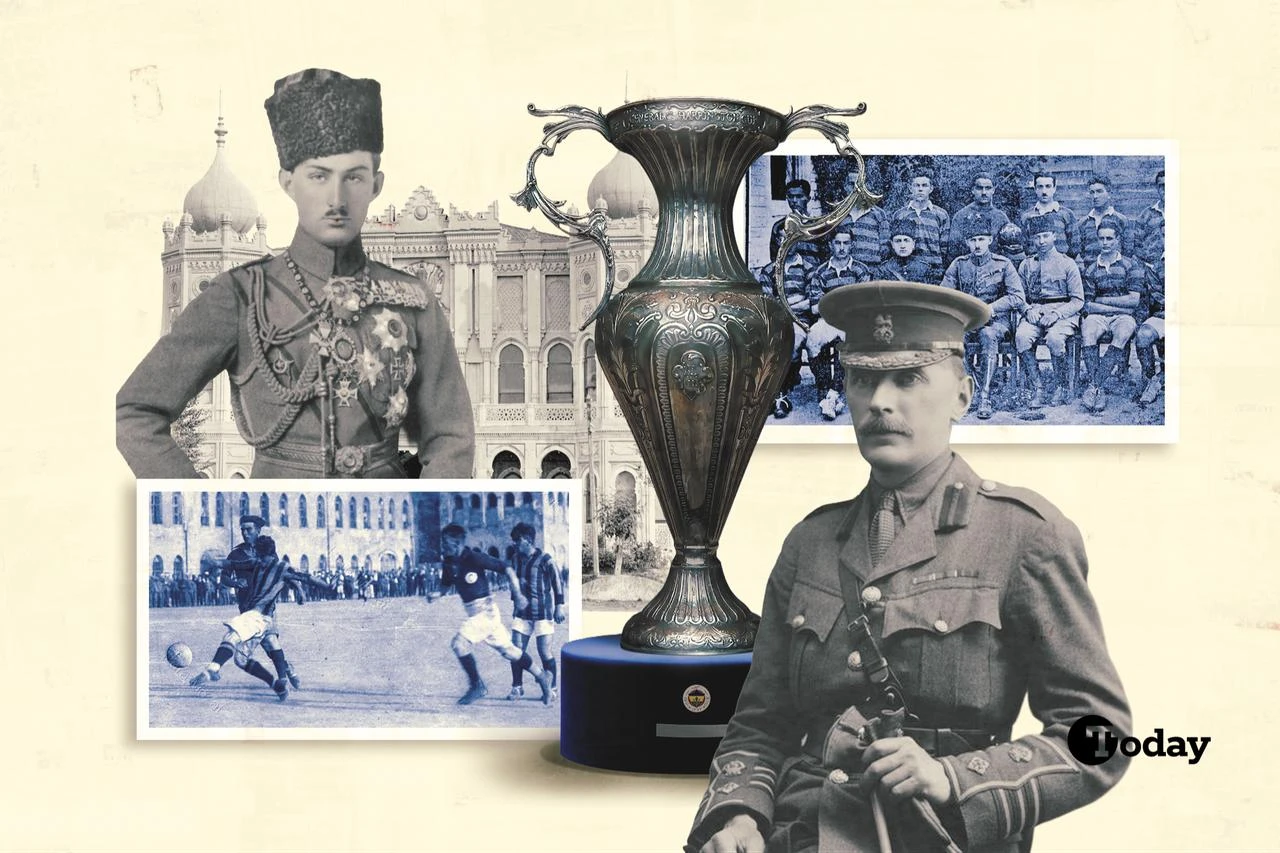


It was Friday, June 29, 1923. The late afternoon sun cast a golden glow over Taksim Stadium, bathing the former military parade ground in a warm haze. Crumbling stone walls, remnants of the Taksim Artillery Barracks, enclosed the football pitch, bearing the scars of a bloody revolt fought more than a decade before. Wooden stands, weathered and uneven, leaned against these bullet-marked walls, straining under the weight of a crowd packed shoulder to shoulder. Their voices rose and fell in expectant surges, swelling and breaking like waves upon the Bosphorus. Where once mud and dust had been churned beneath marching boots, a thick carpet of green now stretched across freshly painted white lines, as the match unfolded.
From the balcony reserved for dignitaries, a handsome Ottoman prince watched tensely from the edge of his seat.
The final whistle blew.
The explosion of euphoria reverberated through the stadium. Prince Omer Faruk Efendi sprang to his feet, all composure cast aside, his heart pounding. Below him, the players were lifted onto the shoulders of supporters, their shared triumph a resounding assertion of national pride after years of humiliation.
They had won. They had defeated the forces of occupation.
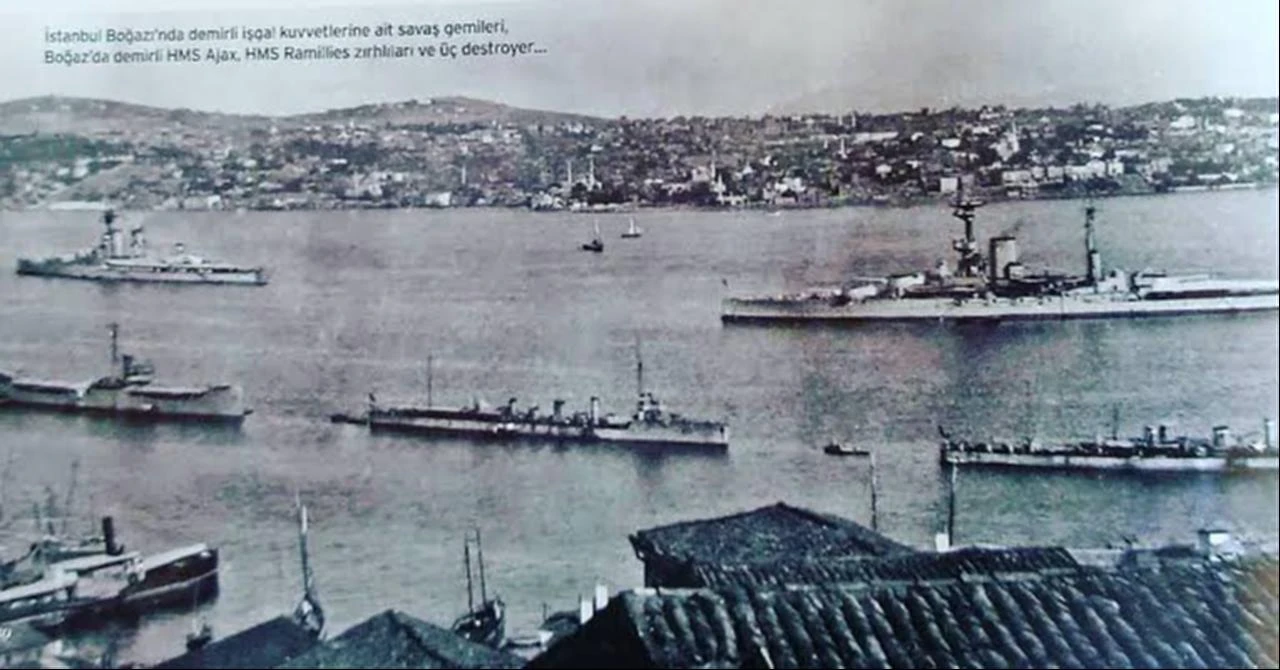

Since 1919, in the aftermath of the Ottoman defeat in the First World War, Allied forces had occupied Istanbul. The empire’s former imperial capital endured years of economic hardship, political uncertainty, and the daily reality of foreign occupation.
By 1923, the old order had all but collapsed. The Ottoman Sultanate had been abolished the previous November, and its last ruler, Mehmed VI Vahideddin, had departed into exile aboard a British warship. Though the Caliphate survived, entrusted to Abdulmecid II, father of Prince Omer Faruk, real authority now lay firmly with the nationalist government in Ankara.
Beyond the city, however, victory was within reach. The Turkish War of Independence had driven Greek forces from Anatolia and compelled the Allied powers back to the negotiating table. In Switzerland, talks were nearing their conclusion. The Treaty of Lausanne would soon formalize the end of the occupation and define the borders of the new Republic of Türkiye.
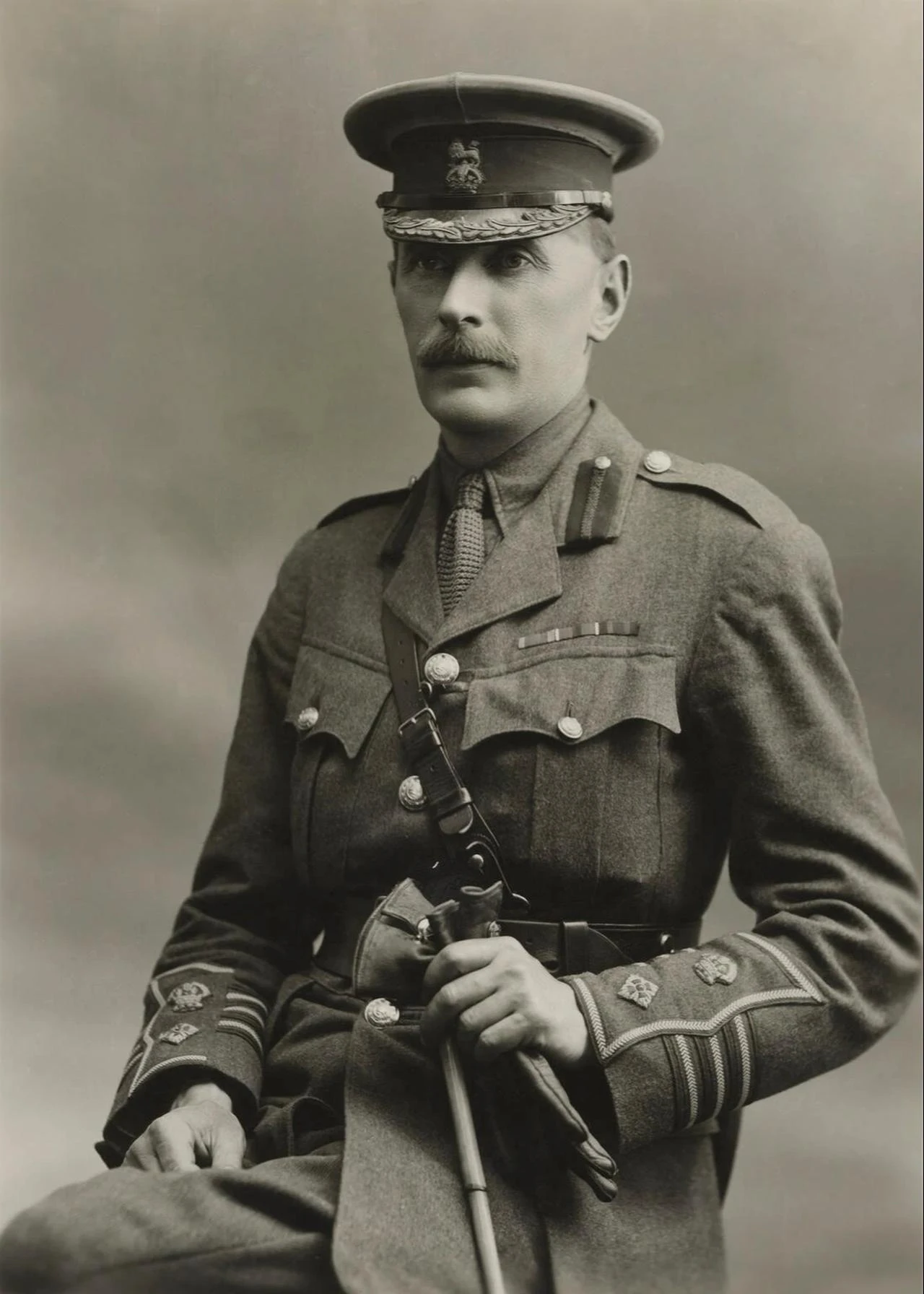
General Charles Harington, commander of the joint occupation forces in Istanbul, viewed the shifting political landscape with growing frustration. As the terms of the Treaty of Lausanne were drafted—terms that would bring the occupation to an end and force the complete withdrawal of Allied troops—he found himself obliged to carry out orders he opposed.
Yet Harington was determined that the Allied withdrawal would not be remembered as a retreat. Before leaving Istanbul, he sought one final opportunity to demonstrate the prestige and authority of the occupying powers.
Through the Istanbul press, he issued a public challenge to the city’s Turkish football clubs. The invitation was neither a diplomatic gesture nor farewell courtesy. It was a contest intended to showcase the prowess of British sport. His opponents would face the “Joint Guards,” a carefully selected side drawn from the finest footballers within the regiments of the Grenadier Guards, Coldstream Guards and Irish Guards.
As the Allied presence in Istanbul approached its end, Harington believed the match would serve as a final reminder of Britain’s standing. Instead, it would deliver a very different message.
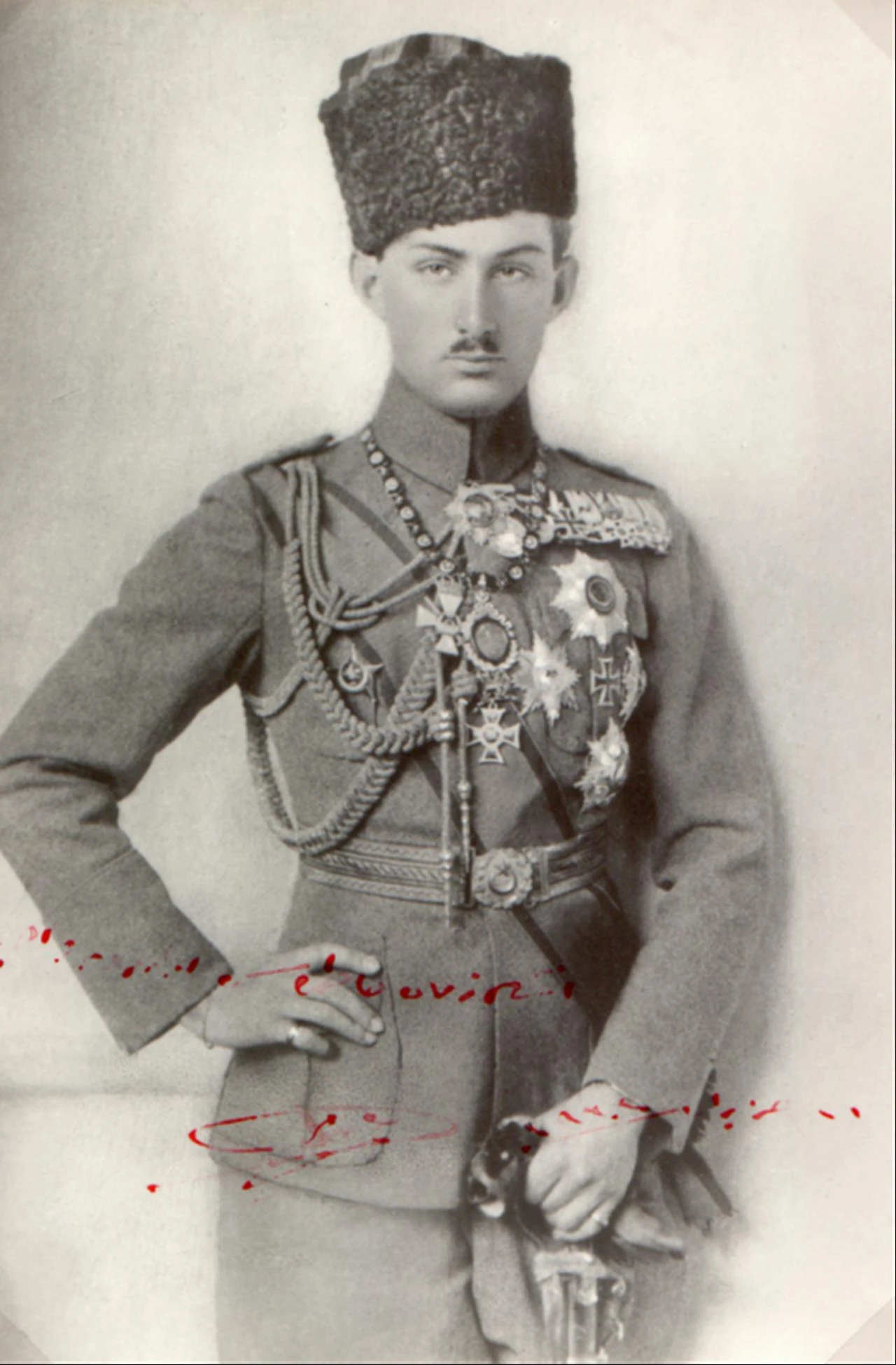
Fenerbahce football club, a beacon of Turkish resilience during the occupation, accepted Harington’s challenge without hesitation.
For the club’s president, Prince Omer Faruk Efendi, and for its players and supporters, the match was far more than a football fixture. It was a chance to confront the occupying forces on the field of play.
The prince himself had attempted to fight in the Turkish War of Independence, slipping away from his heavily guarded residence in Istanbul and traveling to Samsun in order to join the struggle. Much to his frustration, Mustafa Kemal Pasha refused his sword and told him to return to Istanbul.
Yet the club he led played an invaluable role. During the occupation, Fenerbahce members helped transport arms and ammunition to Anatolia in support of the nationalist cause. Some players even traveled to and from the front lines to fight in between matches. British authorities eventually discovered the club’s activities and raided its premises, but repeatedly failed to uncover the evidence they sought.
This was never simply a match.
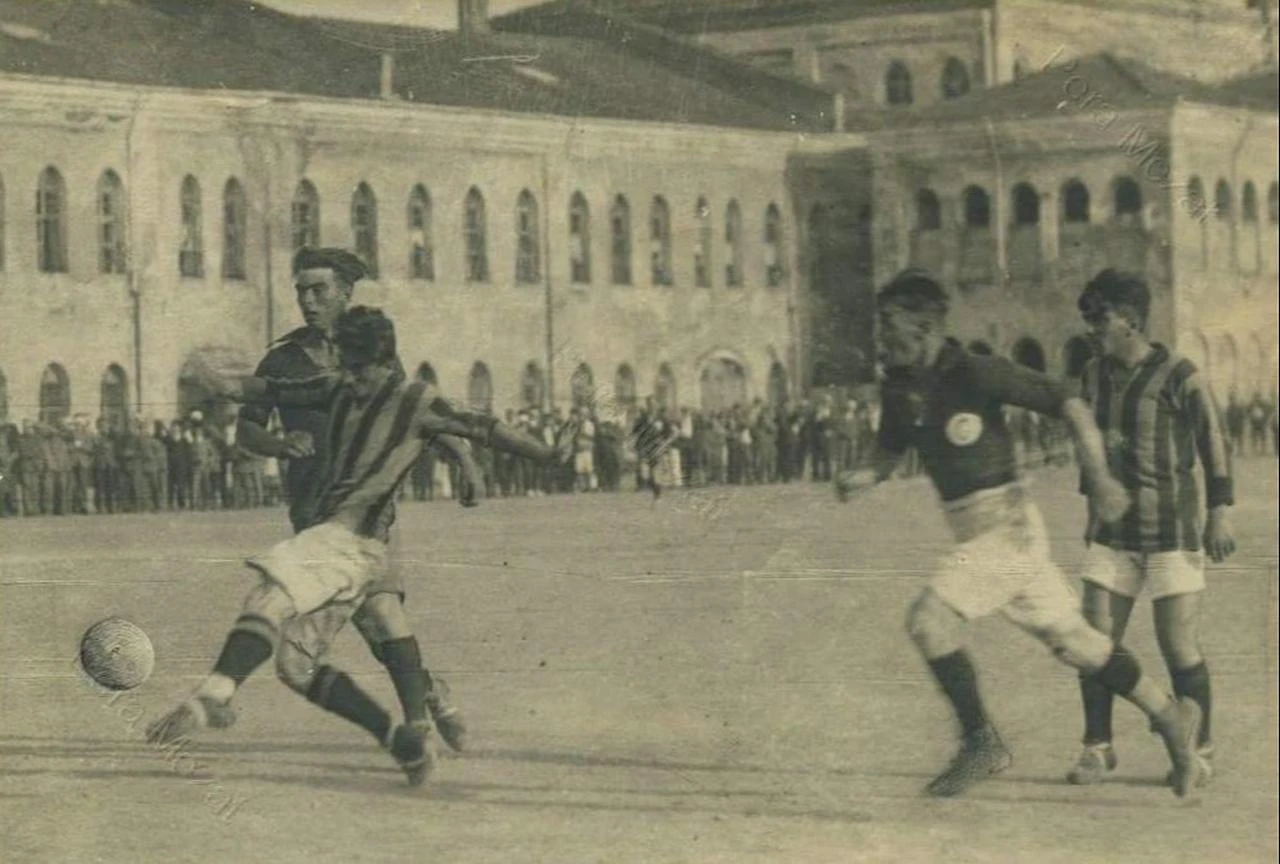
The Joint Guards struck first, an early goal from the Chelsea left-winger Willie Ferguson cutting through the Turkish defense and briefly silencing the crowd. Yet Fenerbahce, in their daffodil-yellow and navy striped shirts, refused to yield.
Their persistence and determination were rewarded in the 61st minute when Zeki Riza Sporel scored the equalizer, and the stadium erupted. Thirteen minutes later, he struck again, his left-footed finish finding the net and securing the team’s place in both club and national folklore.
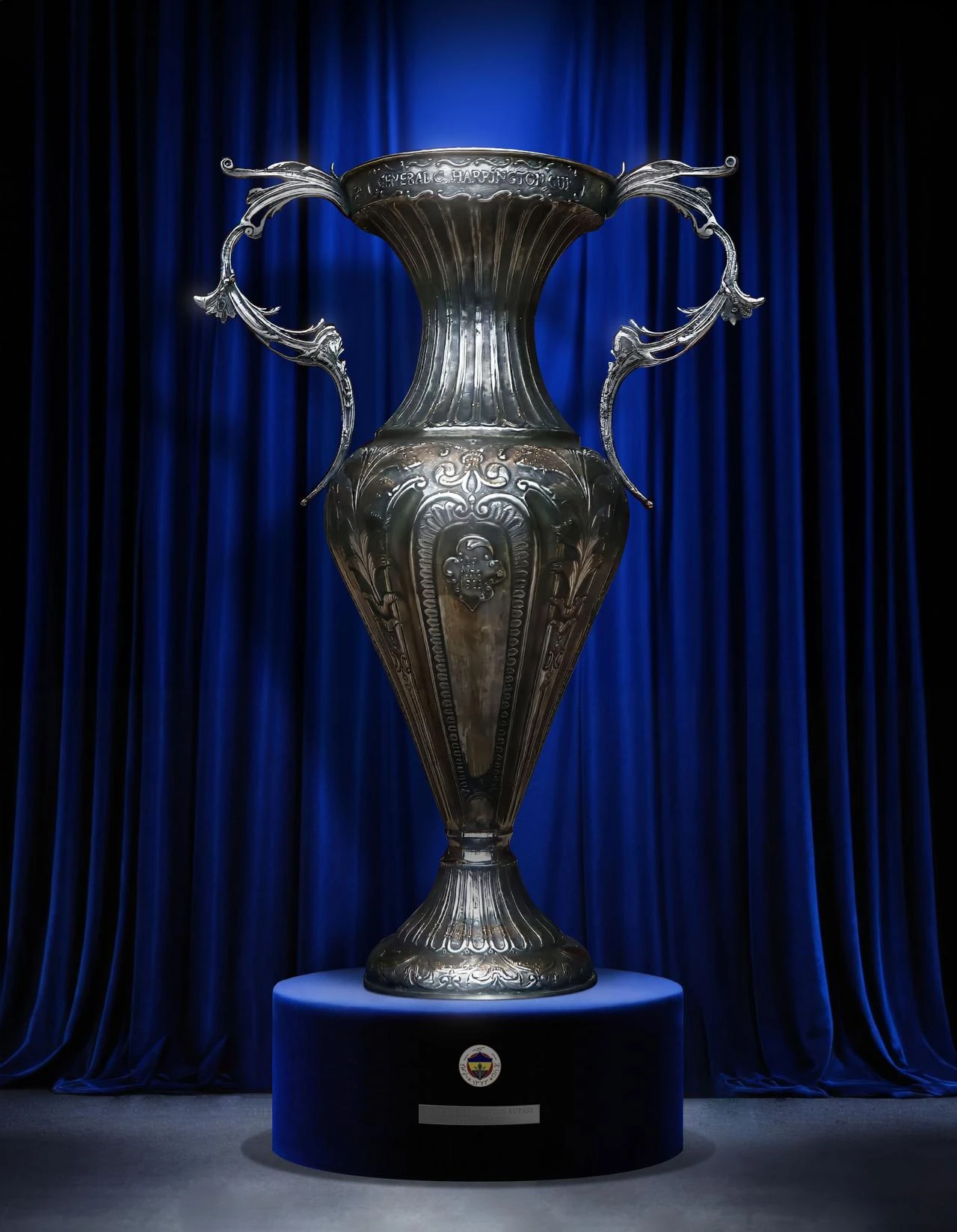
General Harington presented Fenerbahce captain Hasan Kamil Sporel, the brother of the match winner, with a striking one-meter-tall silver trophy amid scenes of great jubilation. It can still be seen today in the club’s museum, having survived a fire that destroyed its old premises in 1932.
Taksim Stadium no longer exists. The Artillery Barracks within which it stood were demolished in 1940, making way for Taksim Square and Gezi Park. Yet with a little imagination, it is not hard to picture the wooden stands, the crush of bodies, the roar of the crowd; the players in yellow and navy shirts refusing to yield, and above them, on a balcony overlooking the pitch, Prince Omer Faruk Efendi, leaning forward in his seat.
At a time when football is a global spectacle, I invite you to remember that June afternoon in 1923, when a nation stood against occupation and forged its path towards independence.
Until we meet again in the next Sultan’s Salon…


 Set as preferred source
 Set as preferred source


 2 min read
 1 min read