Newsletters


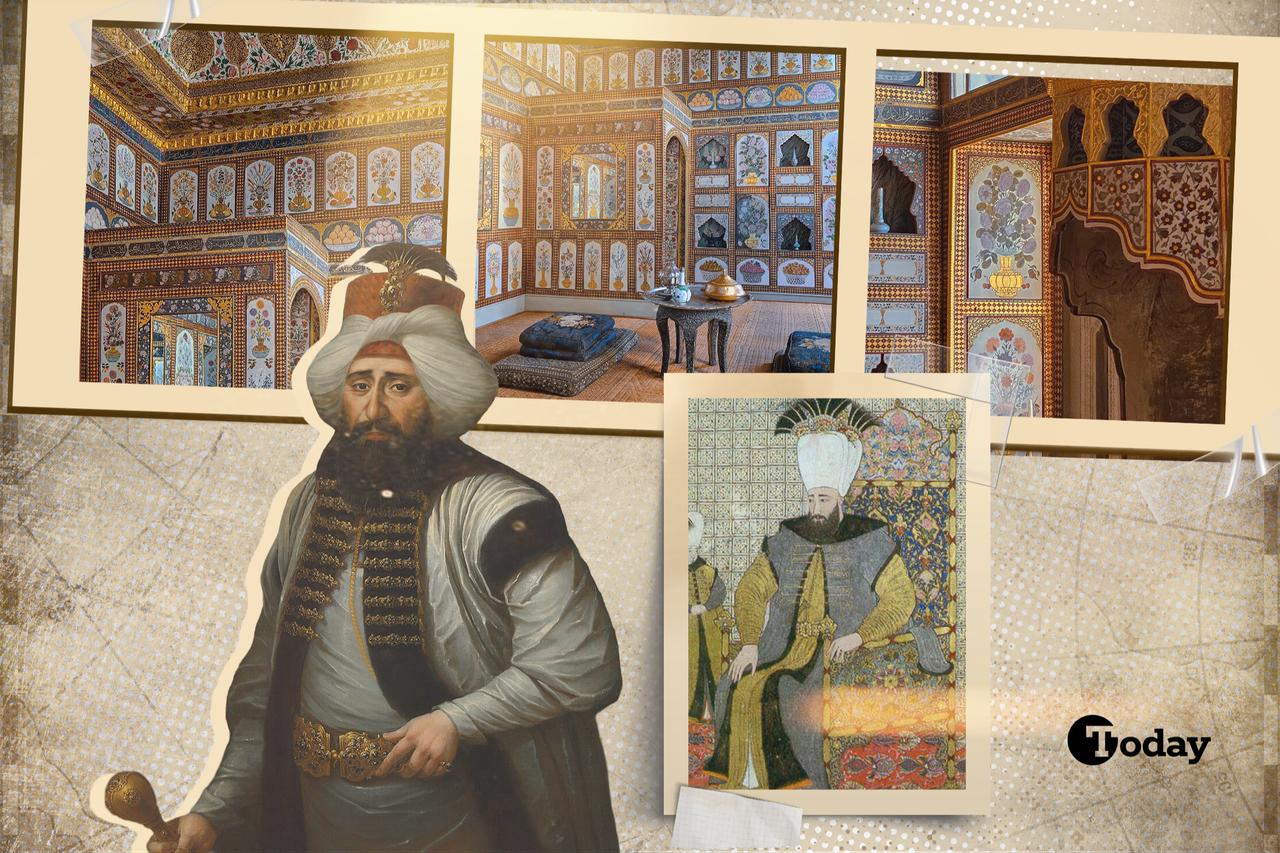


History has a way of whispering its secrets, if you listen closely…
As the year draws to a close, our lives slow a little, and we gather around our dining tables with family, friends and loved ones, sharing food, stories and joy. It is a time of reflection, when the past feels closer, the present more keenly felt, and the future quietly contemplated.
Some months ago, I welcomed you into The Sultan’s Salon with an invitation to discover the Ottomans not as a history of conquest and empire, but as the story of a family. Because behind the throne, the House of Osman was, first and foremost, a family. My family.
And so, as the new year beckons, and as Dec. 30th marks the 352nd anniversary of Sultan Ahmed III’s birth, it feels fitting to gather around a table in a unique dining room.
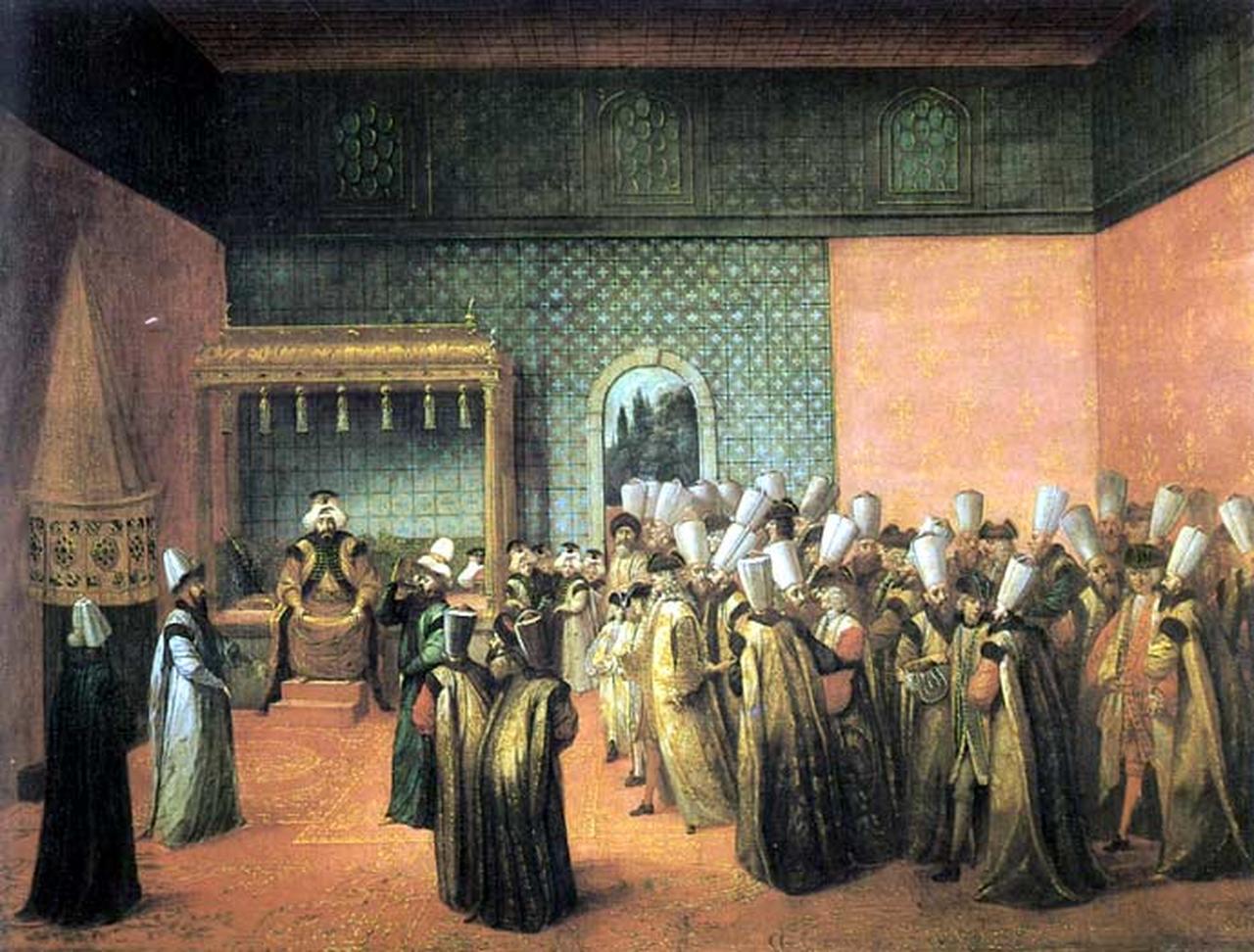

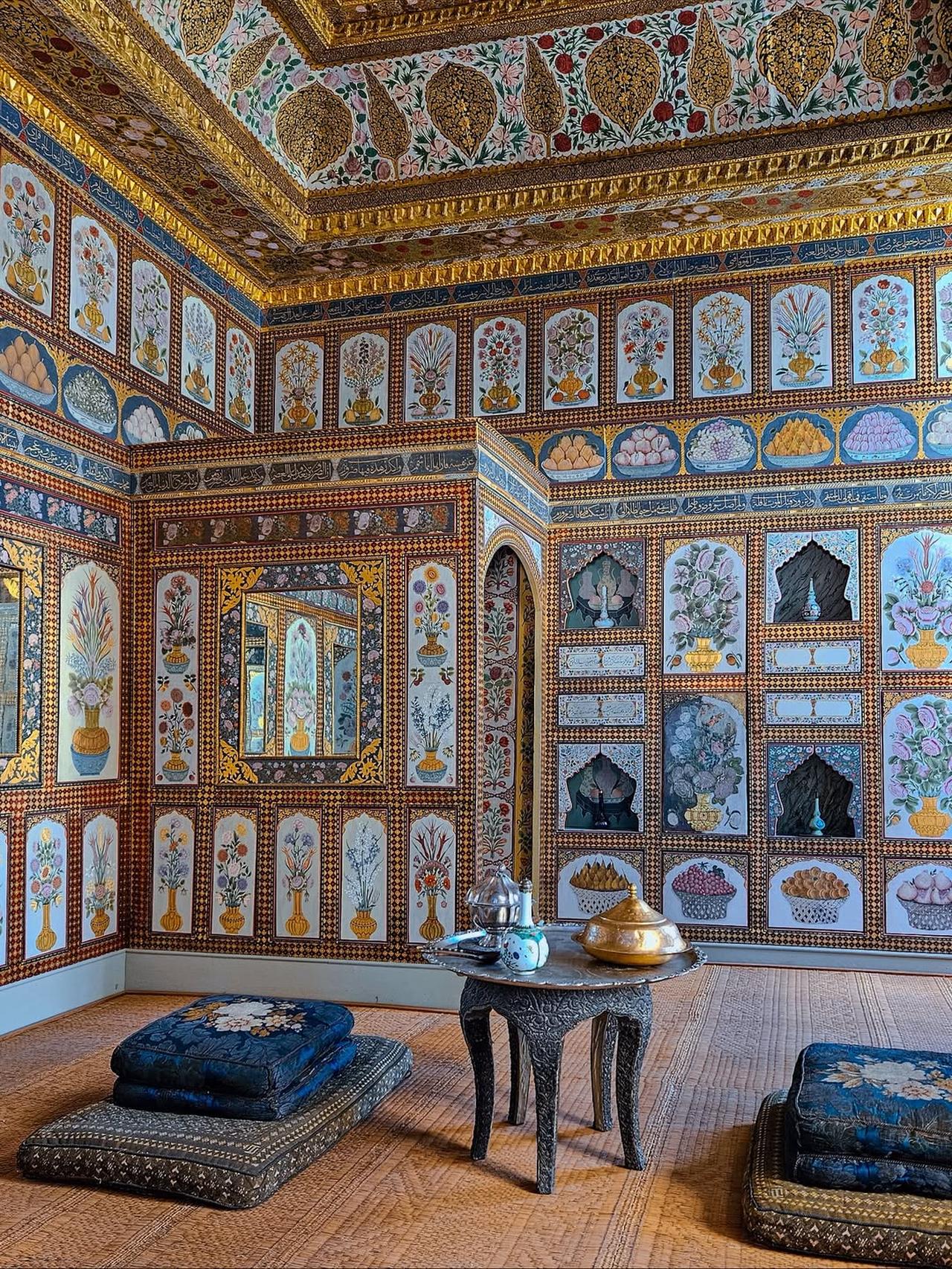
In the heart of the harem complex of the Topkapi Palace, between the Hall of the Sovereign and the Privy Chamber of Sultan Ahmed I, lies a small, dazzling room built during the reign of Sultan Ahmed III. It is known today as the 'Fruit Room'.
Historical sources suggest that it functioned as both a Yemis Odasi, a private dining room, and a nuzhet-gah, a place of relaxation. Its walls are covered with painted panels depicting vases filled with fragrant, heavy-headed flowers and bowls brimming with fresh fruit. Pomegranates split open with promise, generous clusters of grapes, ripe figs, and plump pears. These are not merely decorative motifs but symbols of abundance and prosperity.
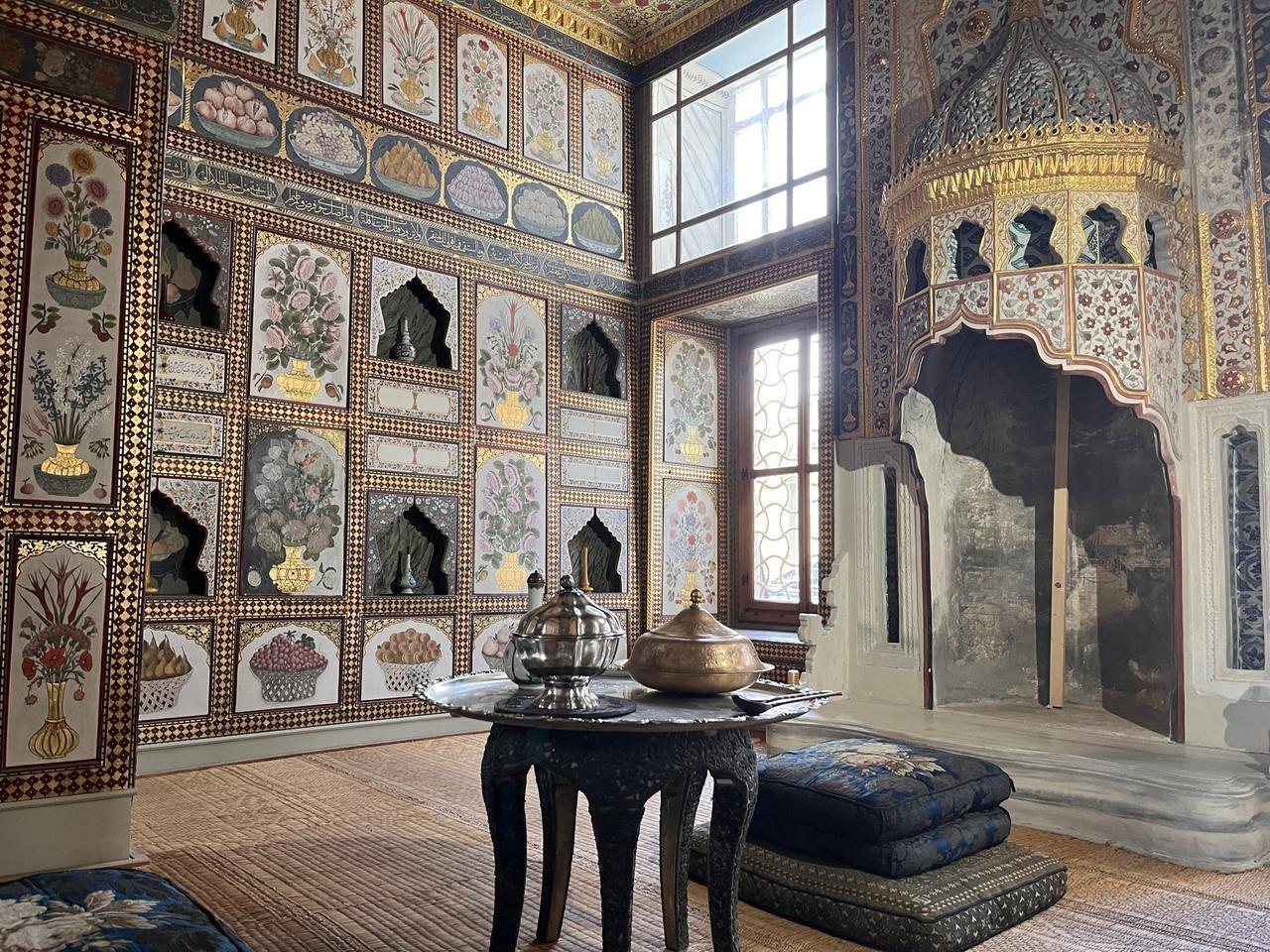
The painted panels are framed with exquisite Edirnekari inlay ornamentation, creating a vivid illusion of depth and texture, where wood, paint, and gilding merge into a feast for the senses. Gilded muqarnas adorn the ceiling, while an ornate fireplace, one of the earliest expressions of Ottoman Baroque, lends the room warmth and intimacy. Along the upper walls runs a frieze of verses from the Kaside-i Burde, the beautiful Ottoman poem written in praise of the Prophet Muhammad (pbuh).
The Fruit Room belongs to a time when the Ottomans, for a brief yet luminous interlude, turned their gaze inward, toward refinement, pleasure and the cultivation of beauty.
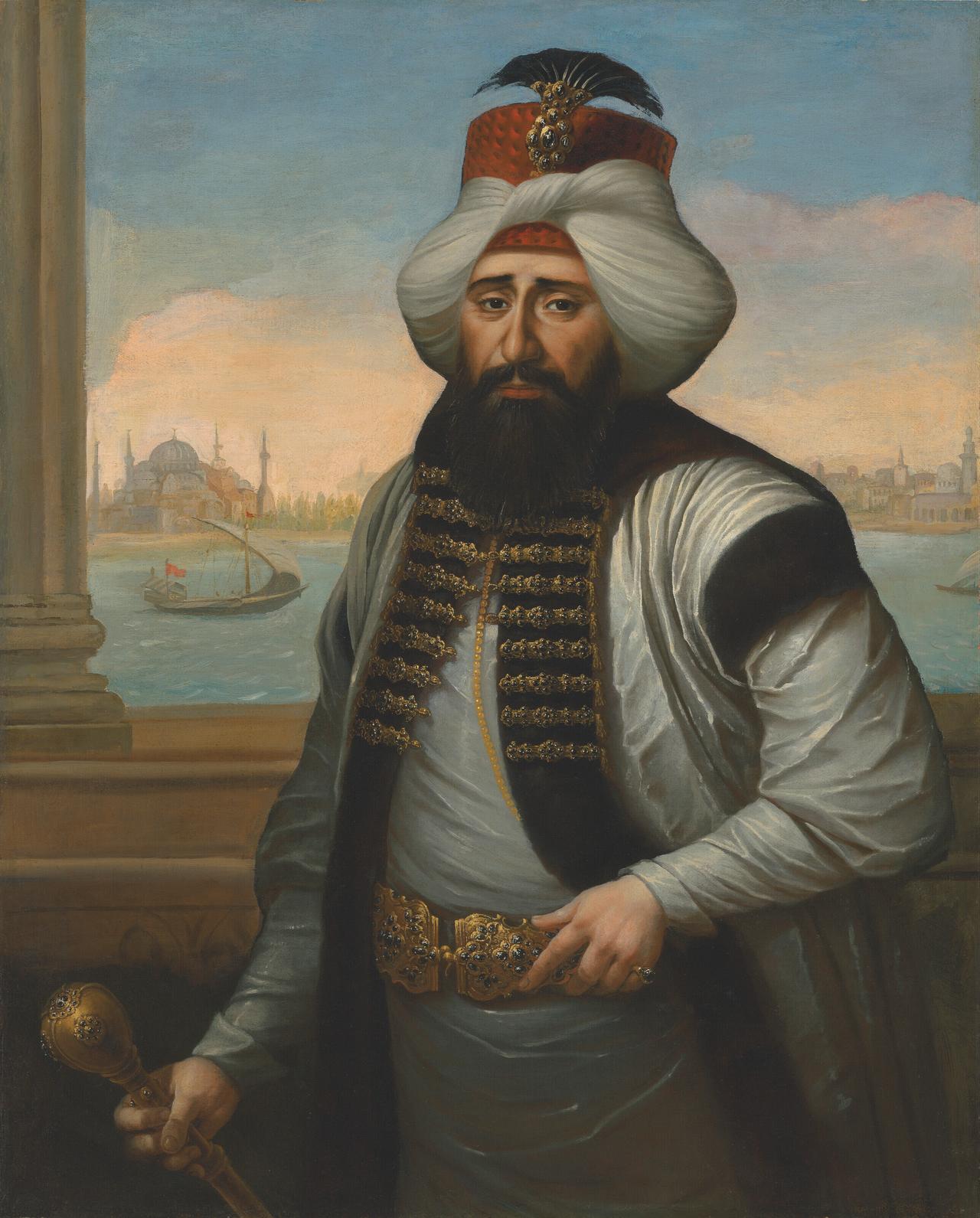
The reign of Sultan Ahmed III (1703-1730) coincided with the Lale Devri, the Tulip Era (1718-1730). After years of war, the Treaty of Passarowitz in 1718 ushered in a period of peace, bringing a flowering of artistic and cultural efflorescence.
This was an age captivated by nature. No longer stylized and restrained, the natural world was celebrated in all its bounty, inspiring poetry, textiles, ceramics, and architecture. Flowers bowed under the weight of their own blossoms; fruit ripened to indulgent perfection. And the tulip, rare and universally admired, came to embody elegance and refinement, giving its name to the era itself.
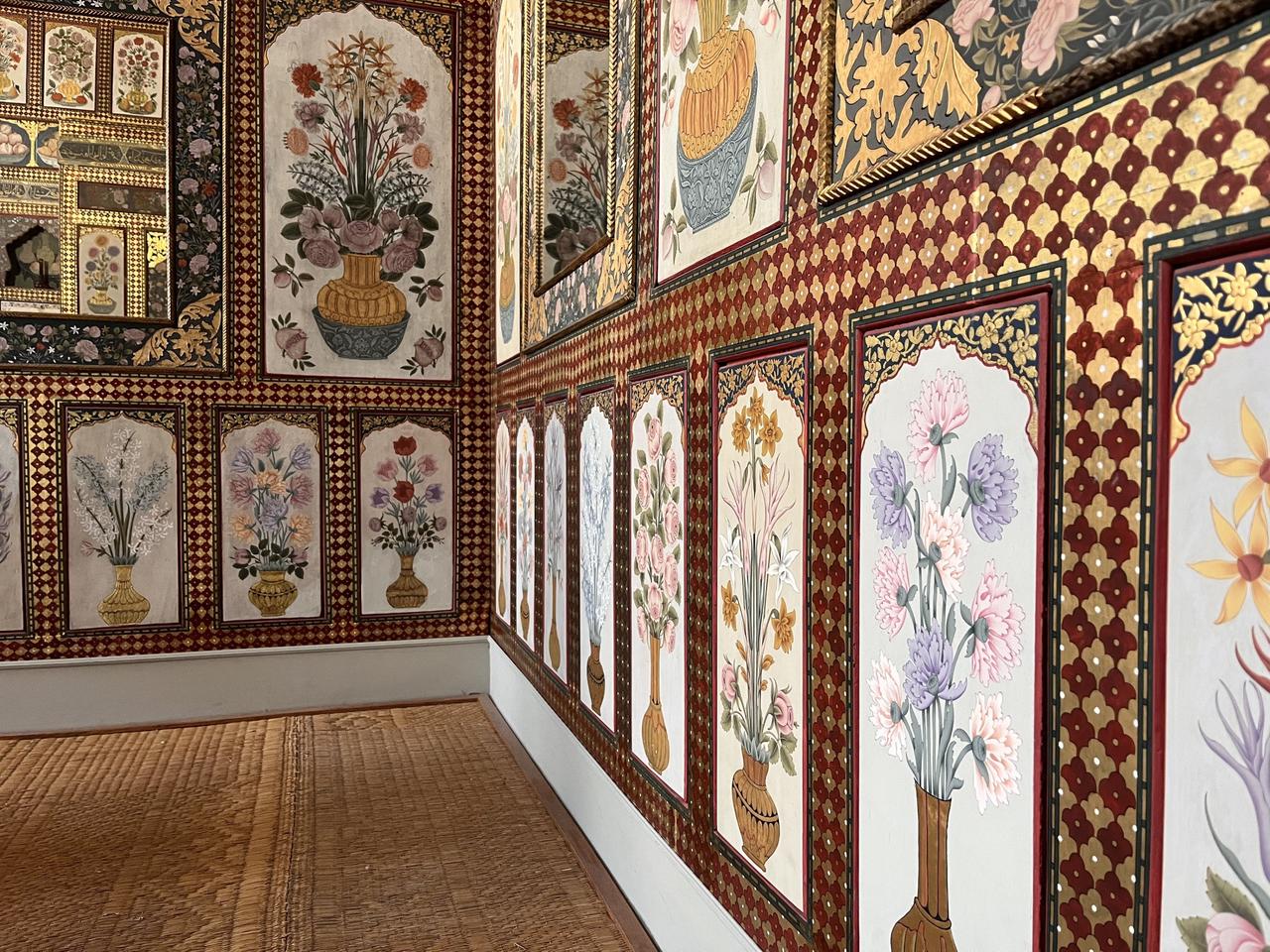
Art evolved, too. While remaining deeply rooted in Ottoman tradition, decorative interiors absorbed subtle European influences, reflecting softer forms, naturalistic motifs, and a heightened play of light and movement. The result was not imitation, but a graceful synthesis of tradition and innovation.
The Fruit Room of Sultan Ahmed III exemplifies this shift. Here, the disciplined symmetry of classical Ottoman interiors gives way to something more lyrical. Not designed for ceremony but for intimate, private moments, it is, in essence, the Tulip Era made tangible. A room that celebrates peace, beauty and the pleasures of family life. A place where the Sultan might step into a flower garden or orchard without ever leaving the harem.
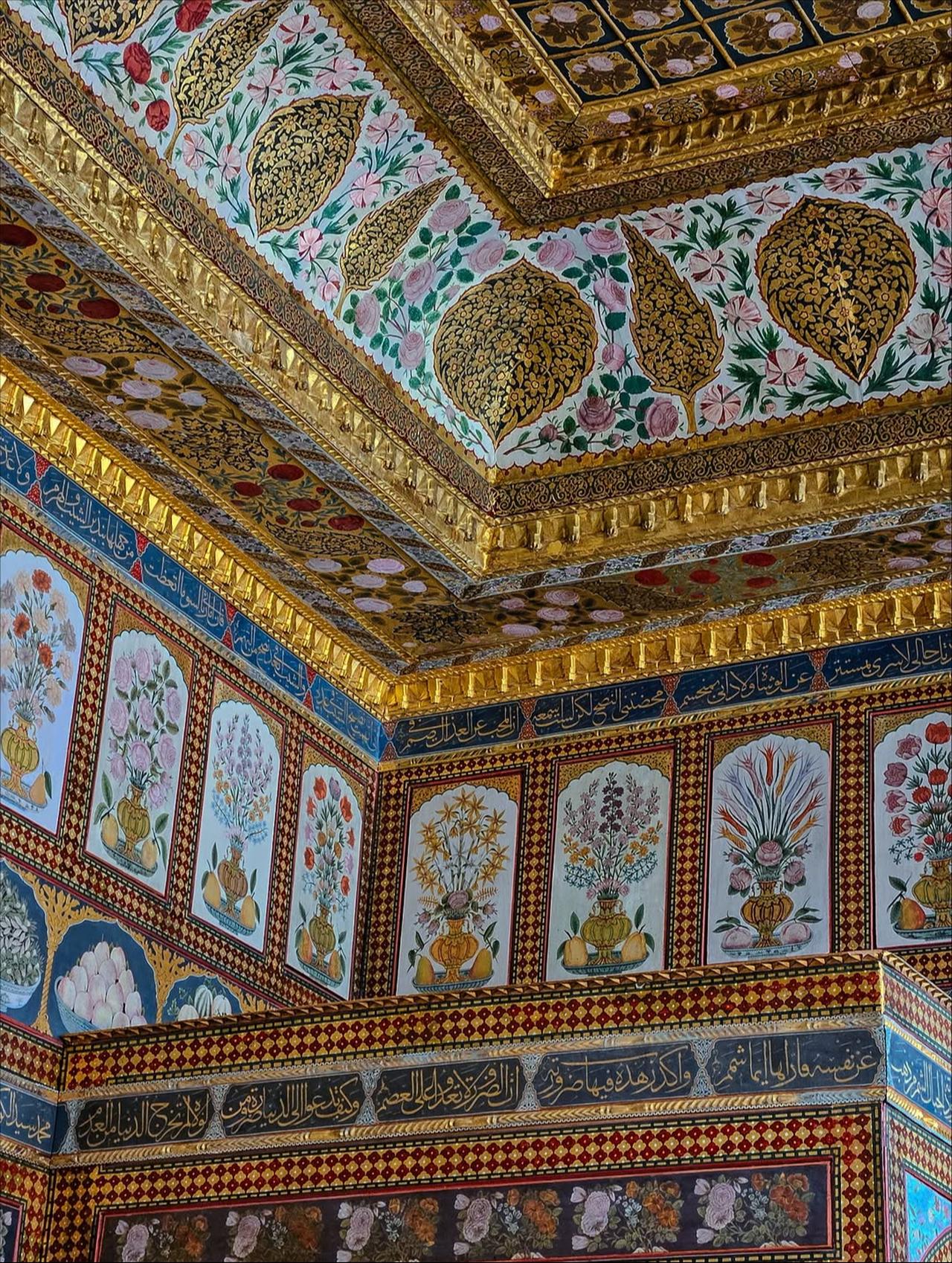
In May of this year, the 'Fruit Room', or Yemis Odasi, opened to the public after a decade of extensive restoration. It was faithfully restored by a highly skilled team of art historians, conservators, and craftsmen, working with authentic materials and techniques and guided by detailed period sources to preserve its original designs.
The result is that a room built during a pivotal, transitional period in Ottoman art and architecture has been returned to its former glory. Its painted vases of flowers, bowls of fruit, intricate inlay ornamentation, gilded muqarnas, an ornate fireplace and elegant calligraphic friezes now offer visitors to the Topkapi Palace a fascinating glimpse into the private world of the Ottoman sultans.
Such a restoration project is more than a significant cultural achievement; it is a commitment to preserve our shared heritage for generations to come.
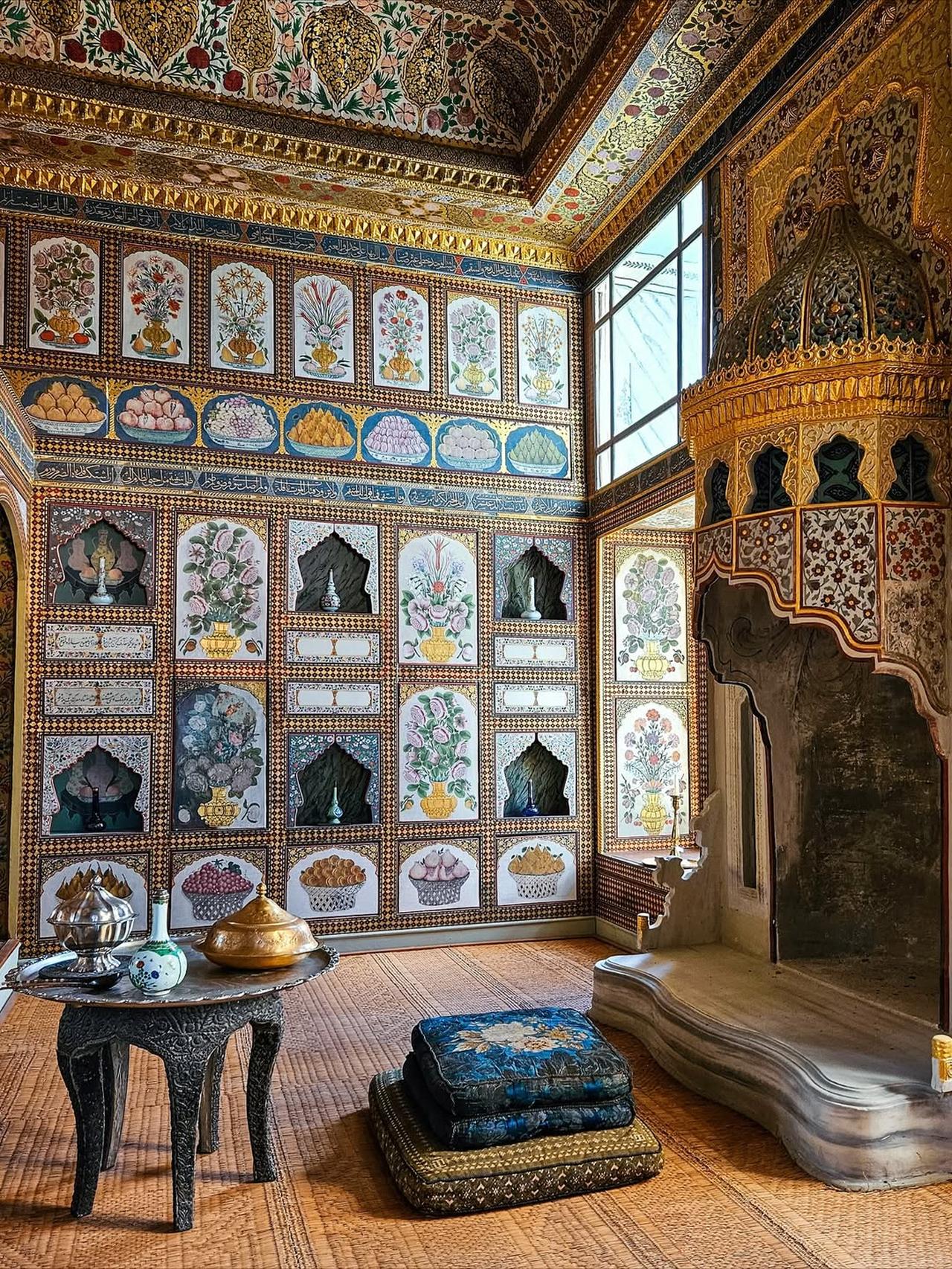
So, if you visit the Topkapi Palace, go to the harem and pause for a moment in the newly opened 'Fruit Room', or Yemis Odasi.
Picture Sultan Ahmed III here, reclining on a low divan, surrounded by his family and sumptuous silk cushions. A low tray table is laid before him. He lifts a crystal glass of sweet fruit sherbet to his lips. Oil lamps flicker in the alcoves between the painted panels, while a fire glows in the Baroque-style fireplace. Close your eyes, and you might catch the aroma of lamb stew and saffron-infused rice, mingling with delicate threads of perfumed smoke rising from a silver incense burner. Listen closely, and perhaps you will hear the laughter of children and the low murmur of conversation softened by thick walls and centuries of etiquette.
In this room, Ahmed was not the Sultan, the Padishah, the Caliph of Islam. For a few hours, he was unburdened by the affairs of state. A father spending time with his children. A husband enjoying the company of his wives. A man seeking comfort among those he loved gathered around a table to share food, stories, and joy.
As we sit at our own dining tables at this time of year, surrounded by those we love, the distance between past and present gently dissolves. Across centuries, customs remain the same: a table, a family, and the simple joy of togetherness.
Until next year, when we meet again in the Sultan’s Salon…


 Set as preferred source
 Set as preferred source


 2 min read
 1 min read