Newsletters


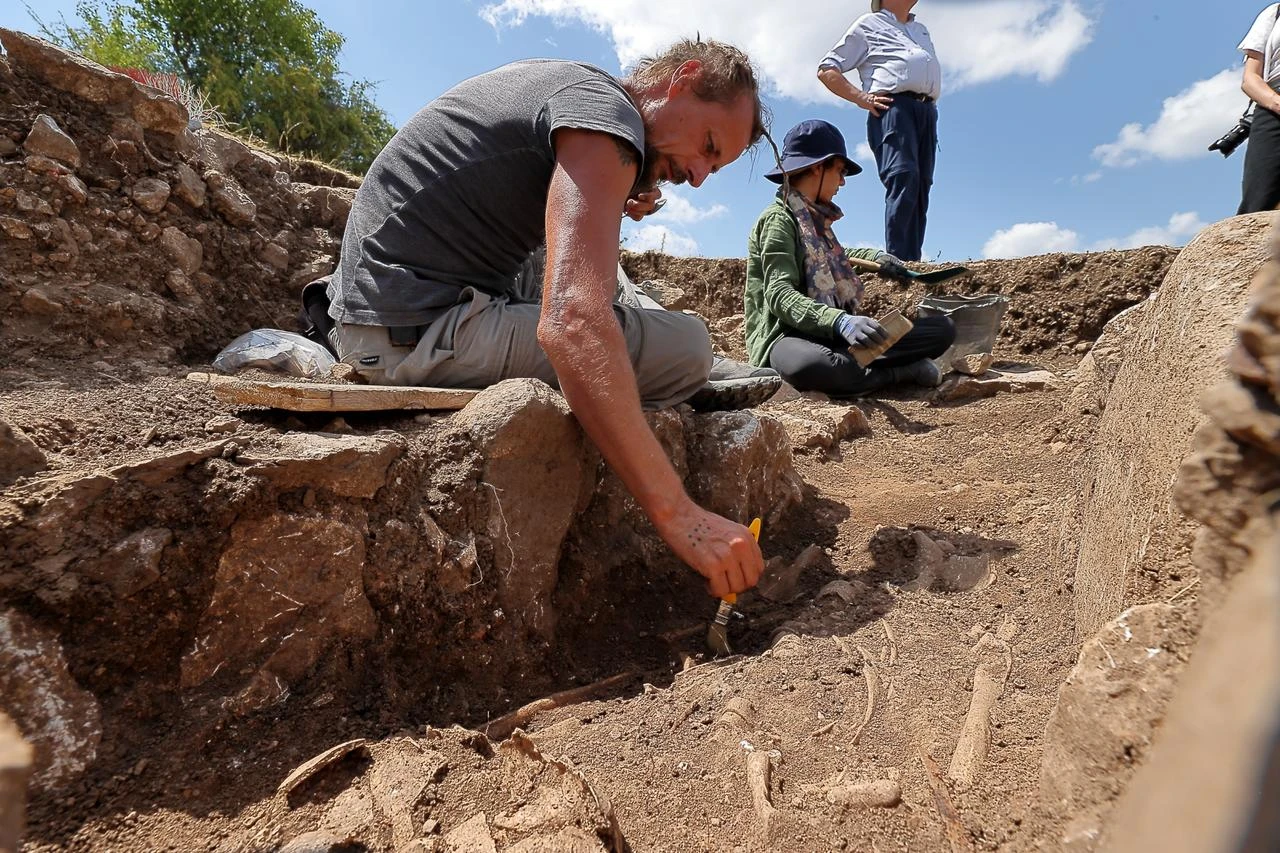
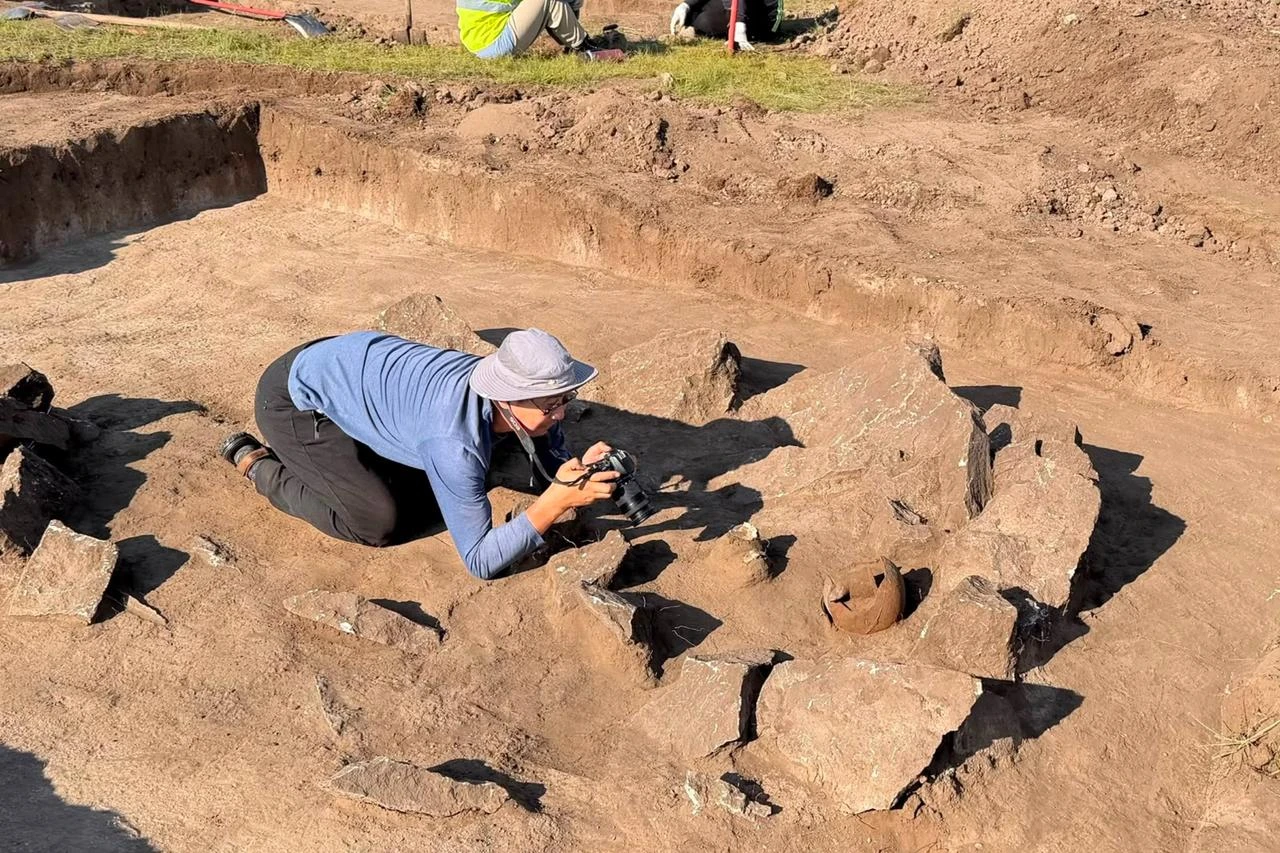
The Alija Izetbegovic Museum in Sarajevo is preparing to welcome visitors after the Turkish Cooperation and Coordination Agency (TIKA) completes extensive restoration and exhibition work at the site.
Founded on Oct. 19, 2007, the museum preserves the intellectual and political legacy of Bosnia-Herzegovina’s first president, Alija Izetbegovic.
It operates in the Ottoman-era Ploca and Sirokac gate towers, both recognized as national monuments of Bosnia and Herzegovina. The two-stage project restores the historic site while bringing its exhibition spaces in line with contemporary museum standards, according to a statement from TIKA.
The first stage focuses on strengthening the museum’s physical infrastructure while preserving the original architectural features of the historic buildings.
The Ploca and Sirokac gate towers, important remnants of the Ottoman defense system in the Balkans, undergo comprehensive restoration. They were built between 1727 and 1739 during the tenure of Bosnian Governor Ahmed Pasha Rustempasic Skopljak.
Work on the roofs, fortress walls, and stairways helps secure another major section of the historic Vratnik Wall System, which once protected eastern Sarajevo.
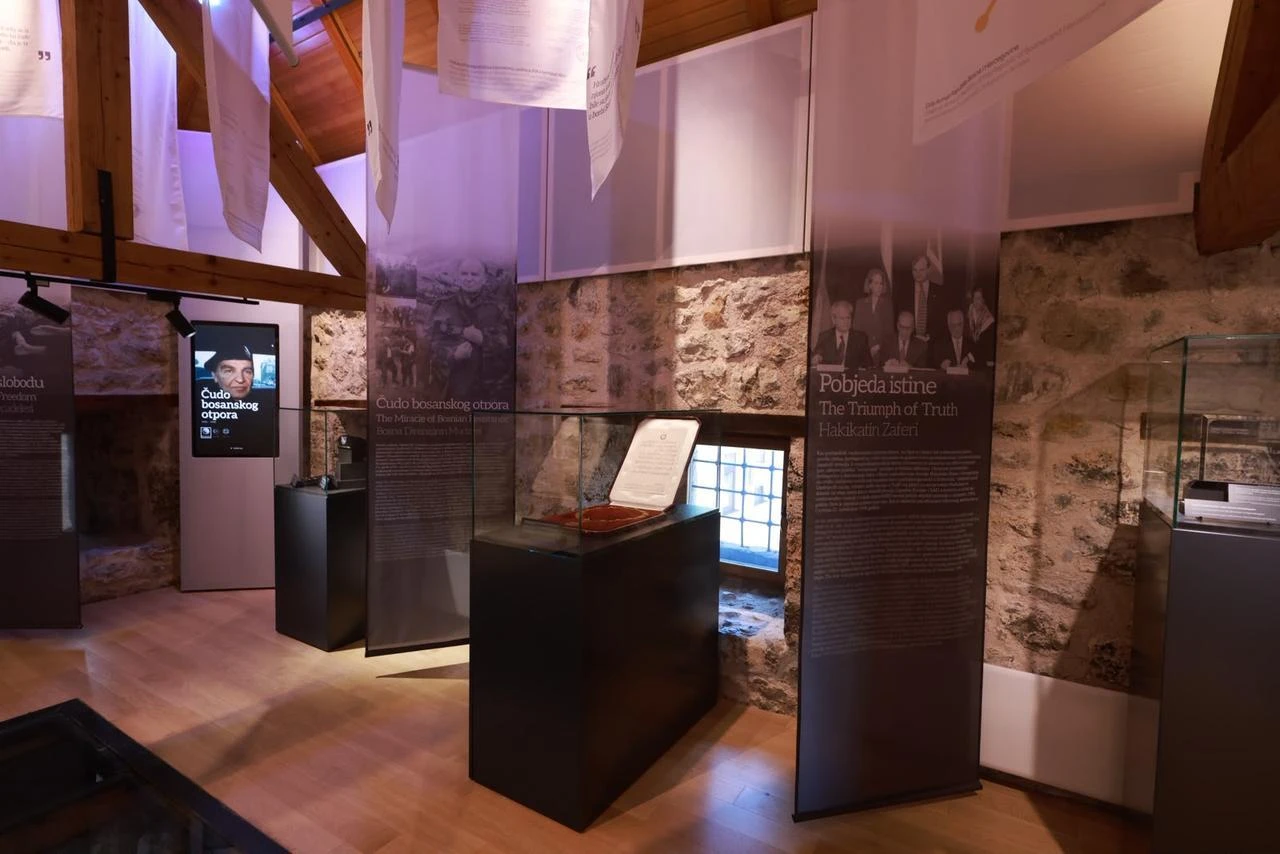

The towers once served a military purpose, protecting Sarajevo’s residents from enemy attacks. Following the restoration, they also provide the setting for an exhibition dedicated to Izetbegovic and Bosnia-Herzegovina’s struggle for independence.
Elvis Kondzic, the museum’s first director and one of its founders, draws a link between the historic structures and Izetbegovic: "The towers and Alija lived at different times. However, in the end they came together around the common purpose of defense and freedom."
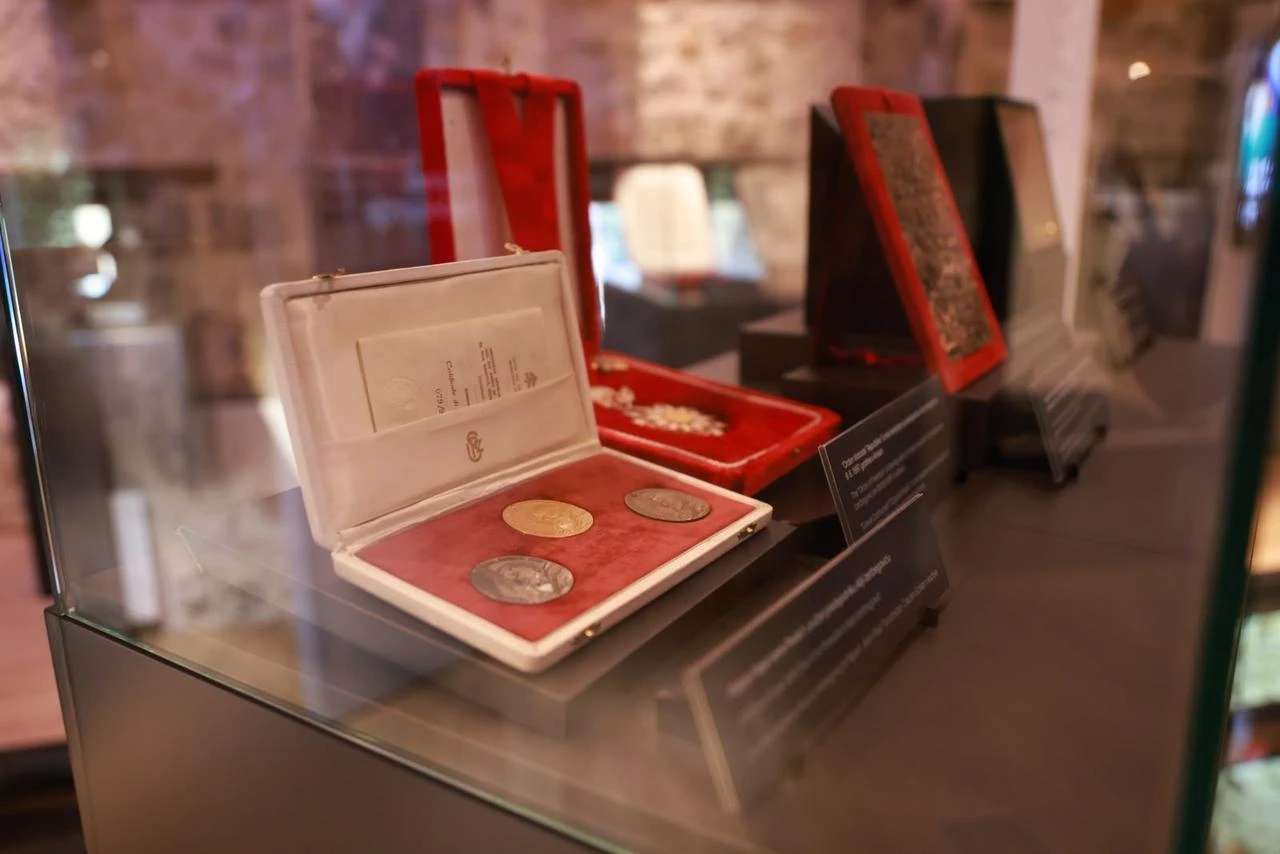
The second stage completely renews the museum’s exhibition design, with the project reshaping display areas around contemporary museum principles and placing greater emphasis on the visitor experience.
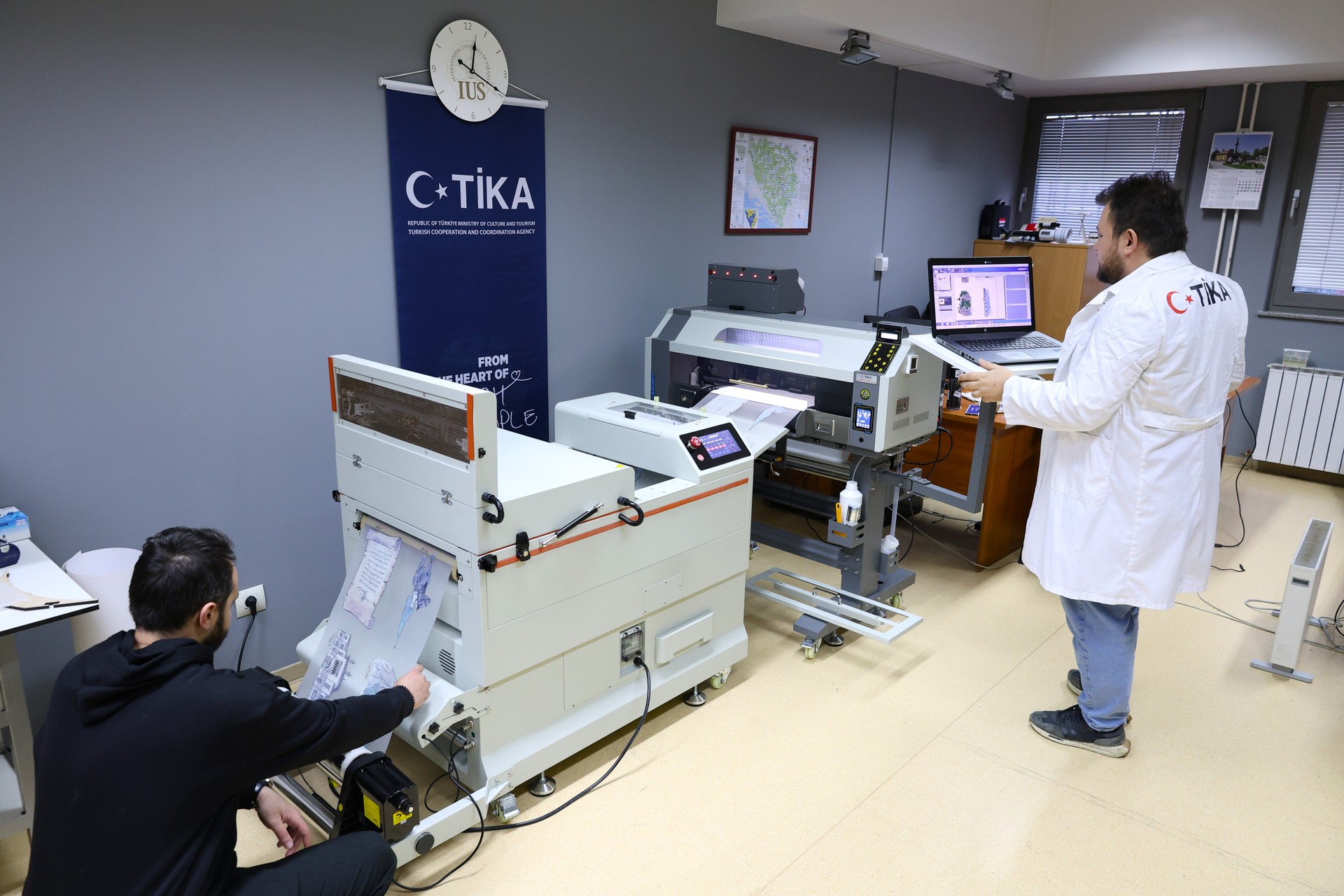
The new concept combines canvas prints, original graphic applications, modern display cases, LED screens, and digital audiovisual multimedia content. The approach keeps the historic character of the buildings intact while adding modern exhibition technologies and digital storytelling tools.
The exhibition is organized around both chronological and thematic narratives, with different parts of Izetbegovic’s life and political legacy distributed across the site.
At the Ploca Gate Tower, displays cover his childhood and youth, family life and intellectual development. The Sur Line section focuses on his trial, prison years and works written during that period, using original documents alongside digital interpretation techniques.
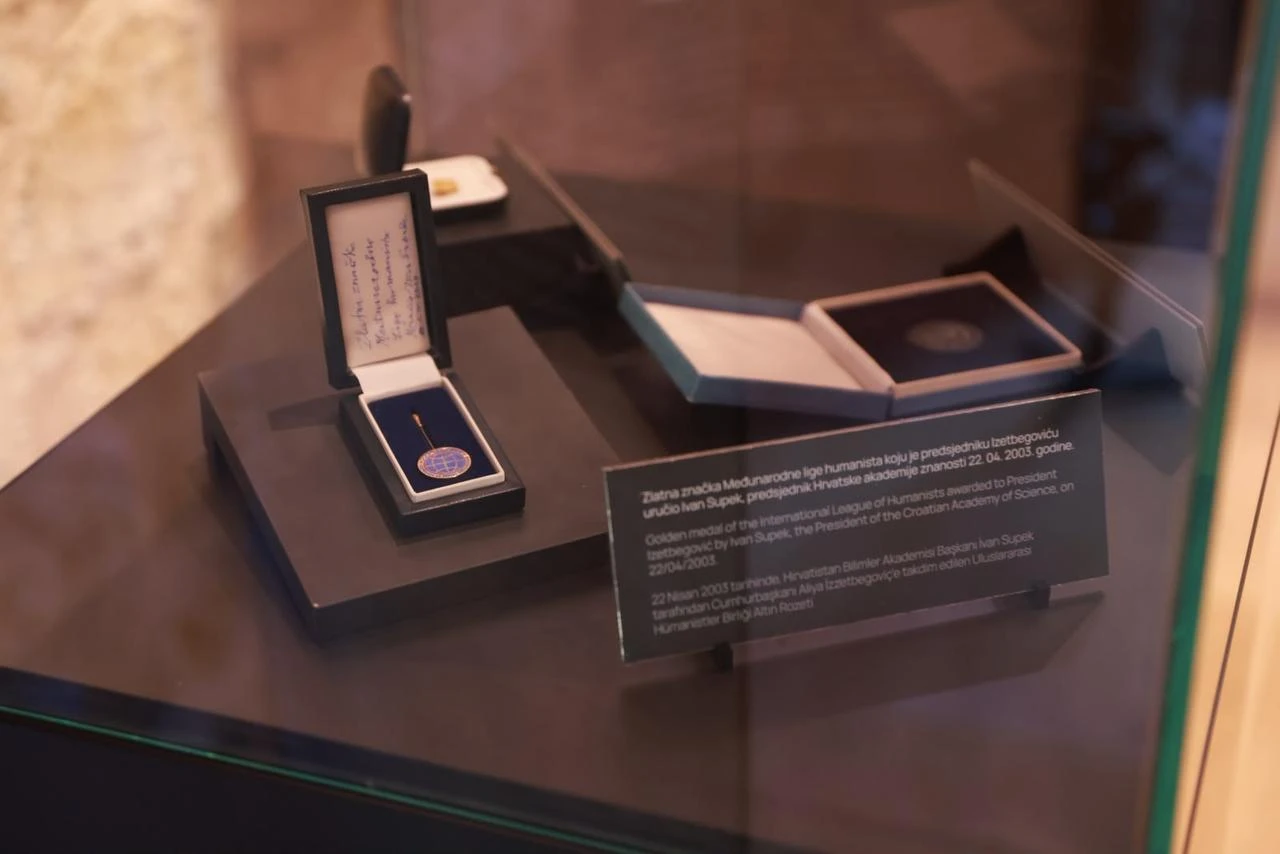
The Sirokac Gate Tower presents Bosnia-Herzegovina’s independence process, Izetbegovic’s role as a statesman and president, his leadership during the war years, and his international political legacy through interactive applications.
The renewed museum brings together historical information, original materials, and digital tools, moving beyond a conventional display of artifacts to create an experience centered on memory, identity, and cultural heritage.
Restoration and exhibition work is complete, while preparations continue for the museum’s opening to visitors.


 Set as preferred source
 Set as preferred source


 1 min read
 1 min read