Newsletters


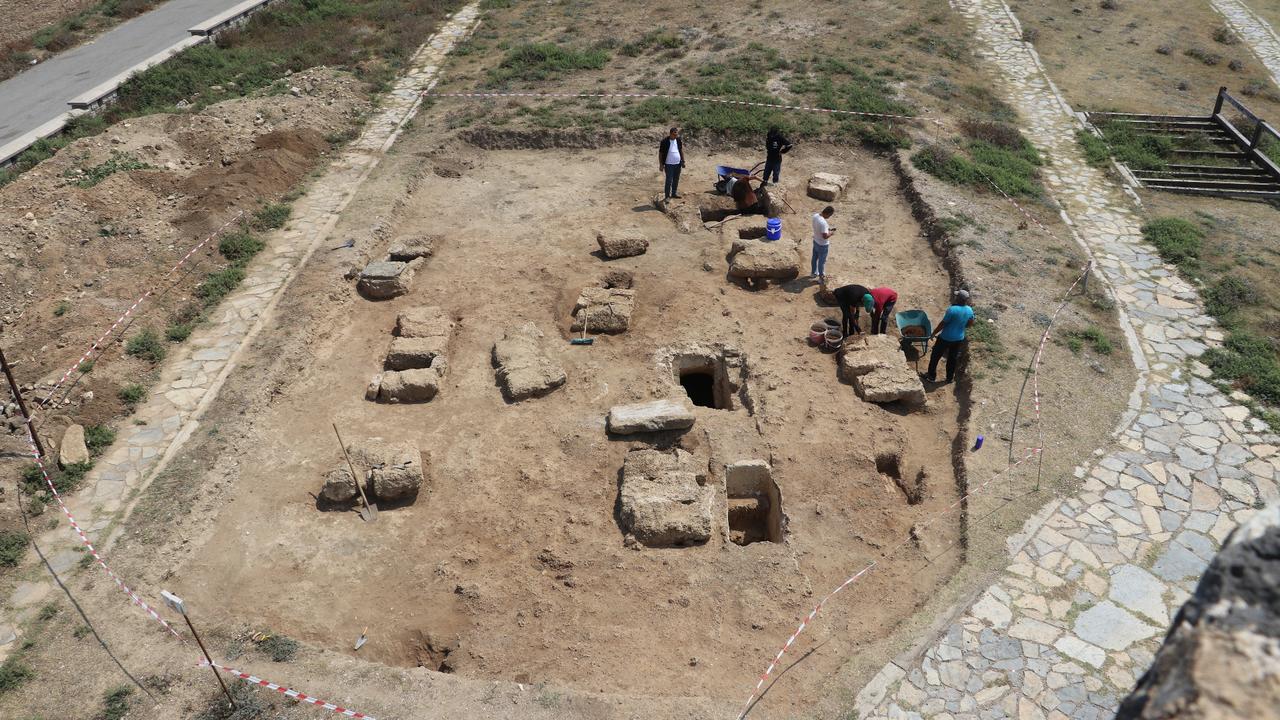
East of the Ceyhan River in Adana's Yumurtalik district, southern Türkiye, the necropolis of the ancient city of Aigeai stretches across roughly 33 donums of terrain.
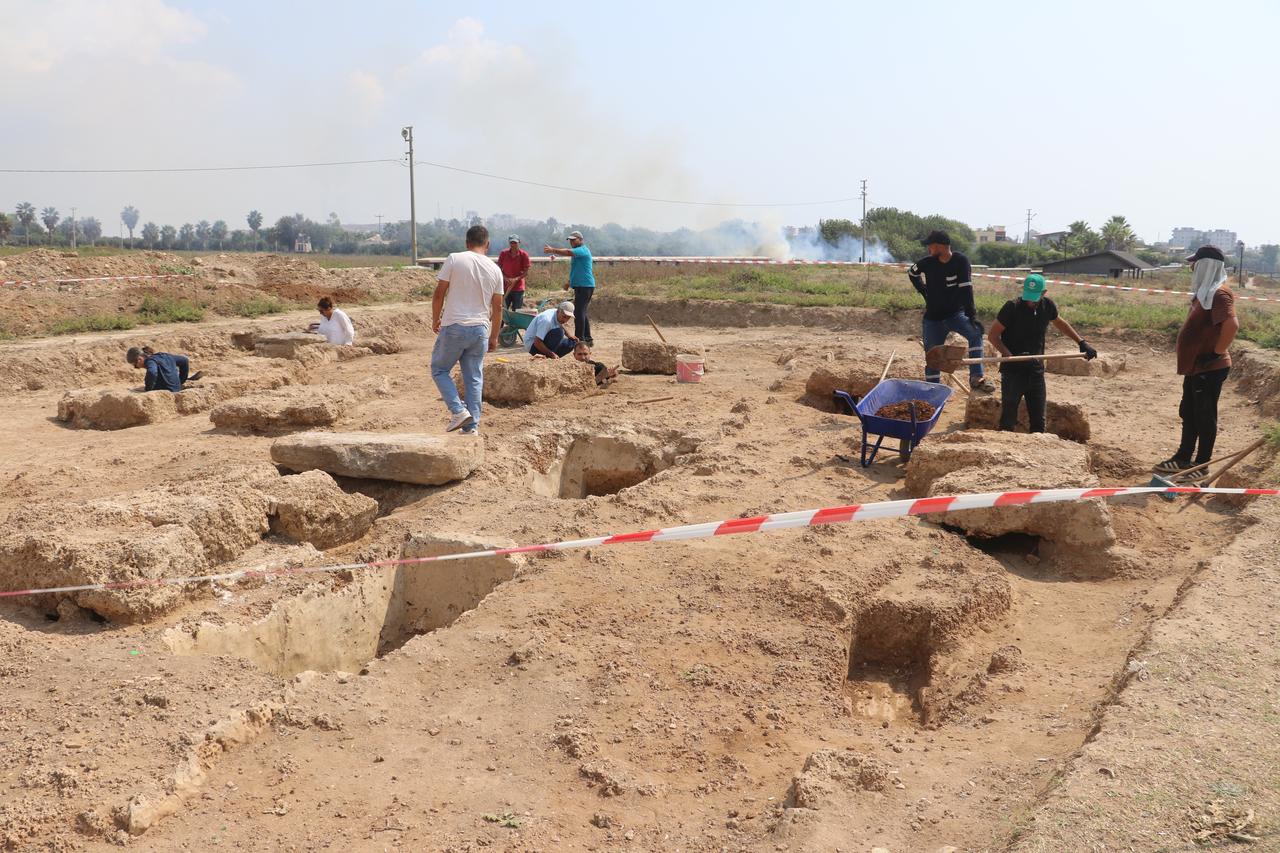
A rescue excavation coordinated by the Ministry of Culture and Tourism has spent the season working through this Hellenistic-era burial ground, once tied to a bustling ancient port.
Ten tombs have now been fully uncovered, with dozens more still waiting beneath the soil.
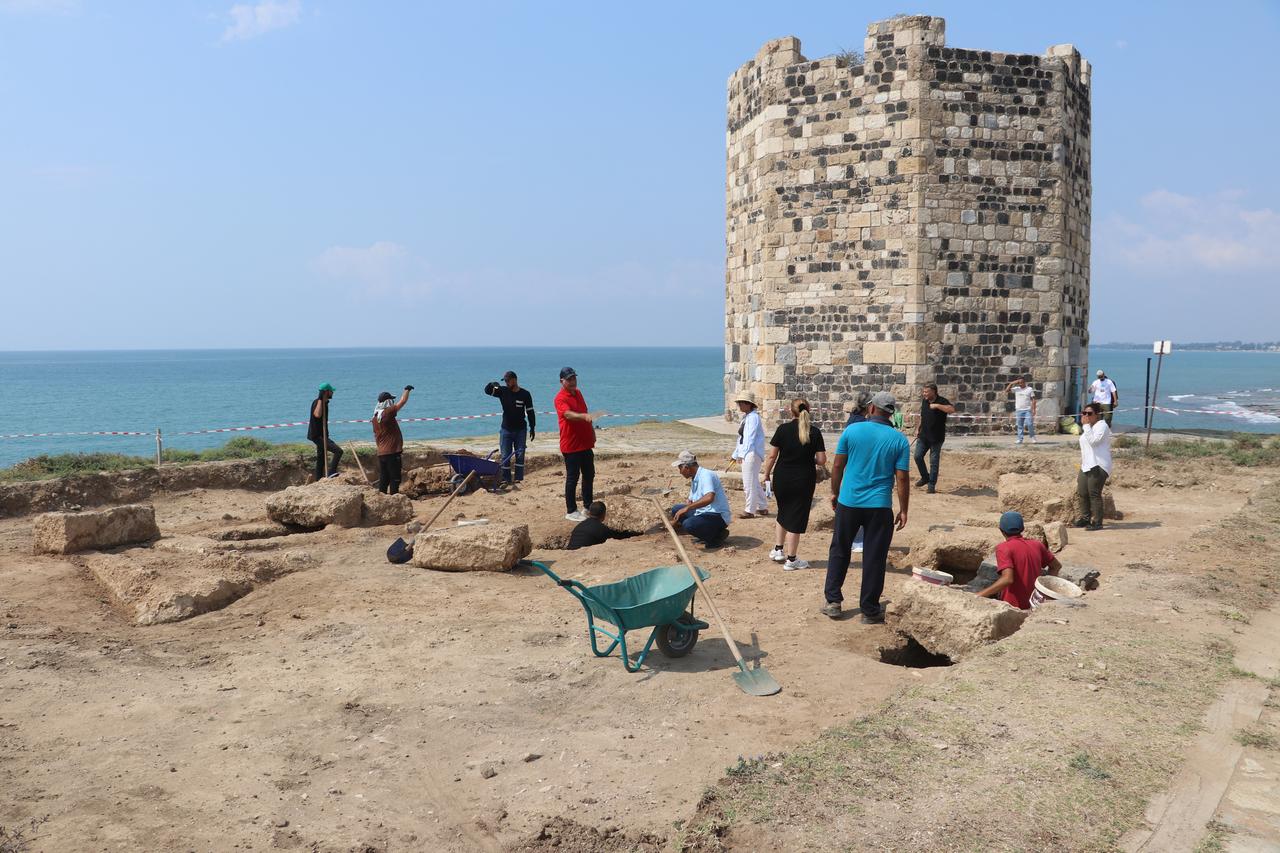
An initial survey of the necropolis identified around 30 tombs scattered across the site.
The excavation, carried out by the Adana Museum Directorate under the scientific advisement of Associate Professor Faris Demir, has focused on the portion of the necropolis closest to the ancient port, where erosion and centuries of land use left the ground uneven and marked by shallow depressions.
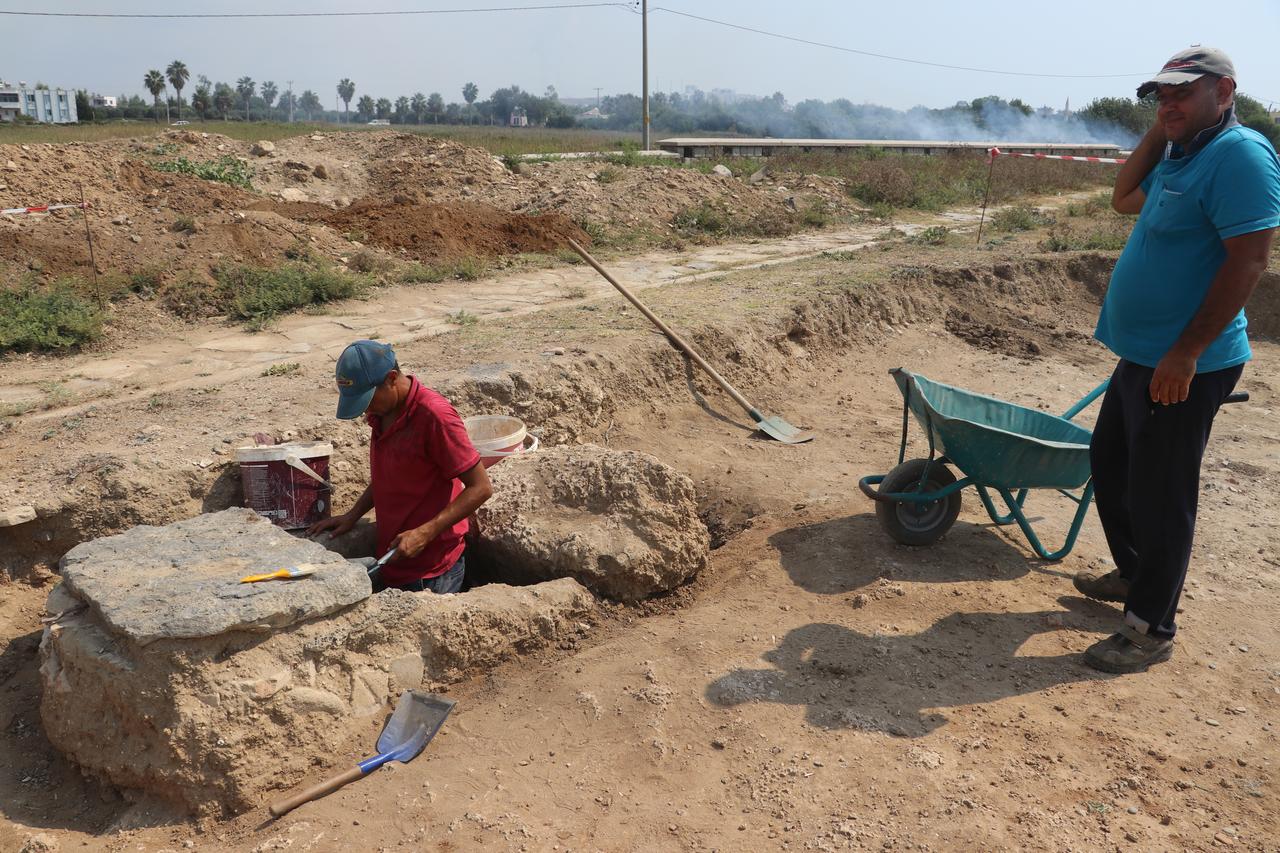
Archaeology students working as interns join the excavation team as trowels and brushes clear soil away from buried stonework.
The dig has unfolded in stages, with each newly cleared section revealing another tomb entrance, corridor or platform cut into the bedrock beneath the necropolis.
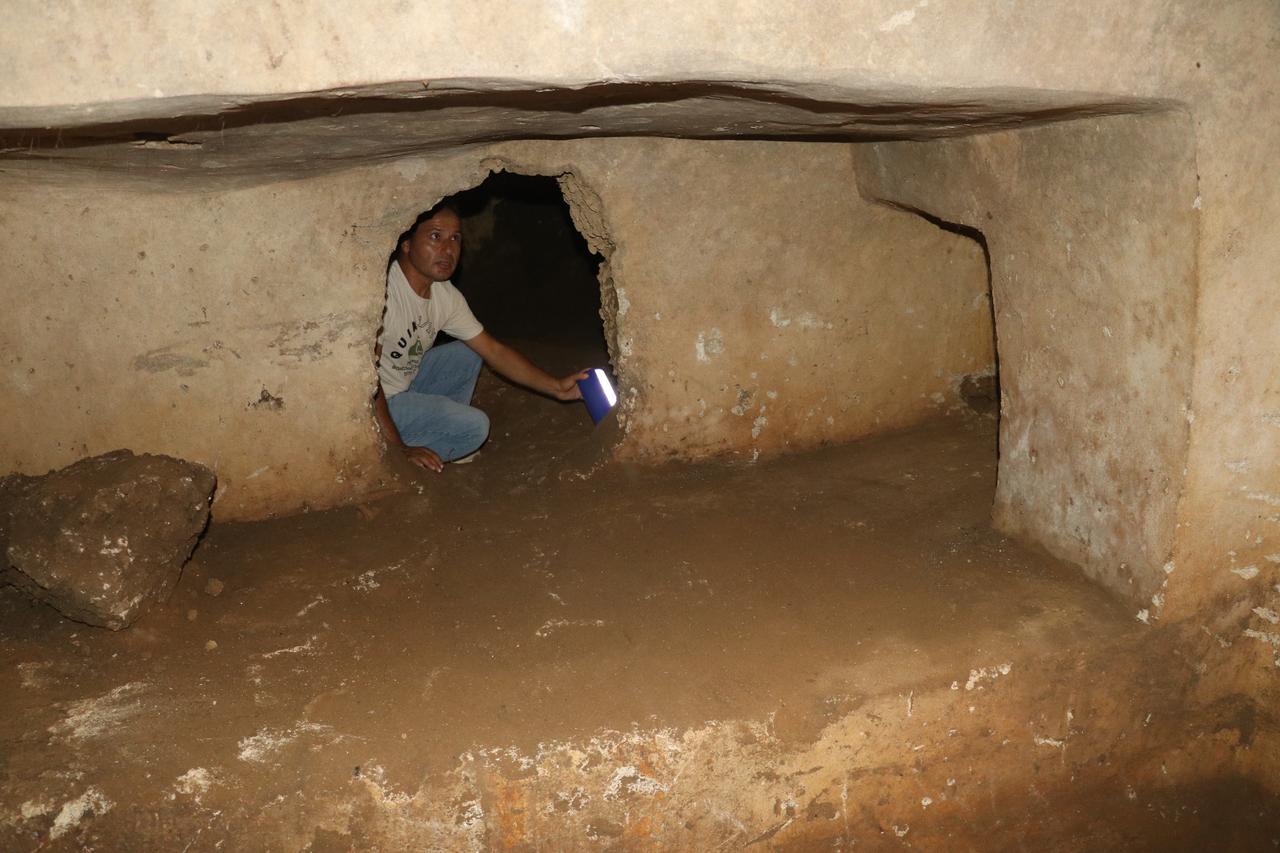
Rock-cut tombs emerge from the hillside, complete with narrow corridors and carved staircases leading down to burial chambers.
These tombs, along with chest-type graves set closer to the surface, account for the 10 structures uncovered so far in this excavation season.
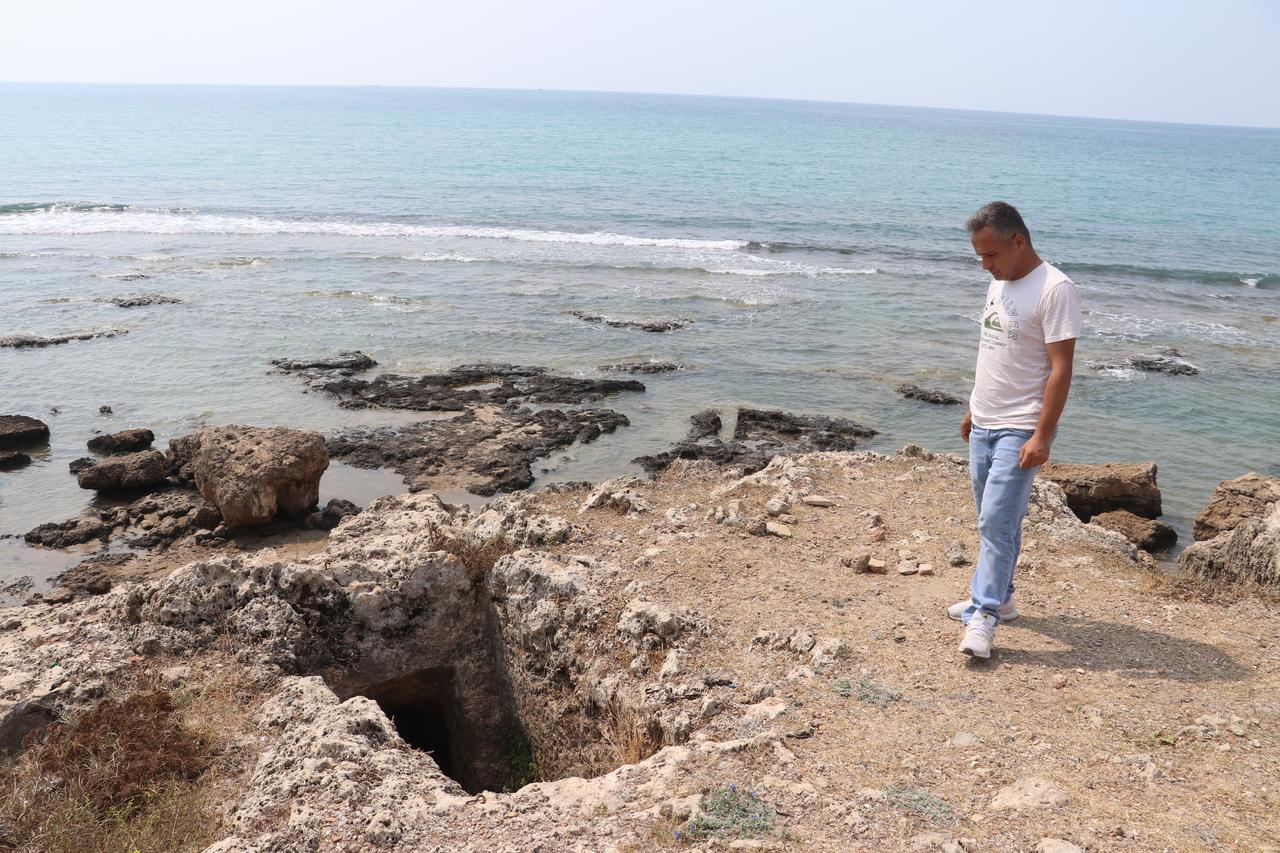
Inside the rock-cut chambers, platforms carved directly into the stone mark where bodies were once placed.
Demir has said the necropolis, dating to the Hellenistic period between 323 and 31 B.C., remained in use through the Roman era, and that damage visible on many tombs accumulated gradually from the Middle Ages onward.
The edges of the chest-type tombs were finished with lime mortar, and on several graves, the plastered surfaces still carry rosette motifs pressed into the material centuries ago.
The detail offers a rare, close look at burial customs practiced at Aigeai during its Hellenistic and Roman phases.
Terracotta sarcophagi recovered from the necropolis sit among the excavation's most significant finds.
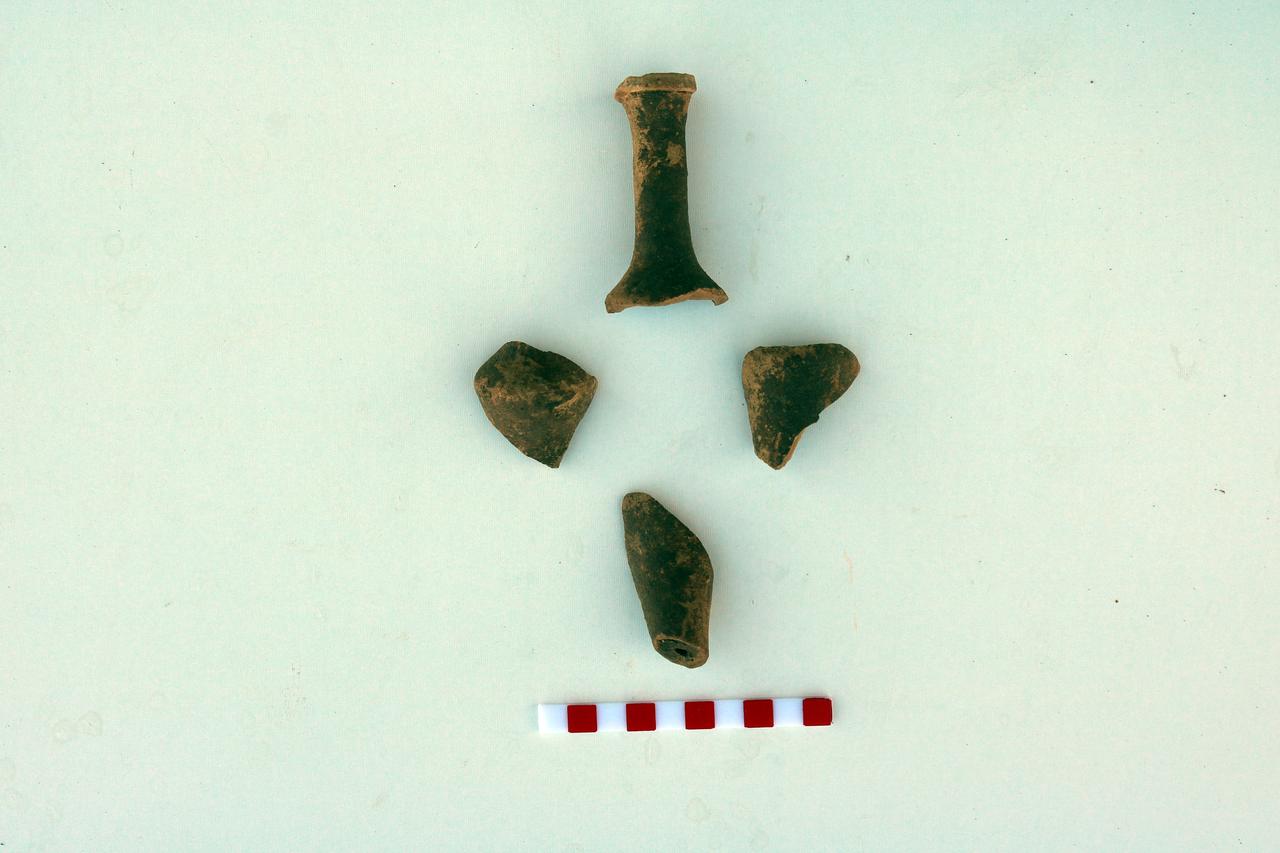
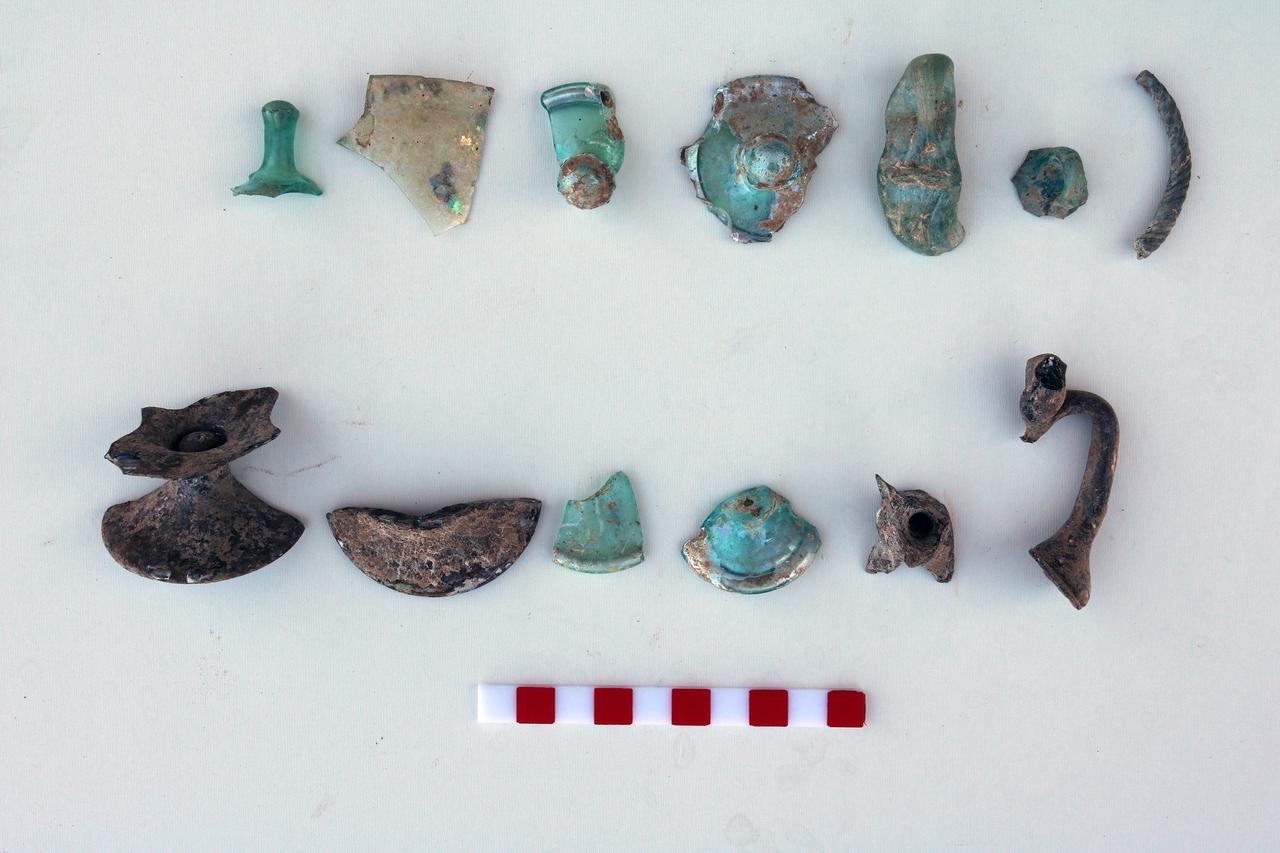
Alongside the burial containers, the team uncovered vessel fragments and tear bottles believed to have been placed in the tombs as grave offerings.
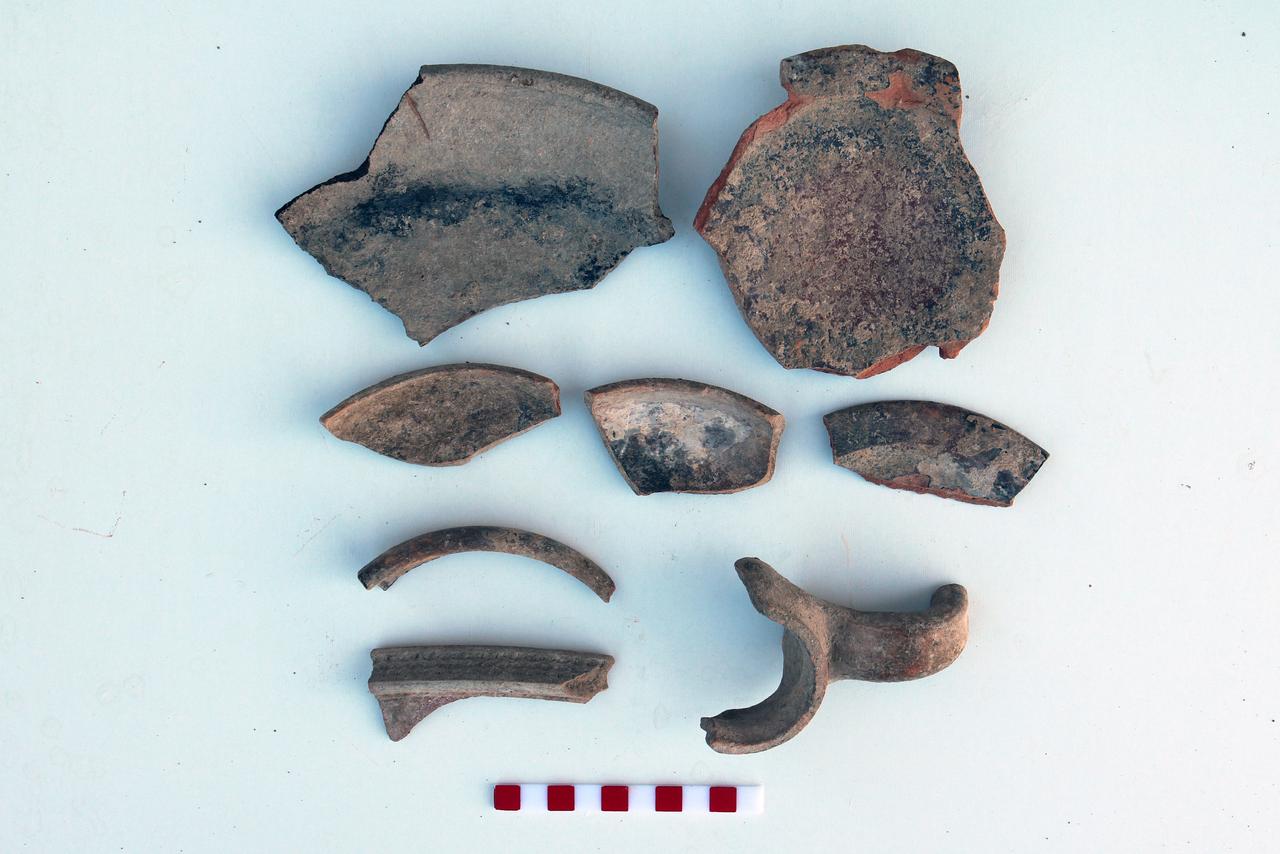
A cluster of tear bottles and broken vessel pieces, cleaned and set aside for study, illustrates the scale of grave goods pulled from the site this season. These fragile objects are now undergoing restoration, with plans to eventually display them at the Adana Museum.
Demir has said the surrounding region is where Alexander the Great prepared for the Battle of Issus in 333 B.C., and that Aigeai itself was founded by Macedonian soldiers in his memory.
He has raised the possibility that some of the newly uncovered tombs may belong to soldiers from that same Macedonian force, a question the team hopes further study will help answer as excavation work continues toward its expected close in early September.

 1 min read
 1 min read
 3 min read


 Set as preferred source